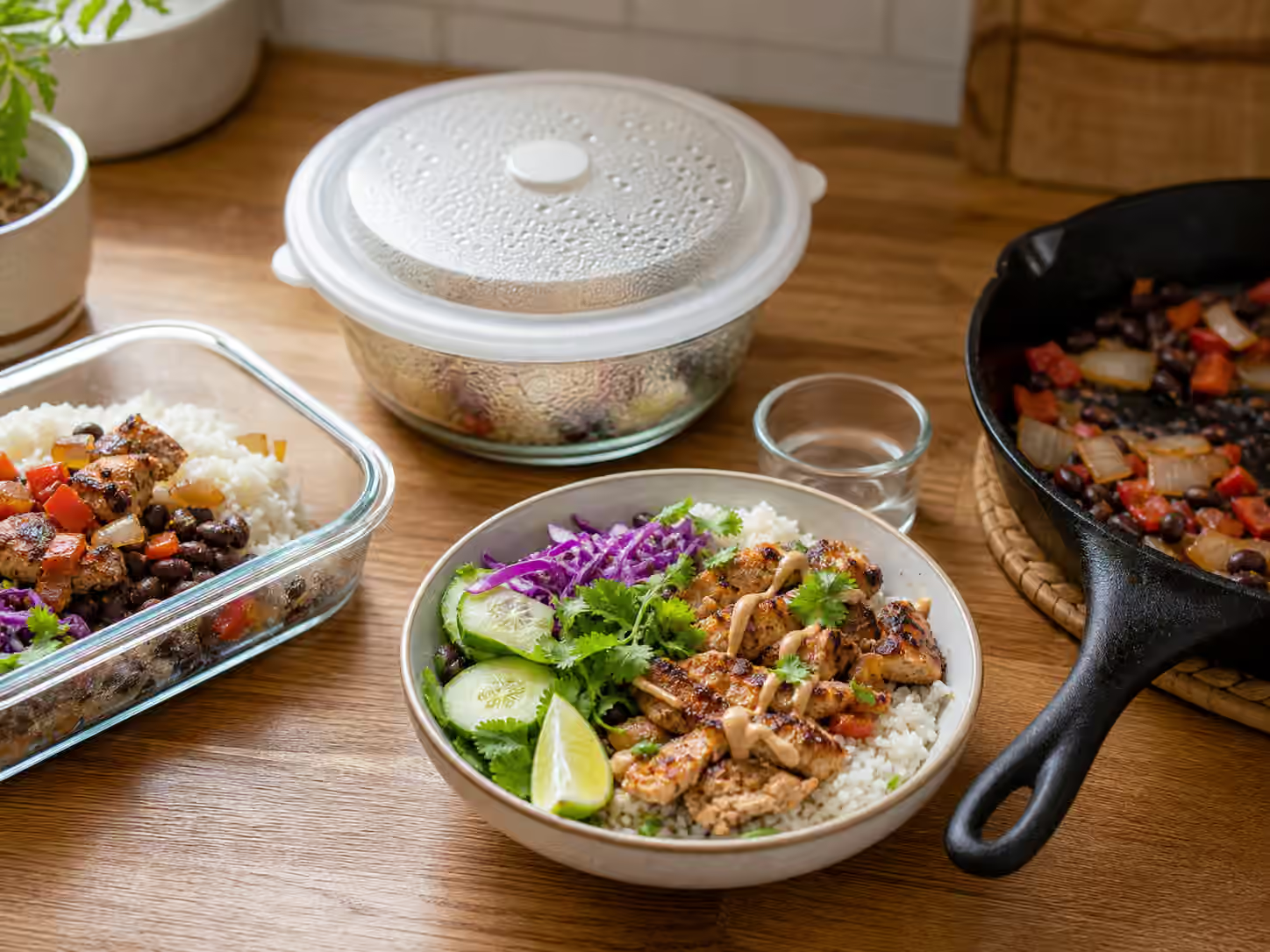
The base is the quiet hinge of boy kibble. People talk about ground beef, chicken, tofu, eggs, sauce, and protein goals because those ingredients feel like the meal. Then the rice dries out, the couscous turns clumpy, the potatoes lose their edges, and the whole plan starts to feel worse than it should. A good base does not need to be exciting, but it needs to stay useful after the first hot bowl.
That is why batch rice and grains deserve their own attention. Boy Kibble Bases explains the larger choice between rice, potatoes, pasta, beans, greens, and tortillas. This guide is narrower. It is about making the grain side behave across several meals, especially when Sunday ambition has to survive Tuesday lunch, a rushed dinner, and one leftover bowl eaten later than planned.
Cook the Base for Its Job
Fresh rice can be soft and steamy because it is going straight into a bowl. Batch rice needs a little more discipline because it will be cooled, stored, reheated, and asked to carry sauce later. If it starts too wet, it becomes heavy in the fridge. If it starts too dry, it turns brittle and makes every reheated bowl need rescue sauce. The goal is not a perfect restaurant texture. The goal is grains that separate enough to reheat cleanly and still hold a bite.
The easiest improvement is to stop cooking the base as if every serving will be eaten immediately. Rice that is headed for meal prep should be fluffy, not soupy. Couscous should be loosened before it cools into one mound. Bulgur, farro, barley, and similar grains need enough tenderness to eat without turning into a paste once sauce arrives. When the base is going to sit, the finish matters as much as the cooking. Fluff it, spread it enough that steam can leave, and avoid sealing a hot wet mound into a container just because dinner is done.
Rice Cooker Boy Kibble is useful because it gives the base a repeatable starting point. The cooker does not solve every texture problem, but it removes one fragile step. Once the rice is dependable, the rest of the bowl can do more interesting work.
Keep Flexible Bases Separate
Fully assembled bowls are convenient, and sometimes convenience wins. The problem is that rice and grains absorb whatever they sit with. That can be pleasant when the sauce is thick and the meal is meant to become cozy. It can be depressing when the sauce is thin, the vegetables are watery, or the protein was barely seasoned. By day two, the base has soaked up the wrong liquid and lost the clean texture that made the first bowl work.
For a flexible week, store the base separately from wet sauce and fragile toppings. Rice can sit beside protein in the same container when the protein is not too saucy. It should usually stay away from cucumber, lettuce, slaw, yogurt sauce, salsa, and anything that gives off water. Couscous and small grains are even more sensitive because they drink sauce quickly. They can become excellent bowls, but they do better when the finishing sauce arrives near the end.
This is the same practical logic behind How to Meal Prep Boy Kibble Without Hating It by Wednesday . Meal prep is not only cooking ahead. It is preserving choices. A container of plain rice, a container of seasoned turkey, and a small fresh finish can become taco-ish lunch, fried rice dinner, or a brothy bowl. A fully sauced container has fewer exits.
Treat Leftover Rice as a Different Ingredient
Leftover rice is not failed fresh rice. It is a new ingredient with better structure for some meals and worse structure for others. Cold rice is firmer, less steamy, and often easier to crisp in a skillet. That is why Fried Rice Boy Kibble works so well. The rice has already dried enough to take heat without collapsing, which means it can pick up browned bits, egg, vegetables, soy sauce, chili crisp, or leftover protein without turning into porridge.
The mistake is expecting leftover rice to behave like fresh rice in every bowl. If you microwave it uncovered until the edges harden, it will taste tired. If you bury it under a cold watery topping, it will taste stale and damp at the same time. A small splash of water, a cover, and a little patience help when the goal is a warm soft bowl. A hot skillet and a little oil help when the goal is a revived dinner with edges.
This is where batch cooking becomes less boring. One pot of rice can support fresh bowls on day one, skillet rice on day two, a wrap or tortilla filling on day three, and a soupier bowl if the last portion is drying out. The base does not have to repeat the same meal. It only has to be stored well enough to keep options open.
Use Other Grains Without Pretending They Are Rice
Rice is the default because it is cheap, neutral, and familiar. Other grains can help when rice fatigue sets in, but they should not be treated as direct copies. Couscous is fast and light, but it can feel flimsy if the protein is heavy and the sauce is thin. Bulgur has more chew and works well with yogurt, herbs, cucumber, chickpeas, and lemony bowls. Farro and barley are sturdier, better for bowls that need bite, but they take longer and may not be worth it on a week when speed is the only thing keeping you from takeout.
The important question is what the base contributes. A chewy grain can make a vegetable-heavy bowl feel more substantial. A softer grain can calm spicy meat. A small grain can carry a yogurt sauce without making the bowl feel as dense as rice. None of those choices needs to become complicated. They only need to serve the protein, plant, sauce, and finish.
If the week already includes beans or lentils, grains can move into a supporting role. A bowl with lentils, turkey, cabbage, and sauce may need less rice than usual. A chickpea bowl may be better with bulgur or couscous than with another full scoop of white rice. Portioning Boy Kibble is helpful here because the base should carry the meal without burying everything else.
Reheat Around Moisture and Contrast
Reheating grains is mostly about moisture control. Dry rice needs a little help. Wet rice needs restraint. Couscous needs gentle loosening. Farro and barley can usually take more heat, but they still taste better when the sauce has a job instead of flooding the container.
The best habit is to reheat the sturdy parts and add contrast afterward. Warm the rice, grain, protein, beans, potatoes, or cooked vegetables first. Then add slaw, cucumber, herbs, pickles, lime, yogurt sauce, toasted seeds, or whatever fresh finish fits the bowl. Better Boy Kibble Texture makes this point across the whole meal, but grains make it obvious. A hot soft base needs something cool, sharp, crisp, or creamy to feel like dinner rather than fuel.
If a batch has gone dry, do not punish it with more dry seasoning. Give it a little moisture, warm it gently, and finish it with something alive. If it has gone soft, do the opposite. Use a skillet, add a crisp topping, and keep thin sauces away until the bowl is in front of you.
Let the Base Stay Boring Enough to Be Useful
There is a temptation to season every grain aggressively during cooking so the batch feels more interesting. Sometimes that works. Rice cooked with broth, garlic, ginger, or a little spice can make a bowl feel planned. But a heavily flavored base also locks the week into one lane. Cumin-heavy rice may be perfect with beans and salsa, then awkward with yogurt, cucumber, and chicken. Sweet coconut rice may be great with curry, then strange under burger-style beef.
For most batch boy kibble, a plain or lightly seasoned base is smarter. Let the protein carry the main direction. Let the sauce finish. Let the fresh topping decide whether the bowl feels bright, rich, spicy, or crunchy. The base should make those moves easier, not compete with them.
That is the unglamorous skill. Cook rice and grains well enough that they disappear into the system. Cool them so they do not clump into regret. Store them so the week still has choices. Reheat them with enough moisture and contrast that leftovers feel intentional. When the base behaves, boy kibble stops being one bowl repeated until morale fails. It becomes a small kitchen platform that can keep feeding you without asking for a new plan every night.