The air fryer fits boy kibble because it solves a specific problem: soft food fatigue. A lot of practical bowls begin well and then drift toward the same texture by the third container. Rice softens, vegetables steam, protein loses its browned edges, and sauce does more work than it should. The air fryer gives the system a crisp lane without asking you to heat a full oven, scrub a sheet pan, or stand over a skillet after the day has already run long.
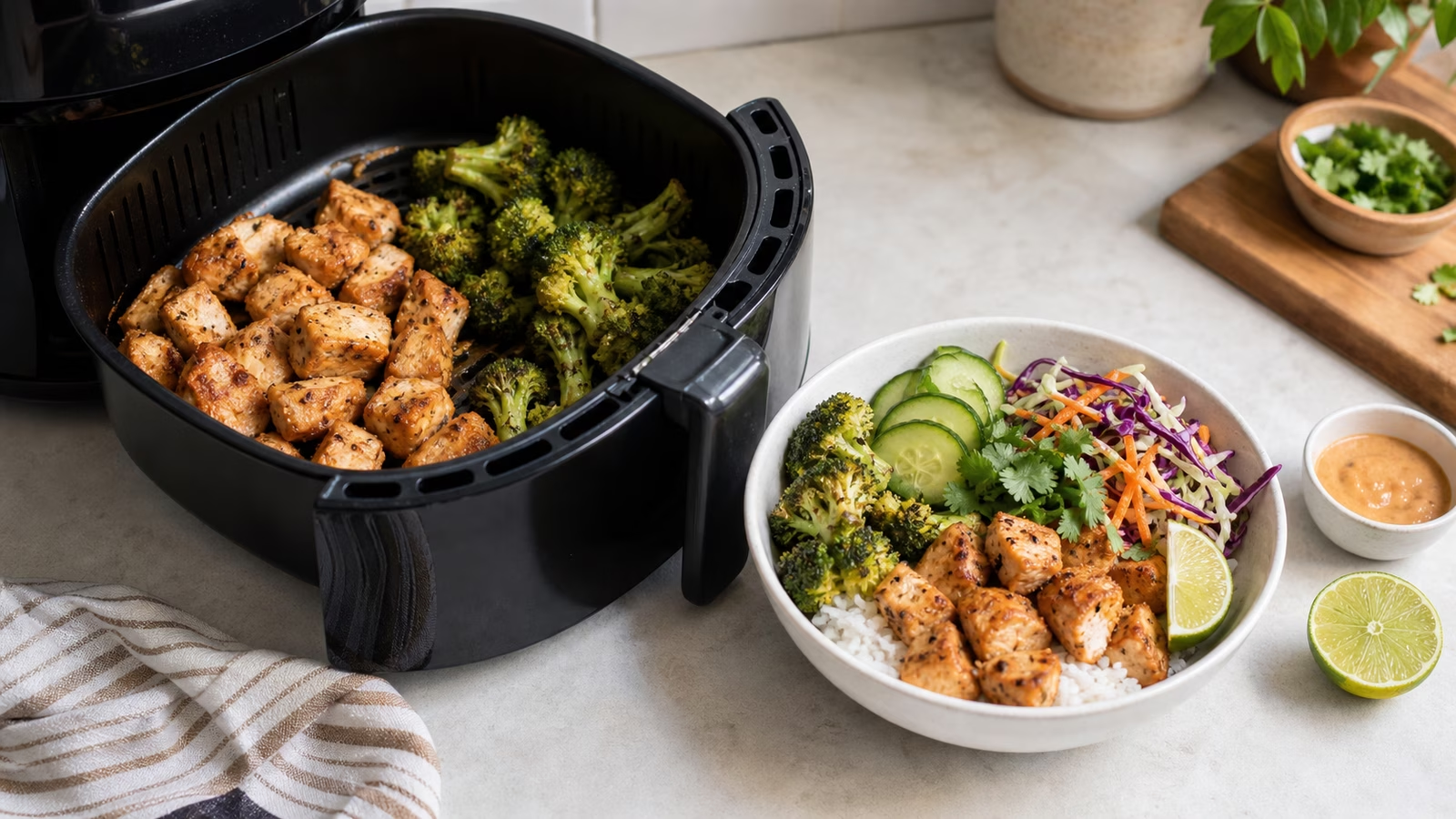
This is not a guide to making every part of dinner in one appliance. That usually produces crowding, uneven cooking, and a bowl that still needs help. The better use is narrower. Let the air fryer handle the components that benefit from dry heat: bite-size chicken, turkey patties broken into pieces after cooking, tofu cubes, chickpeas, potatoes, broccoli, cauliflower, peppers, green beans, and leftover proteins that need their surface restored. Let the base happen somewhere dependable, often with the same quiet logic as Rice Cooker Boy Kibble . Then assemble the bowl with something fresh, something saucy, and enough contrast that the meal feels cooked rather than merely warmed.
The Air Fryer Is a Texture Tool
The useful thing about an air fryer is not speed by itself. A skillet can be fast. Microwave rice can be faster. The useful thing is concentrated dry heat moving around small pieces of food. That movement can brown edges, dry the surface of vegetables, and bring leftover protein back from the refrigerator without making it taste boiled.
Boy kibble needs that because the basic formula leans heavily on soft components. Rice, beans, ground meat, steamed vegetables, and creamy sauces are practical, but they can blur together. Better Boy Kibble Texture covers this problem from the bowl side. The air fryer handles it from the cooking side. Instead of trying to fix a mushy bowl with more sauce, you give at least one component a drier, browned surface before it ever reaches the bowl.
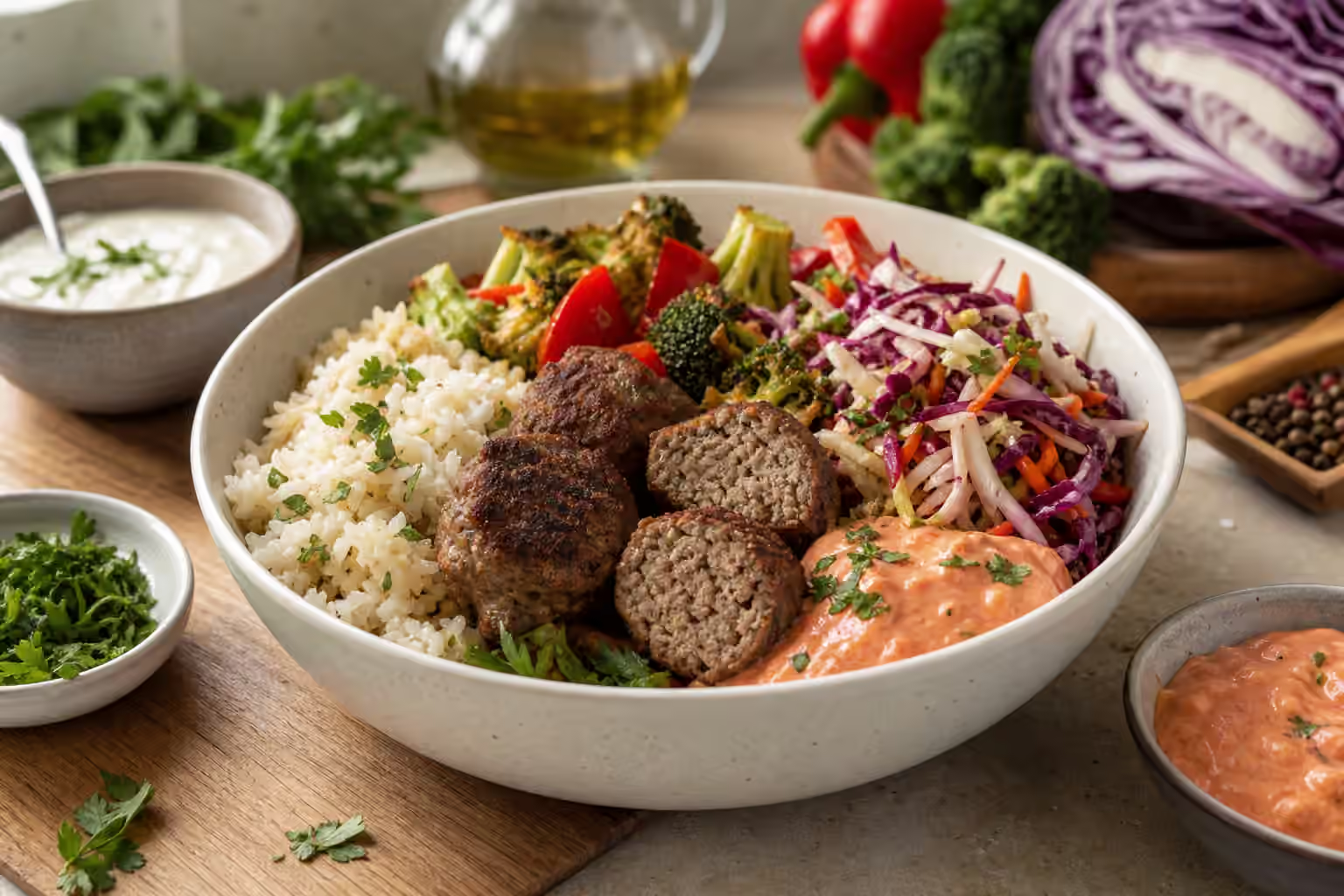
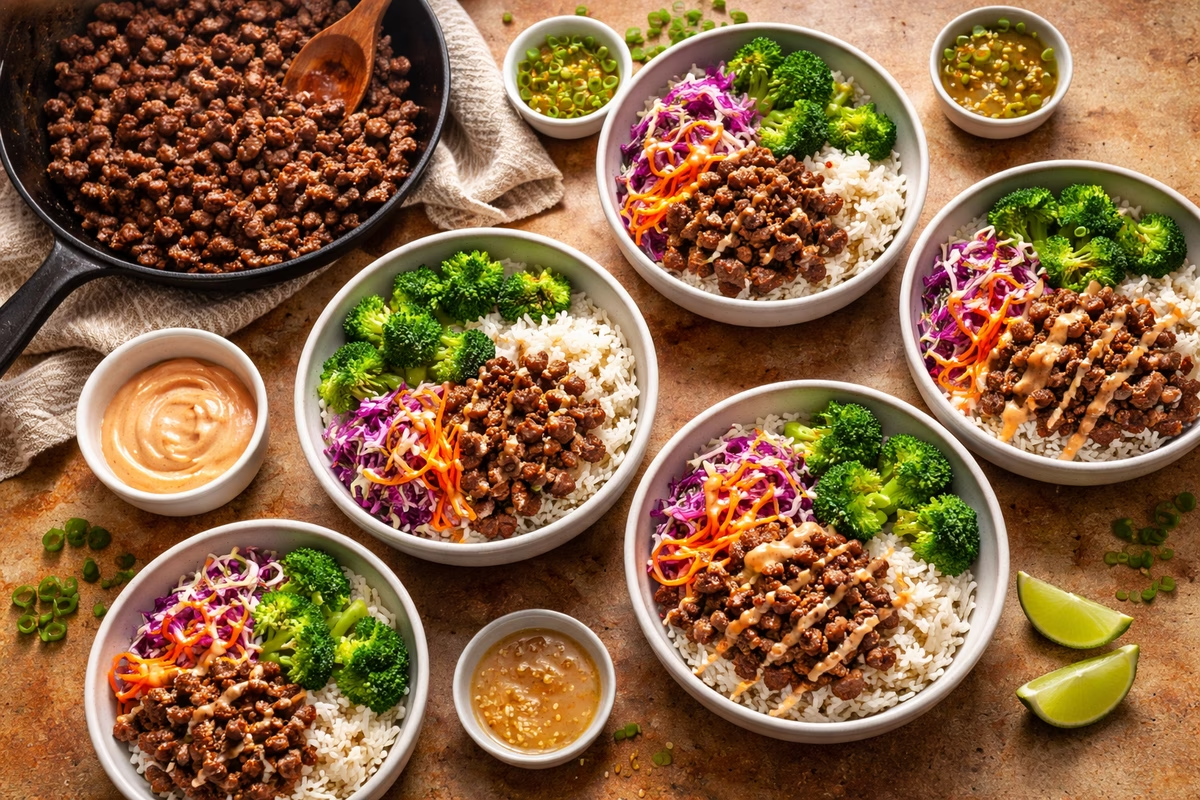
That does not mean everything needs to become crunchy. The goal is contrast. A rice bowl with crisp-edged chicken, roasted broccoli, slaw, and a yogurt sauce has several textures without becoming complicated. A bowl with air-fried potatoes, beans, salsa, cabbage, and a fried egg feels different from the usual meat-over-rice version even though it is still working from the same formula. The appliance is doing one job well, and the rest of the meal is designed around that job.
Small Pieces Beat Big Promises
Air-fryer boy kibble works best when the food is cut for the basket, not for a recipe photo. Large chicken breasts, thick potato wedges, and crowded piles of frozen vegetables make the appliance struggle. Bite-size pieces cook more evenly, season more thoroughly, and fit the bowl better after cooking.
For chicken or turkey, think in small chunks, loose meatballs, thin patties, or pieces that can be broken up after cooking. For tofu, press or pat it dry enough that the surface can brown, then cut it into cubes or slabs. For chickpeas, drain and dry them so they roast instead of steam. For broccoli or cauliflower, keep the florets similar in size and expect some darker tips. That light char can be the whole reason the vegetable finally tastes like part of dinner.
The basket also needs room. If the food is packed into a deep layer, the bottom pieces steam while the top pieces brown. That is not a disaster, but it is not the texture advantage you were trying to get. A single loose layer is ideal. A slightly crowded layer can still work if you shake or turn the food once. A packed basket is asking the air fryer to do the job of a covered pot.
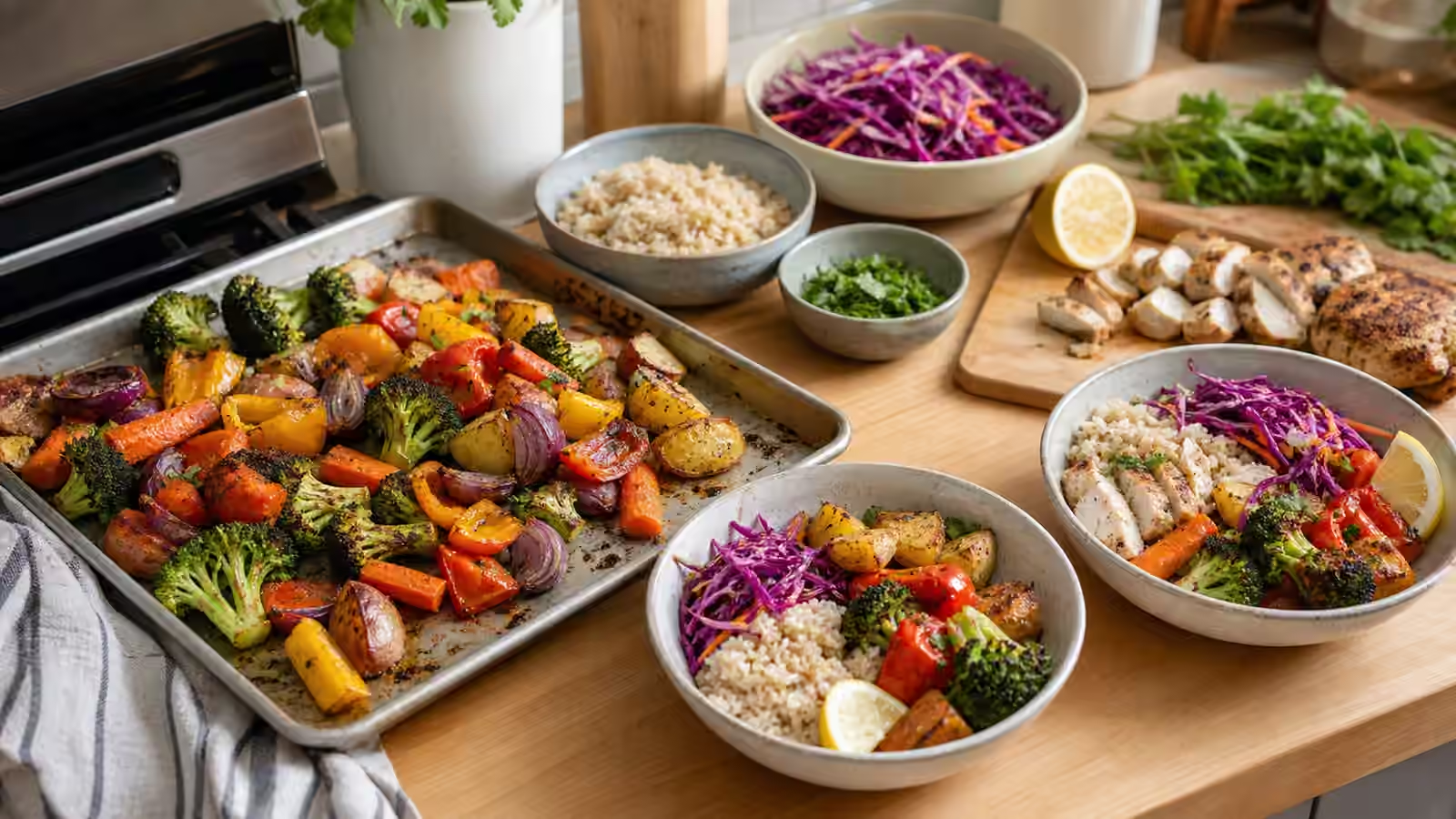
This is where air-fryer cooking differs from One-Pan Boy Kibble . A sheet pan gives you surface area. An air fryer gives you concentrated airflow in a smaller space. Treating those as the same tool leads to disappointment. The air fryer is better for a focused batch of the crisp thing, not for swallowing the entire dinner at once.
Season Before the Basket
Air-fried food can taste oddly plain if it goes in under-seasoned and comes out dry. The dry heat improves texture, but it does not add salt, acid, or a flavor direction on its own. Seasoning still has to happen before the basket or immediately after, while the food is hot enough to absorb the finish.
For chicken, turkey, tofu, potatoes, chickpeas, or vegetables, start with salt and a little oil unless the ingredient is already fatty. Add garlic powder, onion powder, chili powder, curry powder, smoked paprika, soy sauce, mustard, yogurt, or hot sauce only when it fits the bowl you are building. The point is not to empty the spice cabinet. The point is to choose the same lane the finished bowl will follow.
A taco-ish bowl might use chili powder, cumin, garlic, rice, cabbage, salsa, lime, and a creamy finish. A soy-lime bowl might use soy sauce, ginger, broccoli, cucumber, green onion, and chili crisp. A burger-ish bowl might use seasoned turkey patties, potatoes, pickles, lettuce, and a quick sauce. Those choices are the same discipline described in How to Season Boy Kibble Before the Sauce Goes On . The air fryer changes the heat source, not the need for a coherent flavor lane.
Wet marinades need restraint. A little yogurt, soy sauce, mustard, or hot sauce can help seasoning cling, but a dripping marinade can burn on the basket and prevent browning. If the food looks wet enough to leave a puddle, blot it lightly or let the extra liquid drain before cooking. Sauce is still welcome. It just usually belongs after the hot air has done its work.
Cook the Base Separately
The easiest way to make air-fryer bowls stressful is to expect the air fryer to provide the whole meal while the rice is still uncooked. Start the base first. Rice, potatoes, tortillas, greens, noodles, beans, or leftover grains all work, but they should not be an afterthought.
Rice is the obvious partner because it can cook while the basket runs. If you have a rice cooker, start it before prepping the protein. If you are using microwave rice, save it for the end so it does not sit around drying out. If potatoes are the base, the air fryer can cook them, but then the protein or vegetable may need another heat source or a second batch. That is fine when you have time. On a normal weeknight, it is often better to let the air fryer make the crispy component and keep the base boring.
This is also where Boy Kibble Bases helps. The air fryer does not require rice. Crisp potatoes with turkey and slaw count. Chickpeas over greens with cucumber and yogurt sauce count. Tofu with noodles and roasted broccoli counts. The formula is still protein, base, plant, sauce, and finish. The air fryer simply gives one or two of those parts a better surface.
Vegetables Need Different Treatment Than Protein
Vegetables can be excellent in the air fryer, but they are not all the same. Broccoli, cauliflower, carrots, green beans, Brussels sprouts, peppers, onions, zucchini, potatoes, sweet potatoes, and corn all behave differently because they carry different amounts of water and sugar. The practical question is not whether a vegetable can be air-fried. It is whether the air fryer improves it for the bowl you are making.
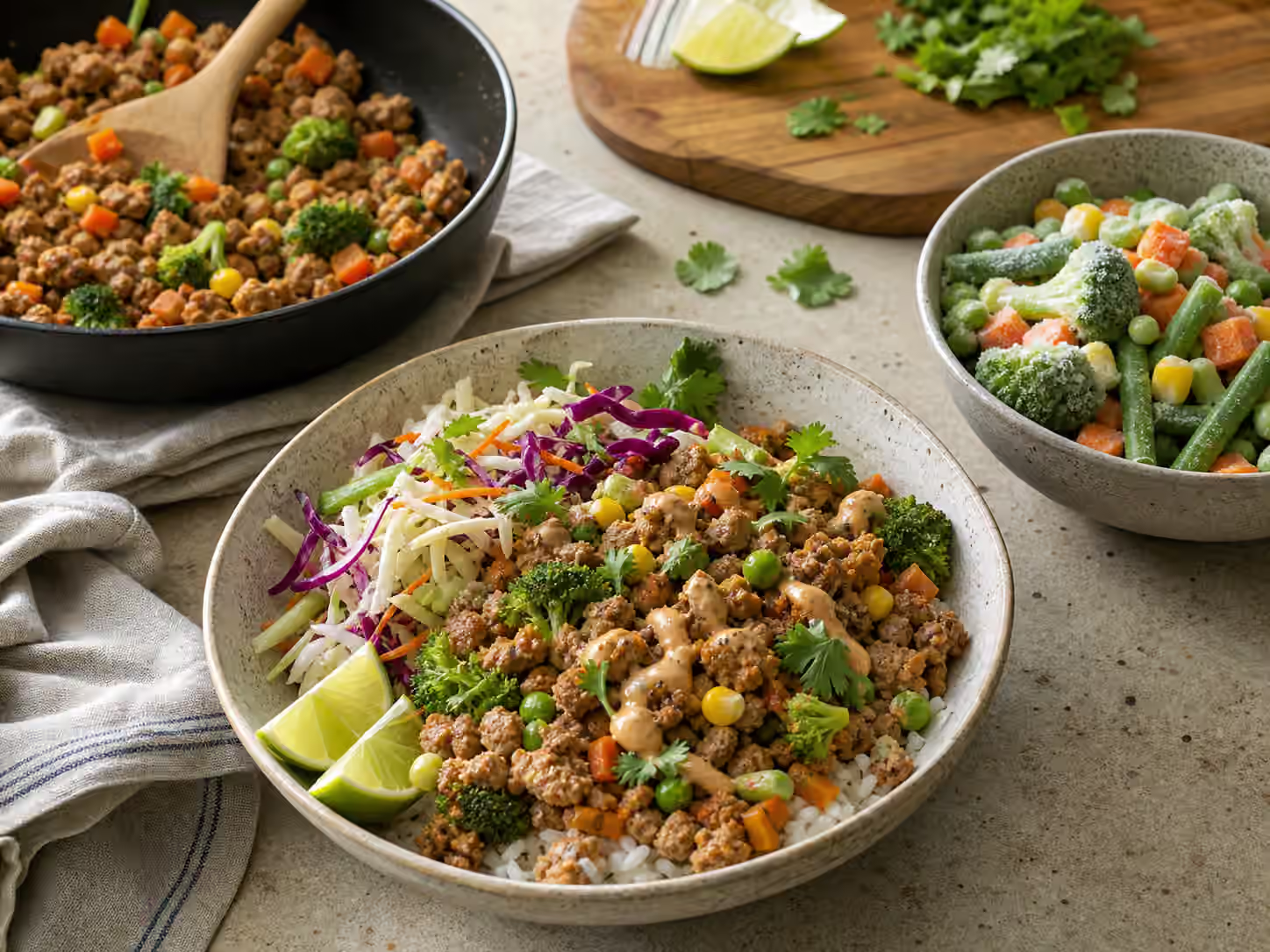
Broccoli and cauliflower are strong choices because browned tips give them a nutty flavor and enough structure to survive sauce. Potatoes are useful because they make a bowl feel like dinner even when rice sounds dull. Peppers and onions soften quickly and can become a flavorful layer for taco or burger bowls. Zucchini can work, but it releases water easily, so it needs space and a hot basket. Frozen vegetables can work too, but they often need a few extra minutes for steam to leave before browning begins.
Do not ask the vegetable to do every job. If the air-fried broccoli is hot and browned, the bowl may still need a cold crisp element. Cabbage, cucumber, pickles, herbs, lettuce, or slaw can make the cooked vegetable taste better by contrast. That is the same habit behind Vegetables for Boy Kibble : choose vegetables for the job they do, not because a bowl needs a token green thing.
Reheating Is One of the Best Uses
The air fryer may be even better at leftovers than first cooking. Refrigerated chicken, tofu, potatoes, and roasted vegetables often lose their best texture overnight. A microwave makes them hot, but it can also make them limp. A skillet works, but it asks for attention and another pan. The air fryer can restore the surface while the rice or beans warm separately.
This matters for meal prep because repeated bowls fail when every container eats the same way. If you keep the saucy and crisp parts separate, tomorrow’s bowl has options. Reheat the rice with a splash of water. Warm the protein or potatoes in the air fryer until the edges come back. Add slaw, cucumber, herbs, or pickles cold. Finish with sauce after reheating instead of before. The meal tastes less like a stored container and more like food assembled on purpose.
The same idea supports Leftover Boy Kibble and How to Meal Prep Boy Kibble Without Hating It by Wednesday . You do not need to cook a perfect finished bowl on Sunday. You need components that can recover well. Air-fried pieces are useful when they are stored dry enough to re-crisp and not buried under wet sauce from the start.
Know What Not to Air-Fry
Some boy kibble components do not belong in the basket. Loose cooked rice blows around, dries out, or falls through depending on the tray. Thin sauces burn or make cleanup worse. Leafy greens can become papery. Very wet vegetables steam before they brown. Ground meat crumbles can fall through slots unless shaped first or cooked in a liner designed for the appliance.
That does not make the air fryer limited. It makes it specific. Shape loose ground meat into small patties or meatballs, cook them, then break them into the bowl if you want a ground-meat feel. Keep sauce for the end. Use the microwave, rice cooker, or skillet for the parts that need moisture. Use the air fryer for the parts that are better with dry heat.
Food safety still matters. Cook poultry until it is done all the way through, and use a thermometer when the shape or thickness makes guessing unreliable. Ground meat has its own safe endpoint. Leftovers should be cooled and stored with normal care, then reheated until properly hot. The air fryer can make food look browned before the center is ready, especially when pieces are large, so do not treat color as the only signal.
The Bowl Still Needs a Finish
An air fryer can make the main components better, but it cannot finish the bowl for you. Crisp chicken over rice with roasted broccoli still needs sauce, acid, freshness, or crunch. Otherwise it becomes a dry meal that happens to have nice edges.
This is where Sauces and Toppings That Save Boy Kibble from Sadness comes back into the picture. Yogurt sauce, salsa, hot sauce, soy-lime dressing, chili crisp, tahini, burger sauce, pickles, lime, herbs, slaw, cucumber, and sesame can turn the crisp component into a complete bowl. The finish should answer what the cooked parts lack. If the protein is lean, add creaminess. If the potatoes are heavy, add acid. If the broccoli is bitter at the edges, add something bright or lightly sweet. If the whole bowl is crunchy and dry, add a sauce with body.
The best air-fryer boy kibble does not feel like appliance food. It feels like a practical bowl with one part cooked especially well. That is enough. Let the air fryer make the crisp thing, let the base carry the meal, and let the finish keep it from becoming another container of plain protein and starch.