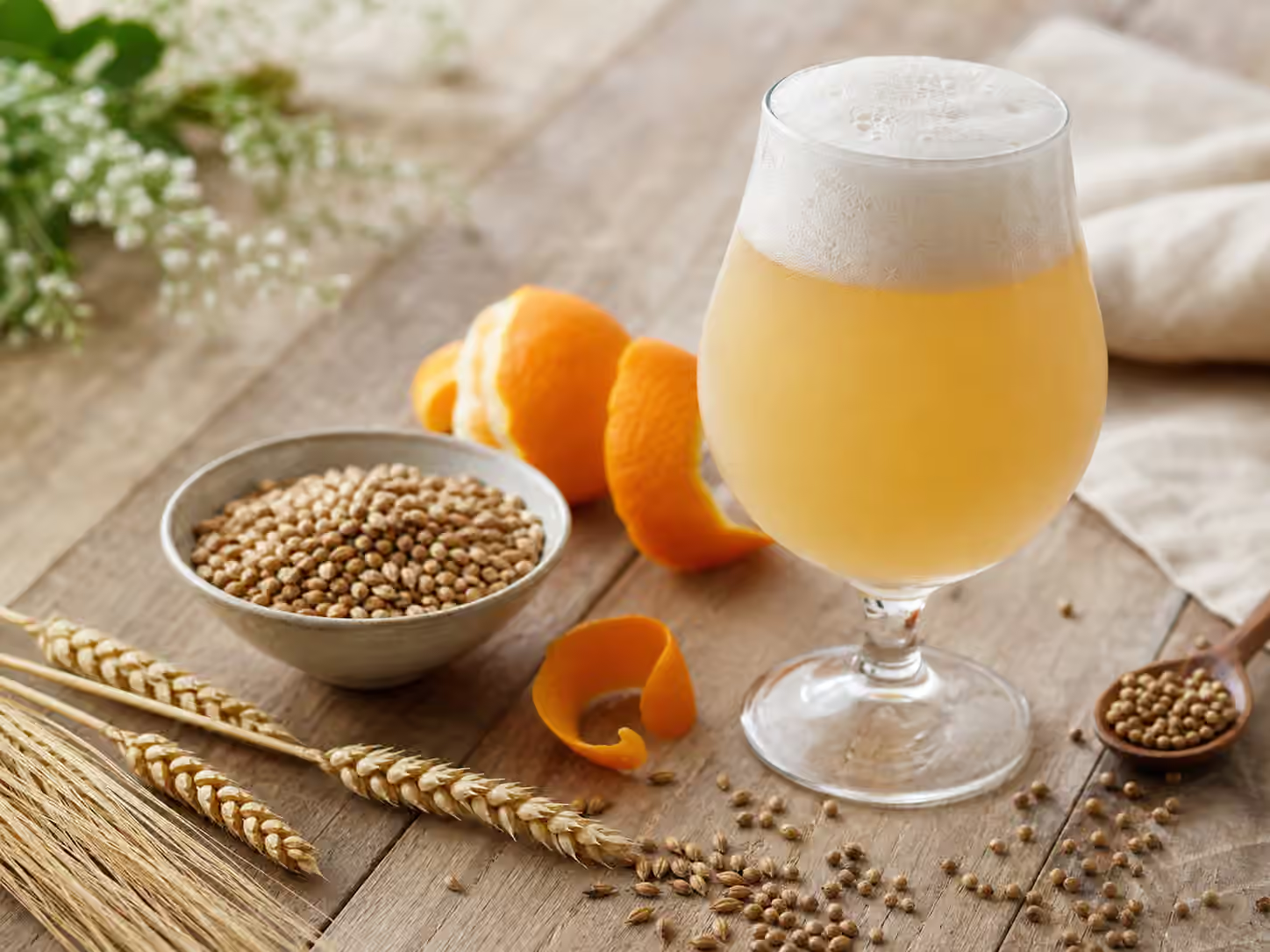
Wheat beer is where many beer drinkers first learn that haze can be intentional, foam can be part of flavor, and yeast can smell like fruit and spice without fruit or spice being added. A cloudy golden hefeweizen, a pale witbier with coriander and orange peel, a clean American wheat ale, and a tart Berliner-style wheat beer may all share wheat in the grain bill, but they do not behave like one style. Wheat is a foundation. Yeast, fermentation, acidity, carbonation, and serving decide the rest.
The Beer Styles Guide gives wheat beers a place among lagers, pale ales, stouts, sours, and Belgian styles. This guide slows down on the wheat family because it teaches several useful beer ideas at once. It connects Understanding Malt to softness and foam, Understanding Yeast to banana, clove, pepper, and citrusy aroma, and Beer Color and Clarity to the difference between deliberate haze and a beer that simply looks unsettled.
What Wheat Changes
Barley is the usual base for beer, but wheat has its own texture. It brings pale grain flavor, a soft body, a gentle dough-like note, and proteins that help build foam and haze. In many wheat beers, the flavor of the grain is not loud. It works more like fabric than paint. It changes how the beer holds together, how the bubbles rise, and how the finish feels.
That softness is easiest to notice when wheat beer is compared with a very clean pale lager. A pilsner may feel crisp, defined, and snappy. A hefeweizen or witbier may feel rounder and more pillowy even at a similar strength. The difference is not just sweetness. It is texture. Wheat can make a beer feel fuller without making it heavy, especially when high carbonation keeps the glass bright.
Wheat also helps foam. A tall white head on a hefeweizen is not decoration added for photographs. It carries aroma, protects the surface, and changes the first sip. The Beer Carbonation and Foam guide explains the mechanics, but wheat beer makes the lesson visible. Pour one too timidly and it can seem trapped. Pour one with a proper head and the beer opens.
Hefeweizen Is A Yeast Lesson
German-style hefeweizen is the classic cloudy wheat beer. The word points to yeast in suspension, and the glass often shows a pale gold body with a dense haze and a tall cap of foam. The signature aromas are banana and clove, sometimes with bubble gum, vanilla, light citrus, or bread dough around the edges. Those notes come from yeast behavior rather than a fruit basket or spice jar.
Balance matters. Too much banana can make the beer taste sweet and heavy. Too much clove can make it seem sharp or medicinal. A well-made hefeweizen lets fruit, spice, wheat softness, and carbonation move together. It should be expressive but still refreshing. The bitterness is usually low because hops are not the main event. The finish should clear enough that the beer remains drinkable.
Dunkelweizen uses a similar yeast language with darker malt. The result can taste like banana bread, light chocolate, caramel, clove, and toasted grain while still carrying wheat softness. Weizenbock strengthens the idea, adding more alcohol and malt depth. Those stronger versions belong near the conversation about Beer Strength, Body, and Balance because wheat beer is not always light just because it is cloudy and foamy.
Witbier Uses Wheat In A Different Accent
Belgian-style witbier is another pale, cloudy wheat beer, but it speaks differently. It often uses unmalted wheat, lively carbonation, a soft body, and additions such as coriander and orange peel. The best examples are not sweet orange soda. They are dry, lightly spicy, citrusy, and refreshing, with a pale haze that fits the style.
Witbier shows why ingredient words on a label need context. Orange peel does not have to taste like juice. Coriander does not have to taste like a spice cabinet. In a balanced wit, those additions support the yeast and wheat. They make the beer seem brighter and more aromatic without taking over. Beer Adjuncts and Specialty Ingredients is useful here because wheat beer often includes ingredients that work best when they are integrated rather than obvious.
American wheat ale is usually cleaner. It may use ale yeast without the strong banana and clove profile of hefeweizen, and it may show more neutral grain, light hops, and an easy finish. Some versions add citrus, fruit, or dry hopping. These can be pleasant, but the same tasting question applies: does the addition help the beer, or does it cover a thin base?
Haze, Sediment, And The Pour
Wheat beer is a good antidote to the idea that clear beer is always better. In hefeweizen, witbier, and many bottle-conditioned wheat beers, haze belongs. It comes from yeast, wheat proteins, and serving choices. The haze should usually look even and alive, not chunky or strange. If the beer smells fresh, tastes integrated, and fits the style, cloudiness is part of its identity.
Sediment may be present in bottles or cans, especially with naturally conditioned beer. How much to include is a matter of style and preference. Many hefeweizen drinkers swirl the last bit of beer to lift yeast into the glass. That can increase haze, aroma, and texture. In a delicate witbier, you may prefer a gentler pour. In an unfamiliar bottle, pour most of the beer first, taste it, and then decide whether the cloudy final ounce belongs in your glass.
This connects to Serving and Storage . Wheat beers generally want freshness, lively carbonation, and a glass that gives foam somewhere to rise. A narrow weizen glass is useful for hefeweizen because it makes room for the head and concentrates aroma. A tulip or stemmed glass can work well for witbier, stronger wheat beers, and mixed-fermentation wheat styles. A shaker pint will hold liquid, but it may not show the beer at its best.
Sour Wheat Beers Are Their Own Branch
Berliner-style wheat beer and gose use wheat in a tart frame. The wheat provides pale softness while acidity supplies brightness. Gose often adds salt and coriander, which can make the beer feel more refreshing when handled with restraint. These beers overlap with the sour family, so Sour Beer: Acidity, Funk, and Fruit Without Guesswork is the better deep dive, but wheat remains important. It gives the acid something gentle to move through.
Modern fruited sour wheat beers can be vivid and enjoyable, but fruit can also hide the base beer. Look for a finish that does not collapse into syrup. The best versions let tartness, fruit, wheat softness, and carbonation stay in proportion. If the beer tastes like a smoothie with alcohol in the background, that may be the intended taproom style, but it is different from the dry, simple refreshment of traditional sour wheat beer.
How To Taste Wheat Beer More Clearly
Start with aroma. In hefeweizen, look for banana, clove, dough, citrus, and a soft grain note. In witbier, look for orange peel, coriander, light pepper, wheat, and a dry finish. In American wheat ale, look for cleaner malt and a more restrained yeast profile. In sour wheat beer, separate lactic tartness from fruit sweetness and salt.
Then notice texture. Wheat beer often teaches through mouthfeel more than through dramatic flavor. Does the beer feel soft or thin? Does foam carry aroma? Does carbonation make the finish lively or harsh? Does haze seem part of the style, or does it come with stale, muddy, or unpleasant flavors? The habits from Beer Tasting 101 apply directly: look, smell, taste, and then pay attention to what remains after the swallow.
Food can make wheat beer easy to understand. Hefeweizen works with sausages, pretzels, roast chicken, salads, brunch dishes, and gentle spice because it brings fruit, clove, and foam without heavy bitterness. Witbier loves seafood, goat cheese, citrusy salads, and lighter fried foods because its spice and acidity brighten the plate. Sour wheat beers can act like lemon and salt beside rich or fried food. The broader Beer and Food Pairing guide gives the larger pattern, but wheat beer is forgiving because it often refreshes without overwhelming.
Wheat beer asks you to trust the cloud, but only when the rest of the glass earns that trust. Haze should have purpose. Foam should help aroma. Yeast character should feel expressive rather than messy. Wheat should bring softness without dullness. Once those ideas are clear, the family stops being a set of cloudy summer beers and becomes one of the best classrooms for how grain, yeast, carbonation, and serving meet in the glass.