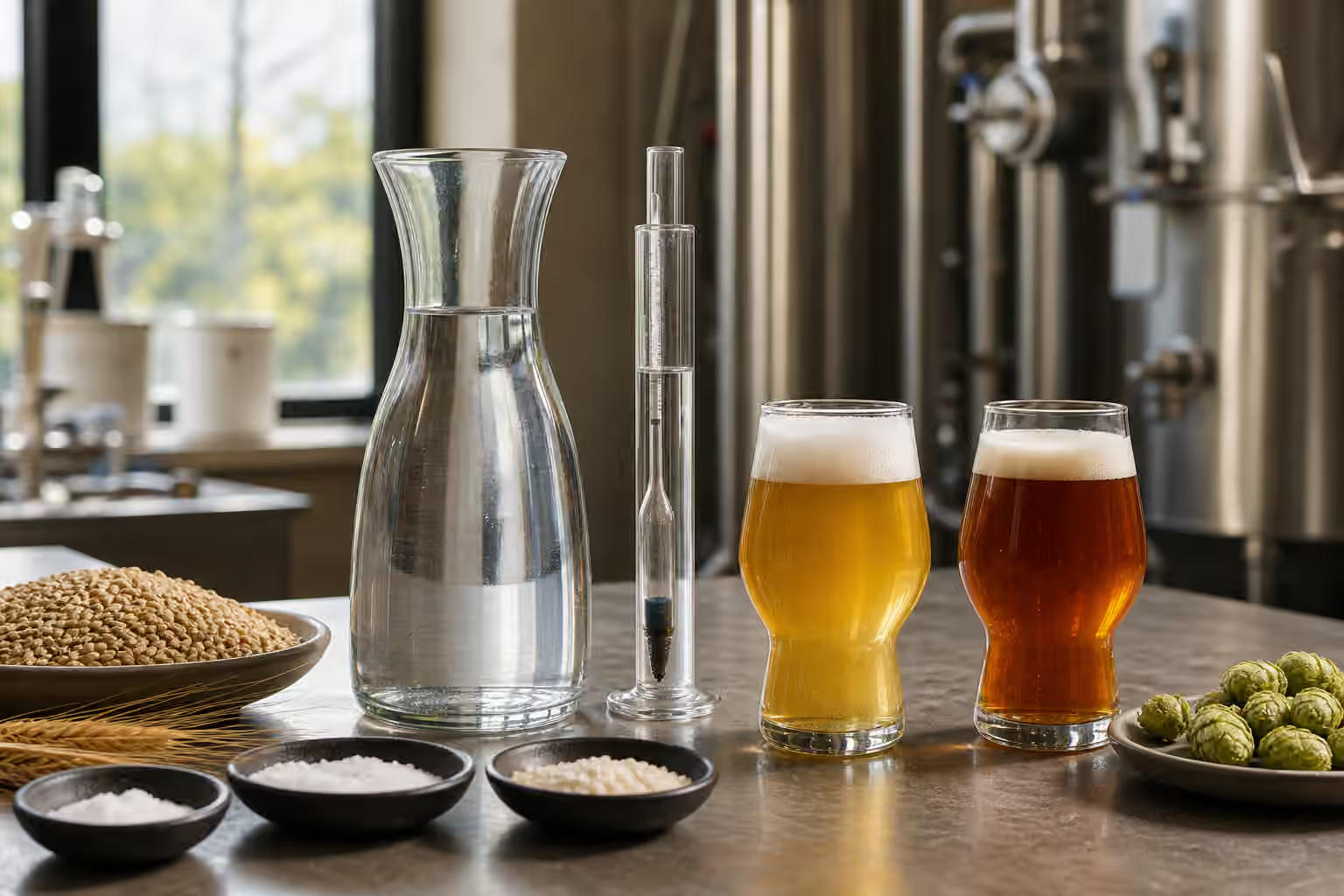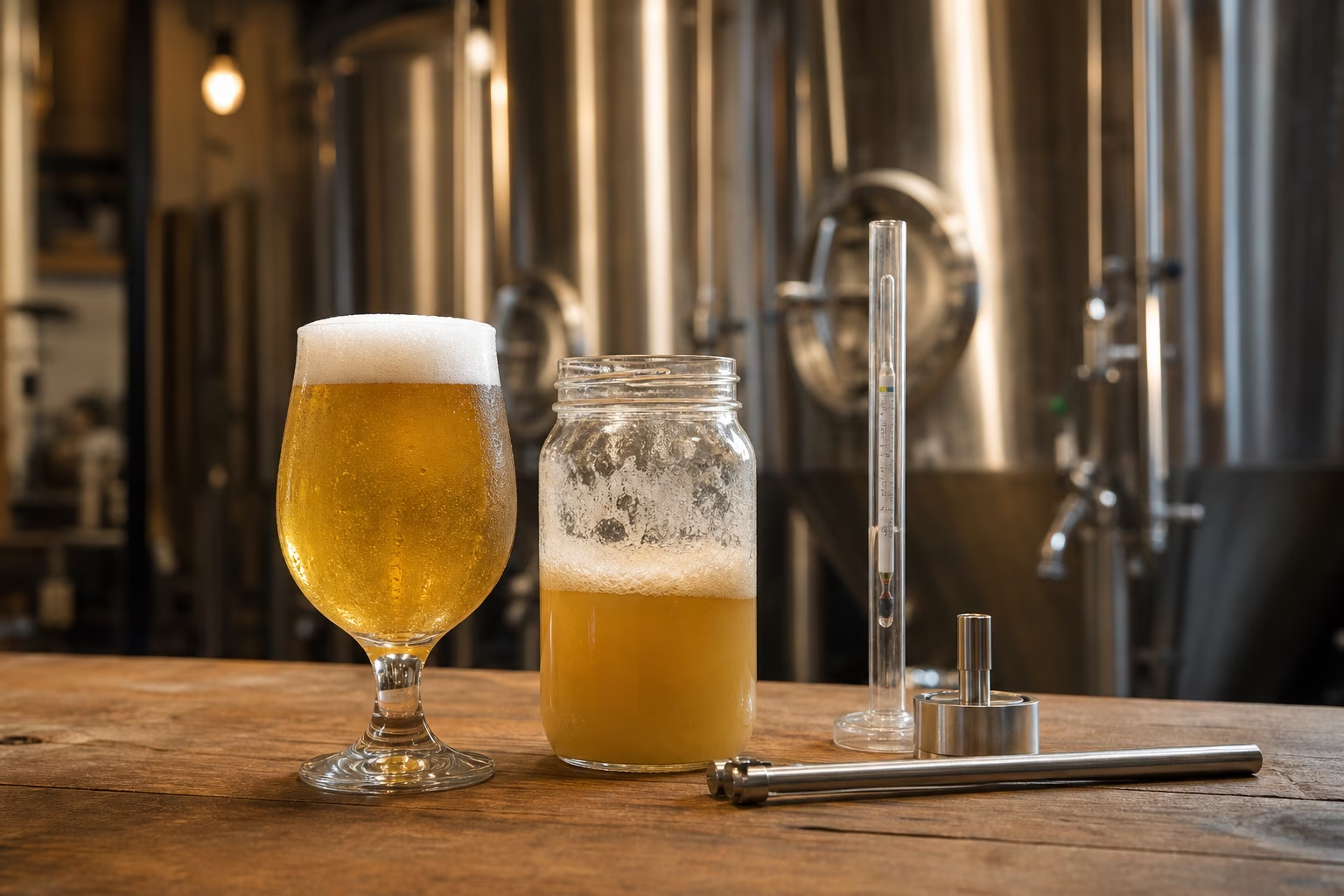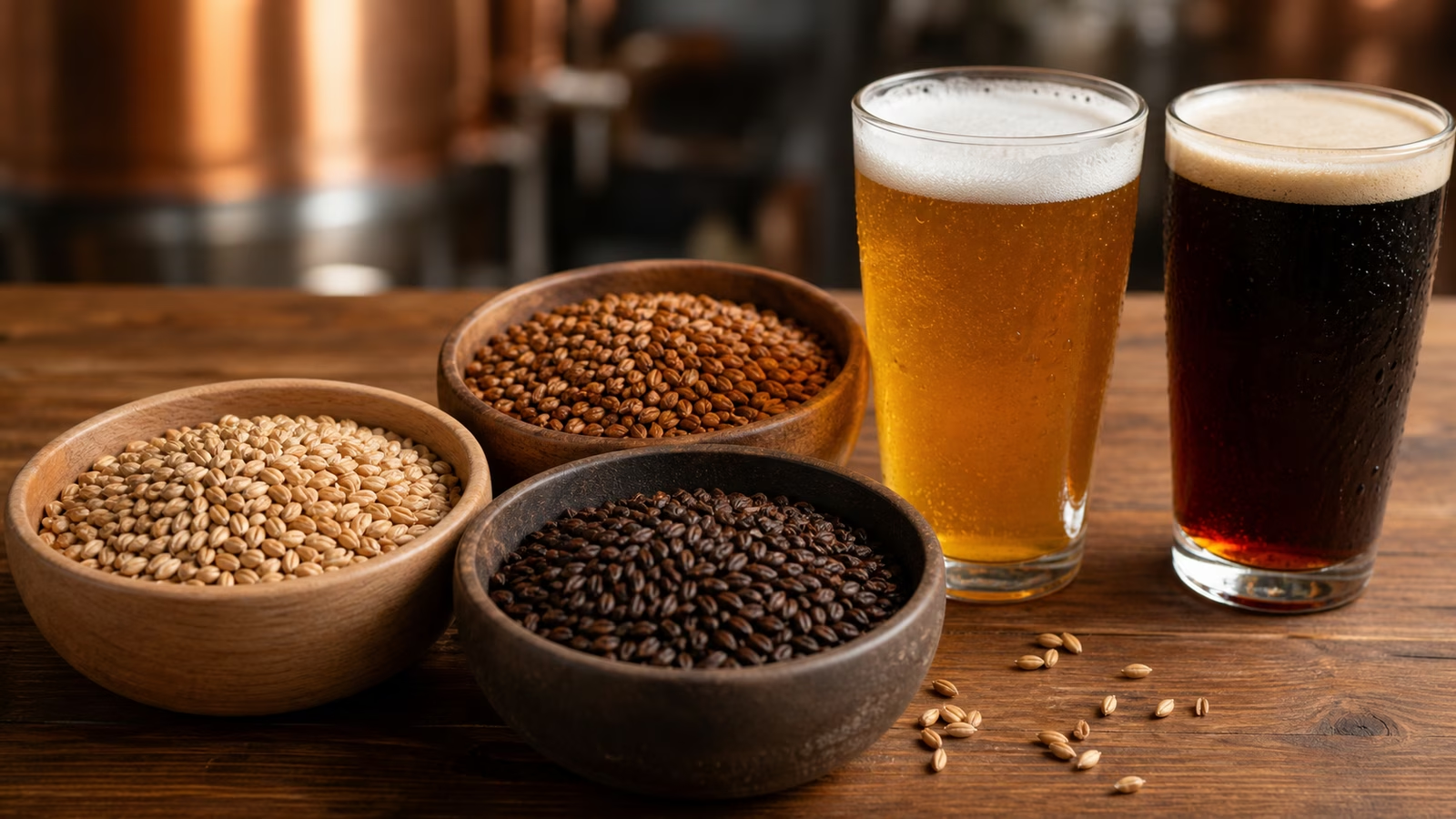
Malt is the quiet engine of beer. Hops get the perfume, bitterness, and modern craft-beer spotlight, but malt gives beer its grain, color, body, foam, sweetness, toast, roast, and much of its sense of fullness. If hops are the bright top notes, malt is the bread on the table. It is the reason a pilsner tastes crisp instead of watery, a brown ale tastes nutty instead of thin, and a stout can feel like coffee, cocoa, and dark toast without containing any of those ingredients.
Learning malt also makes the rest of beer easier to read. When you know what grain is doing, the Beer Styles Guide starts to feel less like a list of names and more like a map of choices. The Understanding Hops guide explains the other obvious half of the balance. Malt explains why that balance has weight, warmth, and a center.
What Malt Actually Is
Most beer malt begins as barley, though wheat, rye, oats, and other grains can also play important roles. Raw barley is not especially useful to a brewer on its own. It holds starch inside a hard seed, and the brewer needs that starch converted into fermentable sugar. Malting prepares the grain for that work.
The maltster starts by steeping barley in water so it begins to germinate. The seed wakes up and produces enzymes that can later break starch into sugar. Before the sprout grows too far and consumes the seed’s stored energy, the maltster dries the grain in a kiln. That drying step stops germination and locks in the enzymes, flavor, and color that the brewer will use later.
This is why malt is not simply grain. It is grain that has been coaxed to the edge of becoming a plant, then dried at the right moment. The brewer crushes it, mixes it with warm water in the mash, and gives those enzymes a chance to turn starch into sugar. Yeast will later ferment much of that sugar into alcohol and carbon dioxide, but not all of malt’s contribution disappears. Some sugars remain. Proteins help foam. Toasted compounds add flavor. Minerals and husk material shape the way the beer feels.
If you read Homebrewing Basics , you will see malt from the brewer’s side. Here, the goal is simpler: to taste what malt is doing in the glass.
Base Malt Is The Foundation
Base malt makes up most of the grain bill in many beers. It provides the majority of the fermentable sugar and usually carries enough enzyme strength to convert itself during the mash. The flavor can be subtle, but subtle does not mean unimportant. A pale lager made with clean pilsner malt has a soft cracker-like grain note. A British bitter built on pale ale malt may taste a little rounder, with biscuit and light toast. A German bock made with Munich malt can feel deeply bready even before any specialty malt appears.
Base malt is often where a beer’s national or regional accent begins. Pilsner malt can taste pale, sweet, grassy, and fresh. Pale ale malt leans warmer and more biscuity. Vienna malt brings honeyed bread crust. Munich malt moves toward toast, amber color, and deeper malt aroma. Wheat malt adds softness, haze, foam, and a gentle dough-like flavor. Rye malt can add dry spice and a slightly slick texture.
These differences are not always loud. In a heavily dry-hopped IPA, base malt may sit behind citrus and tropical hop aroma. In a helles, pilsner, mild, or bock, malt has fewer places to hide. A simple beer is often the best test of malt quality because there is no heavy roast, fruit, spice, or barrel character covering the grain.
Kilning Turns Grain Into Flavor
The kiln is where malt begins to take on personality. Lower heat preserves pale color and gentle grain flavor. Higher heat pushes the malt toward bread crust, biscuit, toast, nuts, caramel, cocoa, and roast. The process is not just about making malt darker. It changes aroma, sweetness, body, and the kinds of flavors that survive into the finished beer.
Lightly kilned malt gives pale beers their clean foundation. It can suggest flour, fresh bread dough, crackers, hay, honey, or cereal. These notes are easy to miss when beer is served too cold, which is one reason the Beer Tasting 101 habit of slowing down and smelling first matters. Let a pale lager warm a few minutes and the malt often becomes more visible.
Toasted malts move the flavor toward crust rather than crumb. Biscuit malt, victory malt, amber malt, and similar styles can make beer taste like toast, dry crackers, nuts, or baked bread. They are powerful in small amounts. Too much can make a beer taste harsh, dusty, or overly dry, but a careful amount gives pale ale, brown ale, porter, and amber lager a sense of depth.
Crystal and caramel malts are made differently. The starches inside the moist grain are converted and then heated so sugars form caramelized flavors within the kernel. In beer, these malts can taste like caramel, toffee, raisin, burnt sugar, honeycomb, or dark fruit, depending on how dark they are. They also tend to add body and residual sweetness because some of their sugars are less fermentable. Used well, they round out bitterness and make a beer feel complete. Used heavily, they can make a beer seem sticky, sweet, or old-fashioned in a way that buries hop freshness.
Roasted malts are the darkest part of the malt family. Chocolate malt, black malt, roasted barley, and similar grains create flavors of coffee, cocoa, espresso, char, burnt toast, and sometimes a dry, almost ashy edge. They are essential to many stouts and porters. They also have to be handled with care. A little roast can give structure and aroma. Too much roast can scrape across the palate and turn a beer from rich to acrid.
Color Is A Clue, Not A Verdict
Malt is the main reason beer ranges from pale straw to black. A small amount of dark malt can tint an entire batch, so color gives useful clues, but it does not tell the whole story. Dark beer is not automatically strong. Pale beer is not automatically light in alcohol. A black dry stout may be modest and drinkable, while a golden Belgian tripel can be strong, warming, and complex.
What color does tell you is the likely direction of malt flavor. Pale gold often suggests grain, cracker, honey, or soft bread. Amber points toward toast, caramel, and bread crust. Brown suggests nut, cocoa, toffee, and deeper baked flavors. Black invites roast, coffee, dark chocolate, and char. Those are expectations, not rules, but they help you orient yourself before the first sip.
Clarity and color also change how we imagine flavor before tasting. A clear amber lager may make you expect smooth malt and toasted bread. A hazy pale beer may make you expect softness and hop aroma. A dense black stout may make you brace for roast. Good tasters notice those expectations without being trapped by them. The glass gives clues, then the aroma and flavor confirm or correct the first impression.
Malt Shapes Body And Balance
Malt is not only a flavor ingredient. It changes the feel of beer. Body comes from alcohol, proteins, dextrins, carbonation, and finishing gravity, but malt selection plays a major role. A beer with more unfermentable dextrins can feel fuller and rounder. Wheat and oats can add softness and foam. Highly fermentable malt bills can finish dry and lean.
This matters because bitterness needs something to push against. A very bitter beer with little malt support can feel sharp, thin, or metallic. A sweet beer with little bitterness, acidity, or roast can feel heavy and dull. Balance does not mean equal parts malt and hops. It means each part has enough structure for the style. A West Coast IPA can be bitter and still balanced if the malt gives it a clean base and a dry finish. A doppelbock can be malt-saturated and still balanced if fermentation keeps it from becoming syrupy.
Malt also decides how beer works with food. Toasted malt loves browned food because both share roasted and Maillard flavors. Amber lagers make sense with pretzels, roast chicken, sausages, and grilled vegetables. Dark mild, porter, and stout can match mushrooms, braised meat, chocolate, coffee desserts, and smoky flavors. Pale malt and wheat do better when the food is lighter, salty, fresh, or bright. The Food & Beer Pairing guide builds from the same idea: match weight with weight, then decide whether the beer should echo the food or cut through it.
How To Taste Malt More Clearly
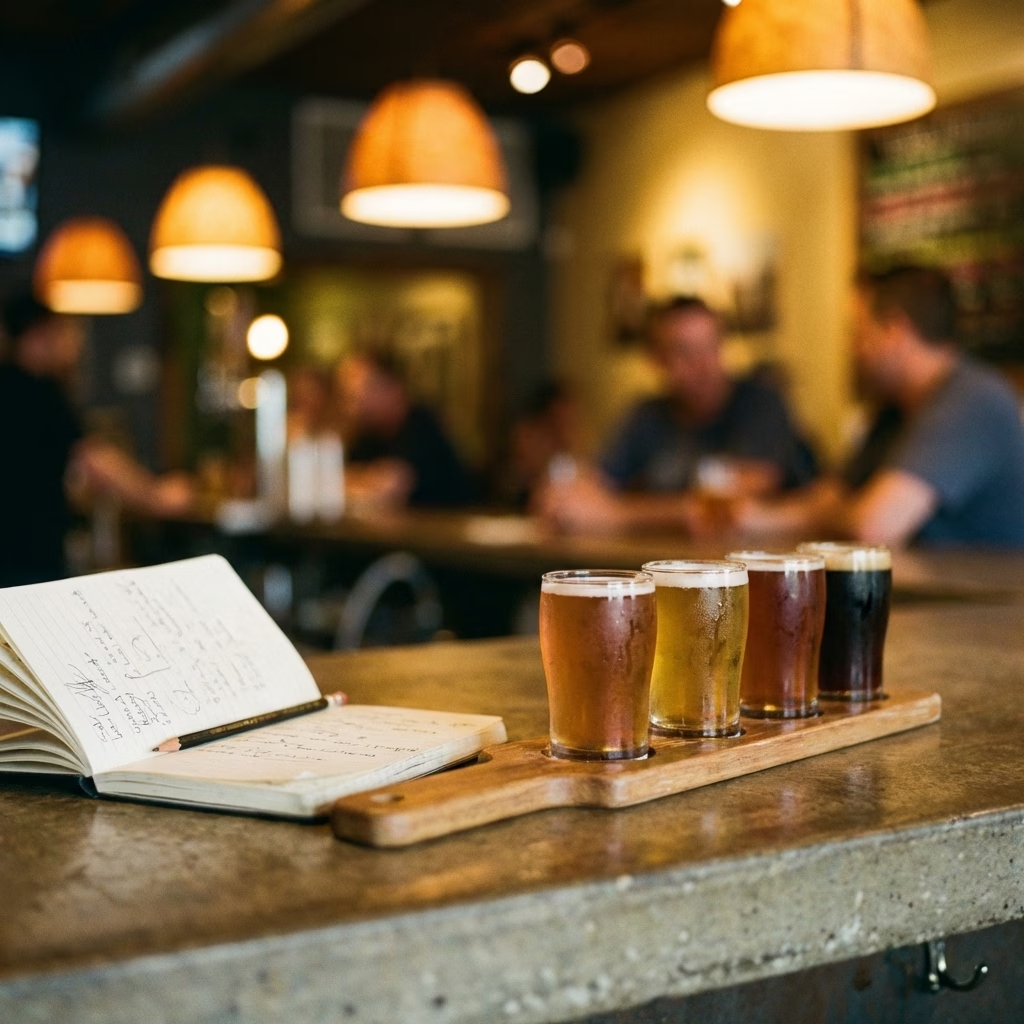
The easiest way to learn malt is to taste beers in pairs. Put a pale lager beside an amber lager and ask what changed. The amber beer will usually show more bread crust, toast, or caramel. Put a brown ale beside a porter and notice where nutty malt gives way to chocolate and roast. Put a dry stout beside a sweet stout and pay attention to the difference between roasted bitterness and residual sweetness. Do not rush toward technical vocabulary. Ordinary words like bread, cracker, toast, caramel, coffee, cocoa, nut, cereal, honey, and burnt crust are useful because they connect flavor to memory.
Temperature helps. Very cold beer hides malt. A pilsner can be refreshing straight from the fridge, but its grain character often appears as it warms slightly. Stronger and darker beers usually need more warmth before their malt opens fully. That does not mean serving everything warm. It means giving the beer enough temperature to smell like itself.
Freshness matters too. Oxidation can turn malt flavors papery, honeyed, stale, or sherry-like. In certain strong beers, age can add pleasant dried fruit and rounded caramel. In everyday pale, amber, and hoppy beers, stale malt character usually makes the beer taste tired. If you are unsure whether you are tasting malt depth or age damage, compare a fresh can of a familiar style with an older one. The difference teaches quickly, and the Beer Off-Flavors guide gives names to the problems.
Reading A Beer Through Malt
Once malt becomes visible to you, beer labels and tap lists become easier to decode. Words like pilsner, helles, amber, maerzen, bock, brown ale, porter, stout, mild, Scotch ale, barleywine, and dunkel all carry malt expectations. Even hop-forward styles have malt choices hiding underneath them. A hazy IPA often uses pale malt with wheat or oats for softness. A West Coast IPA usually wants a cleaner, drier malt base so bitterness snaps into place. A red IPA may add caramel and toast to give the hops a deeper frame.
Malt is not better when it is louder. Some of the best malt work is quiet, especially in pale lagers and balanced ales. The grain note is clean, the sweetness is controlled, the finish is dry enough, and the body feels right for the style. You may not think about malt while drinking those beers, but you would miss it if it were gone.
The point is not to turn every glass into homework. It is to make beer more legible. When you can taste malt, you can explain why one amber ale feels smooth and another feels sugary, why one stout tastes like coffee and another like burnt toast, why one pilsner feels crisp rather than empty, and why hops need a base to stand on. Malt is beer’s foundation, but it is not silent. It speaks in bread, crust, roast, sweetness, grain, foam, and finish. Once you hear it, many beers become easier to understand.