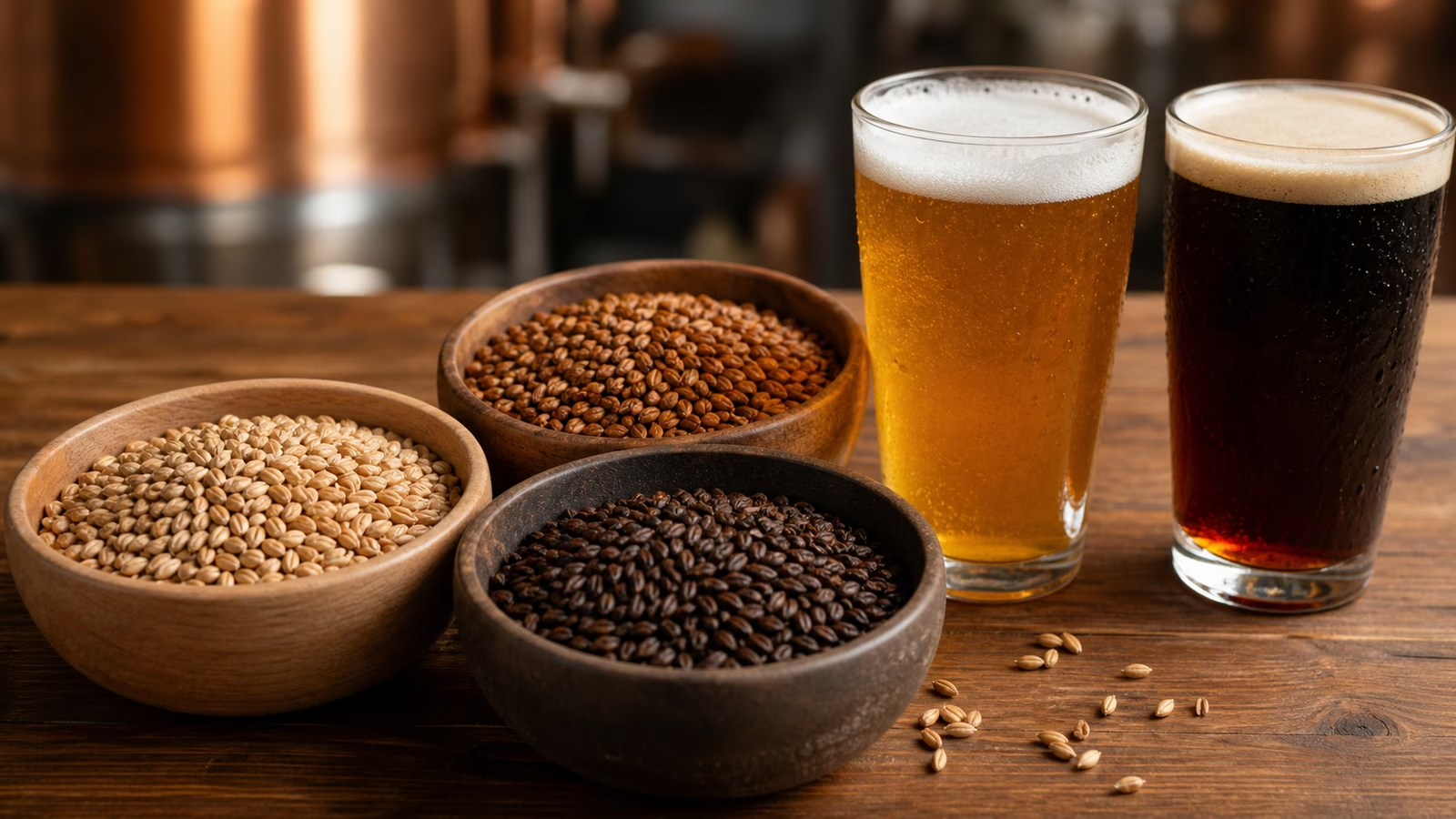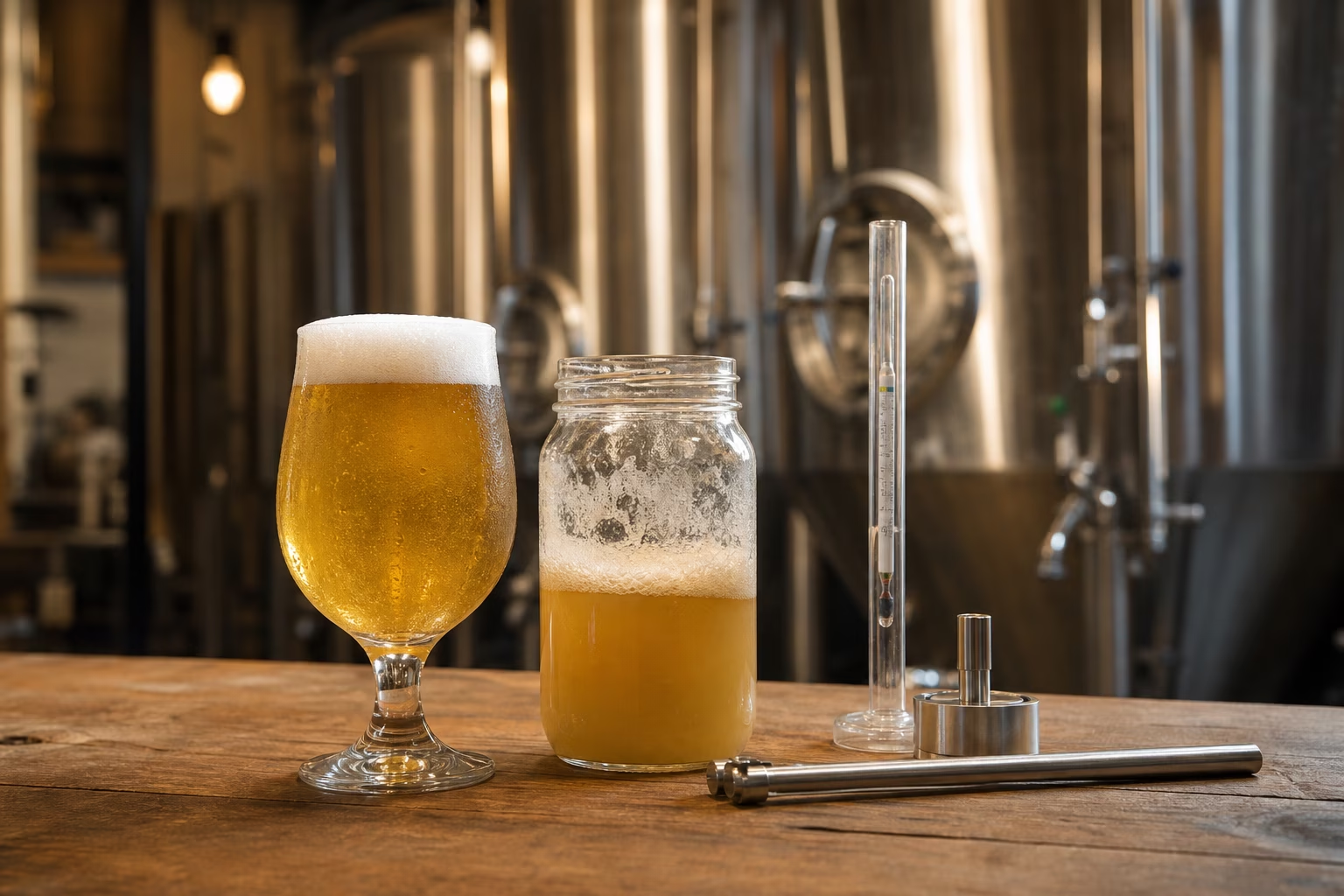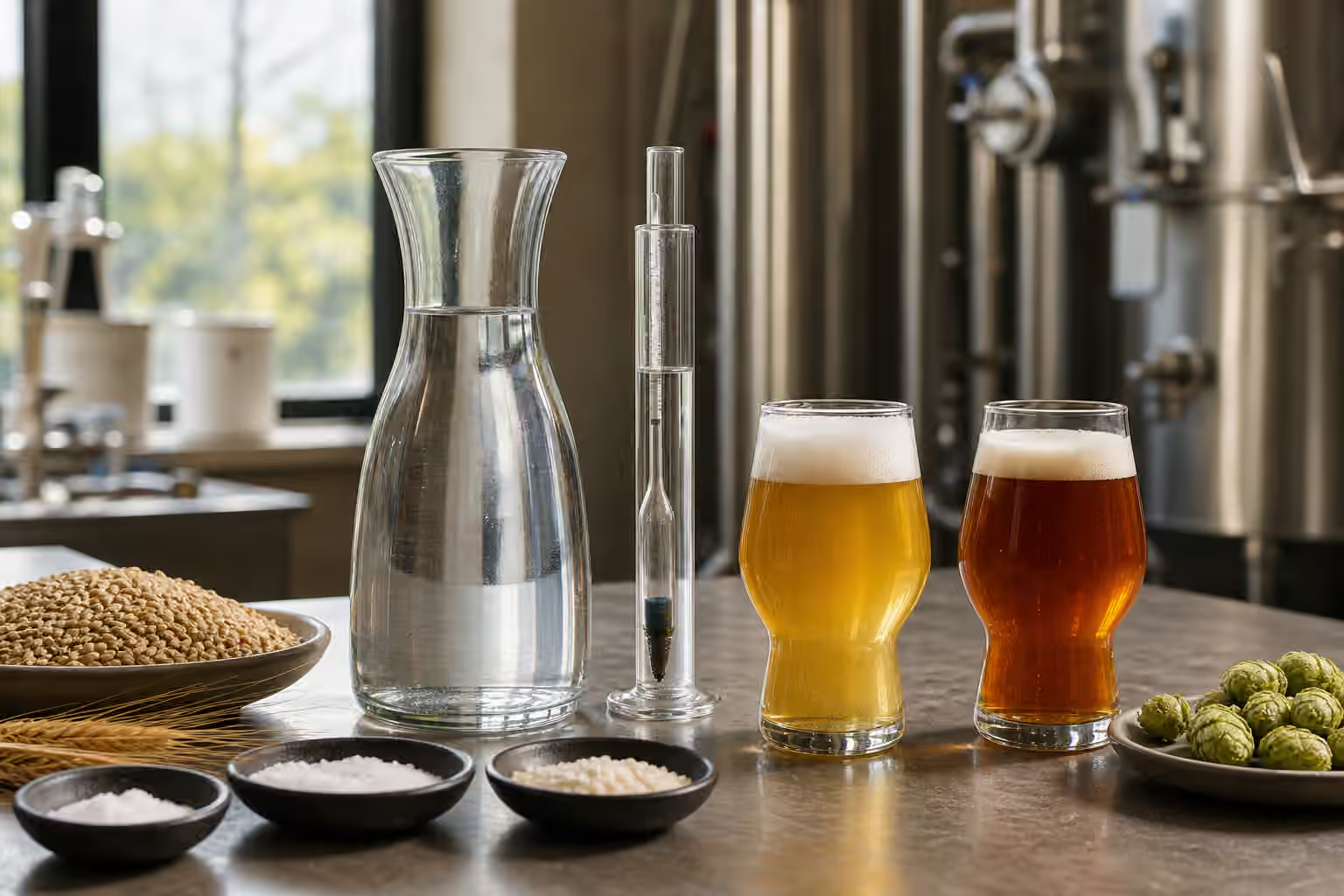
Water is the beer ingredient that hides in plain sight. It makes up most of the glass, yet it is easy to treat it as neutral space between the obvious flavors. Malt gives bread, roast, color, and body. Hops give bitterness, flowers, herbs, citrus, pine, and fruit. Yeast turns sweet wort into beer and leaves its own fingerprints on aroma, dryness, carbonation, and texture. Water seems quieter than all of that, but quiet does not mean passive.
The easiest way to understand brewing water is to think of it as structure. It can make hop bitterness feel crisp or harsh, malt feel round or muddy, roast feel smooth or sharp, and pale beer feel snappy instead of thin. It also shapes the mash long before the beer reaches the glass. A brewer can choose beautiful malt, expressive hops, and healthy yeast, but if the water fights the recipe, the beer can seem less focused than it should.
This guide completes the ingredient picture started by Understanding Malt , Understanding Hops , and Understanding Yeast . You do not need a chemistry degree to taste what water is doing. You only need a few reliable ideas: minerals matter, mash pH matters, style history matters, and too much adjustment can be worse than none.
Water Is Not Empty
Tap water, spring water, well water, filtered water, and reverse-osmosis water can all taste different because they carry different minerals and treatment residues. Some water is soft, meaning it has relatively low mineral content. Some is hard, carrying more dissolved calcium, magnesium, carbonate, bicarbonate, and related compounds. Some water contains chlorine or chloramine from municipal treatment. Some tastes faintly metallic, earthy, salty, chalky, or flat before it ever touches grain.
Brewers care because beer concentrates and transforms small differences. Water that tastes fine in a glass may still push a delicate pilsner in the wrong direction. Water that seems chalky on its own may suit a dark beer better than a pale one. Water with chlorine or chloramine can lead to plastic-like or medicinal flavors if it reacts with brewing ingredients. That kind of problem belongs beside the issues discussed in Beer Off-Flavors , because it is not a stylistic flourish. It is a fault introduced by process or handling.
For drinkers, the main lesson is not that one water source is best. There is no universal brewing water. The right water is the water that supports the beer being made.
Minerals Shape Flavor More Than They Add Flavor
Most brewing minerals do not announce themselves like a slice of lemon or a handful of roasted barley. Their effect is usually structural. Calcium helps the mash work properly, supports yeast health, and improves clarity and stability. Magnesium can support yeast in small amounts, though too much can taste sharp or mineral. Sodium can round malt sweetness at low levels but can become salty if pushed too far. Chloride tends to make beer feel fuller, softer, and more rounded. Sulfate tends to sharpen dryness and make hop bitterness seem more direct. Bicarbonate can buffer acidity and becomes especially important when dark roasted malts are involved.
Those words are useful, but they can become misleading if treated like seasoning labels. Chloride does not simply make beer sweet, and sulfate does not simply make beer bitter. They change how existing flavors are perceived. A hop-forward pale ale with more sulfate may finish drier and seem more brisk. The same beer with more chloride may feel softer and fuller, with hop aroma still present but bitterness less pointed. A malt-forward amber beer may gain pleasant roundness from chloride, while a very dry, bitter beer may need sulfate to keep the finish from feeling dull.
Balance depends on the recipe. A soft, hazy pale ale often wants a plush mouthfeel and gentle bitterness, so brewers may avoid a sharply sulfate-heavy profile. A crisp West Coast-style IPA often wants a dry finish and firmer bitterness, so sulfate may have a more visible role. A malty lager wants enough mineral structure to avoid tasting watery, but too much hardness can make the beer seem coarse. A stout needs roast to feel deep rather than acrid, and bicarbonate can help keep dark malt acidity from becoming too biting.
When you taste beer, water is often the difference between clean lines and blurred edges.
Mash pH Is Where Water Gets Practical
Brewing water matters before flavor because it affects mash pH. During the mash, crushed malt mixes with warm water so enzymes can convert starch into fermentable sugar. Those enzymes work best in a fairly narrow pH range. If the mash is too far outside that range, conversion can suffer, harsh grain character can appear, and the finished beer may taste less polished.
Malt changes pH on its own. Pale malt tends to need different help than dark roasted malt. Dark grains are more acidic, which is one reason very alkaline water historically worked better with some dark beers than with pale ones. If the water has a lot of bicarbonate, it can resist pH changes and keep the mash from becoming acidic enough. That can be useful for beers with a heavy roast load, but it can make pale beers taste dull, harsh, or minerally.
This is one reason homebrewers eventually move beyond the broad process in Homebrewing Basics and start paying attention to water reports, pH meters, acid additions, and brewing salts. The first batch does not need to be a laboratory exercise. Sanitation, fermentation temperature, patience, and sound ingredients matter more at the beginning. But once the process is steady, water becomes one of the best ways to improve a recipe without changing its identity.
The practical habit is restraint. Start by knowing what is in the water. Remove chlorine or chloramine when needed. Use filtered or reverse-osmosis water if the tap water is unpredictable or extreme. Build modestly from there. Water adjustment is not a contest to hit dramatic mineral numbers. It is a way to help the mash behave and the finished beer speak clearly.
Style History Often Begins With Local Water
Many classic beer styles grew around local water because brewers had to work with what they had. Before easy water treatment, regional water chemistry quietly shaped regional beer. The soft water associated with pale Czech-style lagers made delicate malt and noble hop character easier to show. The sulfate-rich water often linked with Burton-style pale ales helped firm bitterness and dry the finish. The more alkaline water associated with places known for dark beers could work well with roasted grains that lowered mash pH.
These historical links should be treated as clues, not strict rules. Modern brewers can adjust water almost anywhere. A brewery in one country can make a convincing pilsner with treated water. A homebrewer can start with reverse-osmosis water and add back only what the recipe needs. Still, history explains why some styles feel the way they do. Beer styles are not just ingredient lists. They are recipes shaped by climate, agriculture, technology, taste, and water.
The Beer Styles Guide becomes more useful when you read it with water in mind. A pale lager is not simply pale malt plus restrained hops. It also needs a mineral profile that lets delicacy survive. A stout is not just black malt. It needs roast to sit in balance. An IPA is not only hop aroma. It needs a finish that makes bitterness feel intentional instead of ragged.
How Water Shows Up In The Glass
You rarely taste water in beer as a separate flavor. Instead, you notice its effects through texture, finish, bitterness, and clarity of expression. A beer with a crisp mineral snap may seem refreshing because the finish clears quickly. A beer with softer water and more chloride may feel fuller and rounder, especially when paired with wheat, oats, or a malt bill designed for body. A beer with too much mineral hardness can taste rough, chalky, metallic, or harsh. A beer with too little structure can seem flabby even if the ingredients are good.
Hop bitterness is one of the easiest places to notice water. Taste two pale ales with similar hop intensity and pay attention to the finish. One may feel clean, dry, and almost sparkling at the edges. Another may feel soft, juicy, and rounded. Another may scrape the palate and leave bitterness that seems detached from aroma. Hops are doing much of the visible work, but water may be shaping the way those hops land.
Malt tells a similar story. A helles should not taste empty. Its pale malt needs enough presence to feel bready and gentle, not watery. An amber lager should taste toasty and smooth, not sticky or muddy. A porter should carry roast without turning ashy. When malt feels balanced, water may be part of why the edges feel right.
Sour and mixed-fermentation beers add another angle. Acidity is the central feature, but mineral structure still affects sharpness, roundness, and drinkability. A sour beer can be bright and clean, or it can taste thin and biting. The difference is not only the microbes or the fruit. Water, fermentation, residual extract, carbonation, and age all play together.
What Drinkers Can Do With This Knowledge
Most drinkers do not need to adjust water. The value is in reading beer more clearly. If a hop-forward beer tastes harsh, the issue might be hop choice, age, oxidation, fermentation, serving temperature, or water profile. If a stout tastes acrid, the roast may be too aggressive, the mash may have been poorly balanced, or the beer may simply not suit your taste. If a pale lager tastes delicate but not empty, water probably helped preserve that quiet structure.
This kind of tasting makes you slower to blame a single ingredient. Hops do not create every sharp edge. Malt does not create every full body. Yeast does not explain every dry finish. Water is part of the system, and beer is almost always a system rather than a single cause.
For homebrewers, the advice is practical and modest. Learn your source water before adding salts by instinct. Remove treatment chemicals that can create off-flavors. Use a reliable recipe as a baseline. If you brew with extract, remember that the malt extract was produced with someone else’s mash water, so your main water concern may be taste and chlorine removal rather than building a full mineral profile. If you brew all-grain, mash pH and minerals become more important. Change one thing at a time so you can taste what changed.
Water is not glamorous, but it rewards attention. It is the difference between a beer that has ingredients and a beer that has shape. It helps malt read as bread rather than syrup, hops read as vivid rather than harsh, yeast read as clean rather than stressed, and roast read as deep rather than burnt. Once you begin noticing water, the quiet parts of beer become easier to hear.