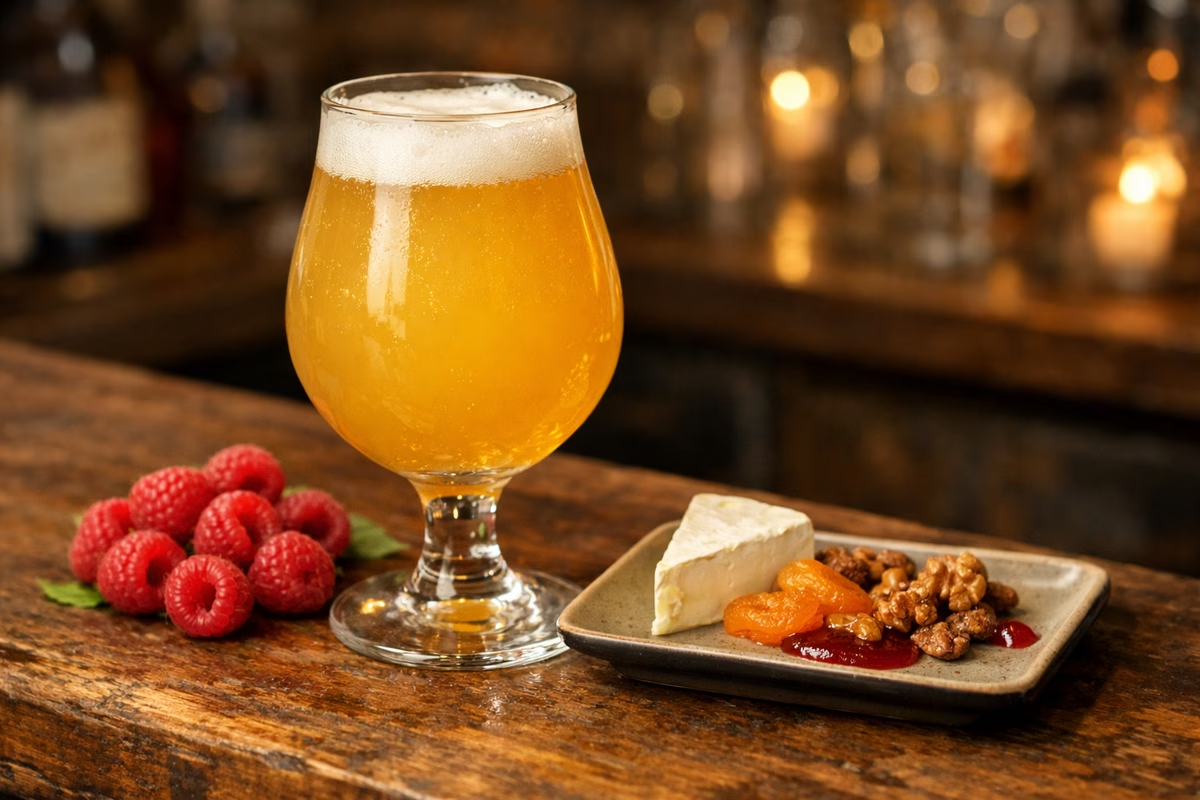
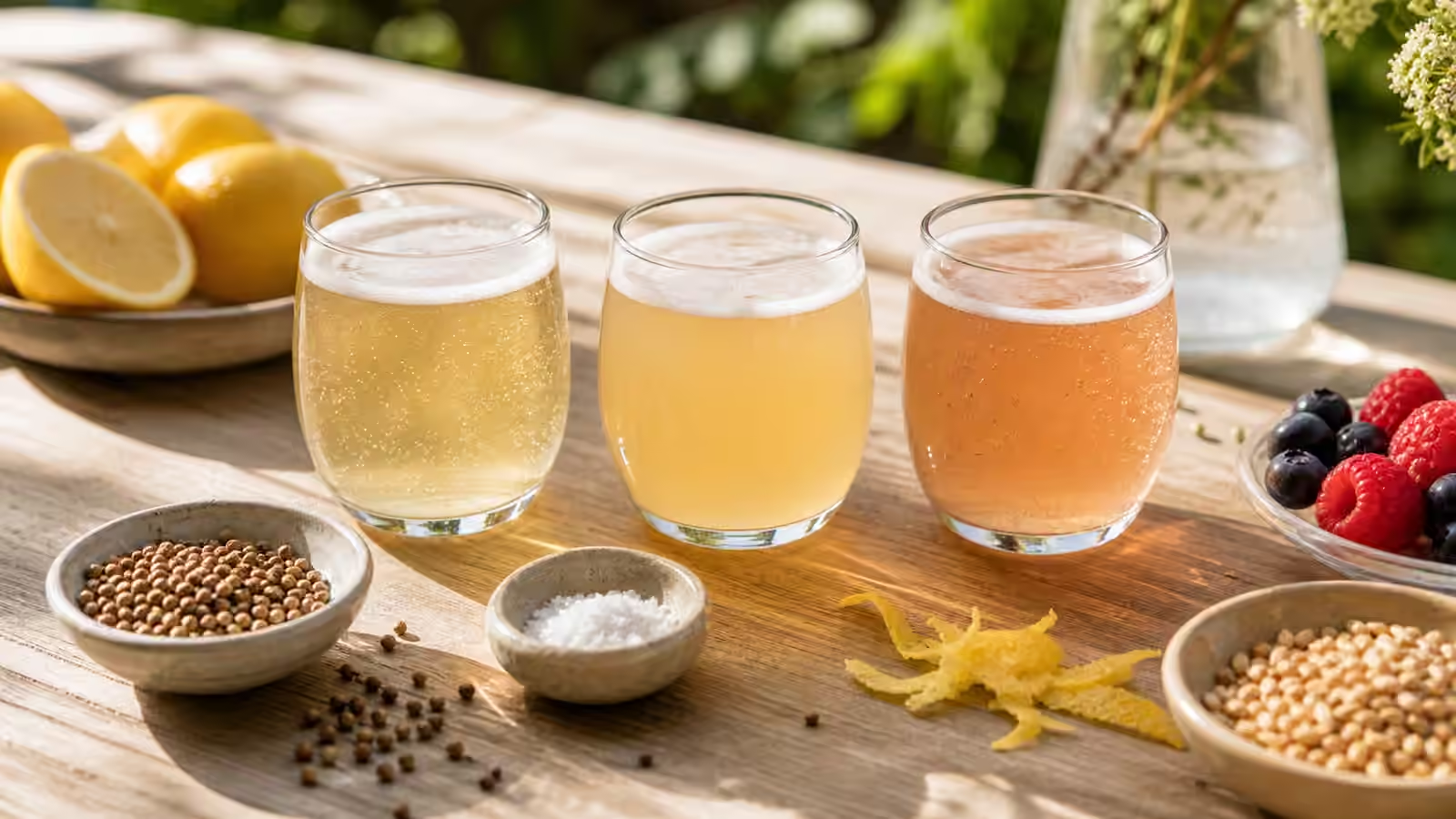
Sour beer is easiest to understand once you stop treating sourness as one flavor. A squeeze of lemon, a spoonful of yogurt, a dry cider, a cherry skin, and a splash of vinegar are all acidic, but they do not land on the palate in the same way. Beer works the same way. Some sour beers are bright, clean, and refreshing. Some are earthy and leathery. Some taste like ripe fruit with the sweetness removed. Some are sharply acidic enough that a small pour makes more sense than a pint.
That range is why sour beer can be confusing at first. Most everyday beer teaches you to expect malt sweetness, hop bitterness, yeast aroma, carbonation, and a familiar grain base. Sour beer keeps those pieces but changes the frame. Acidity moves to the front, bitterness often steps back, and fermentation can bring flavors that seem closer to wine, cider, yogurt, fruit skin, hay, or old wood than to a standard pale ale. The broader Beer Styles Guide gives sour and wild ales a place on the map, but a map is only the start. To enjoy these beers, it helps to know what kind of sourness you are tasting and why it belongs there.
Sour Does Not Always Mean Spoiled
Beer drinkers learn early that sourness can be a warning sign. In a clean lager, cream ale, pale ale, or porter, unexpected tartness may point to contamination, poor handling, or an old package. That lesson is useful, but it becomes a problem when it gets applied to every beer. In sour beer, acid is intentional. The brewer has designed the recipe, fermentation, aging, and blending around that tartness.
The difference is context. A clean pilsner that smells like vinegar is likely in trouble. A lambic-inspired ale with lemon, hay, oak, and a dry acidic finish may be exactly where it should be. A fruited kettle sour that tastes like tart raspberry, wheat, and soft lactic acidity is not defective because it puckers. It is defective only if the acidity feels harsh, dirty, solvent-like, metallic, or disconnected from the rest of the beer. The Beer Off-Flavors guide is useful here because it teaches the habit of naming the problem rather than reacting only to surprise.
Good sour beer feels built around acidity. The tartness may be gentle or intense, but it should have shape. It should connect to aroma, body, carbonation, and finish. If the beer is fruity, the fruit should taste like part of the fermentation rather than candy poured over a base beer. If the beer is funky, the earthier aromas should add complexity rather than dirtiness. If the beer is simple and refreshing, the simplicity should feel deliberate.
The Main Kinds Of Acidity
Most approachable sour beer is driven by lactic acid. Lactic acidity is the clean, rounded tartness associated with yogurt, sourdough, and many quick souring methods. In beer, it can feel lemony, soft, and refreshing. Berliner-style wheat beers, gose, many modern kettle sours, and plenty of fruited taproom sours live in this space. The acidity can still be strong, but the character is usually direct and easy to read.
Acetic acid is sharper and more vinegar-like. In small amounts, it can add lift to oak-aged sour beers, especially ones that already have dark fruit, tannin, and barrel character. In large amounts, it becomes exhausting. A little acetic edge can make a Flanders red taste wine-like. Too much can make a beer taste like salad dressing. Oxygen management matters because acetic-producing organisms need oxygen to push hard in that direction. This is one reason careful barrel programs taste composed while sloppy sour beer tastes thin and vinegary.
Carbonation changes how acidity feels. A highly carbonated sour beer can seem brighter because bubbles lift aroma and sharpen the edges. A still or softly carbonated sour can feel rounder, more vinous, or heavier. Sweetness also changes the picture. Residual sugar can cushion acid, while a bone-dry finish exposes it. This is why two beers with similar measured acidity can drink differently. One may be spritzy and refreshing; another may feel austere and almost wine-like.
Clean Sours And Mixed Fermentation
Modern sour beer often divides into two broad families: quick clean sours and slower mixed-fermentation beers. The divide is not about quality by itself. Both can be excellent. They simply use different tools and create different expectations.
Clean sours are usually built for freshness and clarity of flavor. A brewer may sour the wort before the main boil, then ferment with a conventional yeast strain. This method, often called kettle souring, gives the brewer control over acidity while keeping wild organisms out of the rest of the brewery. The result can be bright, fruit-friendly, and stable. Many gose, Berliner-style wheat beers, and modern fruited sours are made this way. They are often best young, cold enough to refresh, and poured in modest servings if fruit or acid intensity is high.
Mixed-fermentation beers move more slowly. They may involve conventional brewer’s yeast, Brettanomyces, lactic acid bacteria, oak barrels, bottle conditioning, blending, and months or years of aging. These beers can develop funk, earth, leather, hay, tropical fruit, citrus peel, mineral notes, and a dry finish that keeps changing as the glass warms. The Understanding Yeast guide explains why fermentation character can be as important as malt or hops, and sour beer is one of the clearest examples. The microbes are not just making alcohol. They are shaping aroma, acidity, dryness, texture, and time.
The mistake is expecting one family to behave like the other. A quick fruited sour does not need the depth of a three-year blend to be successful. It may simply need clean acidity, vivid fruit, and a finish that does not taste syrupy. A mixed-fermentation saison or lambic-inspired blend should not taste like fruit soda. It needs patience, dryness, and a more layered kind of balance.
Reading Common Style Names
Style words help, but sour beer labels can be loose. Berliner-style wheat beer usually suggests a pale, low-alcohol, highly refreshing sour wheat beer with clean lactic acidity. Traditional examples are dry and simple, while modern versions may carry fruit. Gose adds salt and coriander to a sour wheat base. The salt should not make the beer taste like seawater; it should sharpen the edges, support citrusy acidity, and make the beer feel more thirst-quenching.
Flanders red and oud bruin point toward darker, maltier, oak-aged sour beers from Belgian tradition. These can show cherry, plum, balsamic hints, oak tannin, caramel, leather, and wine-like acidity. They are not usually pint beers. They work well in smaller pours, especially with food.
Lambic, gueuze, kriek, and framboise belong to a specific Belgian tradition of spontaneous fermentation and blending. Outside that tradition, many brewers use phrases such as lambic-inspired, spontaneously fermented, methode traditionnelle, or wild ale to signal related techniques without claiming the protected or culturally specific name. Gueuze is usually a blend of young and old spontaneously fermented beer, bottle conditioned to lively carbonation. Kriek uses cherries; framboise uses raspberries. Traditional versions are dry and complex, not sweet fruit beer.
American wild ale is a broad phrase rather than a tight style. It may mean an oak-aged mixed-fermentation beer, a fruit refermentation, a saison with Brettanomyces, a spontaneous project, or a blend from several barrels. The label should give clues about fruit, barrels, age, and fermentation. If it does not, pour size and staff guidance matter.
How To Taste A Sour Beer
The first sip of a sour beer often exaggerates the acid because your palate has not adjusted. Give the beer three small sips before deciding what it is doing. On the first sip, notice the kind of acid. On the second, look for fruit, grain, oak, yeast, salt, spice, or hop character. On the third, pay attention to the finish. Does the tartness fade cleanly, or does it scrape? Does fruit taste fresh, fermented, jammy, or artificial? Does funk add depth, or does it become musty and unpleasant?
Aroma matters as much as flavor. Sour beer can smell like lemon peel, peach skin, raspberry seed, hay, damp wood, white wine, yogurt, leather, pepper, or mineral water. Those notes may sound strange until you connect them to the beer in the glass. Use the same slow approach from Beer Tasting 101 : look, smell, taste, and then notice what remains. The goal is not to force grand language onto the beer. It is to separate acidity from the rest of the structure.
Temperature can help or hurt. Very cold sour beer often tastes sharper and simpler. As it warms slightly, fruit becomes more aromatic, oak becomes clearer, and funk may move from background to foreground. Too warm, and acidity can feel heavy or aggressive. Most sour beers are happiest somewhere cooler than room temperature but warmer than ice cold, with delicate clean sours closer to refreshing service and richer mixed-fermentation bottles allowed more time in the glass. The broader Serving and Storage guide gives the basic temperature logic.
Carbonation is part of the experience. Lively carbonation can make a sour beer feel champagne-like, especially in gueuze, saison, and some bottle-conditioned blends. Lower carbonation can make acidity feel flatter or more severe if the beer lacks body. When the bubbles, acid, and dryness align, the beer can feel precise and refreshing even when the flavors are unusual. Beer Carbonation and Foam is worth reading if you want to understand why that texture changes the whole glass.
Food Makes Sour Beer Easier
Sour beer often makes more sense with food than by itself. Acidity cuts fat, brightens salt, and refreshes the palate. A gose with tacos, ceviche, grilled shrimp, or salty snacks can feel natural because the beer acts like citrus and salt at the table. A dry fruit sour can work with goat cheese, roast chicken, salad with vinaigrette, or a fruit tart because the beer echoes acidity already in the food. A Flanders red with duck, pork, mushrooms, or aged cheese can behave more like a tart red wine than like a conventional beer.
The pairing habit is simple: match acid with richness, fruit with fruit or gentle spice, and funk with earthy or aged flavors. The Food and Beer Pairing guide covers the larger pattern, but sour beer teaches it quickly because acid is so active. If a pairing tastes harsh, the beer may be too acidic for the dish, the dish may be too delicate for the beer, or sweetness may be missing from one side. A small pour with food is often a better introduction than a full glass on its own.
Buying Without Chasing Hype
Sour beer can be expensive because time, fruit, barrels, blending, and losses all cost money. It can also be ordinary, local, and casual. Price and rarity do not guarantee balance. When buying, look for practical clues. Does the label say kettle sour, mixed fermentation, foeder-aged, barrel-aged, spontaneous, bottle-conditioned, fruited, or blended? Does it name the fruit and make clear whether the beer is dry or sweet? Does the shop keep delicate bottles away from heat and light? Does the taproom pour the beer in a size that fits its intensity?
Freshness depends on the beer. Many clean fruited sours taste best young because fruit aroma fades and color can dull. Some mixed-fermentation beers are designed for aging, but that does not mean every bottle improves forever. Strong acid, active yeast, residual sugar, oxygen exposure, and storage conditions all matter. When in doubt, buy one bottle, drink it with attention, and decide whether the style, brewer, and price make sense for you. How to Buy Beer applies here as much as it does to IPA or stout: match the package to the moment.
Sour beer rewards patience, but not mystification. Start with clean tart styles if you want refreshment. Try oak-aged and mixed-fermentation beers when you want depth. Let food help. Use smaller pours. Pay attention to whether acidity is integrated or merely loud. If you want the more personal path into the category, The Sour Beer Awakening tells that story. The practical lesson is the same: sour does not mean one thing, and it does not automatically mean something went wrong. In the right beer, acidity is structure, brightness, and memory.