Why Beer Fits the Season
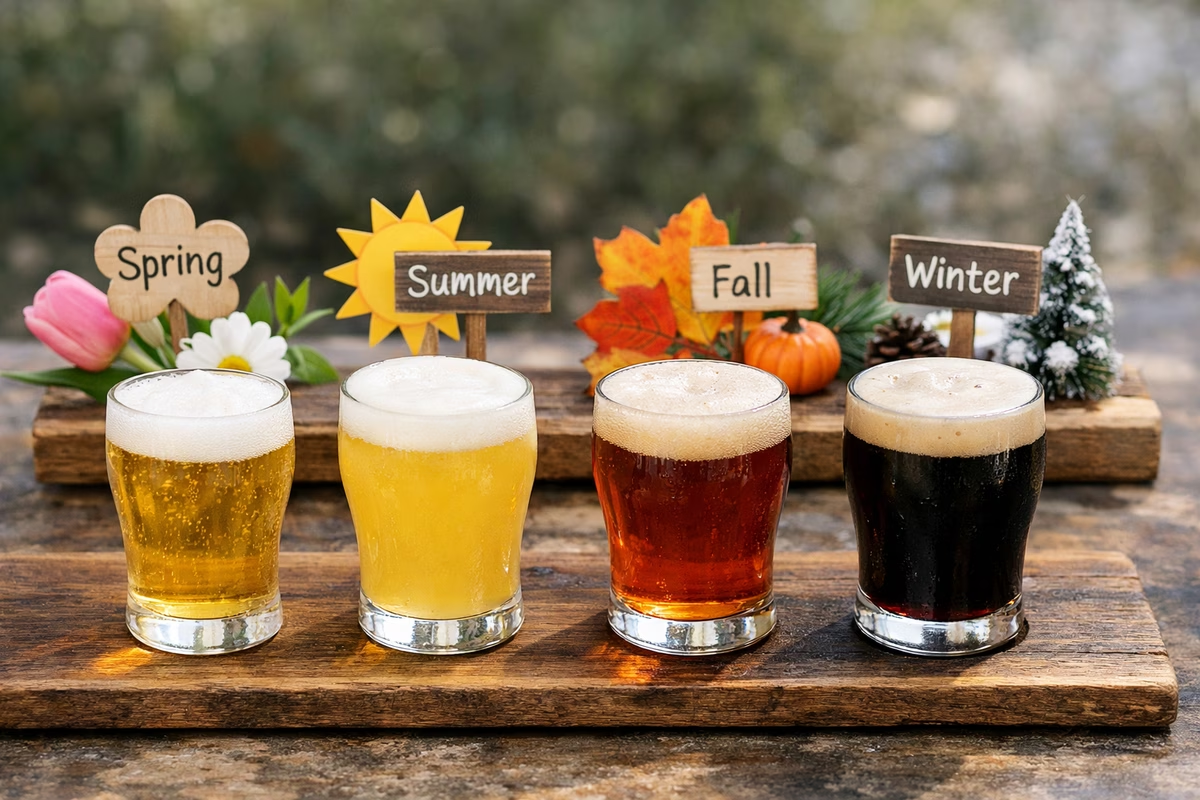
Beer is tied to the weather more than people admit. A big double IPA can feel right on a hot rooftop in July and too heavy in January. A barrel-aged stout can feel perfect in winter and too much in August. Seasonal beer mostly comes down to body, strength, and temperature.
When it is hot, most people want something cold, crisp, and light enough to finish without effort. When it is cold, richer malt and higher strength start to make more sense. Spring and fall sit between those poles, which is why they give you the most room to move.
This guide is a plain way to think about the year so you can pick a beer without guessing.
Spring: Warming Up Slowly
Spring is the bridge between winter and summer. You want more lift than winter beers offer, but you are not ready for the lightest thing in the fridge.
A maibock, or helles bock, is the classic spring lager. It has more malt than an everyday lager, but it still drinks smooth, bready, and clean. It works on a cool night and on the first warm day of the year.
Saison fits spring for a different reason. It is dry, peppery, and a little wild. The high carbonation and earthy spice make it feel alive in the same way the season does. It works with salads, grilled vegetables, goat cheese, and meals that are starting to move outside.
Kölsch is the quiet pick. It is pale, light, and gently fruity, with a crisp finish that lands well when the weather has not made up its mind.
Big barrel-aged stouts and barleywines can wait a little longer. They are still good beer, but spring usually asks for something lighter.
Summer: Keep It Cold and Clean
Summer is about refreshment. Low to moderate alcohol, high carbonation, and a dry finish matter more than depth. You want a beer that cools you down and does not wear you out.
Pilsner is built for the job. It is clean, bitter enough to stay interesting, and dry enough to keep you coming back. Czech versions are softer and a little richer. German versions tend to be sharper and leaner.
Hefeweizen brings more yeast character, with banana and clove notes, but still drinks easily. It gives you more flavor than lager without giving up the easy finish.
Gose works because tartness and a little salt feel cooling. Fruited versions are often the easiest way into sour beer.
Session IPA is for hop drinkers who want flavor without much alcohol weight. You still get citrus, pine, and tropical fruit, just in a lighter frame.
Serve lagers and wheat beers at 38–45°F (3–7°C). If they taste dull straight from the fridge, let them sit for a few minutes.
Autumn: The Best Season for Beer
Autumn is the most forgiving season. The weather cools down, the palate wants more depth, and breweries start releasing some of their best annual beers.
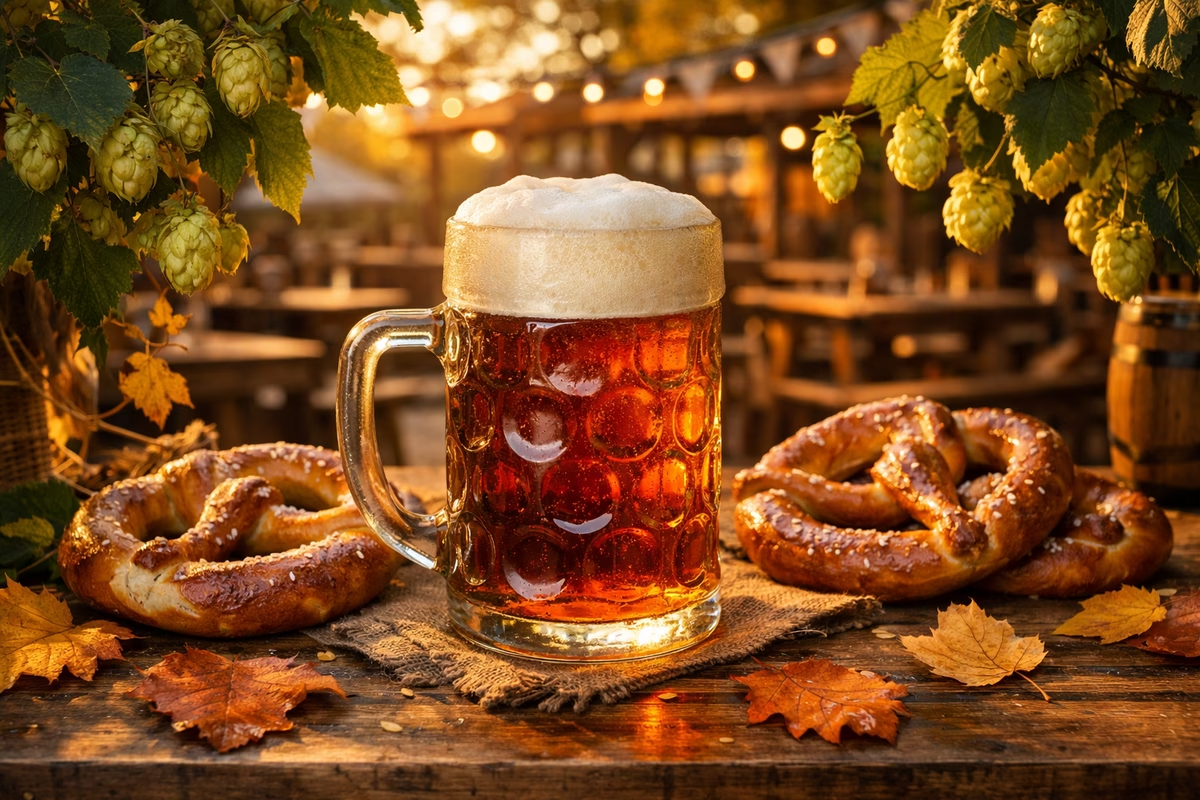
Märzen is the obvious fall beer. It tastes like toasted bread, soft malt, and a little caramel, which is exactly why it works with bratwurst, pretzels, roast chicken, and cool evenings.
Amber ale and brown ale sit in the middle of the season. Amber ale brings caramel malt and enough bitterness to stay balanced. Brown ale leans a little more toward nuts, toffee, and a soft chocolate note.
Pumpkin ale gets a bad reputation because many versions taste like a candle aisle. The good ones use spice with a light hand and keep the beer tasting like beer. Fresh-hop IPA takes the other path and gives you a brief burst of grassy, vivid hop character right after the harvest.
Winter: Slow Down
Winter is when beer can take its time. Higher alcohol, deeper malt, and longer finishes make more sense when you are not reaching for refreshment first.
Imperial stout is the winter anchor. Coffee, chocolate, dark fruit, roast, vanilla, and barrel notes all have room to show up when the beer is meant for slow sipping. It is beer for a chair, a blanket, and a glass that changes as it warms.
Barleywine does the same thing in a different register. It is concentrated, full, and warming, with toffee, dried fruit, and enough alcohol to keep the finish around. English versions lean more toward malt. American versions usually add more hop structure.
Belgian dubbels and quadrupels bring yeast spice and dark fruit. Winter warmers stay malt-forward and cozy. Doppelbocks are smooth German strength without much flash. The common thread is control. Winter beers work when they feel rich without getting sloppy.
Many of these styles age well. If you buy an imperial stout or barleywine in November, it can be worth saving one bottle for the next winter. Store it upright in a cool, dark place and compare it later. The flavors usually round out and soften.
Building a Year-Round Beer Shelf
You do not need to follow the seasons like a rulebook. But it helps to keep a small range at home so you can match the beer to the day.
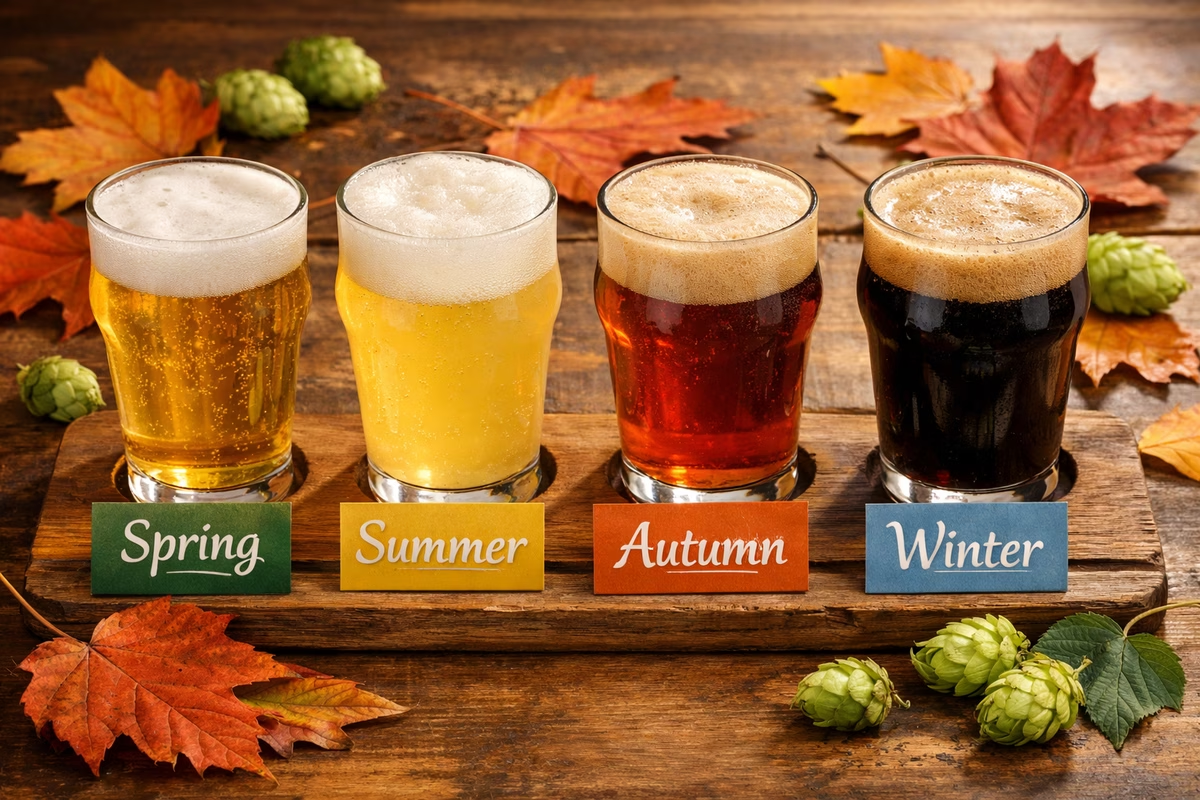
| Season | Primary Styles | Key Quality |
|---|---|---|
| Spring | Maibock, Saison, Kölsch | Bright, transitional |
| Summer | Pilsner, Hefeweizen, Gose, Session IPA | Crisp, refreshing |
| Autumn | Märzen, Amber, Brown Ale, Fresh Hop IPA | Malty, harvest-driven |
| Winter | Imperial Stout, Barleywine, Dubbel, Doppelbock | Rich, warming |
A simple fridge mix works well. Keep one everyday lager, one seasonal pick, and one beer that pushes you a little outside your habits.
Next Steps
If you want the full breakdown behind these styles, read Beer Styles Guide , use Food Pairing to match meals to beer, and revisit Beer Tasting 101 before your next shopping trip.