Why Seasons Change What You Crave
Beer doesn’t exist in a vacuum. A double IPA that tastes electric on a July rooftop can feel heavy and loud in January. A barrel-aged stout that warms you through a snowstorm can be undrinkable in August. Understanding which styles fit which season isn’t snobbery—it’s common sense wrapped in centuries of brewing tradition.
The logic is simple: when it’s hot, your body wants refreshment, lower alcohol, and high carbonation. When it’s cold, you lean toward warmth, richness, and contemplation. Between those poles sit two transitional seasons that reward adventurous choices.
This guide walks through all four seasons, recommends specific styles for each, and explains why they work—so you can make your own confident picks year-round.
Spring: Awakening the Palate
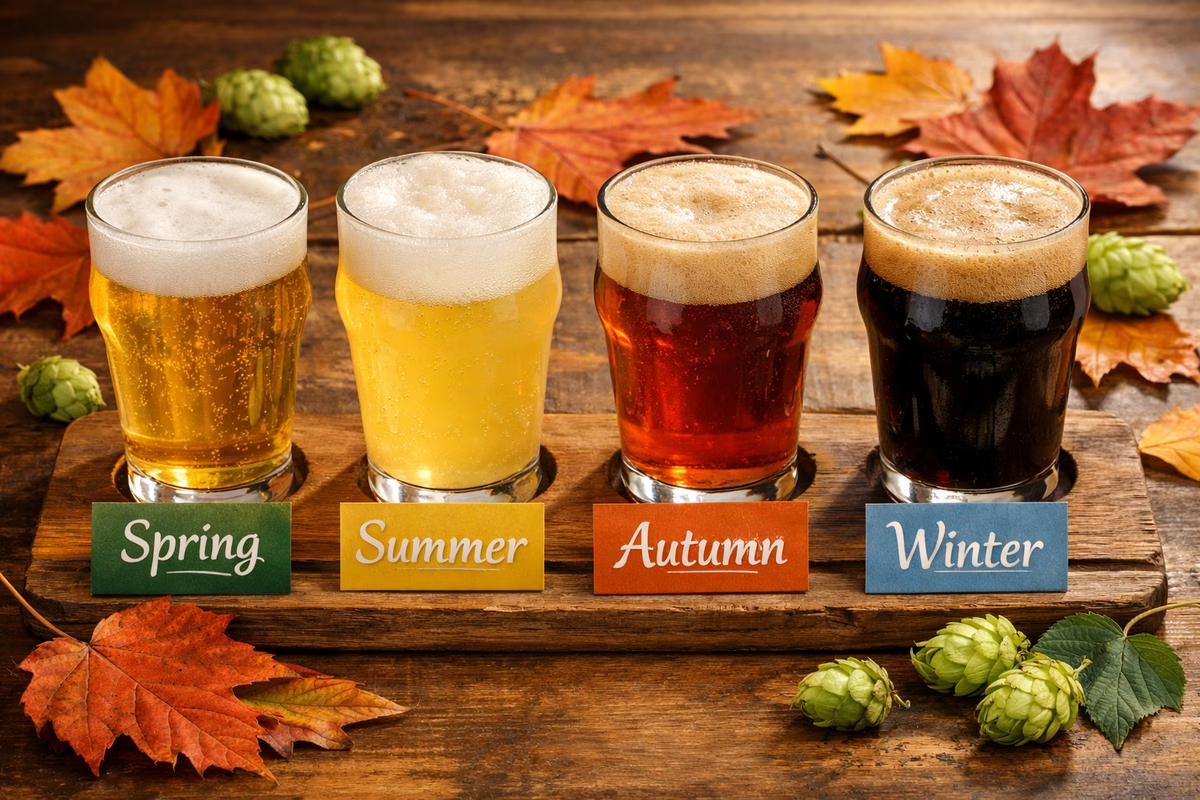
Spring is the bridge between heavy winter beers and the light, refreshing styles of summer. As temperatures climb, you naturally start reaching for brighter, more floral flavors.
Styles That Shine
Maibock, sometimes called helles bock, is the classic German spring beer: stronger than an everyday lager, but still smooth, bready, and fresh enough to feel like a seasonal reset rather than a winter leftover. It has enough malt to satisfy you on a cool evening, yet enough lift to make sense on the first genuinely warm weekend of the year.
Saison belongs in spring for a different reason. It is dry, peppery, and slightly wild around the edges, which makes it feel like the beer version of a garden waking up. High carbonation and earthy spice keep it lively with salads, grilled vegetables, goat cheese, and the kind of meals that start moving back outdoors.
Kölsch is the quieter spring answer. It is pale, delicate, and gently fruity, with a crispness that lands somewhere between ale softness and lager refreshment. When the weather is only half-committed to warming up, Kölsch often feels exactly right.
What to Avoid in Spring
Barrel-aged imperial stouts and barleywines are closing their window. They aren’t bad in spring, but they start to feel heavy as temperatures rise. Transition toward lighter and more floral choices.
Summer: Maximum Refreshment
Summer is pilsner season, wheat beer season, session ale season. The goal is drinkability: low to moderate alcohol, high carbonation, crisp finishes. You want a beer you can drink two of without falling asleep in the hammock.
Styles That Shine
Pilsner earns its summer crown because it does the hardest thing in beer: it makes restraint taste exciting. Clean malt, snappy bitterness, and a dry finish are exactly what you want when the weather is hot and the point is refreshment rather than intensity. Czech versions lean a little softer and richer, while German examples usually sharpen the edges.
Hefeweizen is the beer-garden answer to summer heat. It is cloudy, effervescent, and full of banana-and-clove yeast character, but it still drinks with remarkable ease. When you want something a little more expressive than lager without sacrificing drinkability, wheat beer is where summer gets fun.
Gose works because tartness and a touch of salinity can feel even more cooling than bitterness. Modern fruited versions often taste like they were designed for patios and hot afternoons, and for many drinkers they provide the most welcoming on-ramp into sour beer.
Session IPA fills the role for hop lovers who still want stamina. You get citrus, pine, and tropical aromatics, but without the alcohol weight that turns a summer afternoon into an accidental nap.
The Temperature Rule
In summer, serving temperature matters more than ever. Lagers and wheat beers should be served at 38–45°F (3–7°C)—cold enough to be refreshing, but not so icy that you can’t taste anything. If your beer comes out of the fridge tasteless, let it warm for five minutes.
Autumn: Harvest and Transition
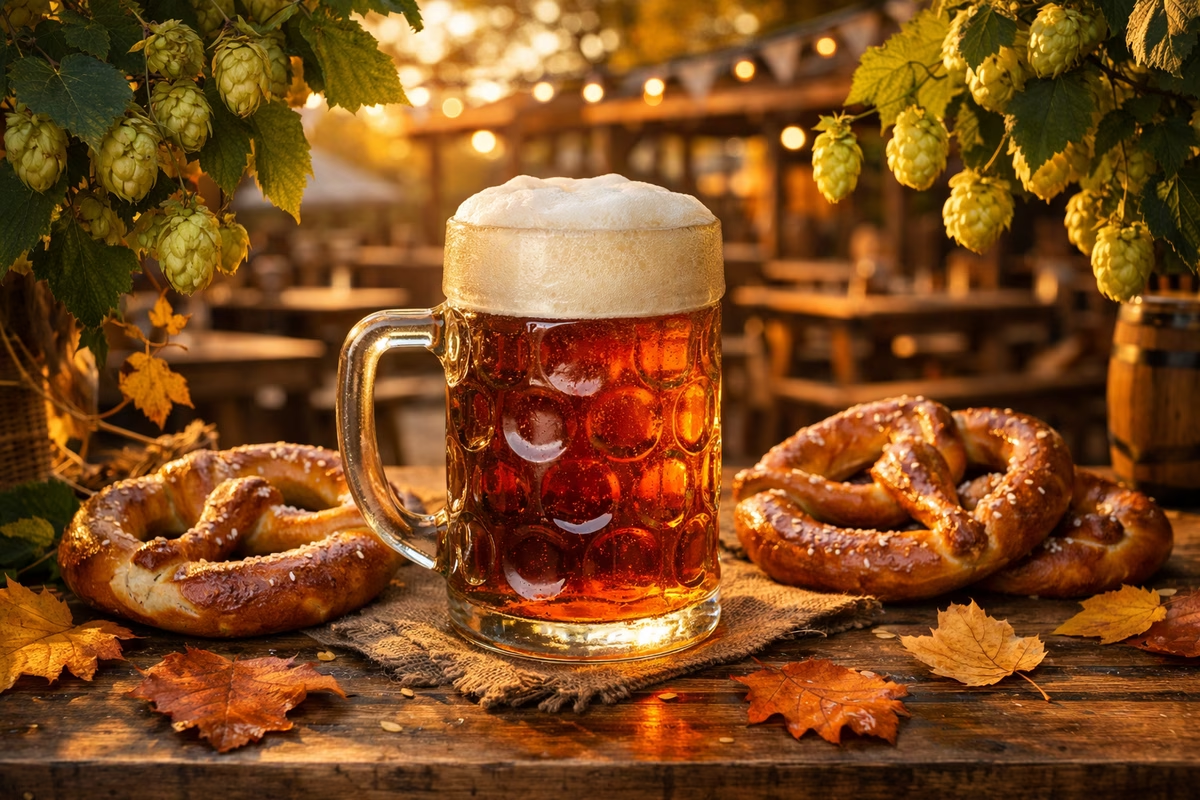
Autumn is the most interesting beer season. The weather cools, the palate craves more complexity, and breweries release some of their most anticipated annual styles.
Styles That Shine
Märzen is the obvious fall flagship because it tastes like toasted bread, soft sweetness, and festival food. Historically brewed in March and lagered through summer, it arrives with exactly the right weight for bratwurst, pretzels, roast chicken, and evenings that have started to cool down.
Amber ale and brown ale occupy the middle of autumn beautifully. Amber ale brings caramel malt and moderate bitterness, which makes it feel transitional in the best way. Brown ale turns the dial a little further toward nutty, toffee-like, quietly chocolatey comfort without pushing all the way into winter heaviness.
Pumpkin ale deserves a more generous reading than it usually gets. Bad versions taste like a candle store; good versions use squash and spice to add warmth, not novelty. Fresh-hop IPA sits at the opposite end of the spectrum, giving you a brief annual burst of grassy, vivid hop character that only exists right after harvest. Together they show why autumn is such a playful season for beer.
Winter: Warmth and Contemplation
Winter is when beer gets serious. Higher alcohol, richer flavors, longer finishes. These are sipping beers, not session beers—meant for fireside contemplation and slow enjoyment.
Styles That Shine
Imperial stout takes over winter because it turns beer into a slow activity. Coffee, chocolate, dark fruit, roast, vanilla, and barrel notes all make sense when you are no longer asking a drink to refresh you quickly. It is beer for a chair, a blanket, and enough time to let it open in the glass.
Barleywine does a similar job in a different accent. It is all concentration: toffee, dried fruit, warming alcohol, and a finish that sticks around. English versions tend to lean sweeter and maltier, while American versions often bring more hop structure, but both belong to the season of slow sipping.
Belgian dubbels and quadrupels add yeast-driven spice and dark-fruit complexity, winter warmers lean cozy and malt-forward, and doppelbock delivers smooth German strength with very little flash. What connects them is not just power, but composure. Winter beers work when they feel rich without turning heavy-handed.
Cellaring for Winter
Many winter styles improve with age. If you buy an imperial stout or barleywine in November, try keeping one bottle to open the following winter. Store it upright, in a cool dark place (50–55°F), and compare the aged version to a fresh one—you’ll taste how the flavors round and soften.
Building a Year-Round Beer Calendar
You don’t have to follow rigid rules. But having a seasonal awareness helps you explore styles you might otherwise overlook and deepens your appreciation for why certain beers exist.
| Season | Primary Styles | Key Quality |
|---|---|---|
| Spring | Maibock, Saison, Kölsch | Bright, transitional |
| Summer | Pilsner, Hefeweizen, Gose, Session IPA | Crisp, refreshing |
| Autumn | Märzen, Amber, Brown Ale, Fresh Hop IPA | Malty, harvest-driven |
| Winter | Imperial Stout, Barleywine, Dubbel, Doppelbock | Rich, warming |
The best strategy is to keep your fridge stocked with a mix: one crowd-pleasing lager for everyday, one seasonal pick, and one wild card to keep things interesting.
Next Steps
If you want to keep building from here, go deeper with the Beer Styles Guide for the styles mentioned above, use Food Pairing to match seasonal meals to seasonal beers, and revisit Beer Tasting 101 before your next round of seasonal shopping.