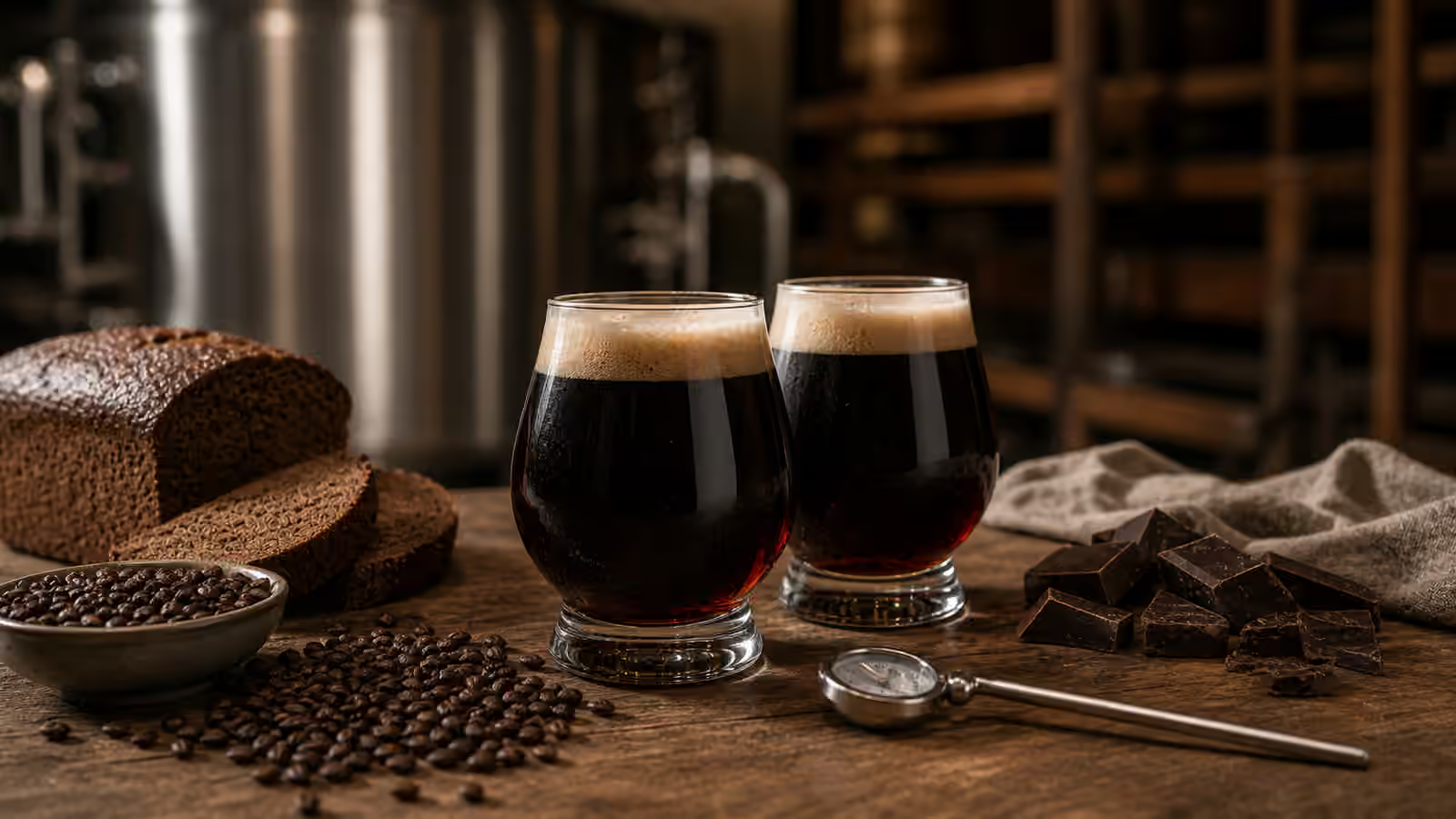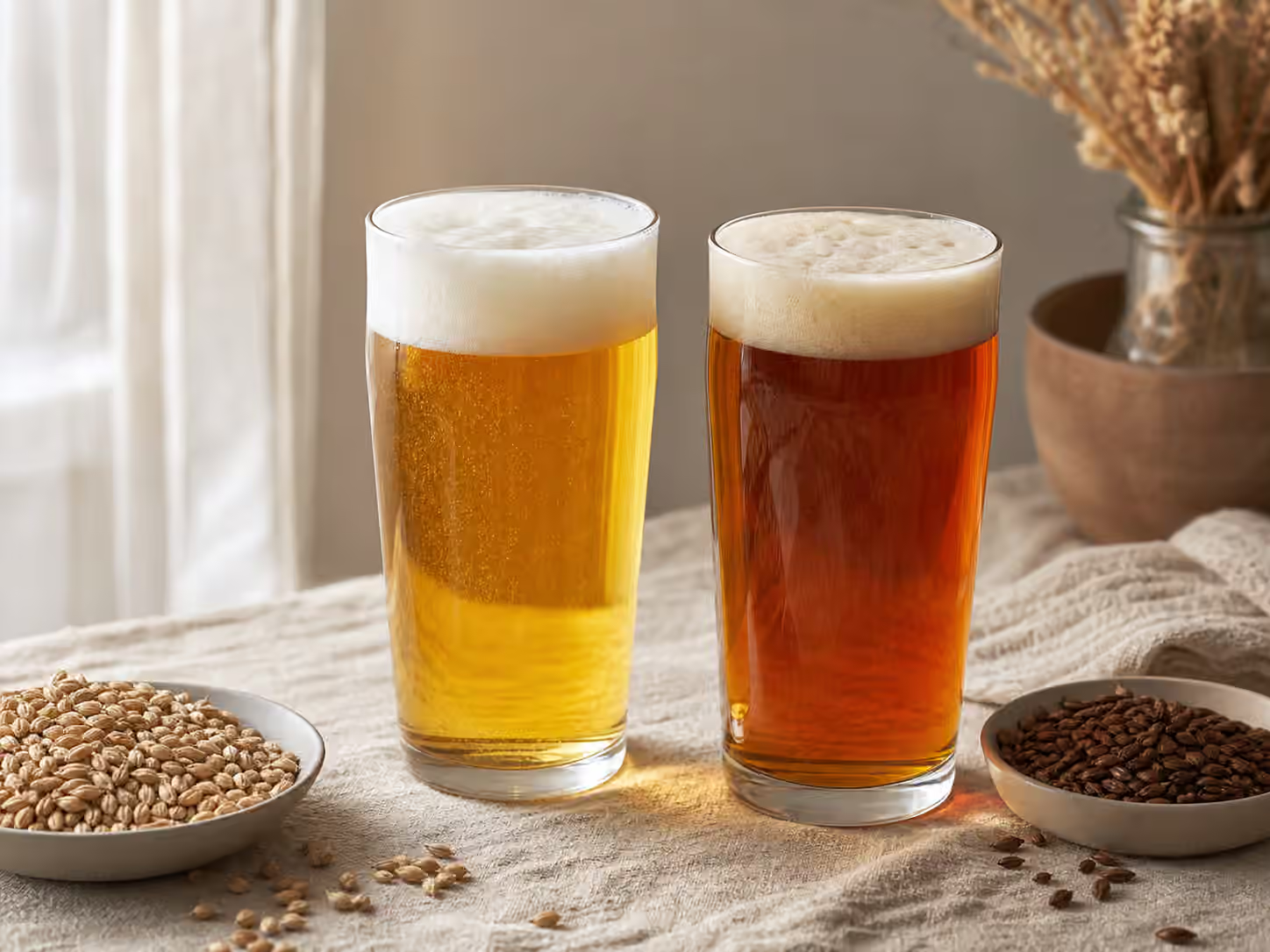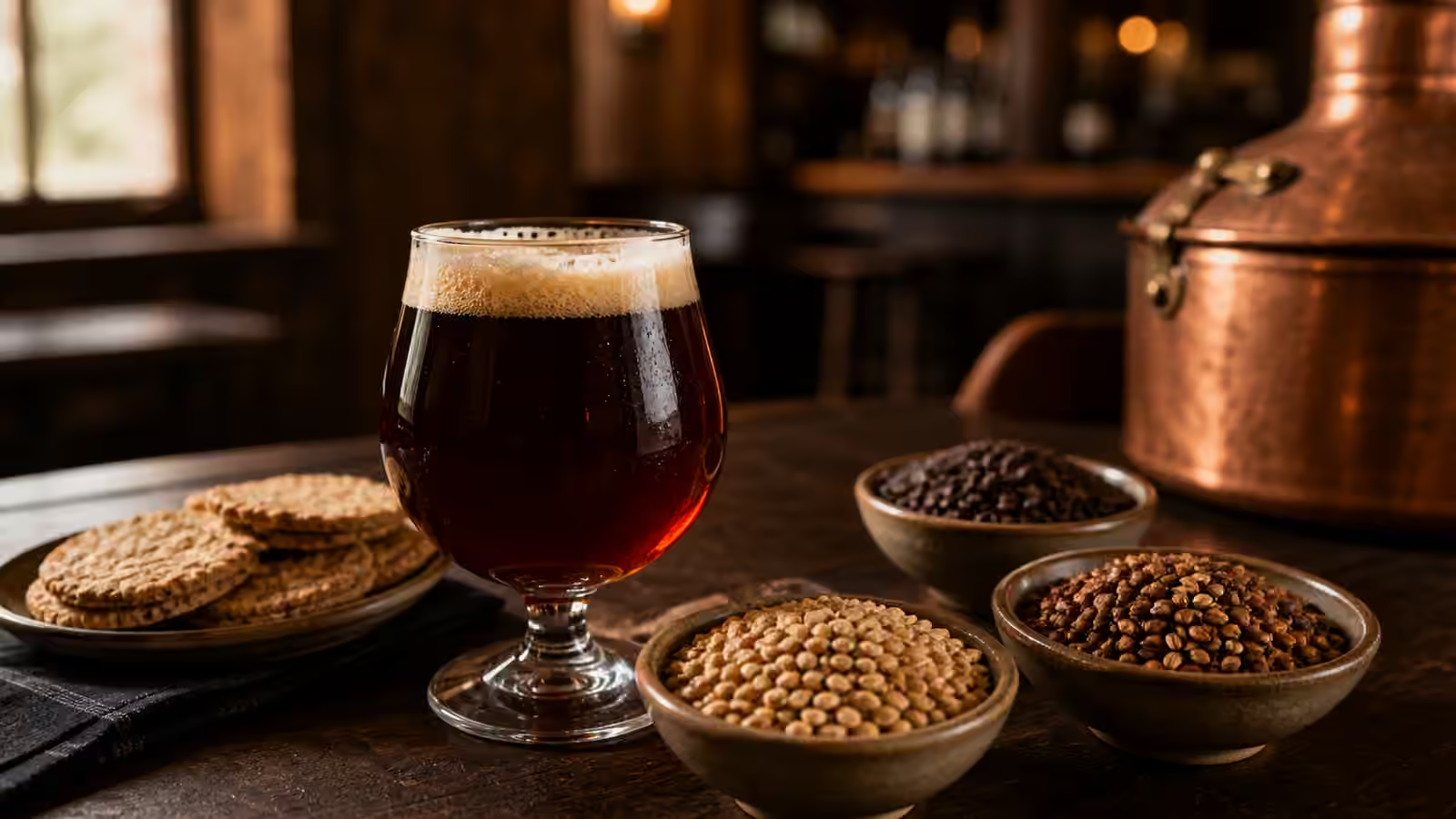
Scotch ale and wee heavy sit in the malt-rich corner of beer, where the pleasure comes from depth rather than speed. The glass may show copper, garnet, brown, or deep ruby. The aroma can suggest caramel, toasted bread, biscuits, dried fruit, light roast, and a warming alcohol note. Hops usually step back. Carbonation is often moderate. The beer asks for smaller pours, slower drinking, and a little patience as it warms.
This family overlaps with other strong malt-driven beers, but it is not the same as Barleywine and Old Ale , not the same as bock, and not simply a sweet brown ale. The useful question is how malt richness, fermentation restraint, and alcohol warmth can create a beer that feels full without becoming clumsy.
Malt Carries The Story
Scotch ale is built around malt. That sounds obvious, but malt can mean many things. It can be pale bread, toast, caramel, biscuit, nuttiness, dried fruit, molasses, or light roast. In Scotch ale and wee heavy, the malt often feels layered. You may notice toasted grain first, then caramel, then a dried-fruit or toffee note as the beer warms. The finish may keep some sweetness, but it should not taste like syrup.
The sweetness question is important because many strong malt beers are ruined by heaviness. A beer can be rich without being sticky. Fermentation needs to finish cleanly enough that the malt remains drinkable. Hops do not need to be loud, but bitterness still has work to do. It gives the beer a boundary, especially near the finish. Without that boundary, a strong Scotch ale can taste impressive for two sips and exhausting by the fourth.
Understanding Malt gives the broader ingredient map. Here, malt is not just color or sugar. It is structure. It shapes aroma, body, warmth, and the way the beer handles food.
What Wee Heavy Means In Practice
Wee heavy is the stronger, richer end of the Scottish-style ale family. It is usually a sipping beer, often with a higher alcohol content than ordinary pub-strength ales. The name can sound playful, but the beer itself should be taken seriously as a small-pour style. A full pint can be too much if the beer is strong and sweet. A smaller glass lets the malt open while keeping the experience balanced.
Alcohol warmth is not automatically a flaw. In a strong beer, a gentle warming note can support caramel and dried-fruit flavors. Harsh heat is different. If the beer smells solvent-like or burns the throat, the alcohol is no longer integrated. Beer Strength, Body, and Balance is useful because it separates strength from heaviness. A strong beer can be smooth, and a moderate beer can still feel cloying.
Wee heavy may show some kettle caramelization or deep malt concentration, depending on recipe and process. That can add a cooked-sugar depth, but it should not flatten the beer into one note. Look for movement: aroma, first sweetness, toasted middle, warm finish, and enough dryness to return for another sip.
Scotch Ale Is Not Smoked By Default
One common misconception is that Scotch ale should taste smoky or peaty. Some versions may include a smoky accent, and some brewers enjoy playing with that expectation, but smoke is not the center of the style. Heavy peat-like smoke can easily dominate the malt. If you want a guide to smoke as the main feature, Smoked Beer and Rauchbier is the better path.
This distinction helps at the shelf or taproom. If a beer is labeled Scotch ale and tastes like bonfire first, ask whether the smoke improves the malt or simply overwhelms it. If it is labeled smoked Scotch ale, then smoke is part of the promise, but even then balance matters. The malt should still have a voice.
Another misconception is that all Scottish-style beers are strong. There are lighter Scottish ales that live at pub strength and emphasize balance rather than force. Wee heavy is the stronger branch. Because naming varies across breweries, the label may not tell the whole story. Read the ABV, notice the serving size, and taste for balance rather than assuming the name guarantees a particular weight.
Serving Changes The Beer
Scotch ale and wee heavy should not be served ice cold if you want the malt to show. Straight from a very cold fridge, the beer may taste blunt, sweet, or closed. After a few minutes, caramel, bread crust, dried fruit, and subtle roast can appear. Too warm, and alcohol and sweetness can become heavy. The ideal range depends on the beer, but cool rather than freezing is usually the right direction.
Glass choice matters less than cleanliness and portion. A small tulip, snifter, or compact wine glass can work well because it concentrates aroma and discourages rushing. A shaker pint is not wrong, but it can invite the wrong pace for a strong example. Glassware gives the broader argument. Here the practical goal is simple: let aroma collect, keep the pour modest, and give the beer room to warm gradually.
Freshness depends on strength and design. Some stronger examples can handle age, especially when stored cool and dark, but age is not a guaranteed upgrade. Oxidation may add sherry-like notes in a pleasant way for some malt-driven beers, or it may turn the beer papery and dull. If you plan to cellar, treat it as an experiment, not a promise. Beer Packaging explains why oxygen, heat, and time still matter even for stronger styles.
Food Pairing Wants Brown Flavors
Scotch ale likes food with browning. Roast meats, stews, mushrooms, caramelized onions, savory pies, aged cheddar, nutty cheeses, and brown bread all make sense. The beer’s malt echoes crust and roast while its alcohol and carbonation help lift richness. It can also work with desserts that are not too sweet, such as bread pudding, shortbread, toasted nuts, or dark caramel flavors.
The mistake is pairing sweet with sweeter until nothing has contrast. A sugary dessert can make the beer feel thin or sticky, depending on the match. Salt, fat, toast, and umami usually do more for the style than pure sugar. Food and Beer Pairing covers the general pattern, but this is a good example of pairing by flavor family: toasted malt with browned food.
Scotch ale and wee heavy are not everyday refreshment beers for most people, and that is fine. They are for slower moments, cool evenings, shared bottles, and meals where malt depth has somewhere to go. When the sweetness is controlled, the alcohol is integrated, and the malt keeps changing as the glass warms, the style gives a kind of comfort that does not need roast intensity or hop volume to feel complete.