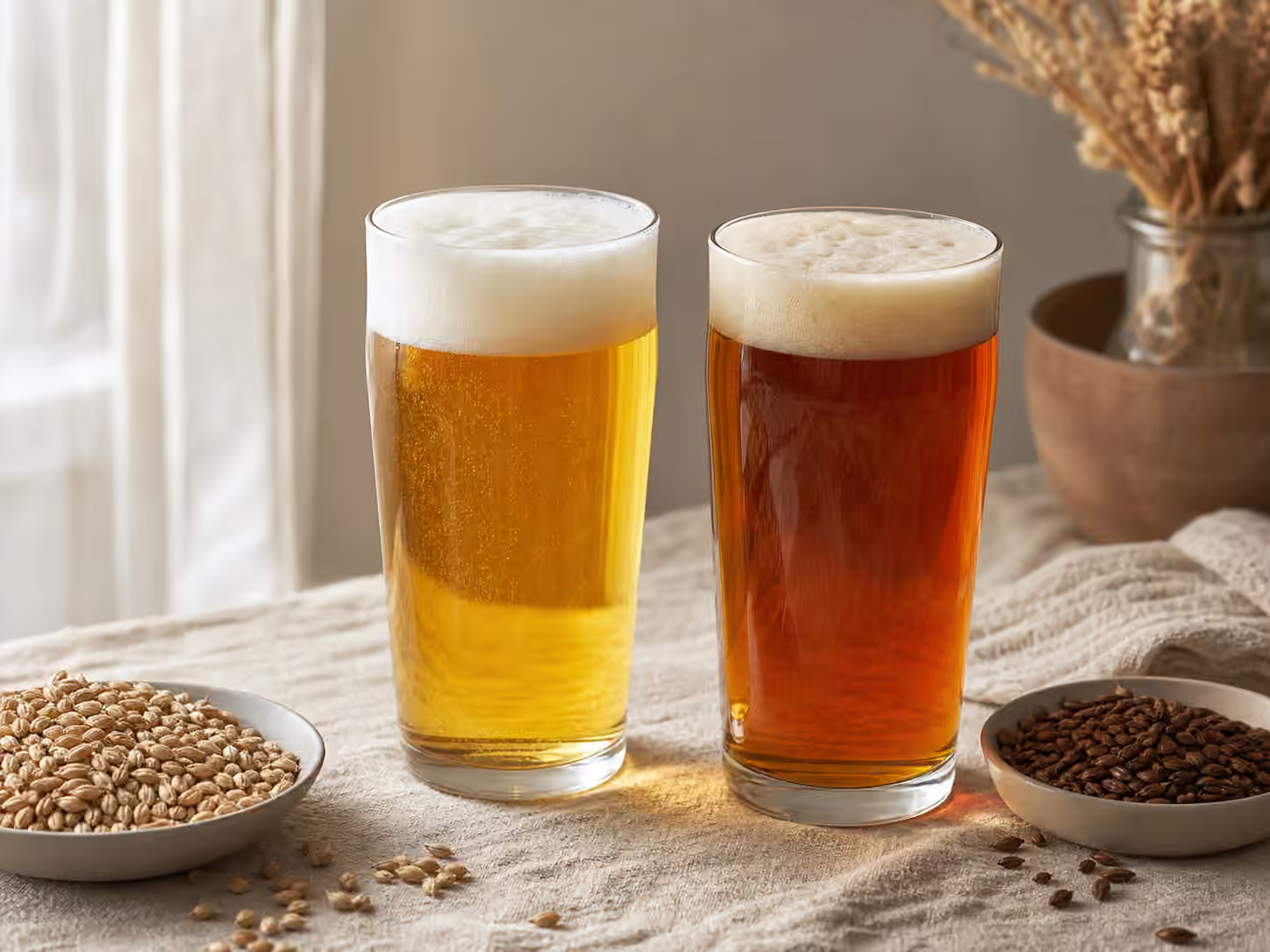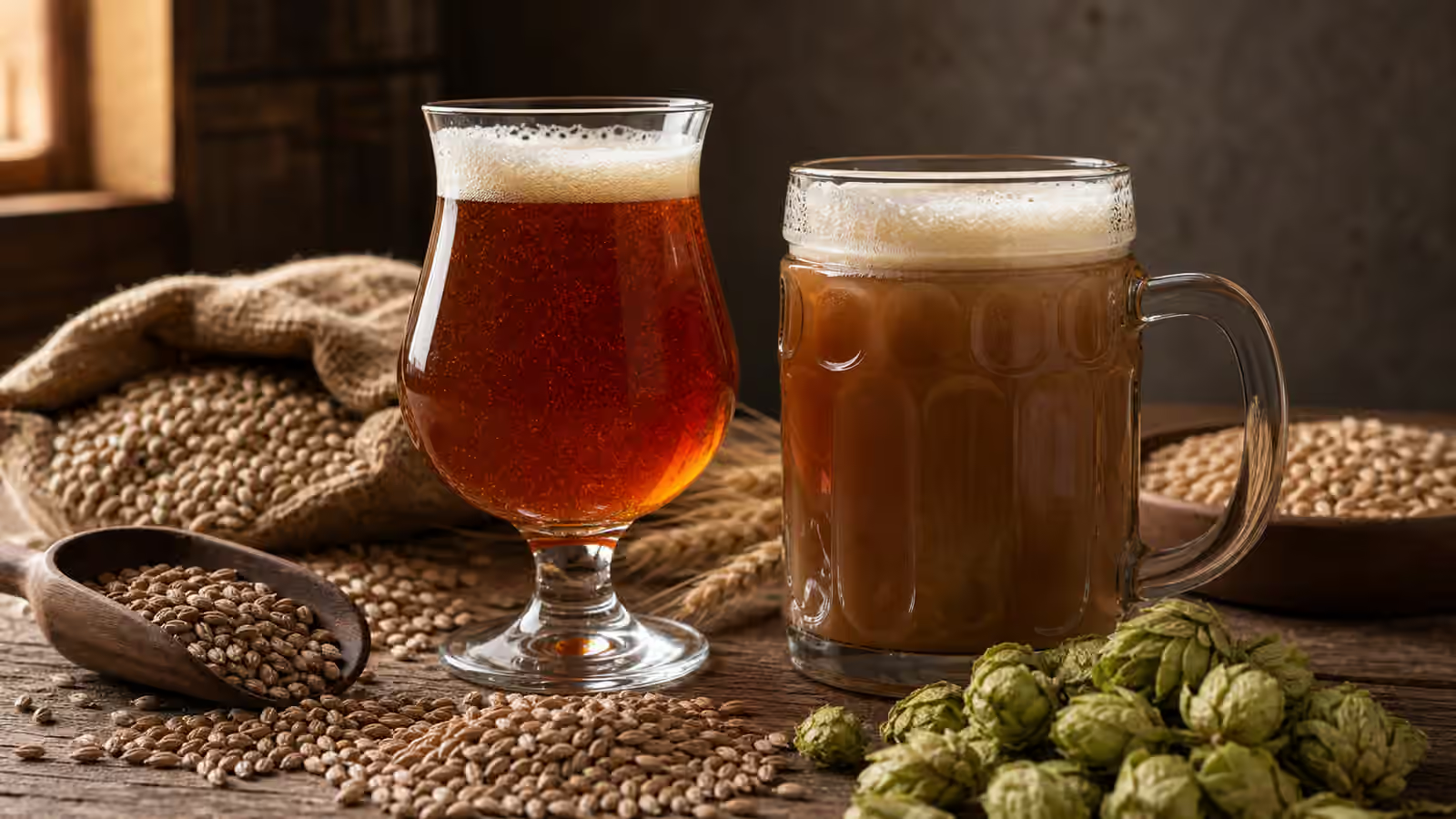
Rye changes beer in a way that is easier to feel than to define. It can taste spicy, earthy, dry, rustic, and grainy. It can make bitterness seem sharper, malt seem firmer, and body feel slightly slick even when the finish is dry. Used gently, rye adds a savory edge to pale ale, saison, porter, lager, or wheat beer. Used boldly, it can become the center of the style, as in roggenbier and rye-forward ale.
Understanding Malt explains how grain becomes fermentable brewing material, while Beer Adjuncts and Specialty Ingredients introduces rye as one of many grains that can change texture and flavor. This guide gives rye its own space because it behaves differently from barley, wheat, oats, corn, or rice. It is not just another source of sugar. It changes the shape of the sip.
What Rye Contributes
Rye’s most familiar flavor word is spicy, but that can mislead if you expect hot pepper or added spice. Rye spice is usually dry, grainy, peppery, earthy, or herbal. It can suggest pumpernickel crust, seeded bread, cracker, dry grass, or a firm cereal edge. The flavor is often more angular than wheat and less sweet than many caramel malts. Even a modest rye addition can make a beer feel more structured.
Texture is just as important. Rye contains gums and proteins that can make a beer feel fuller or slicker. In the right amount, that texture supports foam and gives body to a dry beer. In excess or with poor handling, it can make the beer seem heavy, sticky, or difficult to clarify. Brewers also have to manage rye carefully in the mash because it can become gummy. The drinker does not need to know every production detail, but the finished beer often tells the story. Good rye character feels intentional. Bad rye character feels muddy.
Rye can also sharpen bitterness. A rye pale ale or rye IPA may use the grain to make hop bitterness feel more direct. Citrus, pine, herbal, and resinous hops can work well because rye gives them a dry platform. Tropical hops can work too, but the beer needs balance. If the fruitiness is too soft and the rye too sharp, the parts can pull against each other. Beer Bitterness and IBU is useful here because measured bitterness is not the same as perceived bitterness. Rye changes perception.
Roggenbier And The Wheat Beer Connection
Roggenbier is a traditional German-style rye beer that often resembles a darker, rye-based cousin of hefeweizen. It may use a substantial portion of rye malt, expressive yeast, and a cloudy appearance. Aromas can include rye bread, clove, banana, dark grain, and gentle spice. The body may feel full, with a creamy head and a finish that needs enough dryness to avoid becoming porridge-like.
This connection to wheat beer matters because yeast character can be part of rye beer, not a mistake. In a roggenbier-like beer, banana and clove may come from yeast in the same broad family of fermentation expression that gives hefeweizen its personality. The Wheat Beer guide helps with that comparison. Wheat often feels soft, foamy, and bready. Rye feels firmer, darker, and more angular. Put them side by side and the difference becomes obvious.
Roggenbier is not common in every market, but it is worth recognizing because it keeps rye from being reduced to a modern IPA ingredient. Rye has older beer uses and can carry malt, yeast, and texture as much as hops. When you find a good example, drink it slowly enough to notice how the grain moves through the glass: first aroma, then body, then dry spice in the finish.
Rye In Pale Ale, IPA, Saison, And Dark Beer
Modern rye beer often appears as rye pale ale or rye IPA. These beers usually use rye to firm up the malt base and give hop bitterness a dry edge. A rye IPA should not taste like standard IPA with a novelty grain pasted on. The rye should change the structure. It may make pine and citrus hops feel more precise, add a bread-crust note beneath the aroma, or keep the finish from seeming sweet.
Rye also works well in saison and farmhouse-inspired beer. Saison yeast can bring pepper and fruit, while rye adds grain spice and a rustic body. The result can be dry, expressive, and food-friendly. Saison and Farmhouse Ale covers that broader family, where rye, spelt, wheat, and other grains often support fermentation character rather than dominate it.
In dark beer, rye can add contrast. A rye porter or rye stout may use the grain to keep roast from becoming soft and sweet. The dry spice can cut chocolate, coffee, and caramel notes. In amber ale, rye can make toast and hops feel more serious. In lager, rye can add an unusual grain accent while still asking for clean fermentation. The ingredient is flexible, but it is not neutral.
How To Taste Rye Clearly
Start by separating rye from hops and yeast. If the beer smells like pepper, bread crust, dry grain, or earthy spice, rye may be contributing. If it smells like banana or clove, yeast may be speaking. If it smells like citrus, pine, herbs, or tropical fruit, hops are likely leading. These elements can overlap, which is why rye beer can be interesting. The task is not to isolate one flavor perfectly. It is to notice how the grain changes the whole shape.
Then pay attention to mouthfeel. Does the beer feel slightly fuller than its dryness suggests? Does the foam cling? Does the finish feel crisp or rough? Rye can give a pleasing grip, but too much roughness can make the beer seem raw. A good rye beer should not punish the palate. It should add firmness.
Freshness depends on the style. Rye IPA follows the same general freshness logic as other hop-forward beer. Hop aroma fades, oxygen can dull bitterness, and the beer may lose its bright edge. Roggenbier or rye saison may tolerate time differently, especially if bottle conditioned, but they still need cool, dark storage and careful handling. Beer Packaging and Freshness is a useful companion because rye’s dry edge can seem stale or papery if the package has been abused.
Food pairing is one of rye beer’s strengths. Rye pale ale can work with burgers, sausages, pastrami, sharp cheddar, grilled vegetables, and roasted mushrooms. Roggenbier can sit beside smoked fish, pork, pretzels, mustard, and nutty cheese. Rye saison can handle herbs, chicken, root vegetables, and dishes with pepper. The grain’s savory character makes it less fragile than many pale beers and less heavy than many dark beers.
Rye beer rewards drinkers who like edges. It is not always smooth, and it should not be. Its best use is to give beer a grain voice that is dry, spicy, and tactile. Once you learn that voice, you start finding rye in places where it quietly improves the beer: the IPA that finishes cleaner, the saison that feels more rustic, the porter that avoids sweetness, and the cloudy roggenbier that tastes like bread, yeast, and old brewing memory in one glass.