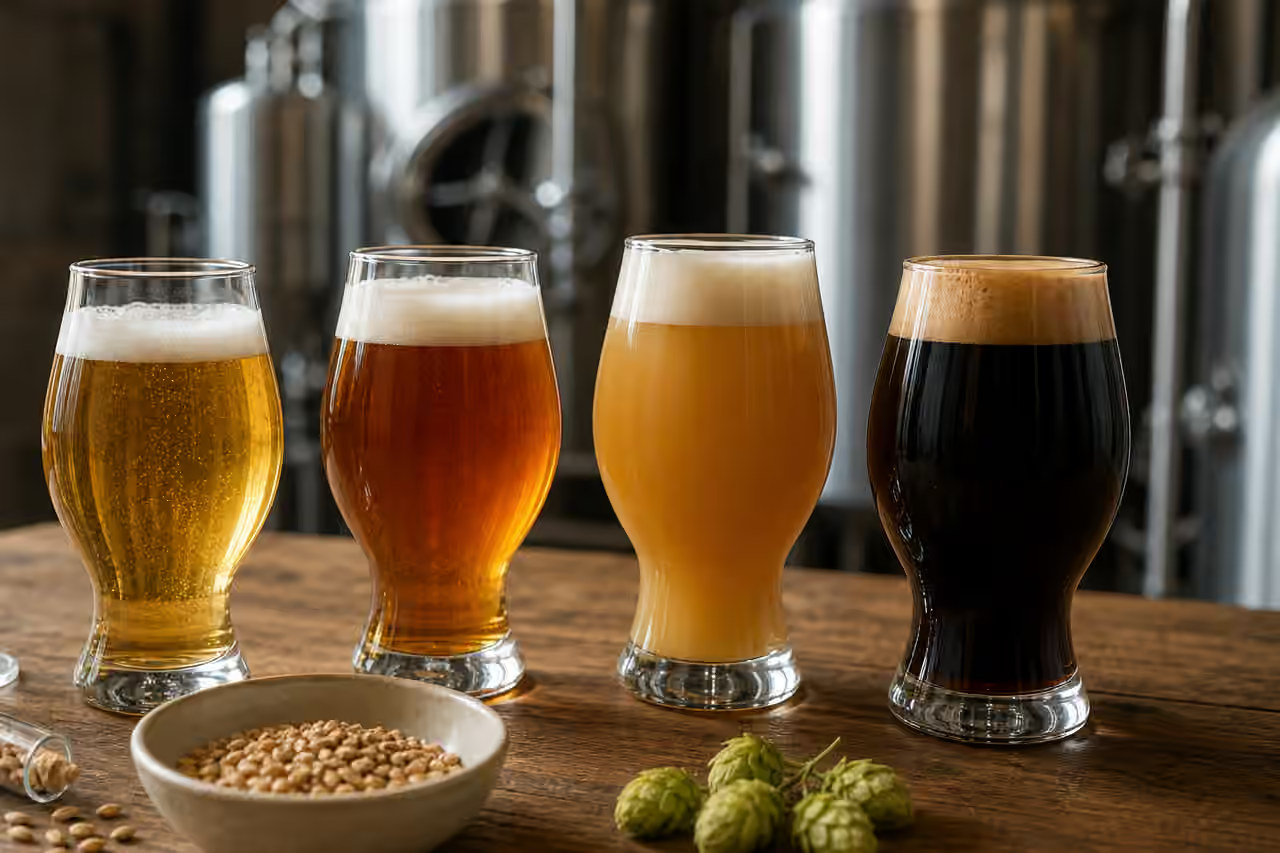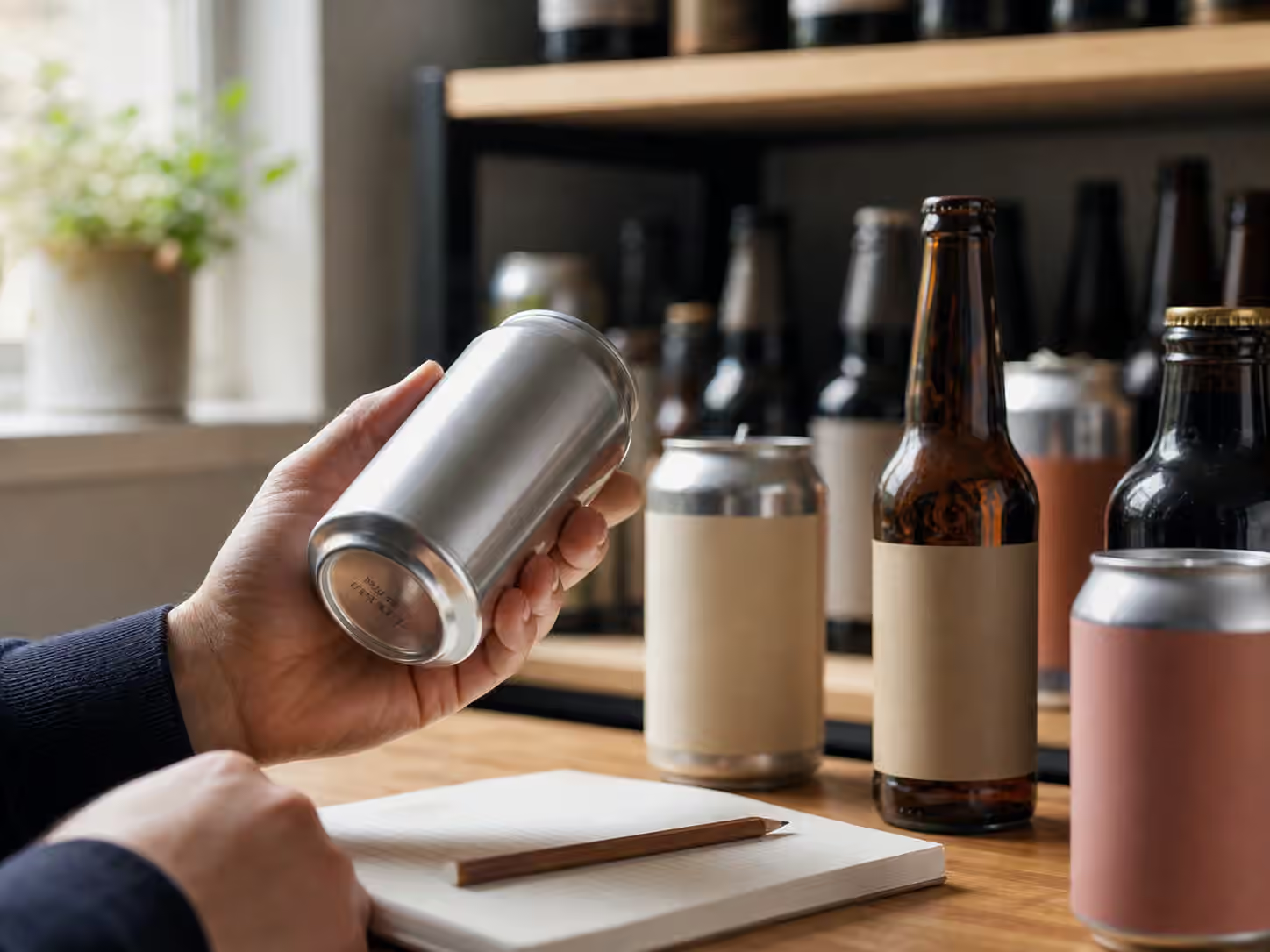
A beer label is not a contract, but it is useful evidence. It can tell you how fresh the beer may be, how strong it is, what style or mood the brewer had in mind, what package protects it, and whether the beer asks to be drunk cold, shared slowly, or treated as a small pour. The trick is to read the practical signals before the decoration. Labels can be charming, loud, funny, minimal, crowded, or beautiful, but the beer inside still has to answer the ordinary questions.
This guide pairs naturally with How To Buy Beer and Beer Packaging and Freshness . Buying well is not about memorizing every brewery. It is about noticing the few details that change whether the beer in your hand fits the moment.
Start With The Date If Freshness Matters
Freshness does not matter equally for every beer, but when it matters, it matters a lot. Hop-forward pale ales and IPAs are the clearest example. Their aroma is built from volatile hop compounds that fade and transform with time, warmth, oxygen, and light. A beer that once smelled like citrus, pine, flowers, herbs, or tropical fruit can become muted, grassy, papery, sweet, or blunt. A date does not guarantee greatness, but it helps you avoid guessing in the dark.
Some packages show a packaged-on date. Some show a best-by date. Some use a code that is hard to read. Some show nothing useful. A packaged-on date tells you when the beer entered the can or bottle, which is often the most direct freshness clue. A best-by date depends on the brewery’s own assumptions about style, storage, and shelf life. It can still help, but it is less transparent because two breweries may use different windows.
No date should be read alone. A cold, well-sealed can from a reputable shop may taste better than a younger beer that sat warm in a sunny display. A strong stout may be fine after time that would damage a pale IPA. A mixed-fermentation bottle may be built for development. The date gives context. It does not replace style knowledge.
ABV Is Structure, Not Just Strength
ABV tells you alcohol by volume, but the number does more than warn you how strong the beer is. Alcohol affects body, aroma lift, sweetness, warmth, and finish. A 4 percent bitter, a 5 percent pilsner, a 7 percent IPA, and a 10 percent imperial stout ask different things from the glass and from the drinker. Strength is part of balance.
Low ABV does not mean low flavor. Session Beer explains how modest strength can still carry malt, hops, carbonation, and texture. High ABV does not mean automatic depth. A strong beer can be hot, sweet, harsh, or clumsy if the recipe does not support the alcohol. The useful label habit is to ask what job the strength is doing.
ABV also helps with serving size. A full pint of a 4 percent lager is a different experience from a full pint of a 10 percent stout. Many strong beers taste better in smaller pours because the aroma, sweetness, warmth, and texture have room to be appreciated without fatigue. If a label gives a high number, think about glass size before you think about bravery.
Style Names Set Expectations
Style words are imperfect, but they give you a starting frame. Pilsner, helles, saison, porter, stout, gose, witbier, IPA, barleywine, and bock all carry expectations about color, body, bitterness, yeast character, malt, carbonation, and serving. The Beer Styles Guide gives the broad map. A label uses that map, sometimes carefully and sometimes loosely.
Modern labels often combine style language with flavor language. A beer may be called a hazy IPA with mango notes, a dry-hopped lager, a fruited sour, a bourbon barrel-aged stout, or a Belgian-style blonde. Read those phrases as clues, not guarantees. “Hazy” tells you to expect softness, hop aroma, and opacity, but it does not tell you whether the beer is fresh or balanced. “Barrel-aged” tells you oak or spirit character may appear, but it does not prove the beer is integrated.
When a label uses playful words instead of style language, look for the anchor elsewhere. ABV, ingredients, brewery description, package date, and serving context can all help. If the label gives no clear style, no date, no strength, and only a joke, the risk is not that the beer is bad. The risk is that you are buying almost blind.
Package Type Is Part Of The Message
Cans protect beer from light and usually seal very well when packaged properly. Brown bottles offer some light protection but not as much as cans. Green and clear bottles can be vulnerable to lightstruck character, especially in hop-forward beer. Large bottles may suggest sharing, bottle conditioning, high carbonation, or a more traditional presentation, but each beer still needs context.
A bottle-conditioned label deserves attention. It may mean yeast remains in the package and natural carbonation developed in the bottle. That can bring lively foam, sediment, and flavor development. It can also affect how you pour. Bottle-Conditioned Beer explains why the yeast layer is not automatically a flaw and why some drinkers leave sediment behind while others include it.
Growlers and crowlers tell a different story because they are take-home draft packages. They are best treated as fresh fills, not long-term storage. If a label or tag on a crowler says when it was filled, read it with urgency. Growlers and Crowlers goes deeper, but the short version is that draft beer taken home should fit a near-term plan.
Ingredients Can Clarify Or Distract
Ingredient notes are useful when they explain structure. Wheat can suggest foam and softness. Oats can suggest body. Rye can suggest spice and firmness. Lactose can suggest sweetness and fullness. Fruit, spices, coffee, cocoa, vanilla, wood, smoke, or salt can explain flavors you may meet. The best labels make additions sound integrated, not like a pile of trophies.
Be cautious when the added ingredients are louder than the beer style. A stout with cocoa and vanilla may be balanced and thoughtful. It may also be sweet and heavy. A sour with fruit may be bright and dry, or it may taste like acidic juice. Beer Adjuncts and Specialty Ingredients is helpful because it asks the important question: does the addition support the beer, or replace it?
Ingredient lists can also help avoid surprises. If you dislike smoky beer, a label mentioning smoked malt matters. If you want a crisp lager, a label promising dessert flavors may be pointing elsewhere. If you are serving food, ingredients can help pairing. Citrus, spice, roast, caramel, acid, smoke, and fruit all suggest different tables.
Storage Clues Around The Label
The label is only one source of information. The shelf matters too. Beer stored cold, away from sunlight, and moving through the shop at a reasonable pace has a better chance. Beer sitting warm under bright lights may suffer even if the date is acceptable. Dust on bottles does not automatically mean ruin, but it can suggest slow turnover, especially for styles that are meant to be fresh.
Look for consistency between beer and storage. A hop-forward beer in a warm display deserves caution. A strong cellar-style beer on a shelf may be reasonable if the shop handles such beers well. A bottle near a sunny window is a poor sign no matter how attractive the label looks. Beer does not become more stable because the artwork is confident.
At home, keep reading after purchase. If the label says the beer is hop-forward, drink it sooner. If it is bottle conditioned, store it upright if you want sediment to settle. If it is strong and meant for slower drinking, choose a smaller glass and let it warm slightly. Serving and Storage turns those clues into habits.
The Best Labels Help You Taste Fairly
A good label gives you enough information to judge the beer on its own terms. A tart wheat beer should not be faulted for acidity. A sweet stout should not be judged as if it were a dry Irish stout. A hazy IPA should not be expected to look like a filtered pilsner. A pale lager should not be dismissed as simple before you ask whether it is clean, crisp, and fresh.
At the same time, label language does not excuse poor beer. If the package says fresh and hoppy but the beer smells papery, the date and storage may matter. If it says barrel-aged but tastes only hot and woody, the barrel may have overwhelmed the base. If it says balanced fruit sour but finishes syrupy and harsh, the description has not solved the glass.
Reading labels well is a practical skill, not a performance. Find the date, strength, style, package, ingredients, and storage context. Ask what the beer is trying to do. Then decide whether it fits tonight’s meal, weather, glass size, budget, and curiosity. The label does not drink the beer for you, but it can keep you from asking the wrong beer to do the wrong job.