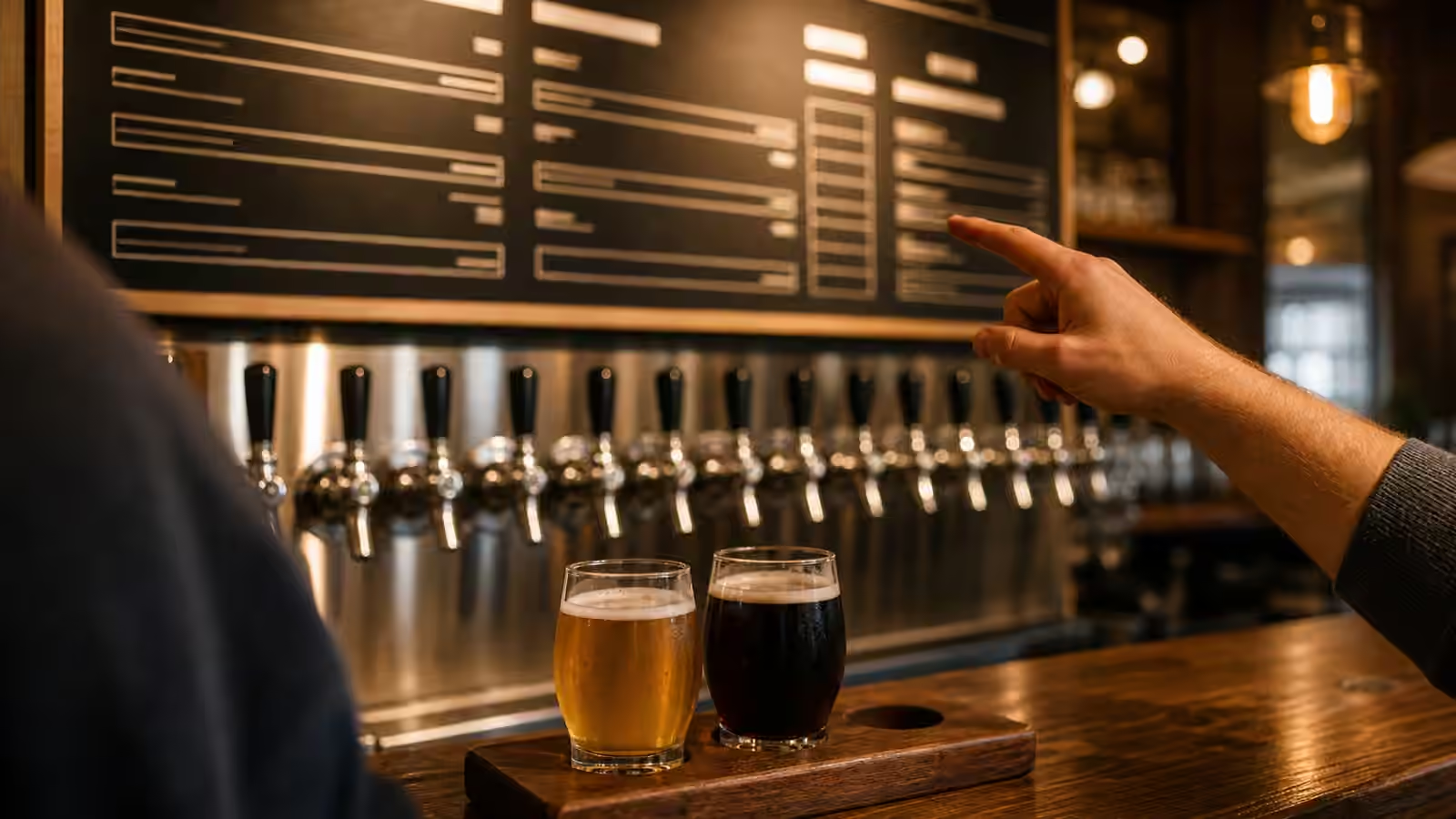
A tap list looks simple until you are standing under it with a line behind you. There may be twenty beers, several names that explain nothing, a few unfamiliar styles, ABV numbers in small print, and a bartender waiting for the order. The trick is not to know every beer. The trick is to read the list in the right order, so you can make a good choice quickly and still leave room for surprise.
Buying packaged beer gives you time to turn cans around and read dates. How to Buy Beer covers that slower shelf habit. A tap list is more immediate. You are reading style, strength, freshness clues, venue context, and your own appetite at once. The goal is not perfection. It is choosing a beer that fits the moment.
Start With The Job
Before reading every line, decide what the beer needs to do. A first pint after work, a beer with dinner, a small pour before leaving, a shared flight, and a slow strong ale are different jobs. If you want refreshment, start by looking for lower strength, crisp styles, and beers that sound clean rather than heavy. If you want a sipping beer, look for higher strength, darker malt, barrel aging, Belgian-style yeast, or strong ale language. If you are eating, think about the food before the beer.
This small decision reduces noise. A tap list full of IPAs, lagers, stouts, sours, and seasonal specials becomes easier when you know the job. You do not need the most interesting beer on the board every time. Sometimes the right beer is the one that stays out of the food’s way. Sometimes it is the one style you have never tried. Sometimes it is the brewery’s quiet lager because the place clearly cares about draft service.
If you do not know what style fits the job, use the broad Beer Styles Guide as your mental map. Pale lager, pilsner, Kolsch, wheat beer, session ale, and lower-strength pale ale usually sit on the refreshing side. Amber lager, brown ale, porter, stout, saison, Belgian-style ale, bock, and strong ale move toward deeper flavor. Sour beer can refresh or dominate depending on acidity and fruit. IPA depends heavily on hop character and freshness.
Read ABV Before The Name Seduces You
Beer names can be charming, confusing, or useless. ABV is more direct. It tells you how strong the beer is and often hints at body, serving size, and pace. A 4.4 percent pilsner and an 8.8 percent double IPA should not be ordered as if they are the same kind of drink. A 10 percent stout may be wonderful, but it may belong in a smaller glass. A 3.8 percent bitter may look modest and still be exactly right for a long conversation.
ABV does not tell you everything. A strong saison may finish dry. A moderate sweet stout may feel fuller than the number suggests. A low-strength sour can still taste intense. But ABV is the best early filter because it protects the pace of the experience. Session Beer goes deeper into lower-strength flavor, and Beer Strength, Body, and Balance explains why strength and heaviness do not always match.
Glass size is part of the same reading. A good bar may pour stronger beers in smaller servings. That is not stinginess. It is appropriate service. If every beer is offered only as a large pour, choose more carefully. A flight or half pour can be the better order when you are unsure.
Use Style Words Before Adjectives
Tap lists often mix style words with marketing words. Style words are more useful. Pilsner, porter, saison, gose, dunkel, pale ale, ESB, hefeweizen, bock, and stout give you a starting expectation. Adjectives like juicy, crushable, bold, smooth, pastry, tropical, imperial, farmhouse, rustic, and hazy may help, but they are less precise. They tell you how the bar or brewery wants the beer to feel. The style tells you more about structure.
Structure is what keeps surprises manageable. If the list says hazy IPA, you can expect hop aroma, lower perceived bitterness than some clear IPAs, a soft body, and a freshness-sensitive beer. If it says dry Irish-style stout, you can expect roast, moderate strength, and a lighter body than the black color suggests. If it says saison, you can expect dryness, yeast character, and high carbonation, though the exact fruit, spice, or hop profile may vary.
When the style is missing, ask one simple question: what is the closest style on the list? A bartender who knows the beer can usually answer in plain terms. If the answer is only more adjectives, ask about bitterness, sweetness, body, and strength. Those four clues are often enough.
Freshness And Turnover Matter On Draft
Draft beer is not automatically fresher than packaged beer. The keg, cooler, gas, lines, faucets, glassware, and turnover all matter. Draft Beer covers the service side in more detail, but a tap list gives clues before the beer arrives.
Look at what the venue seems to sell quickly. A busy taproom pouring its own pale lager and IPA all day is likely turning those kegs. A quiet bar with a huge list of obscure strong beers may have some slow movers. That does not mean the beer is bad, but it changes the risk. Hoppy beers and delicate lagers suffer more from poor turnover than strong dark beers or some sour styles. Even then, dirty lines can damage any beer.
The glass gives the final evidence. Foam should look alive. Aroma should match the style. Beer should not taste buttery, sour in a non-sour style, metallic, papery, or flat. If something seems wrong, it may be the line, keg age, glass, or storage rather than your palate. Beer Off-Flavors is worth reading because it gives names to these service problems.
Flights Are For Questions
A flight is most useful when you have a question. What is the difference between helles and pilsner? How does a saison compare with a wheat beer? Do I like dark lager or porter better? Is this brewery stronger at clean beer or expressive beer? Random flights can be fun, but they often become a blur if every pour is unrelated.
Order the flight from lighter and drier to stronger, sweeter, darker, or more acidic when you can. Save very hoppy, very sour, very smoky, and very strong beers for later in the sequence because they can dominate the palate. Beer Tasting 101 gives formal tasting structure, but a taproom version can stay relaxed. Smell each beer first, take a small sip, then return after a minute. Beer often changes as it warms.
If the bar allows half pours, they can be better than flights. A half pour gives you enough beer to see how it behaves past the first sip. Some beers make a brilliant first impression and become tiring. Others seem quiet at first and become more satisfying. A full pint is not the only honest test.
Ask Better Questions
The best bartender question is specific but not fussy. Instead of asking what is good, say what you want. Ask for something crisp and not too bitter, something malty but not sweet, something sour but not sugary, something hoppy under a certain strength, or something that works with the food you ordered. This gives the person behind the bar a real target.
It also helps to name a beer you liked and what you liked about it. If you say you liked a pilsner because it was dry and herbal, the recommendation will be better than if you say you like lager. If you say you like stout but not sweet stout, you have saved everyone time. Beer vocabulary is not about showing off. It is a practical ordering tool.
A tap list becomes less intimidating when you stop treating it as a test. Read the job, then ABV, then style, then freshness context. Ask one clear question when needed. Choose the beer that fits the moment, not the beer that sounds most elaborate. A good order is not always adventurous. It is the one you are still glad to be drinking halfway through the glass.