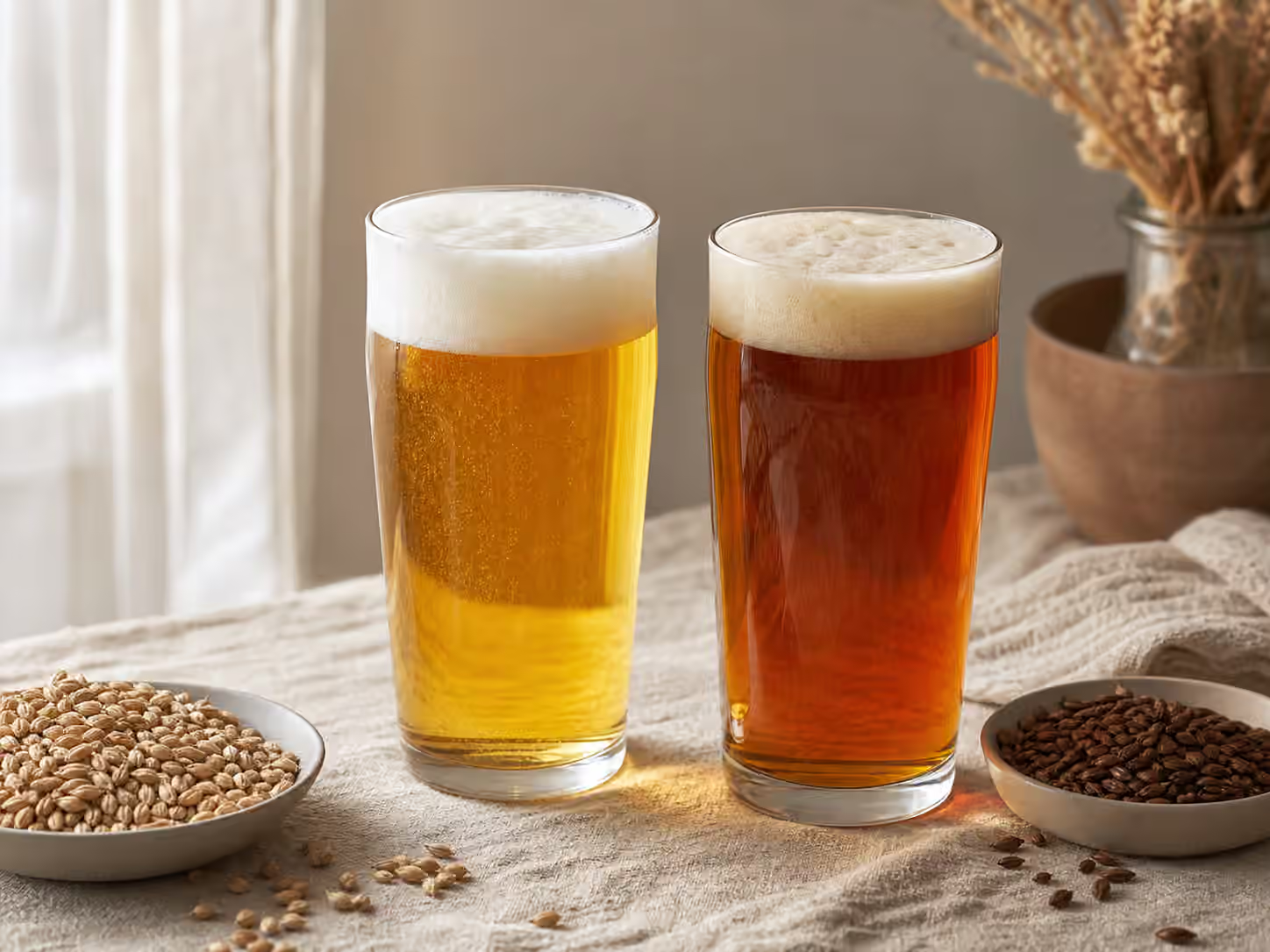
Pilsner and pale lager are often described as simple beers, but simple is not the same as easy. A pale lager gives the brewer very little cover. There is no heavy roast to hide fermentation problems, no thick fruit addition to soften the edges, no oak or spice to distract from the finish. The beer has to be clean, bright, carbonated, and balanced in a way that feels effortless only when the work has been done well.
The larger Lager Styles guide explains cold fermentation and the broad lager family. This guide stays with the pale end of that family: pilsner, helles, export-style lager, American-style pale lager, and the many crisp beers that use pale malt, clean yeast, and disciplined bitterness to create refreshment. They are worth studying because they teach attention. If you can taste structure in a pale lager, you will taste it everywhere else.
Pale Does Not Mean Empty
The first mistake is treating pale lager as a blank beer. Some examples are intentionally mild, but even the quietest pale lager has a structure. Pale malt gives bread, cracker, hay, honey, or soft cereal notes. Hops may add floral, herbal, grassy, spicy, lemony, or bitter accents. Yeast should stay clean, but clean does not mean lifeless. Clean fermentation leaves room for the grain and hops to speak without extra fruit or spice.
Pilsner is the sharper, more defined branch in many drinkers’ minds. It often carries a firmer hop bitterness than softer pale lagers, and the finish can feel snappy, dry, and mineral. A Czech-style pale lager may feel rounder, with richer malt and a softer bitterness. A German-style pilsner may seem leaner and more bitter. A helles usually shifts the emphasis toward malt softness, keeping bitterness low enough that the beer feels smooth and gently bready. These are not rigid boxes, but they are useful expectations when you read a tap list.
The color tells only part of the story. Pale straw, bright gold, and deeper yellow can all live in this zone. Beer Color and Clarity helps with the visual side, but pale lager asks you to connect appearance to behavior. Brilliant clarity suggests careful conditioning and filtration or fining, but a beer can be clear and dull if it is old. A thick white head can make the beer seem lively before the first sip. A flat pour can make even a well-made lager feel tired.
Clean Fermentation Is The Center
Lager yeast usually works cooler and more slowly than ale yeast, which is why clean fermentation became part of lager identity. The goal is not to erase flavor. The goal is to avoid distracting fermentation notes so malt, hops, carbonation, and finish stay clear. When a pale lager tastes like butter, green apple, sulfur that never clears, solvent, or cooked vegetables, the problem is obvious because the beer has nowhere to hide it.
That is why pale lager is a useful companion to Beer Off-Flavors . A little sulfur can appear in some young lagers and fade with proper conditioning. Butter-like diacetyl, rough acetaldehyde, or stale cardboard should not be brushed away as “just lager character.” A clean beer should not taste sterile, but it should taste deliberate. If the malt seems crisp, the hops land clearly, and the finish invites another sip, the fermentation is doing its job.
The best pale lagers often feel quiet at first and more detailed as the glass goes on. You may notice a gentle bread crust note, then a floral hop aroma, then a mineral edge in the finish, then the way carbonation scrubs the palate without feeling harsh. Nothing is loud. The pleasure is in proportion.
Bitterness Should Shape The Finish
Pilsner bitterness is not the same as IPA bitterness. It is usually more restrained, but it may feel more exposed because the beer is dry and pale. A good pilsner uses bitterness as a line through the finish. It keeps malt from becoming sweet, makes the beer feel refreshing, and leaves a clean impression after the swallow. The bitterness should not scrape. It should make the next sip seem obvious.
The Beer Bitterness and IBU guide is useful here because measured bitterness and perceived bitterness can separate. A pale lager with a dry finish and lively carbonation may feel sharper than its number suggests. A rounder helles may carry some bitterness without seeming bitter because malt softness cushions it. Water chemistry can also change the impression. Sulfate can make hop bitterness seem drier and more defined, while chloride can make malt feel rounder. You do not need lab numbers at the table, but you can taste the effect.
Hop aroma in pale lager is usually measured rather than explosive. Floral, herbal, spicy, grassy, or lemon-peel notes can appear, especially in pilsner. If the aroma turns cheesy, papery, or dull, the beer may be old or poorly stored. If it smells heavily tropical, resinous, or candy-like, you may be drinking a modern hoppy lager rather than a classic pale lager. That can be enjoyable, but it changes the job of the beer.
Freshness And Handling Matter
Pale lager is unforgiving about handling. Light can make hop compounds turn skunky, especially in clear or green glass. Heat can dull malt and flatten hop aroma. Oxygen can push the beer toward paper, honeyed staleness, or a general tired sweetness. Because the flavor profile is so clean, those small changes become easy to notice.
This does not mean pale lager must be consumed in panic. It means you should buy it from places that treat it like fresh food. Cold storage, good turnover, undamaged packaging, and a clear date all help. Beer Packaging explains the container side, and the same advice matters here: cans block light, brown bottles protect better than green or clear glass, and draft depends on clean lines plus steady turnover.
Draft pale lager can be beautiful because it shows foam, carbonation, and freshness so clearly. It can also reveal every service flaw. A dirty glass can collapse the head. A warm line can make the beer seem flabby. Excessive pressure can make carbonation bite too hard. A slow-moving keg can taste old even when the beer began well. Pale lager teaches you that draft is not automatically better; it is better when the service protects the beer.
Serving Temperature And Glass Shape
Pale lager should be cool enough to refresh but not so cold that it becomes mute. Straight from an icy fridge, the beer may show bubbles and bitterness but little malt or hop aroma. As it warms slightly, the grain and hops become easier to read. Too warm, and the beer can lose its snap. The right range depends on the style and the setting, but the rule is practical: if the beer tastes like cold fizz, wait a few minutes; if it tastes sweet and flat, it has gone too warm or was not handled well.
Glassware matters because foam and aroma matter. A tall pilsner glass shows clarity and rising bubbles, but a simple willi becher, stange, or clean nonic pint can work. The important part is cleanliness. Soap film, grease, or dust can kill foam, and foam is part of how pale lager smells and drinks. Beer Glassware covers the wider glass world, but pale lager keeps the lesson honest. A clean, simple glass beats a fancy dirty one every time.
Pour with enough energy to build a head. Many drinkers fear foam because they think it means less beer, but a proper head releases excess gas, carries aroma, and improves texture. A beer poured with no foam can feel bloated in the stomach and flat in the glass at the same time. Beer Carbonation and Foam explains why the bubbles are not decoration. In pale lager, they are part of the beer’s architecture.
Food And The Value Of Restraint
Pale lager works with food because it refreshes without taking over the table. Pilsner bitterness can cut fried food, sausages, schnitzel, grilled chicken, potato dishes, and salty snacks. Helles can sit comfortably beside roast chicken, pretzels, soft cheese, and lighter sandwiches. A clean American-style pale lager can be exactly right with tacos, burgers, pizza, or spicy food when a louder beer would compete.
The pairing logic is not complicated. Carbonation lifts fat. Bitterness cleans the finish. Pale malt echoes bread, toast, and grain. Low fermentation character keeps the beer flexible. The Beer and Food Pairing guide gives the broader method, but pale lager is where the method feels least theatrical. It is a beer that often succeeds by staying useful.
That usefulness is easy to underrate. A great pale lager may not interrupt a conversation. It may not ask for a tasting notebook. It may simply keep tasting clean, bright, and balanced until the glass is empty. That is not a lack of ambition. It is a different kind of ambition, one built on precision rather than volume. When you taste pilsner or pale lager, look for the quiet details: foam that lasts, malt that feels fresh, bitterness that finishes cleanly, carbonation that refreshes, and a final sip that still tastes like the beer you wanted at the beginning.