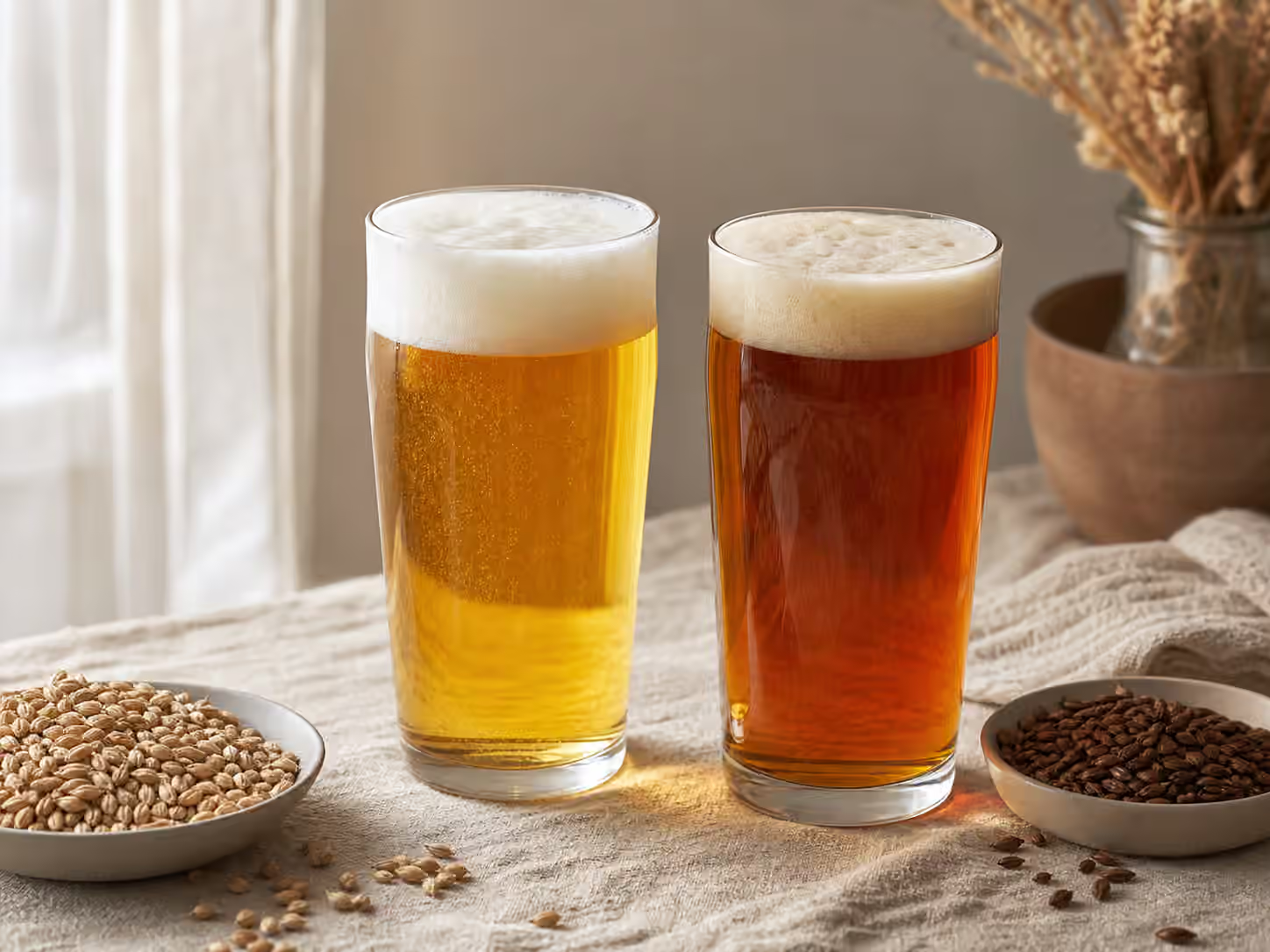
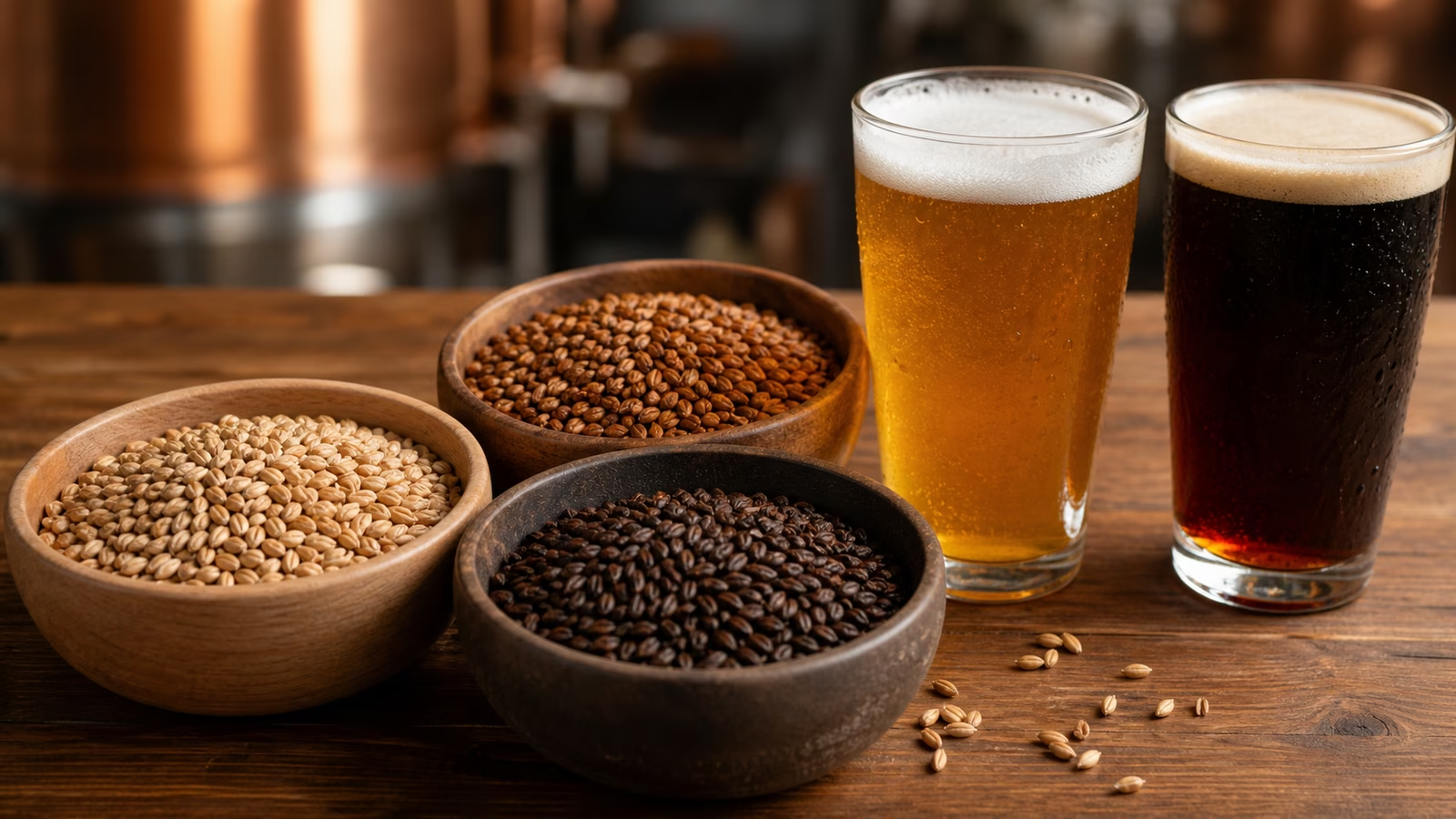
Pale ale, amber ale, and brown ale occupy the middle of the beer map. They are not as austere as many pale lagers, not as intensely hop-driven as many IPAs, not as dark as stout, and not as strange to newcomers as sour or wild beer can be. That middle position makes them easy to overlook. It also makes them some of the most useful beers to understand, because they show balance without requiring a dramatic hook.
These styles are where malt and hops learn to share the table. Pale ale may lean bright and citrusy, amber ale may bring caramel and toast, brown ale may move toward nutty, cocoa-like, or bread-crust flavors, but none of them needs to shout. When they are made well, they are the beers you can drink with dinner, recommend to someone who wants flavor without weight, or use as a reference point when learning how malt, bitterness, body, and finish fit together.
If the main Beer Styles Guide gives you the wide map, this guide fills in the approachable middle. It is especially useful after reading Understanding Malt and Beer Bitterness and IBU , because these ales make both lessons visible in one glass.
Pale Ale Is Not Just A Smaller IPA
Modern beer menus often treat pale ale as IPA’s quieter sibling, and there is truth in that. Pale ales can share hop varieties, citrus aroma, pine, flowers, tropical fruit, and a clean bitter finish. But a good pale ale is not simply an IPA with less intensity. It has its own balance. The malt is more visible, the bitterness usually sits lower, and the beer should feel complete at a moderate strength.
American pale ale often shows citrus, pine, light caramel, biscuit, and a dry finish. English pale ale and bitter can feel softer, with earthy hops, marmalade, toast, and a gentler carbonation profile. Modern hazy pale ale may borrow the aroma of hazy IPA while keeping the body and alcohol more restrained. The useful question is not which version is authentic. It is whether the beer lands in balance.
Balance does not mean equal flavor. A pale ale can be hop-forward. The difference is that the hops should not erase the beer underneath. You should still sense grain, body, and a finish that invites another sip. If the beer tastes sharply bitter, sticky, sweet, or washed out, the name on the tap handle cannot fix the structure.
Amber Ale Makes Malt Easier To See
Amber ale is one of the clearest ways to taste caramel malt without entering dark beer territory. The color usually comes from kilned and crystal malts that bring toast, caramel, light toffee, bread crust, and sometimes a hint of red fruit. Hops still matter, but they often frame the malt rather than dominate it.
This is why amber ale can be such a useful bridge. A drinker who finds IPA too bitter may enjoy amber ale because the malt rounds the edges. A lager drinker who wants more depth may find amber ale flavorful without being heavy. A stout drinker may appreciate the toast and caramel while enjoying a lighter body.
The risk is sweetness. Amber ale can become cloying when crystal malt gets heavy and bitterness does not keep pace. A good version has enough dryness to finish cleanly. The last sip should not feel like syrup. It should leave a trace of toast, caramel, and hop bitterness that feels settled rather than sticky.
Food makes amber ale even clearer. It works with burgers, roast chicken, grilled vegetables, pizza, tacos with mild heat, and cheddar because it has enough malt to meet browned food and enough bitterness to keep fat from feeling dull. For a broader pairing framework, Beer and Food Pairing gives the principles, but amber ale is one of the easiest practice beers.
Brown Ale Is Dark Without Being Stout
Brown ale is often misunderstood because people see the color and expect stout or porter. Brown ale is usually gentler. It may taste nutty, toasty, lightly chocolatey, bready, or caramel-like, but it does not usually carry the firm roast bitterness of stout or the deeper coffee edge of many porters. It lives in the space between amber ale and dark beer.
English brown ale can be soft, nutty, and modest in strength. American brown ale often adds more hop character and a firmer bitterness. Some versions move toward cocoa and toasted bread, while others feel almost like a darker bitter. The style has range, but its best examples share restraint. They make dark malt approachable without turning every sip into roast.
This makes brown ale useful for people who think they do not like dark beer. The color alone does not tell you how bitter, strong, heavy, or roasted the beer will be. The guide to Porter and Stout explains the darker end of the family, but brown ale is the softer doorway.
Color Is A Clue, Not A Verdict
The progression from pale to amber to brown teaches one of beer’s most important lessons: color suggests ingredients, but it does not decide flavor by itself. A pale ale may taste more bitter than a brown ale. An amber ale may feel sweeter than a dark mild. A brown ale may be lighter in alcohol than a golden Belgian-style ale. Color helps you ask better questions, not skip tasting.
The guide to Beer Color and Clarity covers this in more detail. In these styles, look at the beer before you sip and make a guess. Pale gold may suggest biscuit and hops. Amber may suggest caramel and toast. Brown may suggest nut, bread crust, cocoa, or deeper malt. Then smell and taste to see what the beer actually does.
Foam and carbonation matter too. Pale ale often benefits from a lively pour that lifts hop aroma. Amber ale can feel heavy if it is undercarbonated. Brown ale may carry a softer foam that suits its malt profile. The mechanics of Beer Carbonation and Foam are not decoration here. They shape whether the beer feels bright, round, dull, or fresh.
Choosing The Right Middle Beer
When a tap list feels crowded, these styles can help you choose by mood. If you want hops without IPA intensity, pale ale is the first place to look. If you want malt, toast, and a little sweetness without dark roast, amber ale is the better choice. If you want darker flavor without stout weight, brown ale deserves attention.
Strength is part of the choice. Many pale, amber, and brown ales sit in a comfortable range for a full pour, though versions can climb higher. Read the ABV before assuming the style tells the whole story. A strong American brown ale can drink bigger than a modest porter. A low-strength pale ale can have more flavor than its number suggests if the brewer keeps body and bitterness in proportion.
Freshness matters, especially for pale ales with expressive hops. Amber and brown ales may tolerate a little age better because they rely more on malt, but they still taste best when handled well. Oxidation can turn caramel into stale sweetness and hops into dull bitterness. Beer Packaging and Beer Off-Flavors help explain why a beer in this middle zone can taste tired even when nothing is dramatically wrong.
The quiet strength of pale, amber, and brown ales is that they do not need an event around them. They can be careful, flavorful, moderate beers for ordinary meals and ordinary conversations. That makes them easy to underrate. Learn them well, and the rest of the beer menu becomes easier to read, because you can feel exactly how much a beer moves away from the center.