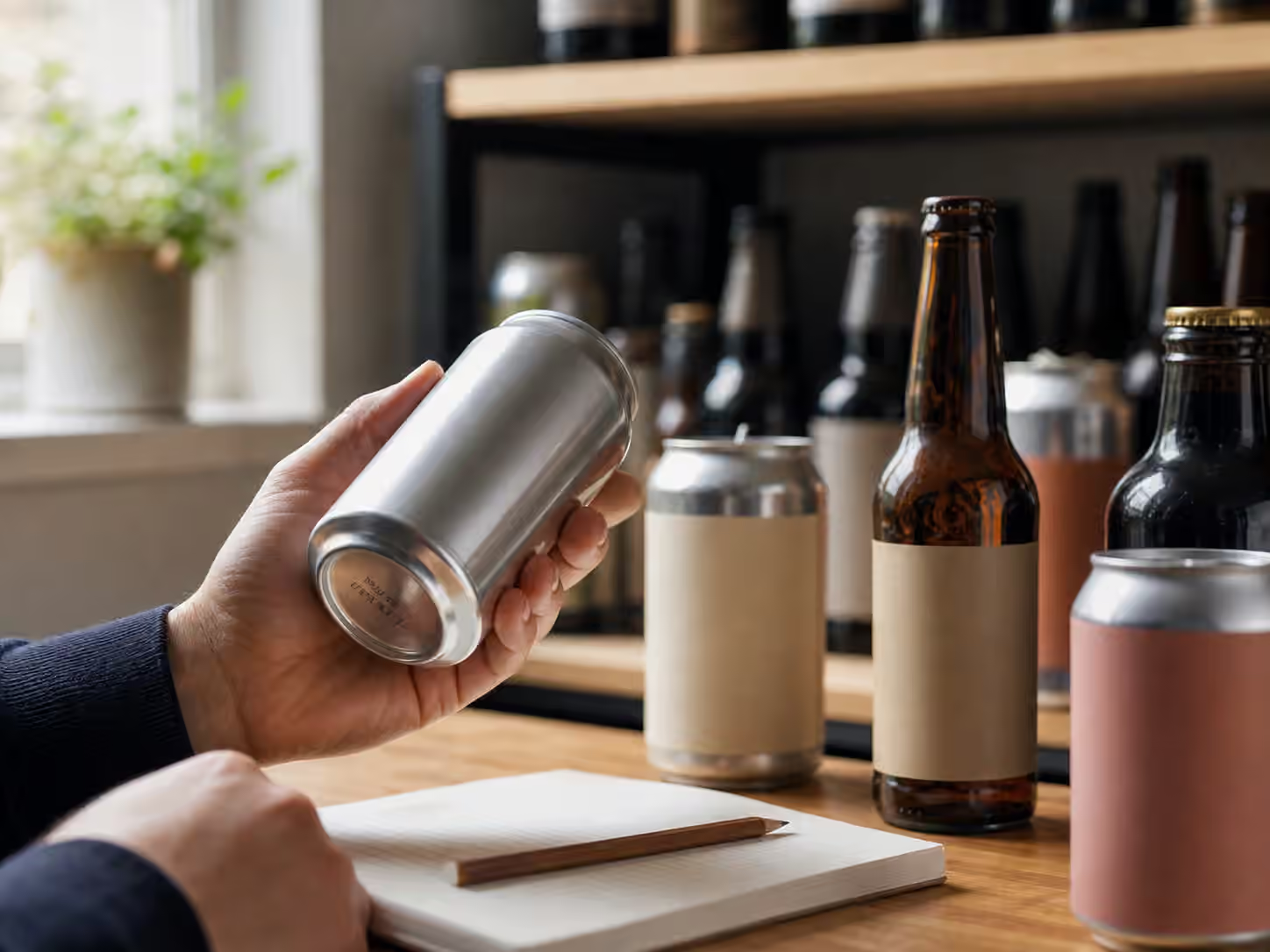
Non-alcoholic beer is easiest to understand when you stop treating it as an apology for regular beer. The best examples are not trying to perform a magic trick in which nothing has changed. Something has changed: alcohol is absent or greatly reduced, and alcohol is one of the things that carries aroma, adds warmth, rounds bitterness, lifts sweetness, and gives beer part of its weight. A good non-alcoholic beer works because the brewer has rebuilt balance around that absence instead of pretending it does not matter.
That makes non-alcoholic beer a useful tasting subject. It teaches you how much of beer comes from malt, hops, yeast, carbonation, bitterness, acidity, and serving temperature before alcohol enters the conversation. If you have read Beer Strength, Body, and Balance , this guide is the quiet companion to it. Strength changes flavor, but flavor does not disappear when strength drops.
The first expectation to adjust is body. Alcohol adds a sense of fullness and softness, especially in beer above modest strength. Remove it and the beer can feel thinner, sharper, sweeter, or more watery unless the recipe is built carefully. Brewers may answer with more malt character, specialty grains, wheat, oats, dextrins, controlled sweetness, acidity, or a tighter carbonation profile. The goal is not to make the beer heavy. It is to give the palate something to hold after the first burst of aroma fades.
The second expectation is finish. A normal-strength pale ale can use alcohol, malt, bitterness, and hop aroma to make the finish feel complete. A non-alcoholic pale ale has less warmth and less structural cushion, so bitterness can seem more exposed. If the beer is too dry, it may vanish. If it is too sweet, it may taste like wort or grain syrup. If the hops are too aggressive, it can feel like hop tea. The best versions have a finish that lands cleanly, with enough malt or texture to keep the bitterness from scraping.
How Brewers Build Flavor Back In
There is no single method for making non-alcoholic beer, and the method matters because it leaves sensory fingerprints. Some beers are fermented in a way that naturally limits alcohol production. Some are brewed normally and then have alcohol removed through careful processing. Some use specialized yeast or controlled fermentation so the beer develops aroma without producing much alcohol. Each path has tradeoffs.
Limited fermentation can preserve a fresh malt impression, but it risks tasting too much like unfermented wort if the beer does not get enough fermentation character. Alcohol removal can begin with a fuller beer, but the process may strip volatile aroma unless it is handled gently. Specialized yeast can create useful flavor, but the final beer still needs balance between sweetness, bitterness, carbonation, and aroma. From the drinker’s side, you do not need to know the equipment. You only need to ask whether the beer tastes finished.
Finished is the important word. Beer that tastes like sweet grain water, stale hop extract, or soda with bitterness has not solved the problem. Beer that smells fresh, pours with believable foam, carries a clear style idea, and leaves a clean finish has done real brewing work. The standard should be fair but not sentimental. Non-alcoholic beer deserves the same careful attention you would give any other beer.
Malt is often the foundation. Pale malt can bring cracker, bread dough, honeyed grain, and cereal notes. Munich, Vienna, crystal, roasted malt, wheat, and oats can add depth, color, foam, or texture. But the malt cannot simply be turned up without limit. Too much sweetness makes the absence of alcohol more obvious. Understanding Malt is useful here because it separates malt flavor from sugary heaviness. Non-alcoholic beer usually needs malt character more than malt syrup.
Hops do a different job. They can make non-alcoholic beer feel vivid by adding citrus, pine, herbs, flowers, tropical fruit, or spice. They can also cover thinness for a moment, then leave the finish harsh. Hop aroma fades with time, and low-strength beer often has less structure to hide fading. A fresh, cold, hop-forward non-alcoholic beer can be lively. The same beer warm and old can taste grassy, papery, or blunt. The principles from Understanding Hops and Beer Packaging apply with very little forgiveness.
Style Expectations Still Matter
Non-alcoholic beer is not one style. It is a strength category that can borrow from many styles. A non-alcoholic lager should be judged differently from a non-alcoholic stout, wheat beer, pale ale, IPA, or sour. The same broad map from the Beer Styles Guide still helps, but you read it with the strength lowered.
Lager-inspired examples need cleanliness. Pale malt, crisp carbonation, restrained bitterness, and a quick finish can work well because the style already values refreshment. The risk is emptiness. If the beer has no grain aroma, no hop snap, and no foam life, it may taste like lightly bitter sparkling water. The best examples keep enough malt and finish to feel like beer, not just a cold beverage.
Wheat-inspired examples often have an advantage because wheat supports foam and softness. Yeast character, citrus, gentle spice, and haze can make a low-strength beer feel more complete. A non-alcoholic witbier or hefeweizen-inspired beer can succeed without needing heavy malt because the style already leans on aroma, foam, and texture. If you want to understand why, read Wheat Beer beside a low-strength example and notice how much of the style comes from yeast and grain softness rather than alcohol.
Stout and dark ale versions can work when roast supplies structure. Coffee-like bitterness, cocoa, toast, and dark bread can give the palate something firm. But roast can also become acrid if the beer is thin, and sweetness can become obvious if the brewer tries to fake body with too much residual sugar. A good dark non-alcoholic beer tastes composed. A weak one tastes like cold coffee mixed with malt syrup.
IPA-style versions are popular because hop aroma sells the idea quickly. The first smell may be convincing, especially when the beer is fresh. The harder test is the middle and finish. Does the beer still feel like beer after the aroma lift? Does bitterness have a cushion? Does the finish invite another sip, or does it collapse into hop burn and sweetness? Beer Bitterness and IBU helps explain why bitterness is not just a number. In low-strength beer, bitterness is a structural decision.
Serving Makes A Large Difference
Non-alcoholic beer is sensitive to service because small flaws have less room to hide. Serve it too cold and the aroma may disappear, leaving only carbonation and bitterness. Serve it too warm and sweetness, wortiness, or stale hop character can step forward. Most examples do well cold but not numb, with a clean glass and a real pour that builds foam.
Foam matters more than it may seem. It carries aroma and gives the beer a visual promise of structure. A flat, headless pour makes thinness more obvious. A lively pour with tight foam can make even a modest beer feel intentional. Beer Carbonation and Foam is worth reading here because bubbles are not decoration. They shape aroma, mouthfeel, and finish.
Use a glass when you are judging quality. Drinking from the can may be perfectly fine at a picnic or after yard work, but it hides aroma and makes every beer seem narrower. A pilsner glass, tulip, small nonic, or simple stemmed glass gives you more information. Look at the foam. Smell before tasting. Take a small sip, then notice what remains after the swallow. The routine from Beer Tasting 101 works especially well because it slows down assumptions.
Freshness is just as important. Non-alcoholic beer can suffer from oxidation, stale hops, light exposure, and warm storage like any other beer. Some examples may also be pasteurized or handled differently for stability, which can change the freshness impression. The practical habit is simple: buy from cold storage when possible, look for clear dating, keep it cold at home, and drink hop-forward versions promptly. Do not cellar non-alcoholic beer as if it were a strong stout or barleywine. Most of it is built for freshness, not age.
How To Judge It Fairly
A fair tasting begins with the job the beer is trying to do. If it is a crisp lager, ask whether it refreshes, smells clean, and finishes without stale sweetness. If it is a pale ale, ask whether hop aroma and bitterness feel integrated. If it is a stout, ask whether roast gives shape without harshness. If it is a wheat beer, ask whether foam, yeast character, and grain softness carry the glass.
Do not judge every non-alcoholic beer by how closely it imitates a stronger beer. Some will never have the warmth, body, or aroma lift of their normal-strength relatives. That does not make them failures by default. A smaller beer can be satisfying on its own terms if it has balance, freshness, texture, and a clear style idea. The related guide to Session Beer makes the same point from the other direction: modest strength can still carry flavor when the recipe respects its limits.
At the same time, do not lower the bar so far that any cold, bitter drink counts. A good non-alcoholic beer should taste brewed. It should have a beginning, middle, and finish. It should not rely only on hop perfume, caramel coloring, sugar, or carbonation. It should not taste unfinished. If a beer seems thin, worty, stale, metallic, or oddly sour for the style, the language from Beer Off-Flavors still applies.
The best way to learn the category is comparison. Taste two or three examples in the same general style, not six random cans at once. Put two pale versions side by side and notice malt, hop aroma, bitterness, and finish. Compare a wheat-inspired beer with a lager-inspired one and pay attention to foam and body. Try a dark version slightly warmer than fridge-cold and see whether roast opens or harshness grows. Small comparisons teach more than brand loyalty.
Non-alcoholic beer is not a shortcut around beer knowledge. It is a place where beer knowledge becomes more visible. Malt has to carry more. Hops have to be chosen with care. Yeast character, carbonation, texture, freshness, and service all matter. When the balance is right, the beer does not ask to be forgiven. It simply gives you a cold glass with aroma, foam, flavor, and a clean reason to take another sip.