Milk stout and sweet stout live in the space where roast meets softness. They can be dark, creamy, gently sweet, and approachable, but they are easy to misunderstand. Sweetness is not a flaw by itself, and roast is not a guarantee of dryness. The style works when lactose or residual sweetness gives body and roundness while roasted malt, carbonation, bitterness, and serving temperature keep the beer from becoming syrup.
The broader Porter and Stout guide explains the dark beer family without treating color as a warning sign. This guide narrows in on the sweeter branch. It is useful because many drinkers meet dark beer through either dry Irish stout or dessert-like pastry stout, then assume everything black belongs to one of those extremes. Milk stout sits between them when it is handled well.
What Lactose Does
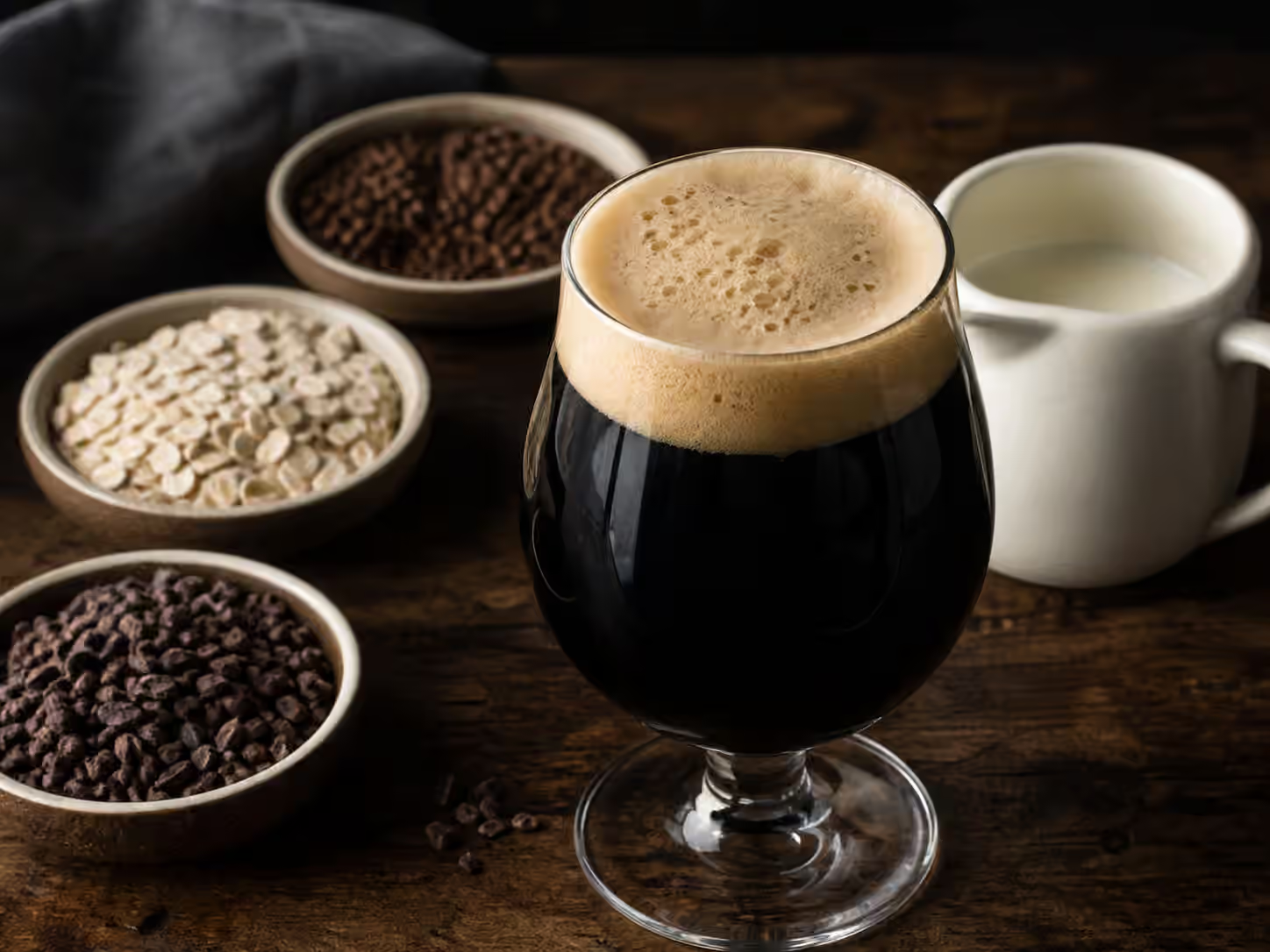
Milk stout gets its name from lactose, a milk sugar that brewing yeast does not fully ferment. Because the yeast leaves it behind, lactose can add sweetness, body, and a soft impression that rounds roast. It does not turn beer into milk, and it should not make the glass taste like a dairy product. Its job is structural: to make the dark malt feel smoother and to give the finish more cushion.
That cushion matters because roasted grains can be sharp. Coffee-like bitterness, cocoa, char, burnt toast, and dark bread flavors can become harsh if the beer has no body. Lactose can soften those edges. It can also make the beer taste heavy if the recipe leans too far. A good milk stout feels rounded, not sticky. You should still be able to sense beer underneath the sweetness.
Some sweet stouts may use other sources of residual sweetness or body, such as crystal malt, oats, higher mash temperatures, or recipe choices that leave more unfermented material. Lactose is common, but the broader style lesson is balance. Sweetness should support roast and mouthfeel. It should not become the only thing you remember.
Roast Has To Stay In The Beer
Dark malt gives stout its anchor. Without roast, a sweet stout can taste like brown sugar water with foam. The roast does not need to be aggressive, but it should be present enough to give shape. Common notes include cocoa, coffee, toasted bread, dark chocolate, roasted barley, molasses, or a faint nutty edge. The goal is not burnt intensity. It is contrast.
Dry stout often uses roast to create a crisp, almost drying finish. Milk stout uses roast differently. The roast may be softer and more chocolate-like because sweetness rounds the edges. Bitterness from roasted malt and hops still matters, but it usually works behind the sweetness rather than cutting through it sharply. If the finish is all sugar, the beer becomes tiring. If the roast is all ash, the beer loses the gentleness that makes the style inviting.
This is where Understanding Malt helps. Malt is not one flavor. Pale malt, crystal malt, chocolate malt, black malt, roasted barley, oats, and other grains all shape color, body, aroma, and finish differently. A good sweet stout tastes designed, not merely darkened.
Body Is The Real Test
The best milk stouts feel full enough for the flavor but not so thick that a glass becomes work. Body can come from lactose, oats, residual dextrins, carbonation choices, and the shape of the malt bill. It can also be exaggerated by serving too warm or by pouring a beer that has lost carbonation. Sweetness without lift feels flat.
Carbonation gives the beer movement. It cuts through sweetness, carries aroma, and helps the finish clear. Nitro service can add creaminess through tiny bubbles and a dense head, but nitro is not required for the style. It can be beautiful when the base beer has enough roast and structure. It can be dull if the beer is already too sweet and the soft texture removes the last edge.
The Cask Ale and Nitro Beer guide explains why texture changes judgment. A nitro milk stout should not be expected to prickle like a fizzy lager, but it still needs flavor definition. Creaminess is pleasant only when it carries roast, malt, and finish. Texture alone is not balance.
Adjuncts Can Help Or Hide
Modern sweet stouts often include cocoa, coffee, vanilla, coconut, maple, cinnamon, peppers, nuts, fruit, or other additions. These can be excellent when they deepen the beer’s existing roast and sweetness. Cocoa can echo chocolate malt. Coffee can sharpen roast. Vanilla can soften edges. Oats can add body. A small amount of spice can make the aroma feel layered.
They can also hide a weak stout. If the base beer has no malt structure, additions may create a dessert impression for two sips and then leave a hollow finish. If the sweetness is too high, adjuncts can make the beer taste like syrup. If roast is too low, the beer may lose its connection to stout entirely. Beer Adjuncts and Specialty Ingredients is useful here because it separates integration from novelty.
Labels can help set expectations. Milk stout, sweet stout, cream stout, oatmeal milk stout, coffee milk stout, and pastry stout do not all promise the same thing. A classic milk stout may be moderate, roasty, and soft. A pastry stout may be stronger, sweeter, and built around dessert flavors. Both can be enjoyable, but they should not be judged by the same yardstick.
Serving Temperature Changes Sweetness
Serve sweet stout too cold and it may taste like cold roast with muted aroma. Serve it too warm and sweetness can swell until the beer feels heavy. A cool but not icy temperature usually works well. Let the glass warm a little and notice when chocolate, coffee, toast, vanilla, or grain appears. Stop before alcohol, syrup, or flabby sweetness becomes the main event.
Glassware does not need to be complicated. A clean nonic pint, tulip, small stemmed glass, or stout glass can all work. Stronger or sweeter versions often benefit from smaller pours. A full pint of a rich sweet stout may sound comforting but become tiring. A smaller glass can make the same beer feel composed.
Freshness still matters. Some stronger dark beers can develop with age, but many milk stouts are meant to be drunk while the roast is clean and the sweetness is integrated. Oxidation can turn dark beer toward stale coffee, cardboard, soy-like notes, sherry, or dull caramel depending on the beer. Those flavors are not automatically welcome just because the beer is dark. Beer Off-Flavors helps with that distinction.
Food Pairing Is About Contrast
Sweet stout can work beautifully with dessert, but dessert is not the only path. Chocolate cake, brownies, vanilla ice cream, and cream-based desserts are obvious partners because the beer echoes cocoa and sweetness. The risk is overload. A very sweet dessert beside a very sweet stout can make both seem flat unless roast or bitterness brings contrast.
Savory food can be more revealing. Barbecue, burgers, roasted mushrooms, chili, braised beef, salty fries, blue cheese, aged cheddar, and smoked foods can use the beer’s sweetness as relief while roast meets browned flavors. The beer can behave a little like a dark sauce: sweet enough to round the plate, bitter enough to keep it adult, and carbonated enough to reset the palate.
The broader Food and Beer Pairing guide gives the map, but milk stout teaches one very practical lesson. Sweetness needs a counterweight. That counterweight can be roast, salt, bitterness, carbonation, char, acid in the food, or a smaller pour. Without it, the beer and the plate both become soft.
Milk stout and sweet stout are generous styles when they are built with restraint. They welcome drinkers who find dry stout too austere and imperial stout too heavy. They show how dark malt can be round, how sweetness can be structural, and how creaminess can serve flavor rather than replace it. The best glass finishes with roast still present, sweetness still controlled, and enough lift to make another sip feel like a good idea.