Marzen and Oktoberfest beer occupy a friendly part of the beer world. They look generous, pour amber to copper, smell like toasted bread and light caramel, and seem made for food, conversation, and more than one sip. That friendliness can make them seem obvious, but the best examples are more disciplined than they first appear. They are malt-forward lagers, not sweet amber ales in costume, and their charm depends on clean fermentation and a dry enough finish.
The broader Lager Styles guide explains why cold fermentation matters. In Marzen and Oktoberfest-style beer, that clean lager base carries richer malt than pale lager while keeping the beer smooth, bright, and drinkable. The style teaches an important beer lesson: malt can be flavorful without becoming heavy, and a beer can feel seasonal without relying on spice, fruit, or novelty.
Amber Lager Is Built On Malt
The first thing to notice is the malt. A good Marzen may suggest bread crust, toast, biscuit, light caramel, honeyed grain, or a gentle nuttiness. These notes should feel integrated rather than syrupy. The sweetness may be present at the start of the sip, but the beer should not finish like candy. Lager cleanliness and measured bitterness keep the malt from spreading across the palate unchecked.
That balance separates Marzen from many generic amber beers. Color alone is not enough. Beer Color and Clarity is useful because amber color can come from different malt choices and does not guarantee a specific flavor. A Marzen should use its color to prepare you for toast and malt depth, but the glass still has to deliver clarity, foam, and a finish that makes sense.
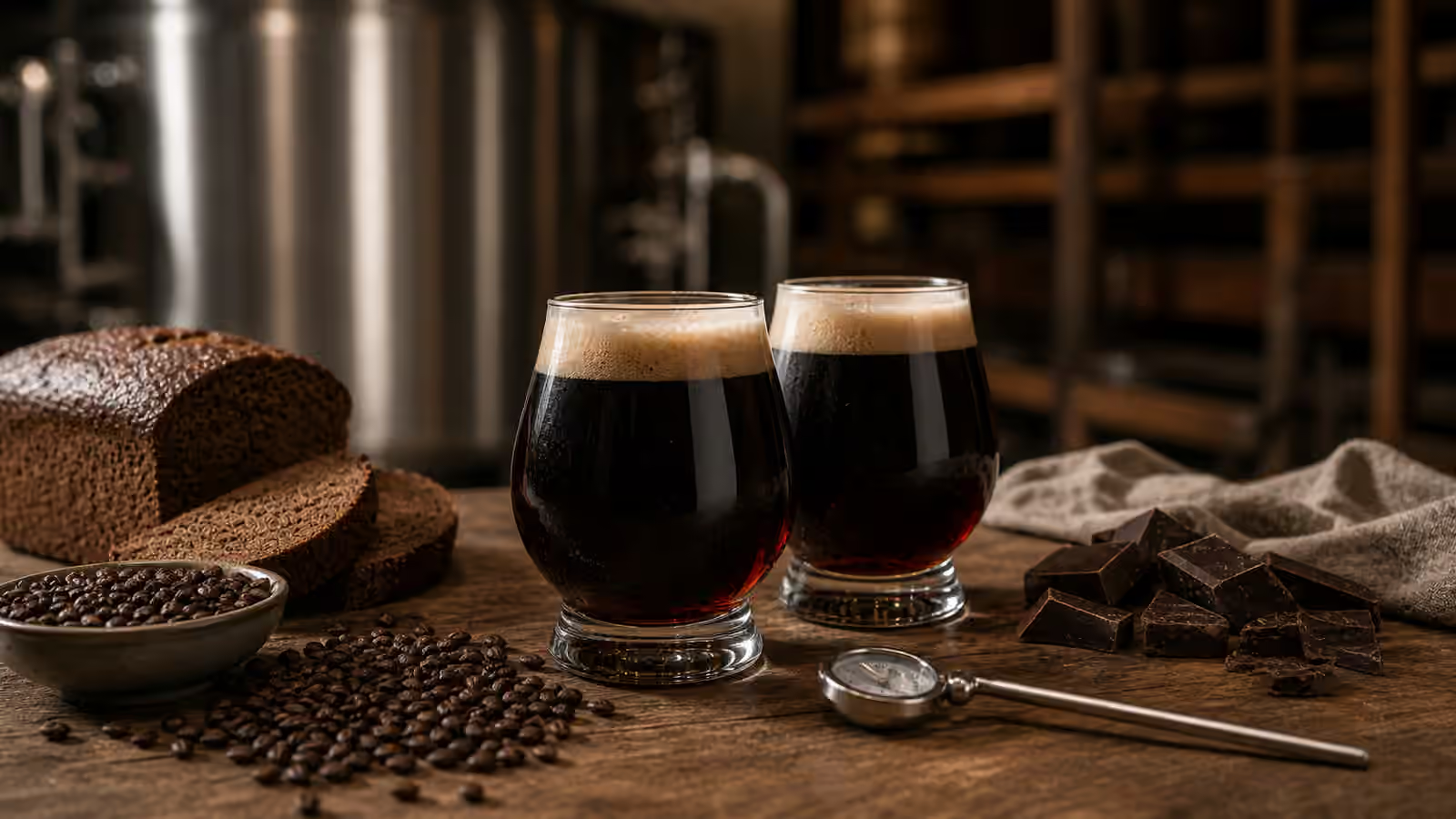
The malt character also differs from dark lager and porter. It should not taste heavily roasted, burnt, coffee-like, or chocolatey. If a beer moves strongly in that direction, it has left the Marzen center and moved toward darker styles. The pleasure here is middle malt: enough depth to feel autumnal, enough restraint to remain refreshing.
Oktoberfest Beer Is A Moving Target
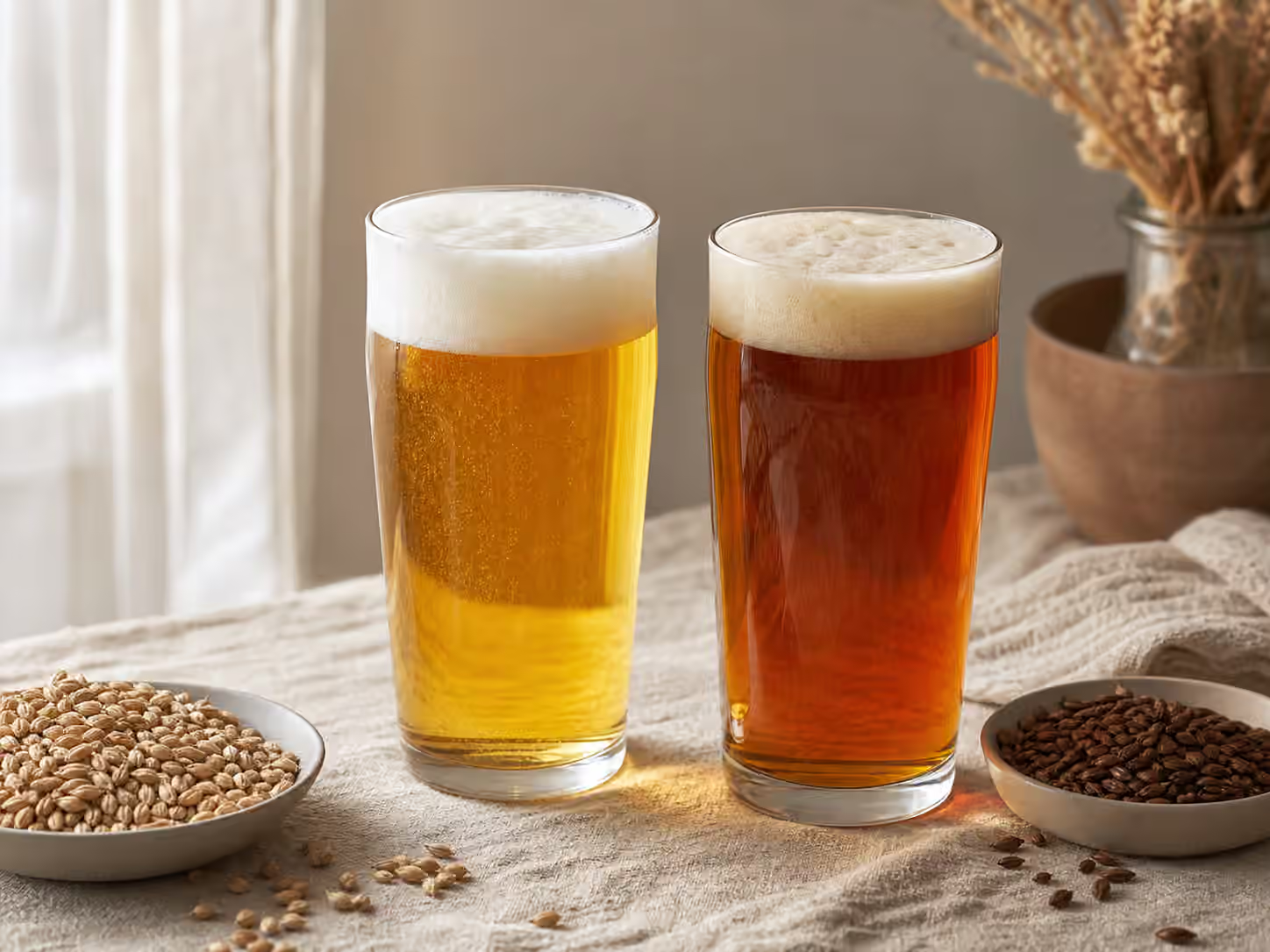
Oktoberfest beer can confuse drinkers because the word points to both a celebration and a family of beers. Many older expectations center on amber Marzen. Some modern festival lagers are paler, lighter, and closer to a strong helles, built for long drinking sessions in large mugs. Outside Germany, many seasonal beers labeled Oktoberfest lean amber because that image has become familiar.
Rather than fight the label, read the beer in front of you. If it is amber, expect toast, smooth malt, moderate strength, clean fermentation, and a finish that should stay drinkable. If it is pale gold, expect a softer, brighter lager with less caramel and a lighter malt profile. Both can be appropriate in context. The important question is whether the beer is coherent.
This is where Beer Strength, Body, and Balance helps. Oktoberfest-style beer may be stronger than everyday pale lager, but it should not taste hot or heavy. A slightly elevated strength can give malt roundness and presence. Too much sweetness or alcohol warmth turns a festive lager into work. The beer should feel substantial enough for cool weather and food, yet clean enough that the last third of the mug is still appealing.
Clean Fermentation Keeps The Beer Moving
Marzen is a lager, and that matters. Ale-like fruitiness can make the malt seem jammy. Rough fermentation can turn caramel into heaviness. Diacetyl can add butter where the beer needs clean bread and toast. Oxidation can turn malt from fresh crust into stale cardboard or dull honey. Because the style depends on malt, flaws that damage malt freshness show up quickly.
The guide to Beer Off-Flavors is useful when tasting amber lager because some flaws masquerade as richness. A small impression of caramel belongs. A stale, papery, sherry-like dullness usually does not. A soft malt sweetness belongs. Slick butter does not. Toast belongs. Burnt harshness does not. The more you separate these notes, the easier it becomes to judge the beer fairly.
Freshness still matters, even though Marzen is not as hop-fragile as many IPAs. Heat and oxygen flatten malt. Light can hurt hop compounds. Poor draft service can make the beer taste sour, metallic, buttery, or flat. Good examples often seem sturdy, but sturdy is not the same as indestructible. Beer Packaging gives the buying clues: cold storage, good turnover, protected packaging, and dates when available.
Bitterness Is Quiet But Necessary
The hops in Marzen are usually not the headline. They support the finish. You may notice herbal, floral, spicy, or lightly earthy hop character, but the main job is to prevent malt from becoming sticky. The bitterness should be moderate and smooth, not sharp enough to pull the beer away from its malt center.
That quiet bitterness can be hard to appreciate until it is missing. A sweet amber lager with too little bitterness may taste pleasant for a few sips and then become tiring. A beer with too much bitterness may seem thin, harsh, or out of step with its malt. The Beer Bitterness and IBU guide explains why the number alone cannot answer the balance question. In Marzen, bitterness is successful when you feel its effect more than you notice its volume.
Carbonation also keeps the beer from dragging. A creamy head, lively bubbles, and a clean pour make malt feel polished. Flat Marzen can seem syrupy even when the recipe is sound. Overcarbonated beer can make the finish seem prickly and disjointed. Beer Carbonation and Foam applies directly because foam carries malt aroma and gives the beer a sense of freshness before the first sip.
Serving The Beer With Its Shape Intact
Marzen and Oktoberfest-style lagers like a cool serving temperature, but they should not be numbed into silence. Too cold, and the malt becomes a vague amber sweetness. As the beer warms slightly, toast, bread crust, and gentle caramel become clearer. Too warm, and sweetness can swell. The best serving point keeps the beer refreshing while allowing the malt to show.
A mug, willi becher, dimpled glass, or simple lager glass can all work. The glass should be clean enough to support foam. The pour should create a proper head rather than sliding the beer down the side until it looks still. The Beer Glassware guide covers the larger set of choices, but this style does not demand precious handling. It asks for a clean glass, a confident pour, and enough room for foam.
Large servings can be enjoyable, but they also test balance. A beer that tastes rich and charming in four ounces may become too sweet in a full mug. A good Marzen survives the larger pour because the finish stays dry enough. That is the point of the style. It offers malt abundance without giving up drinkability.
Food Makes The Style Clearer
Marzen is one of the easier beers to pair because its malt echoes so many foods. Pretzels, roast chicken, sausages, pork, grilled vegetables, mushrooms, potato dishes, browned butter, and nutty cheeses all make sense. The beer’s toast and caramel notes meet browned surfaces, while carbonation and moderate bitterness keep the meal from feeling heavy.
The pairing can fail when sweetness piles onto sweetness. Sweet barbecue sauce, caramelized desserts, or very sugary glazes may make the beer taste heavier than it is. Salty and savory foods usually do better because they sharpen the malt and let the finish work. The Beer and Food Pairing guide calls this matching intensity and using contrast. Marzen is a clean example because the beer brings malt depth and the food gives it a reason to exist.
Cheese can be especially useful. A nutty alpine-style cheese, mild cheddar, or soft pretzel with cheese dip can make the beer’s grain character seem fuller. Very pungent cheese may overpower it. Spicy food can work if the heat is moderate, but a sweeter amber lager may make chile heat feel awkward. In those cases, a crisper pale lager or wheat beer may be better.
Tasting For The Middle
To taste Marzen well, look for the middle rather than the extremes. The beer should not be the palest lager in the room, nor the darkest. It should not be aggressively bitter, nor sugary. It should not smell like a spice cabinet, nor like a neutral industrial lager. It should taste like malt handled with care: toasted, rounded, clean, and finished.
Compare it with Pilsner and Pale Lager when you want to see what more malt changes. Compare it with Pale, Amber, and Brown Ales when you want to see how ale yeast and different malt choices change a similar color range. Compare it with Understanding Malt when you want the ingredient vocabulary behind the flavor.
The best Marzen or Oktoberfest-style beer feels relaxed because it is well organized. Malt leads, yeast stays clean, hops support, carbonation refreshes, and the finish returns you to the glass. It is seasonal without being fragile, flavorful without being loud, and traditional without needing ceremony. When those pieces line up, amber lager becomes more than a fall shelf marker. It becomes one of beer’s clearest arguments for balance.