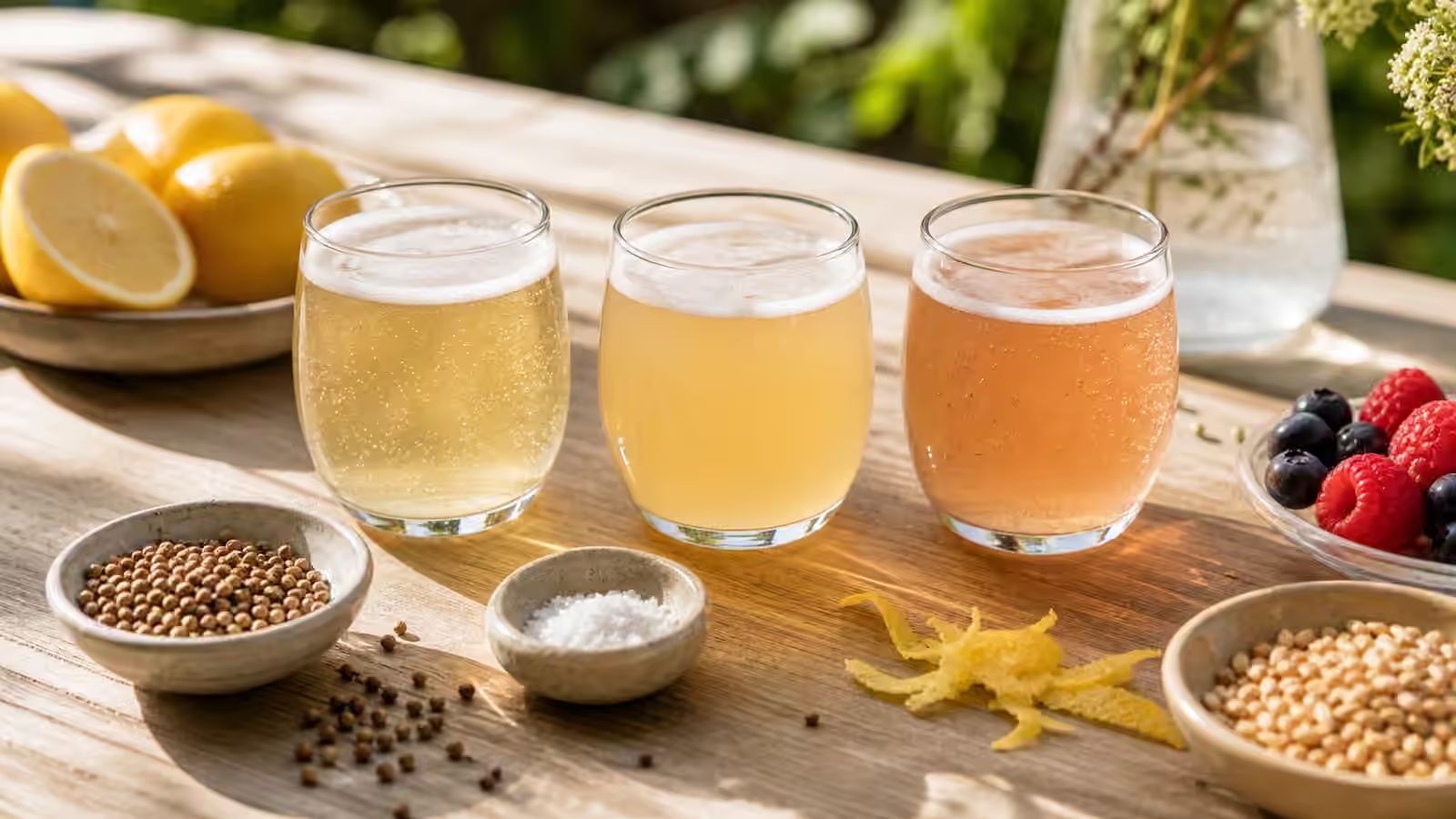
Lambic and gueuze sit near the edge of what many drinkers expect beer to be. They can taste dry, tart, sparkling, earthy, lemony, mineral, leathery, fruity, woody, or almost wine-like. They rarely behave like standard pale ale, stout, lager, or IPA, and that difference is the point. These beers come from a tradition built around spontaneous fermentation, long aging, blending, bottle conditioning, and patience.
The general Sour Beer guide explains acidity, clean kettle sours, mixed fermentation, fruit, and funk across the wider sour family. This guide narrows the frame to lambic, gueuze, kriek, framboise, and lambic-inspired beers because they deserve slower reading. They are not simply sour beers with a famous name. Their identity comes from fermentation, time, place, blending, and carbonation working together.
Spontaneous Fermentation Is A Different Starting Point
Most beer is fermented by adding a chosen yeast culture to cooled wort. The brewer decides which yeast will do the main work, then manages temperature, time, and sanitation so the beer follows a planned path. Lambic tradition begins differently. Hot wort is cooled in a shallow vessel, often called a coolship, where ambient microbes can settle into it before the beer moves to barrels for long fermentation and aging.
That does not mean the process is random in the casual sense. Brewers and blenders work with buildings, seasons, wood, recipes, barrel stock, timing, and accumulated house character. The beer may be exposed to the environment, but the craft is in creating conditions where that exposure becomes reliable enough to blend into something beautiful. Spontaneous fermentation is wild, but it is not careless.
The microbial cast can include conventional brewing yeast, Brettanomyces, lactic acid bacteria, and other organisms that shape aroma, acidity, dryness, and texture over time. Understanding Yeast is useful here because yeast is not only making alcohol. In lambic and lambic-inspired beer, fermentation can create lemon peel, hay, stone fruit, leather, earth, cellar, mineral dryness, and a finish that keeps changing after the beer is swallowed.
Lambic, Gueuze, Kriek, And Framboise
Straight lambic is usually still or softly carbonated, often served from a cask or package without the lively sparkle most drinkers associate with gueuze. It can be sharply dry, deeply earthy, and less polished than a finished blend. It is not always easy to find, and it can be challenging because it shows the base beer before blending has turned the pieces into a sparkling composition.
Gueuze is a blend of young and old lambic that undergoes bottle conditioning. The younger beer brings fermentable material and vitality. The older beer brings depth, acidity, oak, and developed fermentation character. In the bottle, the blend carbonates naturally and often becomes lively, dry, and champagne-like in texture. The best gueuze is not merely sour. It has layers: lemon, hay, oak, minerals, fruit skin, earth, and a finish that feels precise rather than sweet.
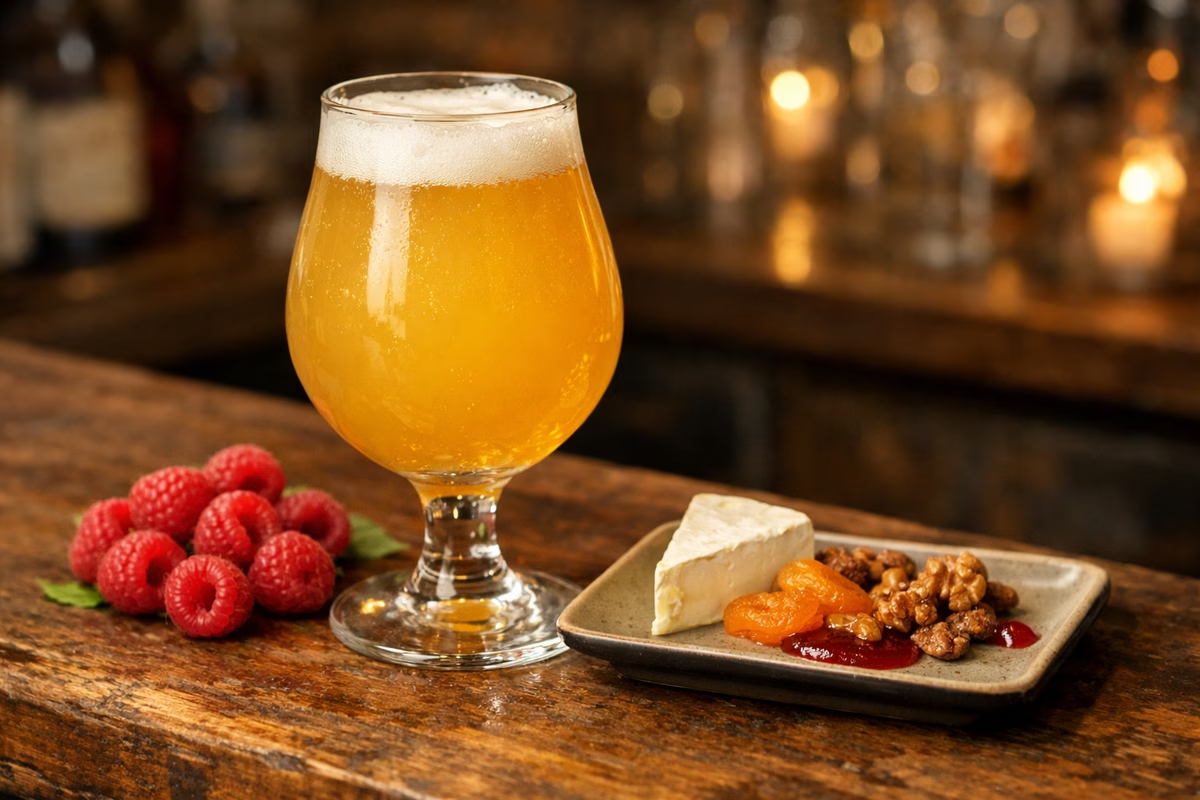
Kriek is lambic with cherries. Framboise is lambic with raspberries. Traditional dry versions are not fruit soda, even when the color is vivid. The fruit ferments, the sugar is largely consumed, and what remains can taste like cherry skin, raspberry seed, almond-like pit character, tannin, bright acid, and a dry finish. Sweeter fruit beers can be enjoyable on their own terms, but they are a different drinking experience. When a label or server can tell you whether a fruit lambic is dry or sweetened, that information matters more than the color in the glass.
Outside the traditional Belgian context, many brewers use phrases such as lambic-inspired, spontaneously fermented, wild ale, methode traditionnelle, or coolship beer. Those phrases can signal respect for similar techniques without pretending every beer comes from the same place or tradition. The wording is not only etiquette. It helps you set expectations. A local coolship beer may share methods and flavors with lambic while still being shaped by its own brewery, climate, barrels, and blending culture.
Dryness Is Part Of The Flavor
New drinkers often expect fruit beer to be sweet and sour beer to be simple. Lambic and gueuze can correct both assumptions quickly. Many examples are strikingly dry. That dryness changes how acidity feels. Without much residual sugar, tartness is exposed. Carbonation sharpens it. Oak and tannin can add grip. The result can seem austere at first, especially if you expected jam, candy, or a soft wheat beer.
Give the beer a few sips before judging it. The first sip may register only as acid. The second may reveal citrus, fruit skin, grain, oak, or hay. The third may show the finish, where the beer either becomes coherent or falls apart. Good lambic and gueuze often feel more complete after your palate adjusts. The acidity is still there, but it becomes structure rather than shock.
The dryness also makes sweetness easier to spot. A sweetened fruit lambic may taste rounder and more immediately friendly, but the fruit can feel placed on top rather than fermented through the beer. A dry kriek may seem less lush at first, yet it can offer more cherry skin, pit, tannin, and wine-like shape. Neither style of drinking has to be dismissed, but they should not be confused. Ask what kind of fruit beer is in the glass before deciding what success should taste like.
Oak And Time Are Not Decorations
Barrels in lambic are not only flavoring devices. They are homes for fermentation, slow oxygen exchange, aging, and blending stock. Some barrels may add obvious wood character. Others are more neutral, providing a place for the beer to mature without tasting like fresh lumber. The oak can contribute tannin, dryness, cellar notes, or subtle spice, but it should not erase the beer.
Time changes the beer in stages. Young lambic can bring fermentable energy, sharper grain, and fresh acidity. Older lambic can bring depth, funk, oak, and a settled dryness. Gueuze depends on the blender’s ability to combine those ages so the final bottle has life, complexity, and balance. This is different from aging a finished bottle at home and hoping it improves. The producer has already used time as an ingredient before the bottle reaches you.
Barrel-Aged Beer helps explain oak, oxidation, and integration more broadly. Lambic asks for the same careful language. Pleasant oxidative notes can suggest sherry, nuts, or depth in some aged beers, but papery, stale, flat flavors are still problems. Funk can add hay, leather, earth, or fruit complexity, but dirty, rotten, solvent-like, or harsh vinegar notes may mean the beer is out of balance. Context matters, but context does not excuse everything.
Serving And Glassware
Lambic and gueuze usually make more sense in smaller pours than full pints. The acidity, carbonation, and dryness reward attention, and a smaller glass keeps the beer lively. A tulip, wine glass, flute-like glass, or small stemmed glass can all work because they concentrate aroma and leave room for foam. The glass should be very clean. Residue can flatten foam and make a bottle-conditioned beer seem less precise.
Opening a bottle-conditioned gueuze or fruit lambic deserves a little care. Chill it well, move it gently, and give foam space. Some bottles are highly carbonated. Pour with attention rather than force. Sediment is not automatically a flaw, but you may choose to leave the last cloudy portion behind if you want the beer to stay clearer and more elegant. The guide to Bottle-Conditioned Beer explains that decision in more detail.
Temperature should support aroma without making acid heavy. Too cold, and the beer may taste like sharp lemon water with hidden complexity. Too warm, and acidity, funk, or alcohol can feel broad and tiring. Cool service with a little time in the glass is often ideal. Serving and Storage gives the larger rule, but lambic makes it especially clear: temperature is not ceremony. It changes the beer.
Food Helps The Beer Speak
Gueuze and dry fruit lambic are excellent food beers because acidity, carbonation, and dryness can play roles that wine, cider, and citrus often play at the table. Gueuze can cut through fried food, rich cheese, charcuterie, roast chicken, mussels, and creamy sauces. Kriek can work with duck, pork, aged cheese, dark chocolate, or dishes with cherries or warm spice. Framboise can meet goat cheese, fruit tarts, roast poultry, or desserts where tartness matters more than sugar.
The pairing principle is not complicated. Use acid to cut fat, fruit to echo fruit or browned richness, and dryness to reset the palate. A sweet dessert may make a very dry gueuze taste sharper. A rich cheese may make the same beer feel generous and cleansing. The broader Beer and Food Pairing guide gives more pairing tools, but lambic teaches through contrast. The beer has enough acidity to change the food, and the food can make the beer seem less severe.
Buying With Context
Lambic, gueuze, and serious lambic-inspired beer can be expensive because barrels, time, blending, fruit, bottle conditioning, losses, and storage all cost money. Price does not guarantee balance, and rarity does not make a beer meaningful to your palate. Buy with context. Read whether the beer is traditional lambic, lambic-inspired, spontaneous, mixed fermentation, foeder-aged, fruit refermented, sweetened, or bottle conditioned. Those words help you decide serving size, food, storage, and expectations.
Storage still matters. These beers can be more age-tolerant than fresh IPA, but they are not indestructible. Heat can damage them. Poor corks or caps can change carbonation. Fruit character can fade. A bottle built for aging may develop beautifully, while another may be best when the producer releases it. Beer Packaging is worth remembering here because romance does not protect beer from physics.
The reward is a category that broadens beer without making it louder. Lambic and gueuze are not about maximum sourness. They are about fermentation character, dryness, bubbles, fruit, oak, and time aligning in a glass that may seem strange before it seems graceful. Start with small pours, use food, read the label carefully, and let the beer warm just enough to speak. When it works, it tastes less like a novelty than like an old language you are slowly learning to hear.