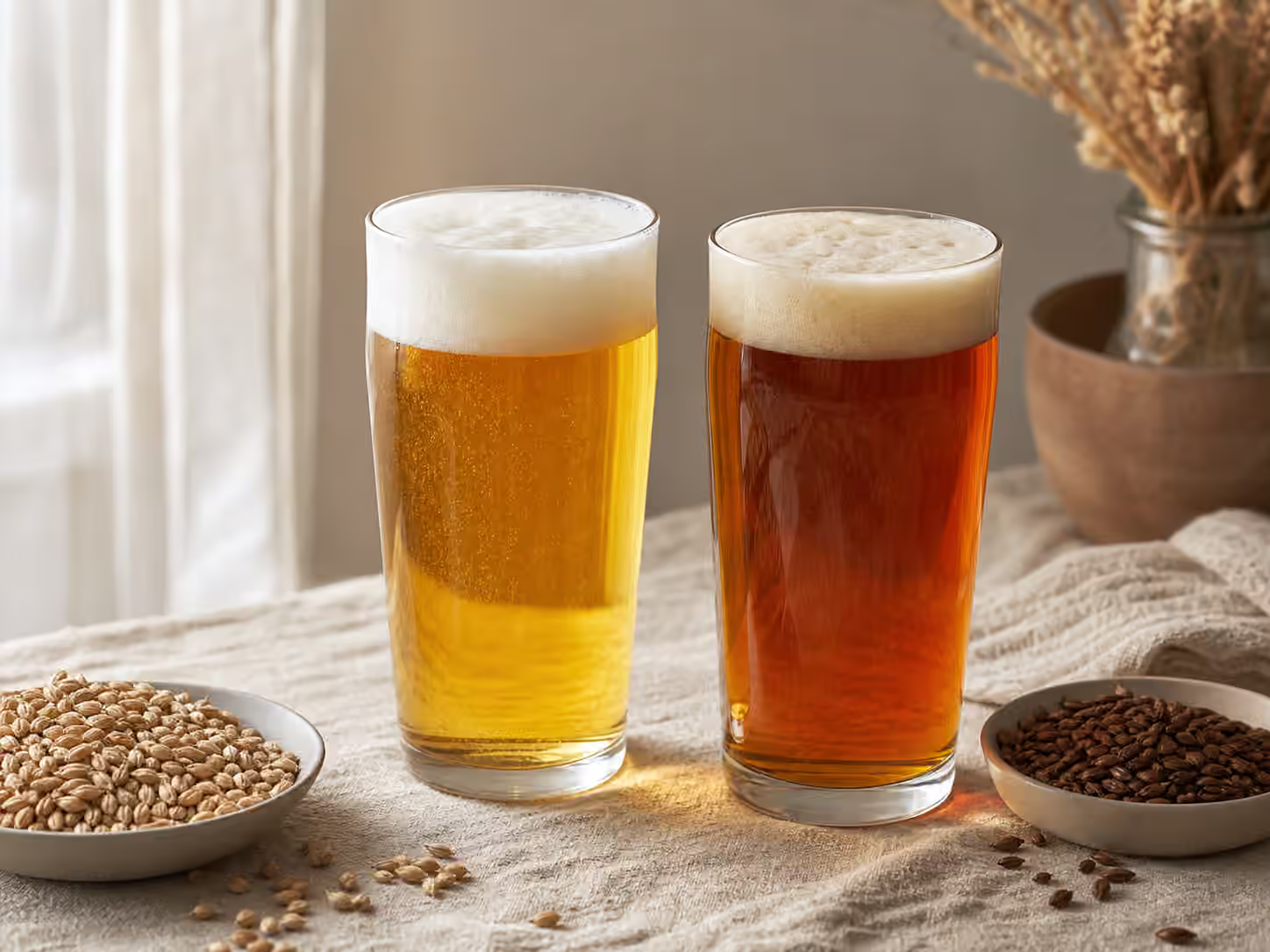
Lager is often treated as beer’s plain side, which is unfair to both plainness and lager. A good lager can be direct, crisp, and refreshing, but that does not make it simple. It may carry pale bread, honey, flowers, toast, soft sulfur, firm bitterness, smooth malt, or a finish so clean that flaws have nowhere to hide. The style family ranges from brilliant pilsner to amber maerzen, dark dunkel, black schwarzbier, strong bock, and modern craft lagers that borrow hop aroma without losing their cold-fermented frame.
The broad split between ale and lager is covered in Ale vs. Lager , and the larger map lives in the Beer Styles Guide . This guide stays closer to the lager side of that map. The goal is not to memorize every regional name. It is to understand why lager tastes the way it does, why clean beer can still be expressive, and how to choose one that fits the moment.
Cold Fermentation Changes The Shape
Lager yeast usually ferments cooler than ale yeast, and many lagers spend additional time conditioning cold. That slow process does not simply make beer cold. It changes the way fermentation character appears. Many ales show fruity esters, spicy phenols, or yeast-driven aromas that announce themselves quickly. Lagers usually ask the yeast to work more quietly. The result is often cleaner, smoother, and more focused on malt, hops, carbonation, and finish.
That quietness can make lager seem less dramatic in a tasting lineup. Put a pilsner after a double IPA or barrel-aged stout and it may seem small. Put it first, in a clean glass, at the right temperature, and its details become easier to see. The grain may smell like crackers or fresh bread. The hops may feel grassy, floral, herbal, or peppery. The bitterness may be firm but tidy. The finish may snap clean instead of trailing sweetness.
Cold fermentation also creates expectations for flaws. Because lager has fewer loud flavors, problems stand out. Diacetyl can make a pale lager taste buttery or slick. Oxidation can turn it papery and dull. Poor draft service can make it seem flat, sour, or metallic. Beer Off-Flavors is especially useful with lager because clean beer is a good teacher. It gives every off note a clear stage.
Clean Does Not Mean Empty
Clean flavor is not the absence of flavor. It means the beer’s parts are separated enough to read. In a good helles, malt can be soft and bready without becoming sweet. In a pilsner, bitterness can be crisp without scraping. In a dunkel, dark malt can suggest cocoa, crust, and nuts without the roast bite of stout. In a bock, strength can feel warm and malty without turning heavy.
This is where Understanding Malt matters. Lagers often lean on malt precision. Pilsner malt can taste pale, delicate, and lightly sweet. Vienna and Munich malt can bring toast, honeyed bread crust, and amber depth. Dark lagers can show chocolate and toasted grain while staying smooth because they use roasted character differently from many stouts and porters.
Hops are just as important, though they are not always loud. Noble-style hops can smell floral, spicy, herbal, or tea-like. Modern lager brewers may add brighter citrus or tropical hop character, but the best examples still keep the finish structured. Understanding Hops explains hop timing and aroma more deeply. In lager, the practical tasting question is whether the hop character sharpens the beer or distracts from its balance.
Pale Lagers Have More Range Than They Get Credit For
Pilsner is the most famous pale lager family, but the word covers several moods. Czech-style pilsner often feels rounder, with golden malt, herbal hops, and bitterness that sits inside a slightly fuller body. German-style pilsner tends to be drier, paler, and more sharply bitter. Modern craft pilsners can emphasize local hops, softer water profiles, or unfiltered texture, but they still need a crisp center. If a pilsner tastes sweet, muddy, or tired, the style’s clean promise has been broken.
Helles is gentler. It is pale, malty, and smooth, with bitterness kept in service of drinkability. A good helles can be one of the most revealing beers in a brewery because it is difficult to hide process problems behind heavy hops, fruit, roast, or alcohol. It should not taste watery. It should taste like soft bread, light honey, and clean fermentation, finishing dry enough that another sip makes sense.
Kolsch is technically an ale by fermentation, but it often lives near lager in the drinker’s mind because it is pale, clean, cool-conditioned, and restrained. It can help explain the border between yeast families. Compared with a helles or pilsner, it may show a light fruity note and a softer ale accent while still drinking crisp. That kind of comparison is more useful than arguing about labels. Taste the beers side by side and the differences become practical.
Amber And Dark Lagers Bring Malt Forward
Amber lager styles show what happens when cold fermentation meets deeper malt. Vienna lager often carries toast, light caramel, and a dry finish. Maerzen and Oktoberfest-style beers can be richer, with bread crust and smooth malt depth, though modern festival lagers may be paler and more drinkable than the older amber image suggests. The shared lesson is balance. These beers should taste malty, not sticky.
Dunkel is the dark lager that changes many people’s minds about dark beer. It can look brown and substantial while drinking smooth and moderate. The flavors lean toward toasted bread, nuts, cocoa, and light caramel rather than burnt roast. Schwarzbier goes darker, sometimes nearly black, but should remain clean and surprisingly light on its feet. If you expect stout, it may confuse you. If you expect lager wearing dark malt, it makes sense.
Bock and doppelbock move into stronger territory. They are still lagers, but the malt becomes deeper, the alcohol more present, and the serving size more important. A good bock has richness without syrup. A good doppelbock can taste like dark bread, caramel, and dried fruit while keeping enough fermentation control to avoid heaviness. Beer Strength, Body, and Balance helps here because color, body, and alcohol do not always move together in obvious ways.
How To Taste Lager Clearly
Lager rewards a clean setup. Use a clean glass, pour with enough foam to release aroma, and avoid serving every lager ice cold if you want to taste more than refreshment. Cold service can be right for the first few sips, especially with pale and crisp styles, but a few minutes of warmth often reveals grain, hops, and fermentation detail. Beer Carbonation and Foam explains why the head matters; with lager, foam carries aroma and makes the finish feel alive.
Compare in gentle progressions. A helles beside a pilsner teaches malt softness against hop snap. A Vienna lager beside a maerzen shows toast and richness. A dunkel beside a porter shows dark malt without ale fruit or heavy roast. A bock beside a tripel shows that strength can come through malt depth or yeast-driven dryness in very different ways. These comparisons connect lager to the rest of the beer shelf instead of isolating it as one pale style.
Freshness matters, but not in a single way. Pale hoppy lagers benefit from cold storage and good turnover because hop aroma fades and oxidation dulls the finish. Maltier amber and dark lagers may tolerate a little more time, but they still suffer from heat and stale handling. How to Buy Beer and Serving and Storage both apply here. If the beer depends on brightness, buy it from a place that treats brightness as part of the product.
The best lager habit is patience with quiet beer. Give it the first sip of the evening rather than the last. Notice whether the malt is clean, whether the bitterness has shape, whether carbonation lifts the finish, and whether the beer leaves you refreshed rather than impressed by force. Lager does not need to shout. When it is brewed and served well, its confidence is in the way every small part lands exactly where it should.