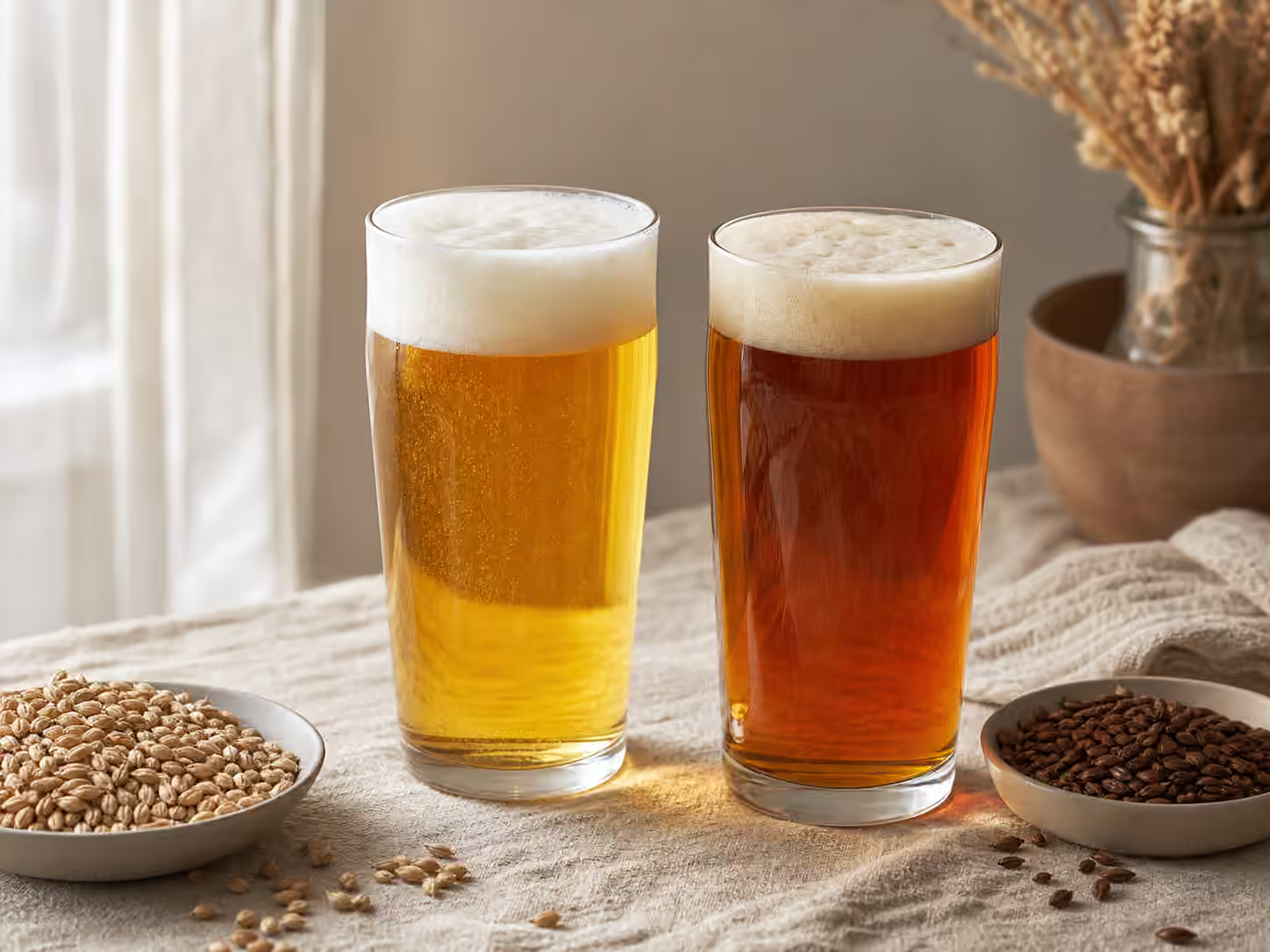
Kellerbier and zwickel are useful corrections to the idea that lager must always be polished to brilliance. These beers can be pale or amber, softly hazy, gently carbonated, and fresh from the brewery cellar. They are lagers, but they often keep a little yeast, protein, malt roundness, and young-beer softness that filtered pilsner leaves behind. The result is not murk for its own sake. It is lager with the edges left slightly alive.
The broader Lager Styles guide explains cold fermentation and clean beer. Pilsner and Pale Lager shows the bright, crisp side of the family. Kellerbier and zwickel sit nearby but ask a different question: what happens when lager is served fresh, unfiltered, and less polished, while still keeping the balance and restraint that make lager lager?
Cellar Beer Means Fresh Context
Kellerbier is often translated as cellar beer, which points to beer served from storage before modern filtration and packaging polish. Zwickel or zwickelbier is related to the small sample taken from a tank through a sample valve, often young, fresh, and unfiltered. The terms overlap in real-world use, and breweries do not always apply them with strict precision. What matters to the drinker is the sensory promise: lager that may show haze, soft malt, gentle yeast, and a slightly rounder texture than a fully filtered pale lager.
This does not mean unfinished beer should be excused. A good kellerbier should taste settled enough to drink with pleasure. It may be young, but it should not taste like raw wort, harsh sulfur, heavy butter, or sharp fermentation trouble. A little fresh yeast character can be charming. A rough, green beer is another matter. The difference is balance. Kellerbier should feel immediate, not rushed.
Malt often leads. Pale versions may show bread dough, cracker, hay, light honey, or fresh grain. Amber versions can bring toast, crust, nuts, and a quiet caramel edge. Hop character is usually herbal, floral, grassy, or gently spicy rather than aggressively citrusy. Bitterness may be moderate, but the finish is often softer than pilsner because carbonation and filtration are different. The beer can feel round without becoming sweet.
Haze Has To Belong
Modern drinkers are used to hazy IPA, where haze can signal oats, wheat, protein, yeast interaction, heavy dry hopping, and saturated fruit aroma. Kellerbier haze is not the same language. It is usually tied to minimal filtration, yeast remaining in suspension, proteins, and fresh cellar service. It should look natural for the beer, not like pulp or sludge.
This is where Beer Color and Clarity helps. Clear beer is not automatically better, and hazy beer is not automatically more flavorful. The question is whether the appearance fits the style and condition. A kellerbier with a soft veil of haze and a creamy head can look inviting. A beer with floating chunks, ropey strands, or a dead surface may be signaling trouble. Trust the whole glass, not one visual clue.
Haze changes expectation. A fully clear pilsner invites snap, precision, and a bright bitter line. A kellerbier may invite a softer sip. The aroma may be more grainy and less sharply floral. The bitterness may still be there, but it can feel cushioned by body and lower carbonation. If you judge it only by pilsner standards, you may call it dull. If you judge it only by hazy IPA standards, you may call it quiet. It is neither. It is fresh lager in a different frame.
Carbonation And Service Shape The Beer
Many kellerbier and zwickel pours feel softer than highly carbonated packaged lager. That lower or gentler carbonation can make malt seem rounder and bitterness less cutting. It can also make faults more obvious if the beer is mishandled. A warm, undercarbonated, tired kellerbier can taste flabby. A fresh one tastes calm, grainy, and alive.
Draft service matters because these beers are often best close to the source. A brewery taproom can pour them in the condition the brewer intended, but only if the beer is moving, cold, and handled with care. The Draft Beer guide is relevant because draft is a system. Dirty lines, wrong pressure, warm kegs, or poor glassware can flatten the delicate charm of fresh lager. Kellerbier does not have heavy roast, fruit, sourness, or hops to cover service problems.
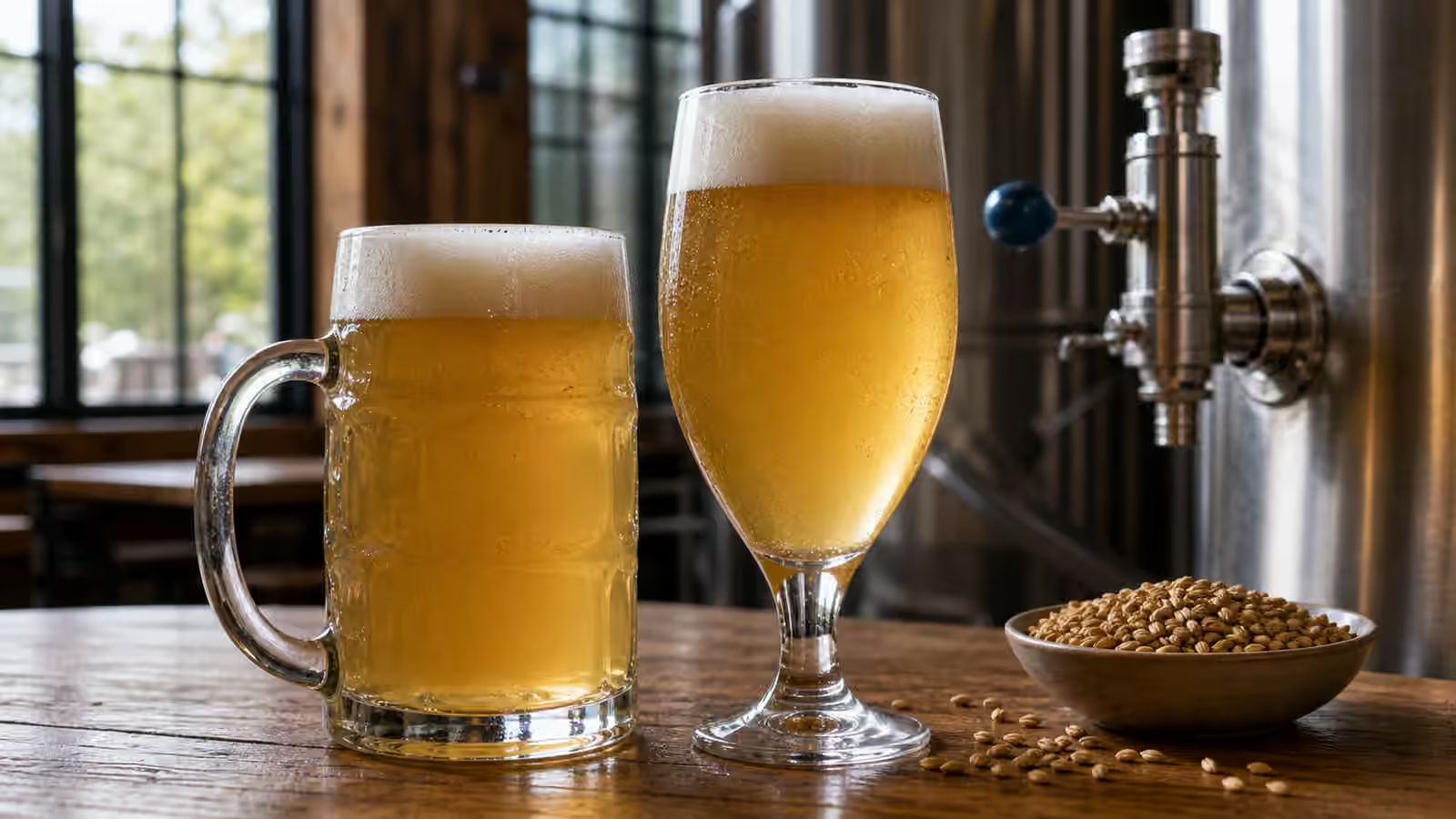
Glassware should give foam room without turning the beer into ceremony. A mug, willi becher, nonic pint, or simple lager glass can work. The pour should build a real head because foam carries aroma and makes the beer feel fresh. If the head collapses instantly, the cause could be glass residue, weak carbonation, alcohol, or age. Beer-Clean Glassware is worth reading before blaming the beer.
How To Taste Fresh Unfiltered Lager
Begin with aroma. Look for bread, fresh grain, light toast, herbs, flowers, grass, and a gentle yeast note. A little sulfur can appear in lager, especially when fresh, but it should not dominate the glass. Butter, vinegar, cooked vegetables, harsh metal, or wet cardboard are not part of the charm. Then taste for the finish. Does the malt clear cleanly? Does bitterness arrive as shape rather than scrape? Does the yeast note add softness without making the beer muddy?
Temperature has a narrow sweet spot. Too cold, and the beer can taste like chilled grain water. Too warm, and the softness may become heavy. Give it a minute after the pour, especially if it came very cold, but do not nurse it like a barleywine. Kellerbier is usually a fresh-drinking style. Its appeal is in the lively middle between tank and table.
Food pairing is generous because the beer is malt-forward without being loud. It works with roast chicken, sausages, pretzels, potato dishes, pork, mild cheese, fried fish, schnitzel, and simple sandwiches. Amber versions can handle roasted vegetables and browned onions. Pale versions are especially good when you want refreshment but not the sharper bitterness of pilsner.
When buying packaged examples, freshness and storage matter. Unfiltered beer may be less stable than filtered beer, depending on the brewery, package, and process. Keep it cold, drink it reasonably soon, and avoid treating haze as a guarantee of vitality. A fresh unfiltered lager should taste fresh. If it tastes stale, sweetly papery, sour in the wrong way, or lifeless, the word kellerbier cannot rescue it.
Kellerbier and zwickel are quiet pleasures. They do not reject lager precision. They loosen it. They let a little cellar softness remain in the glass, showing that freshness can be round rather than sharp, hazy rather than polished, and still disciplined. Once you understand that shape, unfiltered lager stops looking like an exception and starts feeling like one of lager’s most humane expressions.