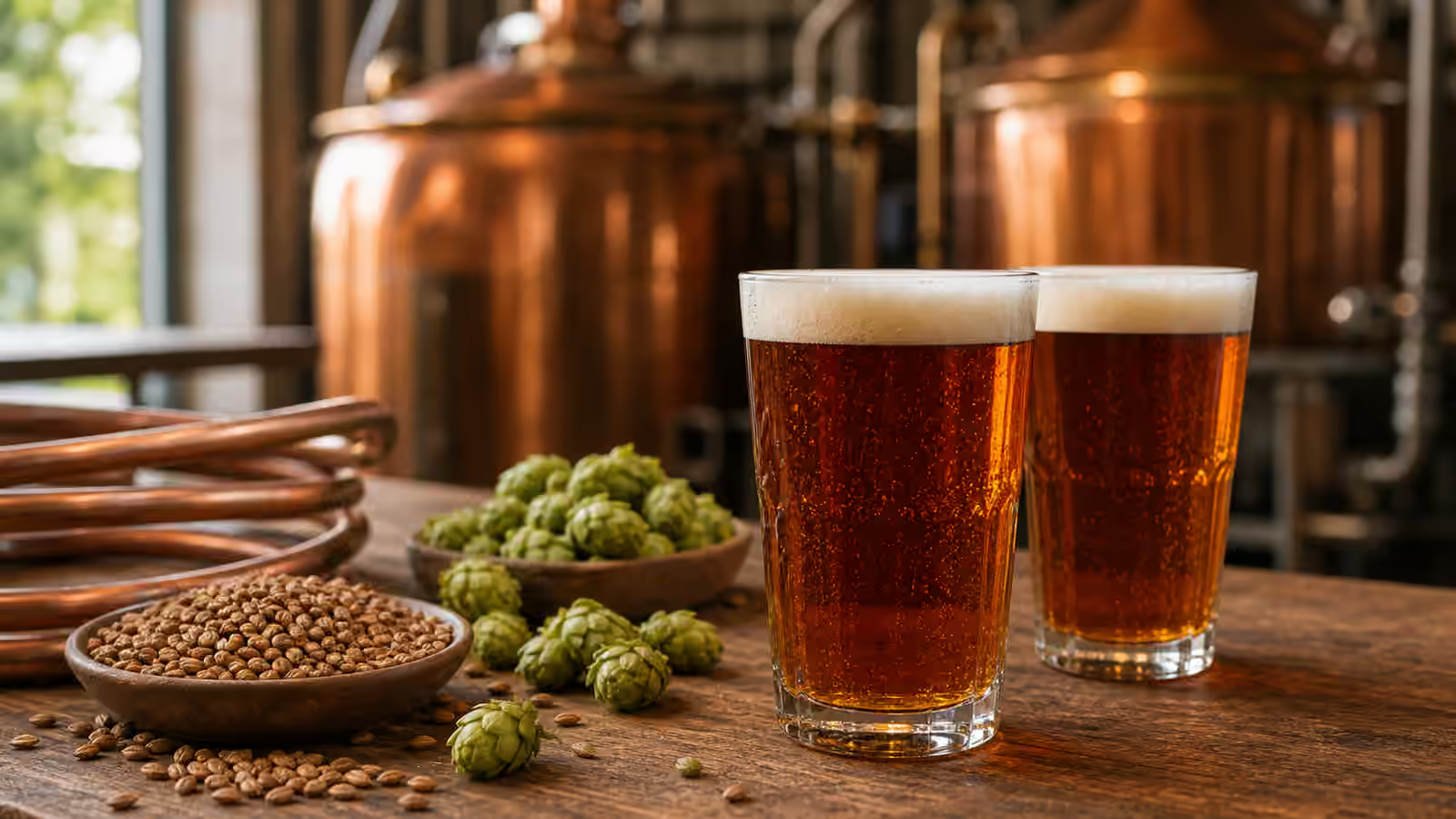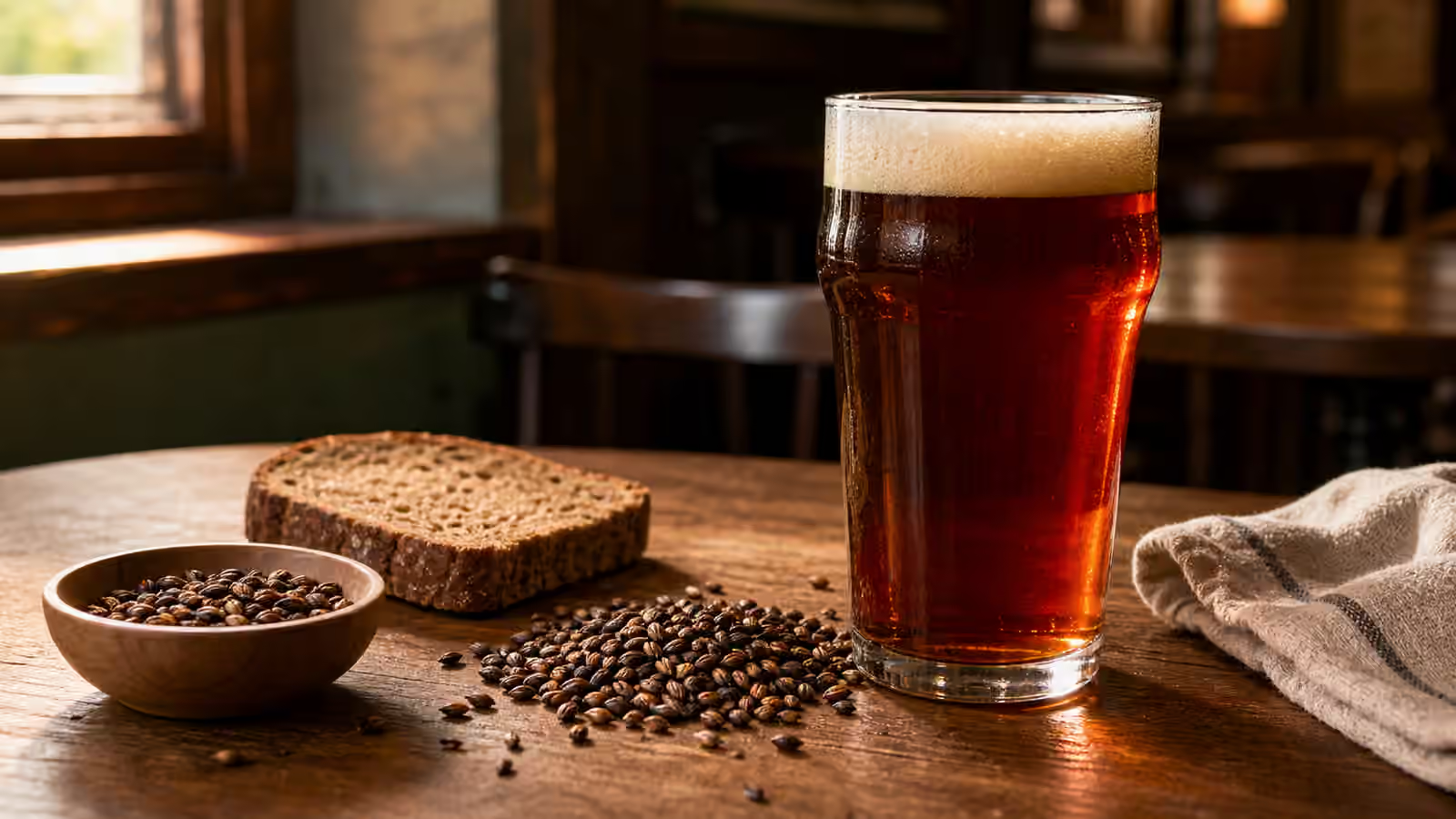
Irish red ale is a modest beer when it is made well. That is not a criticism. Its pleasure comes from restraint: a clear red-amber color, a soft toasted malt center, gentle sweetness, low to moderate bitterness, and a finish dry enough to keep the glass from feeling sticky. It is darker than many pale ales, lighter than most porters, less bitter than many American ambers, and often more balanced than its simple reputation suggests.
This style belongs beside Pale, Amber, and Brown Ales and English Pub Ales . It shares their preference for balance over spectacle. It also connects to Beer Color and Clarity because the red glow can make drinkers expect sweetness, strength, or heaviness that the beer may not actually have.
Red Color Is A Clue, Not The Whole Beer
The red color usually comes from small amounts of kilned or roasted malt, crystal malt, or related specialty grains. Those malts can bring toast, biscuit, light caramel, nut, and a faint dry roast edge. The best examples use color as part of flavor, not as decoration. The beer should not simply be pale ale dyed red, and it should not become a caramel syrup.
Hold a good Irish red ale to the light and you may see copper, ruby, garnet, or deep amber. That visual warmth prepares you for malt, but the flavor should remain measured. Toast is more important than candy. A little caramel can belong, especially in aroma, but the finish needs dryness. Some examples use a tiny touch of roasted barley to give color and a faint drying edge without turning the beer stout-like. That small roast note can be what keeps the beer from seeming sweet.
Clarity is common, though not every small-brewery version will be perfectly bright. Foam should be off-white and steady enough to frame the beer. A collapsing head may point to glass residue, low carbonation, or age, but Irish red ale is not usually a towering foam style. It should look inviting, calm, and drinkable.
Malt Leads, But It Should Not Drag
Irish red ale is a malt-led style, but malt-led does not mean heavy. The flavor often suggests toasted bread, biscuit, light caramel, tea, nuts, or bread crust. The body is usually medium-light to medium. Alcohol is commonly moderate. The beer should carry enough flavor for a full pint without asking to be sipped like a strong ale.
The danger is sweetness without structure. Too much crystal malt can make red ale taste sticky, like caramel candy dissolved into beer. Too little bitterness or roast dryness can leave the finish limp. On the other side, too much roast can push the beer toward porter, and too much hop bitterness can turn it into an American amber ale. Irish red ale works when the brewer keeps the center narrow and clear.
Understanding Malt is useful here because small changes in specialty malt can reshape the beer. Toasted malt gives bread and biscuit. Crystal malt gives sweetness, color, and caramel. Roasted barley gives color and dry edge. None of these needs to be loud. The style is built on proportion.
Hops And Yeast Stay In The Background
Hop aroma in Irish red ale is usually restrained. Earthy, floral, herbal, or lightly spicy hops fit better than tropical fruit or aggressive citrus. Bitterness should balance malt rather than dominate it. If the first thing you notice is hop bite, the beer may be moving toward another style. If there is no bitterness at all, the malt may seem flabby. The sweet spot is quiet support.
Fermentation should be fairly clean. A faint fruity note can be acceptable, especially in ale fermentation, but banana, heavy pear, solvent, sourness, or butter should not lead. Diacetyl can be a particular issue in malt-forward pub styles because a small buttery note may seem to blend with caramel at first. Too much turns slick and distracting. Beer Off-Flavors helps separate pleasant malt roundness from an actual flaw.
Carbonation matters more than the style’s calm reputation suggests. Too little carbonation and the beer feels sweet and tired. Too much and it loses pub softness. A good red ale has enough lift to clear the finish while leaving the malt smooth. The pour should make the beer feel settled rather than fizzy.
Irish Red Ale Beside Similar Styles
Irish red ale overlaps with several neighboring beers, which is why it can disappear on style maps. Compared with English bitter, it is usually redder, a little fuller in malt, and less focused on hop bitterness. Compared with mild, it is often brighter and more toasted, though both styles can share low strength and pub drinkability. Compared with American amber ale, it is usually less hoppy, less bitter, and less forceful. Compared with brown ale, it has less nutty depth and less dark malt. Compared with Vienna lager, it may share amber malt but uses ale fermentation and a different balance.
Those comparisons matter at the bar. If you want hops, an Irish red may seem too quiet. If you want dark roast, it will not go far enough. If you want something maltier than pale ale but not heavy, it can be exactly right. It is a middle beer, and middle beers deserve better than being treated as compromises.
Freshness still matters. Irish red ale is not as fragile as a hop-saturated IPA, but age can make its malt taste dull, sweet, or papery. Draft versions depend on clean lines and turnover. Packaged versions should be kept away from heat and light. Because the style is quiet, stale notes show quickly. Beer Packaging and Freshness applies here as much as it does to louder beer.
Food Makes The Style Clear
Irish red ale is highly food-friendly because it brings malt without much interference. It works with roast chicken, sausages, shepherd’s pie, burgers, grilled cheese, mushrooms, roasted carrots, potatoes, and mild cheddar. The toasted malt echoes browned edges, while the moderate bitterness and carbonation keep the food from becoming heavy. It can also work with pub snacks because it refreshes without stripping salt and fat too aggressively.
Avoid pairings that need a sharper beer unless the red ale has enough bitterness. Very spicy food may flatten the malt. Very sweet desserts may make the beer taste thin or bitter. Big smoked foods may ask for porter, stout, rauchbier, or a stronger amber beer. The style is best with meals that want steady malt, not drama.
When tasting, give the beer a fair temperature. Ice-cold red ale may show color and little else. Slightly warmer, it should reveal toast, biscuit, and a soft caramel edge. Do not let it become warm and flat, but do give the malt enough room to speak. Smell, sip, and watch the finish. The best examples end cleaner than their color suggests.
Irish red ale is a reminder that subtle beer can still have identity. Its color is warm, but its body should not be heavy. Its malt is central, but its sweetness should not linger too long. Its hops are quiet, but they still matter. When the balance is right, the beer feels like a well-made piece of pub furniture: plain at first glance, shaped by use, and better than it needs to be.