
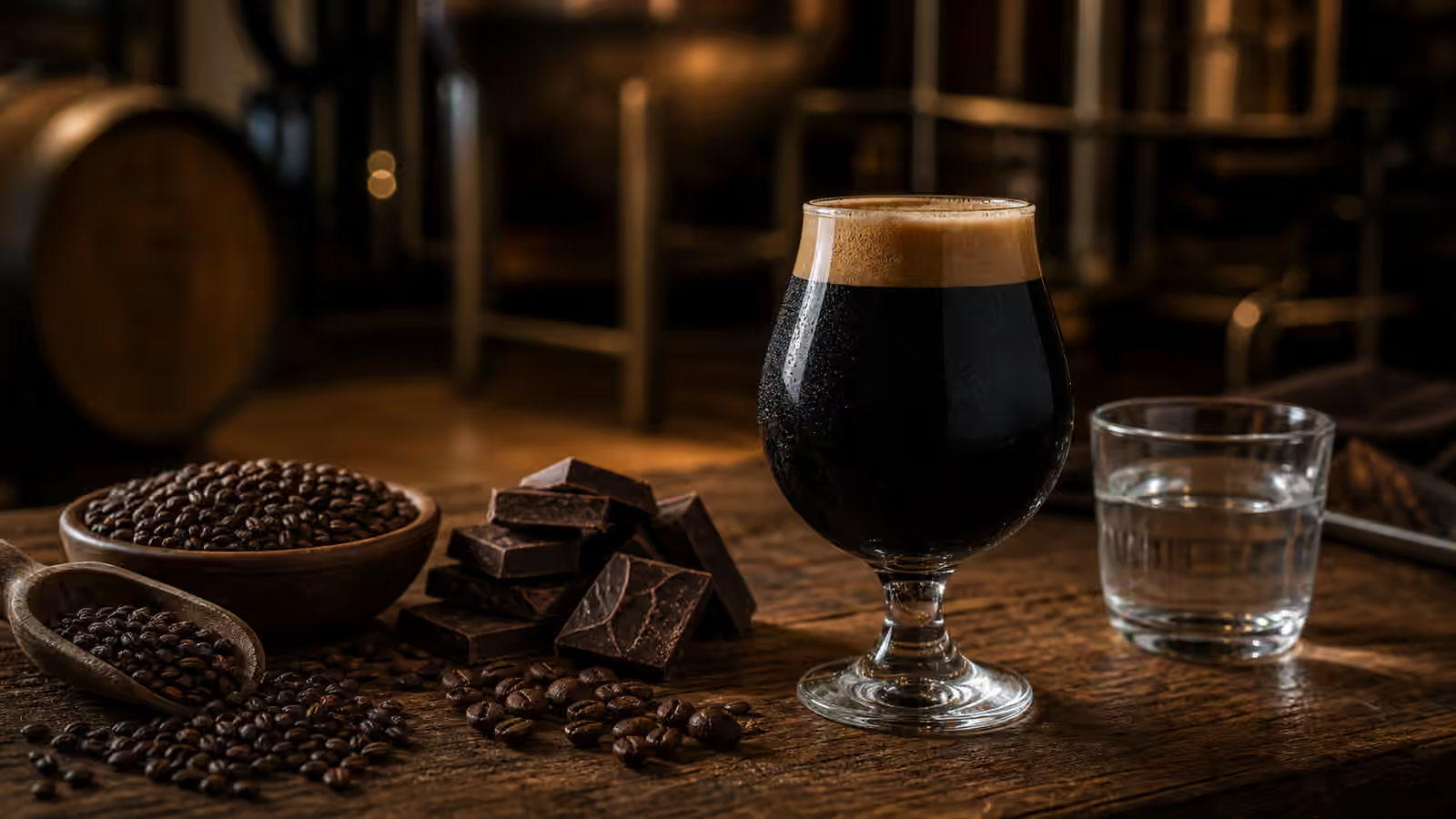
Imperial stout is dark beer at high gravity, but the style is not impressive simply because it is black, strong, or thick. The best examples carry roast, malt depth, alcohol warmth, bitterness, sweetness, and body in a way that makes a small pour feel complete. Weaker examples lean on size. They taste hot, syrupy, acrid, muddy, or dessert-like without enough beer structure underneath. Strength gives imperial stout room, not a free pass.
The broader Porter and Stout guide explains the dark beer family, and Beer Strength, Body, and Balance explains why alcohol changes texture and aroma. This guide stays with the strong end of stout, where every ingredient speaks louder. Imperial stout can be elegant, but it rarely becomes elegant by accident.
Roast Is The Frame
Imperial stout begins with dark malt and roasted grain. Those ingredients can suggest espresso, cocoa, dark chocolate, burnt sugar, toasted crust, molasses, licorice, smoke, or char. The brewer has to decide how sharp the roast should be and how much sweetness, bitterness, and body will support it. In a low-strength dry stout, roast can be brisk and coffee-like. In imperial stout, roast has to stand up to more alcohol and malt density without becoming harsh.
Roast bitterness is different from hop bitterness, though both can dry the finish. Too much roast can scrape, taste ashy, or make the beer feel thinner than its strength suggests. Too little roast can leave the beer sweet and vague. The best examples use roast as a frame. It gives darkness, aroma, contrast, and a finishing edge that prevents the beer from becoming syrup.
Understanding Malt is useful because imperial stout shows malt at several levels at once. Pale malt supplies fermentable sugar. Specialty malts add caramel, bread crust, dark fruit, or nutty tones. Roasted grains bring the black color and bitter chocolate depth. A strong stout is not one dark flavor. It is a stack of grain choices that have to remain readable.
Alcohol Should Warm, Not Burn
Imperial stout often carries enough alcohol to change the whole drinking pace. Alcohol can lift aroma, add sweetness, lengthen the finish, and create a warming sensation in the chest. That warmth can be pleasant when it supports dark malt. It can make chocolate seem deeper, dried fruit more rounded, and roast more expansive. It becomes a flaw when it tastes solvent-like, sharp, or separate from the beer.
Serving temperature affects this strongly. Too cold, and imperial stout can taste like generic roast with hidden sweetness. Too warm, and alcohol may dominate. A cool cellar-like temperature or a short rest after refrigeration often works better than ice-cold service. Serving and Storage gives the general logic: stronger, darker beers often need a little more warmth than pale lagers, but they still need control.
Glass size matters too. A pint is rarely the best measure for a strong stout. Small pours let the beer warm gradually and keep richness from becoming fatigue. Snifters, tulips, small goblets, or even a modest wine glass can work if they are clean and not oversized. Beer Glassware explains why shape changes aroma, but the practical rule is simple: give the beer room to smell without turning it into a full meal.
Sweetness Needs Contrast
Imperial stout often has residual sweetness because the beer begins with a dense wort and not every sugar ferments out. Some sweetness can be essential. It supports roast, rounds alcohol, and gives the beer its slow sipping texture. Without it, a strong stout can become thin, bitter, and hot. With too much, it becomes sticky.
Contrast keeps sweetness useful. Hop bitterness can provide one boundary. Roasted grain gives another. Carbonation lifts the body. Alcohol warmth can make sweetness feel expansive rather than flat. Barrel tannin, when present, can dry the finish. A good imperial stout may taste rich, but it should not leave the tongue coated in sugar after every sip.
Pastry stout pushes this question to the front. These beers may use ingredients or flavor ideas associated with desserts: vanilla, cacao, coffee, coconut, maple, cinnamon, marshmallow, or other additions. They can be enjoyable when the base stout remains strong enough to carry the concept. They become tiring when sweetness replaces structure. Beer Adjuncts and Specialty Ingredients is relevant because added flavor should deepen the beer, not erase it.
Barrel Aging Changes The Balance
Imperial stout is one of the classic bases for barrel aging because it has enough roast, body, alcohol, and sweetness to meet oak and spirit character. A barrel can add vanilla, coconut, toast, tannin, char, bourbon-like warmth, rum-like molasses, wine-like dryness, or slow oxidative notes. Those can be beautiful when they integrate. They can be clumsy when the beer tastes like alcohol poured over sweet roast.
Barrel-Aged Beer goes deeper on wood, spirits, and oxygen. For imperial stout, the key question is whether the barrel gives shape. Tannin can dry sweetness. Oak can add structure. Spirit aroma can extend the finish. If barrel character only adds heat, the beer may become dramatic but less drinkable.
Barrel aging also tempts cellaring, but not every strong stout improves with age. Some soften and integrate. Some lose carbonation, become oxidized, or let sweetness turn stale. Adjunct-heavy stouts often depend on fresh added aroma that fades. If you cellar, do it because the beer has structure for age, not because imperial stout as a category promises improvement. Beer Conditioning and Lagering separates readiness from long aging, and that distinction matters here.
How To Taste Imperial Stout
Smell first and look for layers. Does the beer suggest coffee, cocoa, molasses, dark bread, raisin, plum, licorice, vanilla, smoke, oak, or char? Then taste for the order of arrival. Some imperial stouts begin sweet and finish bitter. Some begin roasty and finish warming. Some open with barrel aroma and then reveal the base beer underneath. The sequence matters because balance is not static.
Pay special attention to the finish. Does sweetness linger pleasantly, or does it become sticky? Does roast dry the palate, or does it scrape? Does alcohol warm, or burn? Does carbonation lift the beer enough to keep it from feeling flat? Beer Tasting 101 gives a useful routine, but strong dark beer adds one more habit: take smaller sips and leave time between them. The beer changes as it warms.
Food pairing works best when intensity is respected. Imperial stout can meet blue cheese, chocolate desserts that are not too sweet, roasted nuts, braised meat, grilled mushrooms, or a small plate after dinner. It can overwhelm delicate food. It can also become too much beside very sweet desserts unless roast or bitterness cuts through. Food and Beer Pairing gives the larger method.
Imperial stout is at its best when it remembers that strength is only one tool. Roast needs body. Sweetness needs contrast. Alcohol needs integration. Barrel or adjunct character needs a base beer strong enough to remain visible. When all of that holds together, a small glass can feel generous, slow, and complete without becoming heavy for its own sake.


