Beer shelves can be hard to read. There are lots of cans, loud labels, and prices all over the place. The beer you want is usually there, but it helps to know what matters.
This guide shows you how to read the label, match beer to the job, and buy with more confidence. If you want the style details, the Beer Styles guide covers those.
What the Label Actually Tells You
Style Name
The style name is your fastest shortcut. If you learn roughly what a dozen common styles taste like, you can navigate 90% of shelves:
| Style | Expect | Good for |
|---|---|---|
| Pilsner / Lager | Crisp, clean, light | Hot days, food pairing, session drinking |
| Pale Ale | Moderate hops, balanced | Everyday drinking, versatile |
| IPA | Hoppy, bitter, aromatic | When you want flavor intensity |
| Hazy / New England IPA | Juicy, soft, tropical | When you want hops without sharp bitterness |
| Wheat Beer / Hefeweizen | Soft, banana, clove | Summer, lighter meals |
| Amber / Red Ale | Malty, caramel, balanced | Cooler weather, comfort food |
| Brown Ale | Nutty, toasty, mild | Fall drinking, roasted foods |
| Stout | Roasted, coffee, chocolate | Cold weather, dessert |
| Porter | Similar to stout, slightly lighter | Versatile dark beer |
| Sour / Gose | Tart, acidic, sometimes fruity | Warm weather, adventurous palates |
| Belgian styles | Complex, spicy, fruity | Special occasions, food pairing |
| Barleywine | Strong, sweet, complex | Sipping, aging, after-dinner |
For the comprehensive style breakdown, see the Beer Styles guide .
ABV (Alcohol by Volume)
Check this number first. ABV tells you:
- How strong the beer is (and therefore how many you can comfortably drink)
- How full-bodied it’s likely to be (higher ABV generally means more body)
- Whether it’s a sipper or a session beer (under 5% = session; over 8% = sipper)
A 4.5% pilsner and a 10% imperial stout are not the same kind of drink.
IBU (International Bitterness Units)
Some labels list IBUs. It is a rough measure of hop bitterness:
- 0–20 IBU: Low bitterness (lagers, wheat beers)
- 20–45 IBU: Moderate (pale ales, ambers)
- 45–70 IBU: High (IPAs)
- 70+: Very high (double IPAs, some imperial stouts)
IBUs are not perfect, but they still give you a useful hint.
Date
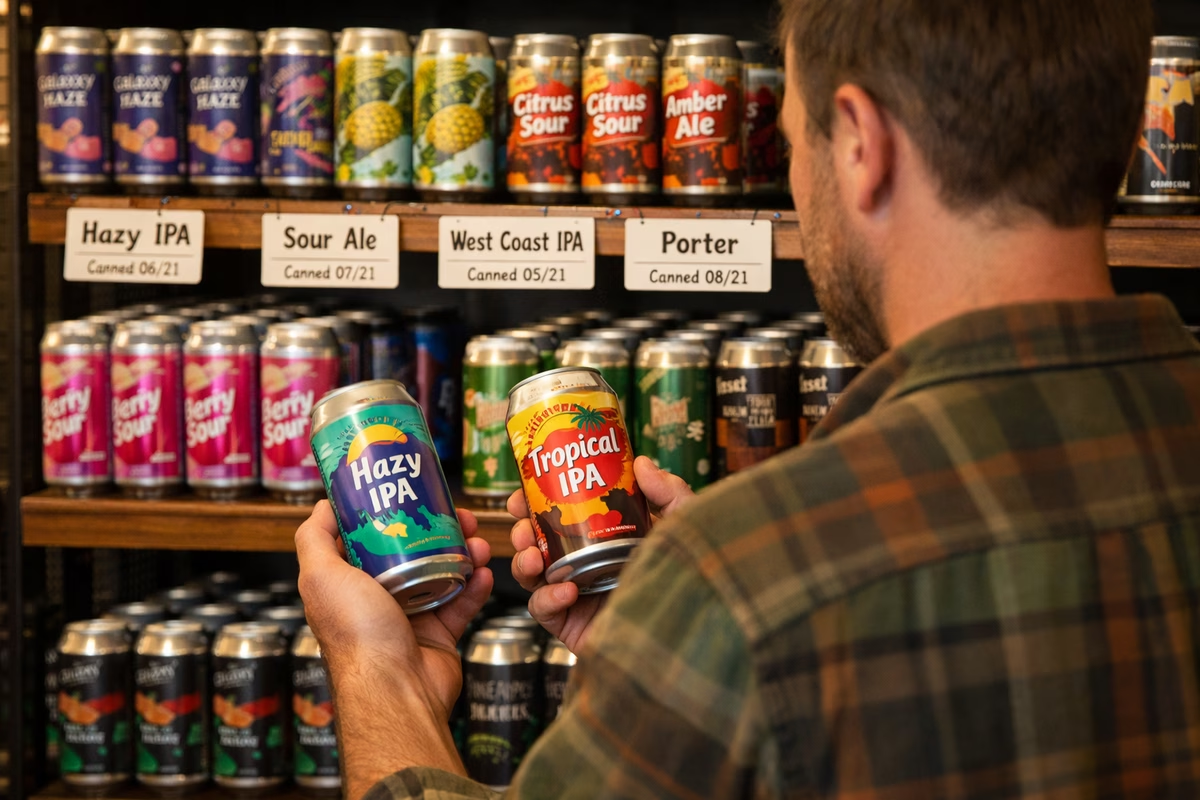
This is the most important piece of information on any hoppy beer. IPAs and pale ales lose their fresh hop character fast. A three-month-old IPA is usually not worth the same price as a fresh one.
Look for:
- Packaged-on date (best. It tells you exactly when it was made)
- Best-by date (usually 90–120 days after packaging for hoppy beers)
If there’s no date at all on a hoppy beer, that’s a warning sign. Buy something else.
For non-hoppy styles (stouts, barleywines, Belgian ales, sours), freshness matters much less. Some improve with age.
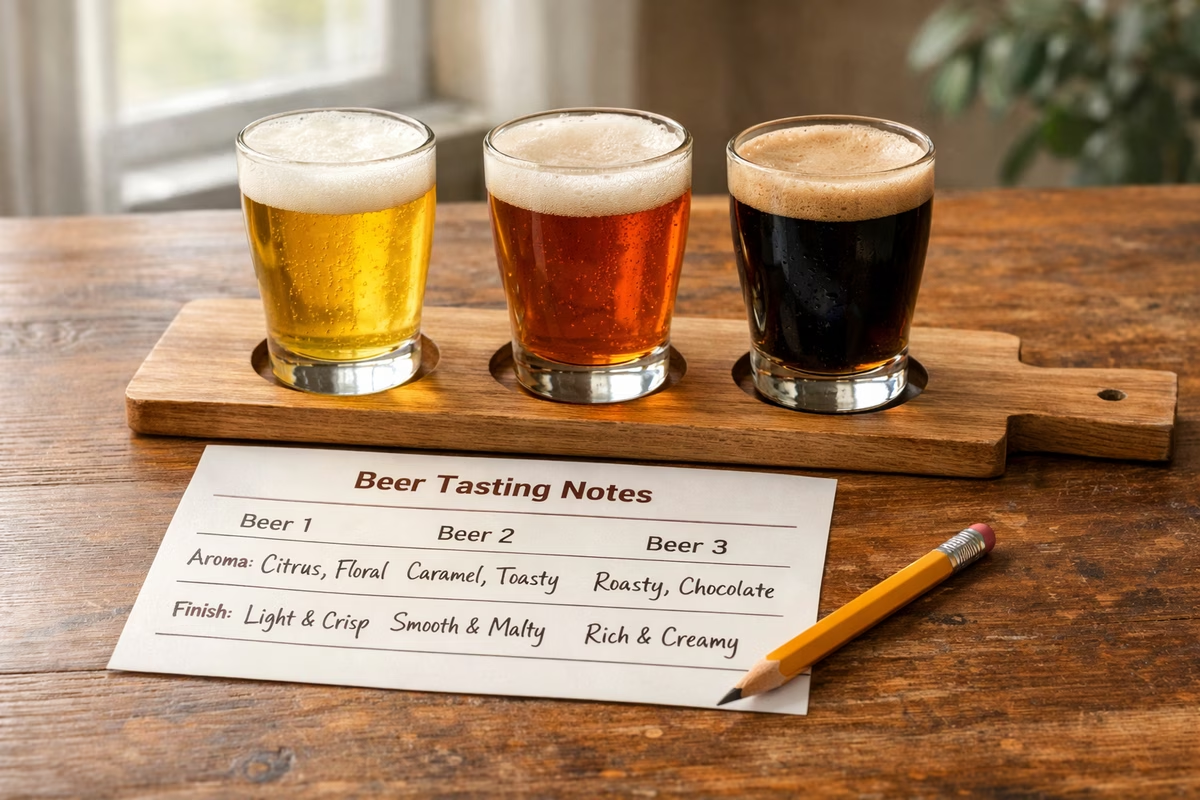
If you want to notice freshness and serving differences at home, a beer tasting glass set and a fridge thermometer are useful basics.
Shopping by Occasion
The best way to buy beer is to ask what job it needs to do.
Weeknight dinner beer
Buy something food-friendly, moderate ABV (4–6%), and not too intense. Pilsners, amber lagers, wheat beers, and session ales all work.
For pairing specifics, see the Beer & Food Pairing guide .
Party / hosting
Buy for the middle of the crowd. Avoid extremes. Pilsners, pale ales, and wheat beers are usually safe bets. Buy a little more than you think you need.
Consider variety: a six-pack of something light, a six-pack of something flavorful, and a few bottles of something interesting for the curious guests.
Hot weather / outdoor
Light, crisp, low ABV. Pilsner, Kölsch, Gose, Mexican-style lager, session IPA. Keep ABV under 5% if you will be drinking for hours.
Cold weather / evening in
Rich, warming, higher ABV. Stouts, porters, barleywines, Belgian dubbels and tripels, Scotch ales. These are sipping beers.
“I want to try something new”
Buy a single bottle or can of something unfamiliar. Many bottle shops sell singles specifically for exploration. Pick a style you’ve never had, a brewery you’ve never tried, or the weirdest thing on the shelf. The worst case is you don’t like it. The best case is you discover something.
Where to Buy
Bottle shops (specialty beer stores)
Usually the best place to buy craft beer. Advantages:
- Curated selection. Someone chose these beers because they’re good.
- Knowledgeable staff. Tell them what you like and what it’s for. They’ll point you somewhere good.
- Better rotation. Specialty shops move product faster, so beer is fresher.
- Singles. Most let you buy individual bottles or cans.
Brewery taprooms
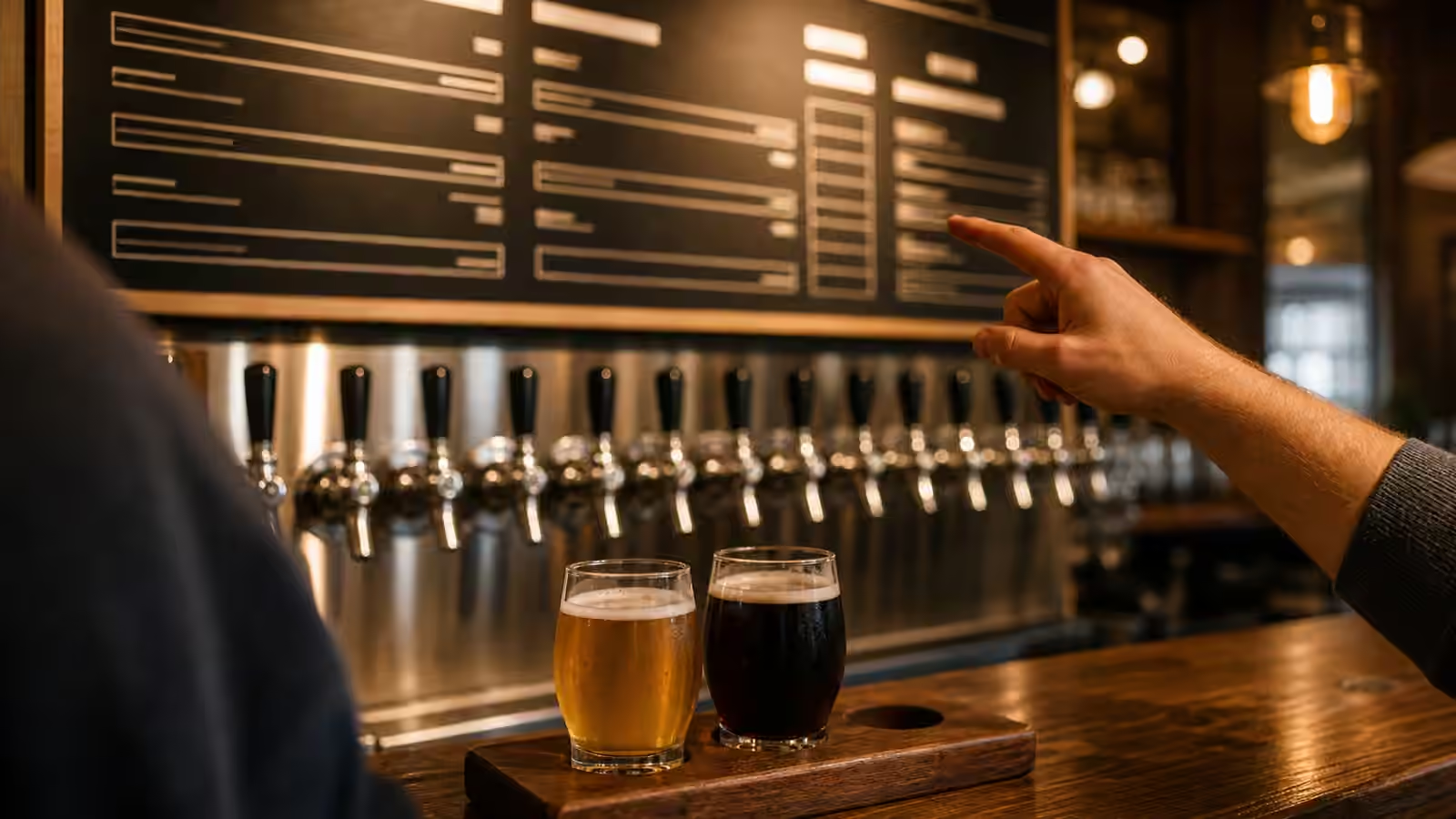
Buying directly from the source usually means fresher beer. Many breweries sell cans and growlers/crowlers to go. You can also taste before you buy. That is a real advantage.
Grocery stores
Convenient but variable. Large grocery stores increasingly carry good craft beer, but the selection is less curated and the rotation may be slower (check dates). The specialty/craft section is usually better maintained than the commodity beer aisle.
Online
Some states allow direct-to-consumer beer shipping. Online retailers can access breweries you can’t find locally. The trade-off is shipping cost, delivery time, and the risk of heat exposure during transit.
Common Buying Mistakes
Buying hoppy beer that’s not fresh
The number-one mistake. An old IPA does not taste okay. Always check the date on hoppy styles.
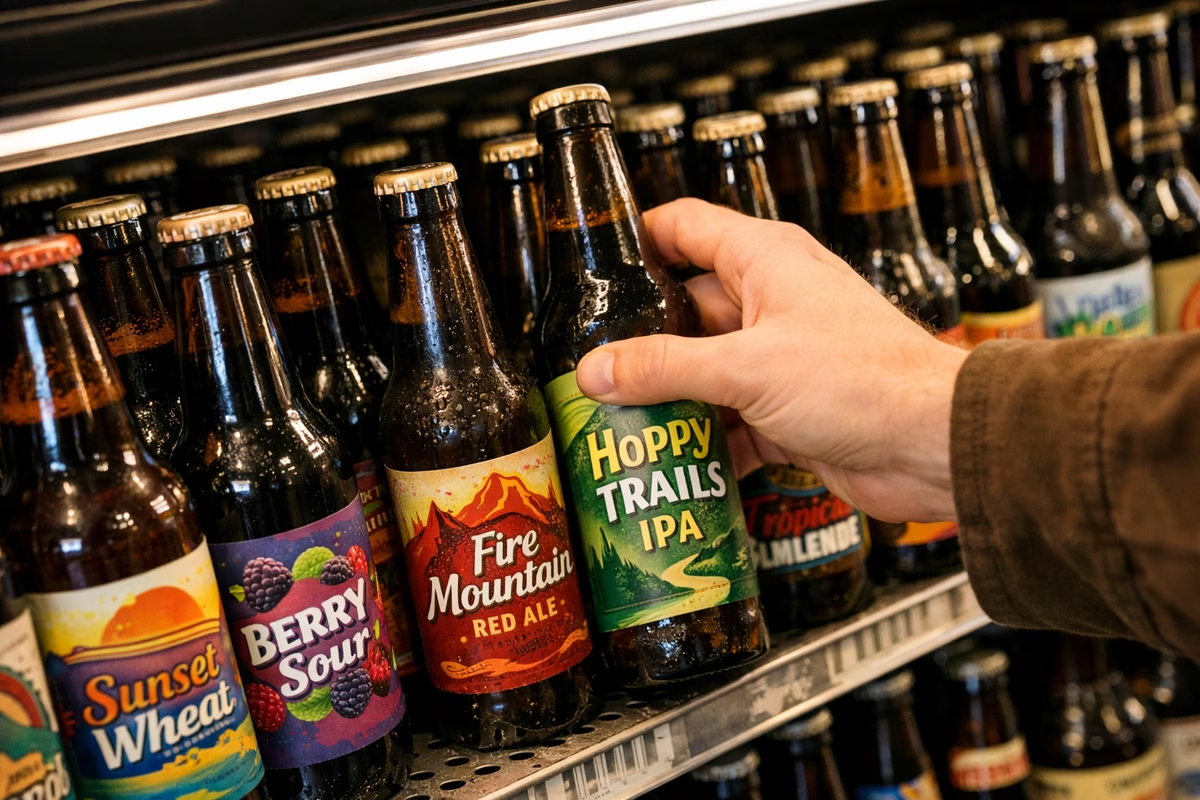
Buying by label art
Beautiful label, bad beer is common. Labels are marketing. If you do not know the brewery, buy one first.
Buying too much of one thing
If you have never tried a beer before, do not buy a six-pack. Buy one. If you like it, go back for more.
Ignoring ABV
A 9% double IPA hits differently than a 5% pale ale. If you plan to drink two or three beers, choose accordingly.
Storing beer wrong
Beer stored warm or in sunlight ages fast. Put it in the fridge when you get home.
For storage details, see the Serving and Storage guide .
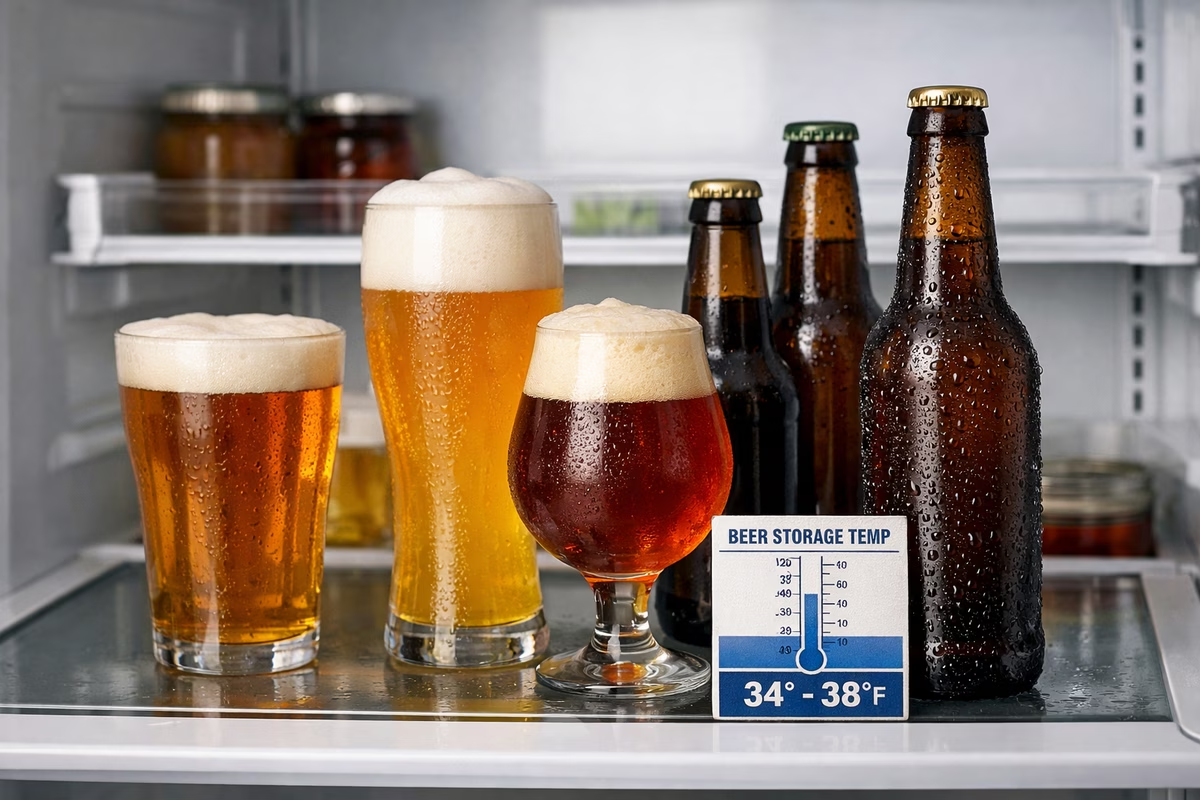
Building a Beer Fridge
If you want to have beer at home consistently, keep a rotating stock:
- 3–4 everyday beers (pilsner, pale ale, or whatever you reach for most)
- 2–3 seasonal or rotating picks (something new each time you shop)
- 1–2 special bottles (barleywine, Belgian, or sour. Something to open when the mood strikes)
Restock the everyday beers when they run low. Replace the rotating picks with something different. Open the special bottles when you want them.
If the fridge is becoming part of the hobby, add a beer tasting journal before you add more random bottles.
The One-Sentence Buying System
When you are standing in front of the shelf:
“What is this beer’s job, is it fresh, and does the ABV fit the night?”
That’s it. Answer those three questions and you’ll buy well every time.
Tools Mentioned
Tools Mentioned In This Guide
These are the beer tools this guide points toward when you're trying to taste more deliberately and serve what you buy a little better.
Advertisement · As an Amazon Associate, TensorSpace earns from qualifying purchases.
Next Steps
- Read Beer Styles: The Complete Guide for the full style reference
- See Beer & Food Pairing for matching beer to meals
- Explore Beer Tasting 101 for developing your palate
- Try Your First Great Beer Tasting for the story of discovering what beer can be
- Check Glassware Guide for serving what you buy at its best