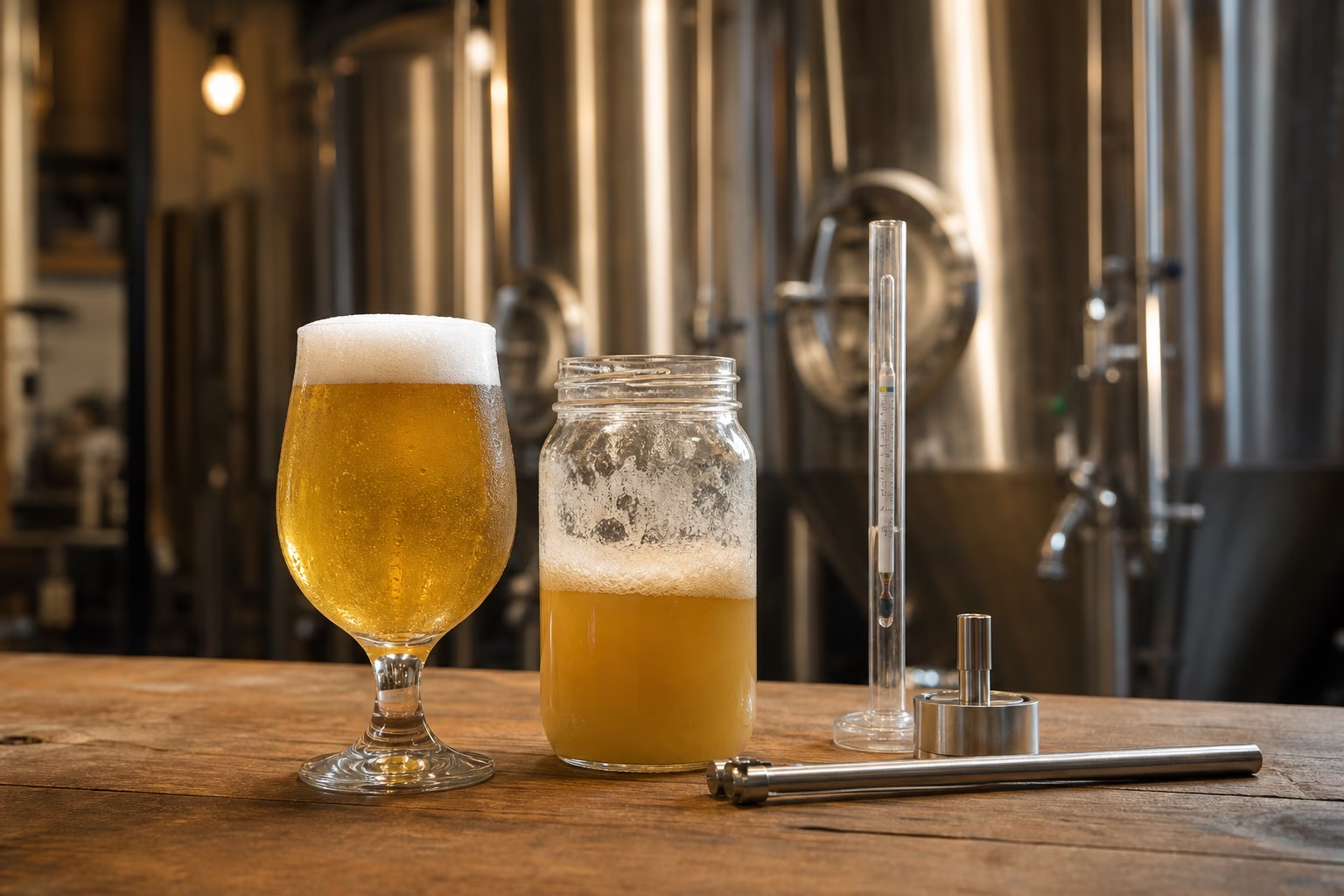
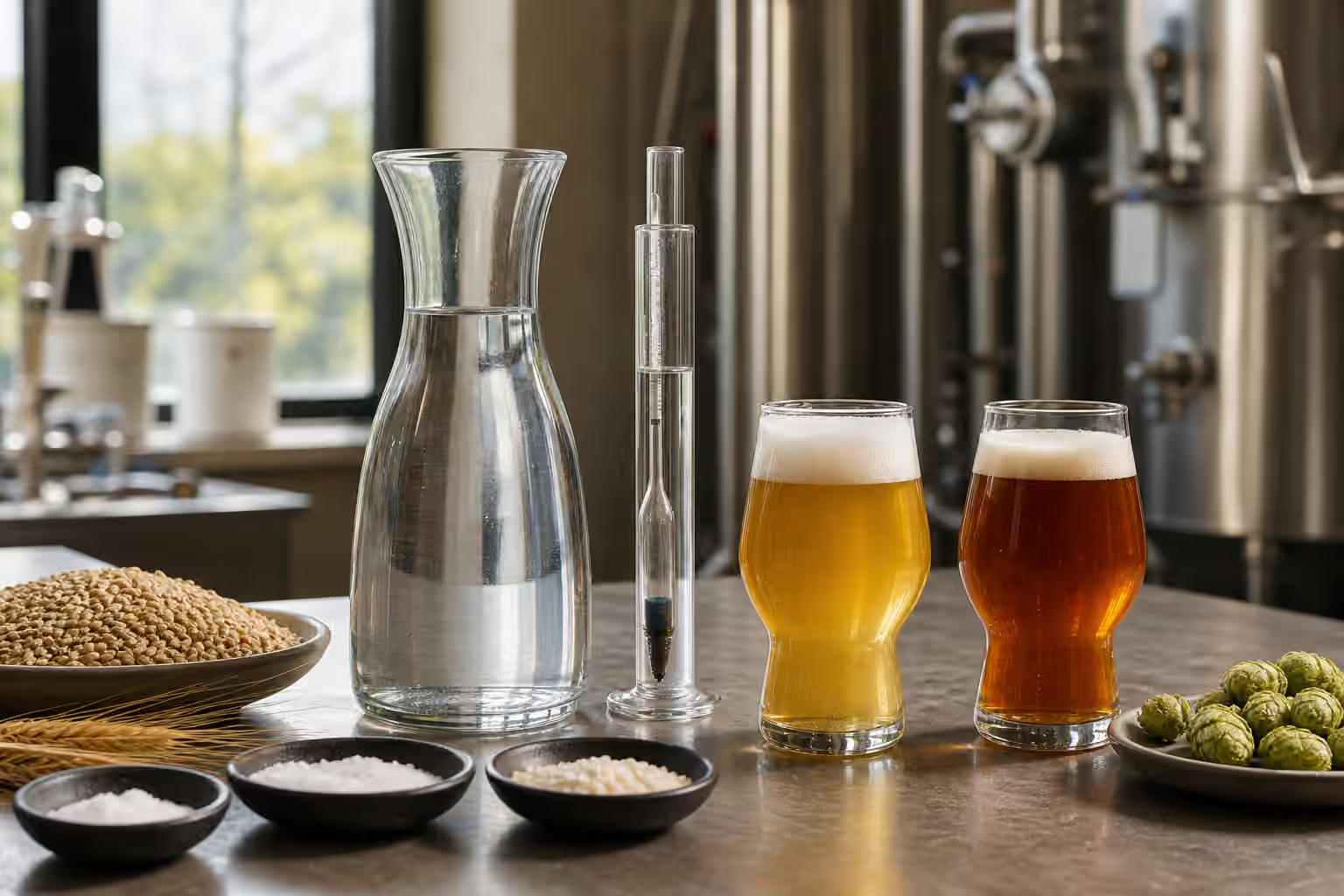
Beer is often introduced as four ingredients: water, malt, hops, and yeast. That is true, but it is also incomplete. A pile of malt does not taste like pilsner. Hop cones do not become IPA by being fragrant. Yeast does not create a clean lager or a spicy saison in isolation. Beer happens when those ingredients pass through a sequence of choices, temperatures, transfers, waiting periods, and protections. The process is not just a factory path from raw material to package. It is where the beer’s body, bitterness, aroma, clarity, carbonation, and shelf life are built.
If the ingredient guides explain the cast, this guide explains the movement. Understanding Malt shows where grain flavor begins, Understanding Hops explains bitterness and aroma, Understanding Yeast follows fermentation, and Understanding Brewing Water gives water its structure. The brewing process ties those ideas together. Once you can picture the path from mash to glass, beer stops feeling like a mysterious finished object and starts feeling like a set of visible decisions.
Malt Becomes Mash
Beer begins with malted grain, usually barley, though wheat, oats, rye, corn, rice, and other grains may also play a role. Malting prepares grain for brewing by letting it begin germination, then drying it before the young plant consumes its own stored starch. That controlled interruption leaves enzymes and starch available for the brewer. The grain is then crushed, not ground into flour, because the brewer wants access to the inside of the kernel while keeping enough husk structure to help with filtering later.
The mash is where crushed malt meets warm water. This stage may look quiet, but it is doing serious work. Enzymes in the malt convert starch into sugars that yeast can later ferment. The brewer chooses a mash temperature and time based on the beer’s intended body, dryness, and malt character. A drier beer may need a wort that yeast can ferment more completely. A fuller beer may need more unfermentable material left behind. The mash does not decide everything, but it sets the shape of the beer before hops or yeast have their say.
Water matters here because mash chemistry affects conversion and flavor. Minerals can make malt feel rounder or hops feel sharper, and pH influences how cleanly the mash performs. Most drinkers do not need to calculate this at the bar, but knowing that water shapes the mash helps explain why two pale beers made with similar ingredients can feel different. One may taste crisp and precise while another seems muddy or harsh. The difference may begin long before the beer is boiled.
Sweet Wort Leaves The Grain
After the mash, the brewer separates the sweet liquid from the spent grain. This liquid is called wort. It is not beer yet. It has sugar, grain flavor, proteins, minerals, and color, but no alcohol and little of the final aroma structure. Lautering is the separation step, and sparging may follow, where hot water rinses more sugar from the grain bed. The goal is not to squeeze every possible bit of material out of the grain. The goal is to collect wort that fits the recipe without dragging harshness along with it.
This is one reason efficiency is not the same as quality. A brewer can extract sugar aggressively and still make worse beer if the result tastes rough, thin, or astringent. Good brewing is controlled extraction. The wort should carry the malt’s useful character into the kettle: bread, cracker, honey, toast, caramel, roast, or whatever the style needs. In a delicate lager, that may mean restraint. In a stout, it may mean a deeper roasted base. The wort is already pointing toward style, even though it still has a long way to go.
The Boil Builds Bitterness And Stability
The kettle changes wort in several ways at once. Boiling sterilizes the wort, drives off some unwanted volatile compounds, concentrates the liquid, coagulates proteins, and creates a stable stage for hop additions. It is one of the loudest parts of brew day, but its purpose is not simply to make the liquid hot. The boil cleans up the wort and prepares it for bitterness, flavor, and fermentation.
Hops added early in the boil contribute most of the measured bitterness because their alpha acids transform under heat into bitter compounds that dissolve into the wort. Hops added late contribute more flavor and aroma because their delicate oils spend less time being driven away by heat. Some brewers add hops after the boil in a whirlpool, where hot wort still extracts character without the same long boiling exposure. Later, some beers receive dry hops during or after fermentation, which gives aroma with little traditional boiled bitterness.
This timing explains why Beer Bitterness and IBU matters. A beer can be intensely aromatic without being brutally bitter, and it can be firmly bitter without smelling like fresh fruit or pine. Process separates those outcomes. The brewer decides when hops meet heat, how much wort they touch, how long they remain, and whether their role is structure, perfume, flavor, or all three.
Cooling Protects The Beer Before Yeast Takes Over
After the boil, wort must cool quickly enough to protect flavor and reduce risk. Hot wort is not yet defended by alcohol, active fermentation, or carbonation. Brewers usually send it through a heat exchanger that brings it down to yeast-friendly temperature on the way to the fermenter. Homebrewers may use an immersion chiller or an ice bath, which is why Homebrewing Basics treats cooling as one of the first practical skills.
Cooling also affects clarity and texture. As wort cools, proteins and hop material can clump and settle as trub. Leaving too much behind or carrying too much forward can change how the beer ferments and how polished it seems later. The brewer is always balancing practical realities. Some material may support fermentation. Too much may create roughness or haze that does not belong in the style. Process is rarely one switch flipped from wrong to right. It is a series of tolerances.
Fermentation Turns Wort Into Beer
Yeast changes the story more dramatically than any other step. Once yeast enters cooled wort, it begins consuming fermentable sugars and producing alcohol, carbon dioxide, heat, and flavor-active compounds. Some of those compounds are subtle and clean. Some are fruity, spicy, peppery, floral, earthy, or sulfurous. Some are welcome in one style and distracting in another. Fermentation is not just alcohol production. It is flavor construction.
Temperature, yeast strain, oxygen at the right moment, pitch rate, wort composition, and time all influence the result. A clean American ale yeast may let hops and malt sit in front. A hefeweizen yeast may produce banana and clove. A Belgian saison yeast may create pepper, fruit, dryness, and a rustic edge. A lager fermentation may be quieter, cooler, and slower, leaving malt, hops, and water exposed because yeast character is less obvious.
This is why rushed beer often tastes unfinished. Yeast may need time after active fermentation to clean up compounds it created earlier. A beer pulled away too soon can taste buttery, green apple-like, sulfurous, hot, or generally rough. In many cases, patience does not add dramatic new flavor. It removes noise so the intended beer can appear.
Conditioning Lets The Beer Settle Into Shape
Conditioning is the stage where beer becomes more coherent. Yeast settles. Harsh edges soften. Some aromas integrate. Carbon dioxide dissolves. Proteins, hop particles, and yeast may drop out, depending on the style and method. For lagers, cold conditioning can be a defining part of the beer’s precision. For strong ales, time can help alcohol and malt feel less jagged. For some mixed-fermentation beers, conditioning may involve months or years of slow microbial and oak development.
Conditioning is not magic aging for every beer. Fresh hop aroma fades, delicate styles can lose brightness, and oxygen keeps working if the beer has been handled poorly. The Beer Off-Flavors guide is useful here because it separates maturity from staleness. A beer can become smoother with time, or it can simply become tired. The difference depends on style, alcohol, acidity, packaging, oxygen exposure, storage, and what the brewer intended.
Carbonation Changes The Final Glass
Beer without carbonation usually tastes unfinished, even if the flavor is otherwise sound. Carbon dioxide changes aroma, texture, bitterness, body, and refreshment. Some beers are force carbonated in tank or keg. Some are naturally conditioned in bottles, cans, casks, or tanks by giving yeast a small amount of fermentable sugar and letting it create carbon dioxide inside the package or serving vessel. Both approaches can make excellent beer when controlled well.
The amount and feel of carbonation should fit the style. A wheat beer may want a high, lively head. A dry saison may need sparkle to feel lifted. A stout on nitrogen may feel creamy because its bubbles are tiny and slow. A cask-style ale may feel gentle and soft. Beer Carbonation and Foam goes deeper into those textures, but the process point is simple: carbonation is not decoration. It is part of how beer smells, tastes, and finishes.
Packaging Is A Brewing Step Too
Packaging looks like the end, but it is still brewing in the practical sense because it decides how well the beer survives the trip to the drinker. Bottles, cans, kegs, and casks each protect and expose beer in different ways. Oxygen pickup during packaging can flatten hop aroma and create stale, papery flavors. Light can damage hop compounds in vulnerable glass. Warm storage can accelerate decline. A beautifully brewed beer can be damaged after it leaves the tank.
This is why How to Buy Beer and Serving and Storage spend so much time on dates, cold storage, light protection, and freshness. Those are not fussy details added after the real work is done. They are part of the chain that carries process into the glass. A fresh IPA, a clean lager, a bottle-conditioned Belgian ale, and a barrel-aged stout all ask for different timing and handling.
Reading Process In The Glass
You do not need to stand beside the brewhouse to taste process. A clear pilsner with firm foam, clean grain, herbal bitterness, and a dry finish tells a story about malt, water, boil, fermentation, conditioning, filtration or settling, carbonation, and service. A hazy IPA with soft body, vivid hop aroma, restrained bitterness, and quick freshness decline tells a different process story. A stout with rough roast, thin body, and harsh bitterness may point back to grain choices, water, mash, boil, fermentation, or balance.
The value of learning the process is not to turn every beer into homework. It is to make tasting more generous and more precise. When you use Beer Tasting 101 with process in mind, you can ask better questions. Is this sweetness from malt, alcohol, or age? Is the bitterness boiled-hop structure or dry-hop roughness? Is the haze intentional, or does the beer seem unsettled? Is the carbonation supporting the style, or fighting it?
Beer is made in stages, and each stage leaves evidence. Grain becomes wort. Wort becomes bitter, stable, and aromatic. Yeast turns it into beer. Conditioning gives it shape. Carbonation gives it movement. Packaging tries to preserve the result. By the time the glass reaches you, the beer has already made a long trip. Learning that trip does not make the drink less immediate. It makes the first sip easier to hear.