
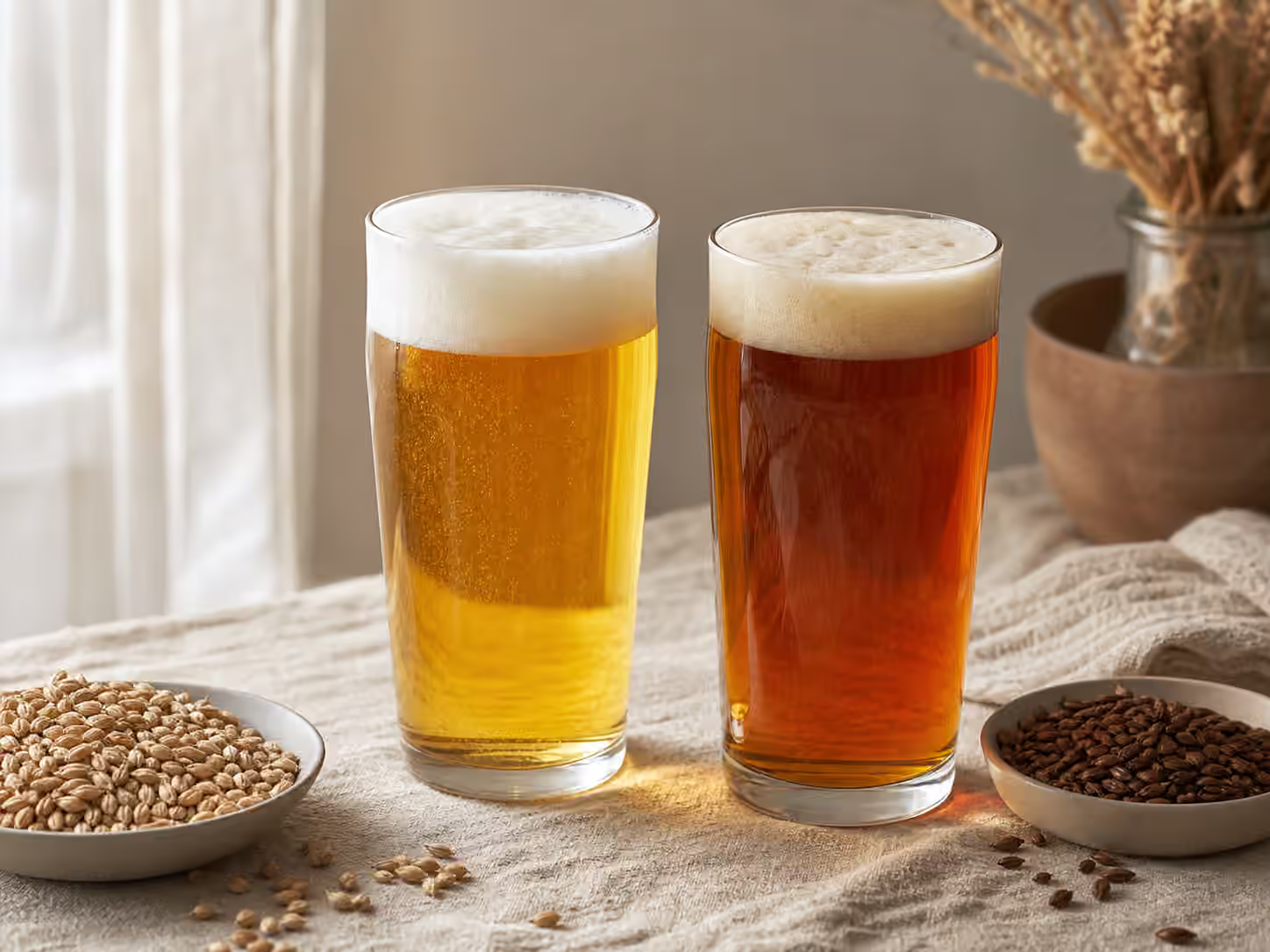
Helles and Vienna lager are useful beers because they make quiet balance visible. Neither style depends on extreme bitterness, heavy roast, strong alcohol, sourness, fruit, barrel character, or haze. One is pale gold and soft, the other amber and gently toasty. Both ask the same basic question: can malt, clean fermentation, restrained hops, carbonation, and freshness hold your attention without shouting?
The larger Lager Styles guide explains cold fermentation and clean flavor across the family. Pilsner and Pale Lager focuses on crisp bitterness and pale refreshment. This guide stays with two malt-balanced lagers that can look simple until you taste them side by side.
Helles Is Softness With A Spine
Helles is often described as pale, bready, gently sweet, and clean. That is accurate, but it can make the beer sound passive. A good helles is not bland. It has pale malt flavor, a soft round middle, enough hop bitterness to keep the finish from sagging, and a clean lager fermentation that leaves very little noise. The beer should feel smooth without being sugary and crisp without becoming sharp.
The malt character may suggest fresh bread, cracker, honeyed grain, light biscuit, or dough. These are quiet flavors, which means the beer has to be technically clean. Any stale note, sulfur problem, harsh bitterness, solvent, butter, or papery oxidation can stand out quickly. Helles does not hide flaws well. That is part of why brewers respect it.
Hops in helles usually frame rather than lead. You may notice floral, herbal, grassy, or spicy notes, but the beer is not built like a pilsner where bitterness and hop snap often stand forward. The finish should invite another sip because the sweetness has been trimmed, not because the beer has been made watery. The balance lives in a narrow space.
Vienna Lager Turns The Malt A Shade Darker
Vienna lager moves into amber color and toasted malt. It may suggest bread crust, light caramel, toast, nuts, or a dry biscuit edge. It should not become sticky or heavily sweet. The best examples have a polished amber malt profile with clean fermentation and enough bitterness to make the finish tidy.
The color can mislead drinkers. Amber beer is often assumed to be sweet, heavy, or old-fashioned. Vienna lager should be more elegant than that. It is malt-forward, but the malt should feel dry and integrated. If the beer tastes like caramel syrup, it has lost the crispness that makes lager different from many amber ales. If it tastes thin and brown without toast, it has missed the point in the other direction.
Vienna sits near several neighboring styles. Marzen and Oktoberfest beers can be stronger, richer, or more festive depending on interpretation. Marzen and Oktoberfest Amber Lagers covers that territory. Dark lagers like dunkel and tmavy move deeper into bread crust, chocolate, or roast-adjacent malt. Vienna’s useful middle is amber malt with restraint.
Clean Fermentation Is The Shared Frame
Both styles depend on lager fermentation. Clean does not mean flavorless. It means the yeast stays out of the way enough for malt, hops, water, and process to show clearly. Fruity esters, peppery phenols, heavy sulfur, butter, or solvent notes would distract from the point. A little lager sulfur can appear in some examples, but it should not dominate the glass.
Cold fermentation and conditioning give lager its polished shape. Time lets harsh edges settle. The beer should feel smooth, integrated, and precise. That polish can be mistaken for simplicity by drinkers used to louder styles. But quiet beer can be demanding because the brewer has fewer places to hide. Ale vs Lager is useful here because it explains why fermentation family changes the flavor conversation.
The clean frame also makes serving quality obvious. Old beer tastes old. Warm storage tastes warm. Dirty glassware damages foam. Poor draft handling can make a delicate lager seem dull or sour. Helles and Vienna are good tests of a bar’s habits because they reveal whether the system respects subtle beer.
Bitterness Works In The Background
These beers still need hops. Without bitterness, pale malt can become cloying and amber malt can become sticky. With too much bitterness, helles loses softness and Vienna loses its toasted grace. The hop decision is structural. It is there to shape the finish and keep the next sip attractive.
This is why IBU numbers can be less helpful than tasting. A helles and a pale ale may share a similar bitterness number but feel different because sweetness, carbonation, malt, water minerals, yeast, and body change how bitterness lands. Beer Bitterness and IBU explains that measured bitterness is not the same as perceived bitterness.
When tasting, notice the finish more than the first sip. Helles may begin softly, then dry out just enough. Vienna may begin with toast, then finish cleaner than the color suggests. If the beer leaves a syrupy film, bitterness and attenuation may be too low. If it scrapes the tongue, bitterness or water balance may be too sharp for the malt.
Freshness And Temperature
Helles and Vienna lager are freshness beers. They can be stable when handled well, but they do not usually improve with casual aging. Pale malt can fade. Toast can turn stale. Hop aroma can disappear. Oxidation can bring paper, honey, cardboard, or tired bread. A beer that should taste clean and lively may become sweet and flat.
Buy them cold when possible, especially if the beer traveled far. Look for packaging dates if available. Cans protect from light, though good brown bottles can work when handled well. Avoid packages displayed in sun or stored warm for long periods. The advice from Beer Packaging and Freshness applies strongly because lager leaves damage exposed.
Serve cool, not numb. Very cold beer refreshes, but it can hide malt. Helles should show bread and grain, not just carbonation. Vienna should show toast, not just amber color. Let a too-cold pour sit for a few minutes and taste again. The beer may open into balance that was invisible at refrigerator shock temperature.
Food Shows Their Usefulness
Helles is an easy food beer because it refreshes without fighting the plate. It works with roast chicken, sausages, pretzels, fries, mild cheeses, salads, grilled fish, simple sandwiches, and salty snacks. Its pale malt and soft bitterness meet food the way good bread does: present enough to matter, mild enough to let the meal stay central.
Vienna lager works where toast and amber malt help. It can meet tacos, roast pork, grilled vegetables, burgers, chicken with browned skin, nutty cheeses, and dishes with gentle chili warmth. The beer’s malt mirrors browned food, while carbonation and bitterness keep the pairing from getting heavy. The broader Food and Beer Pairing guide gives the principles, but these styles teach them without drama.
They are also useful comparison beers. Put helles beside pilsner and you can taste softness versus hop snap. Put Vienna beside marzen and you can taste amber restraint versus richer festbier territory. Put either beside a fruity ale and the role of clean fermentation becomes obvious. Small side-by-side pours teach more than one large glass.
Helles and Vienna lager reward attention because they make modesty specific. Helles is not merely pale beer. Vienna is not merely amber beer. Each has a center: clean fermentation, shaped malt, measured hops, lively carbonation, and a finish that wants another sip. When those pieces line up, the beer does not need volume. It earns attention quietly.


