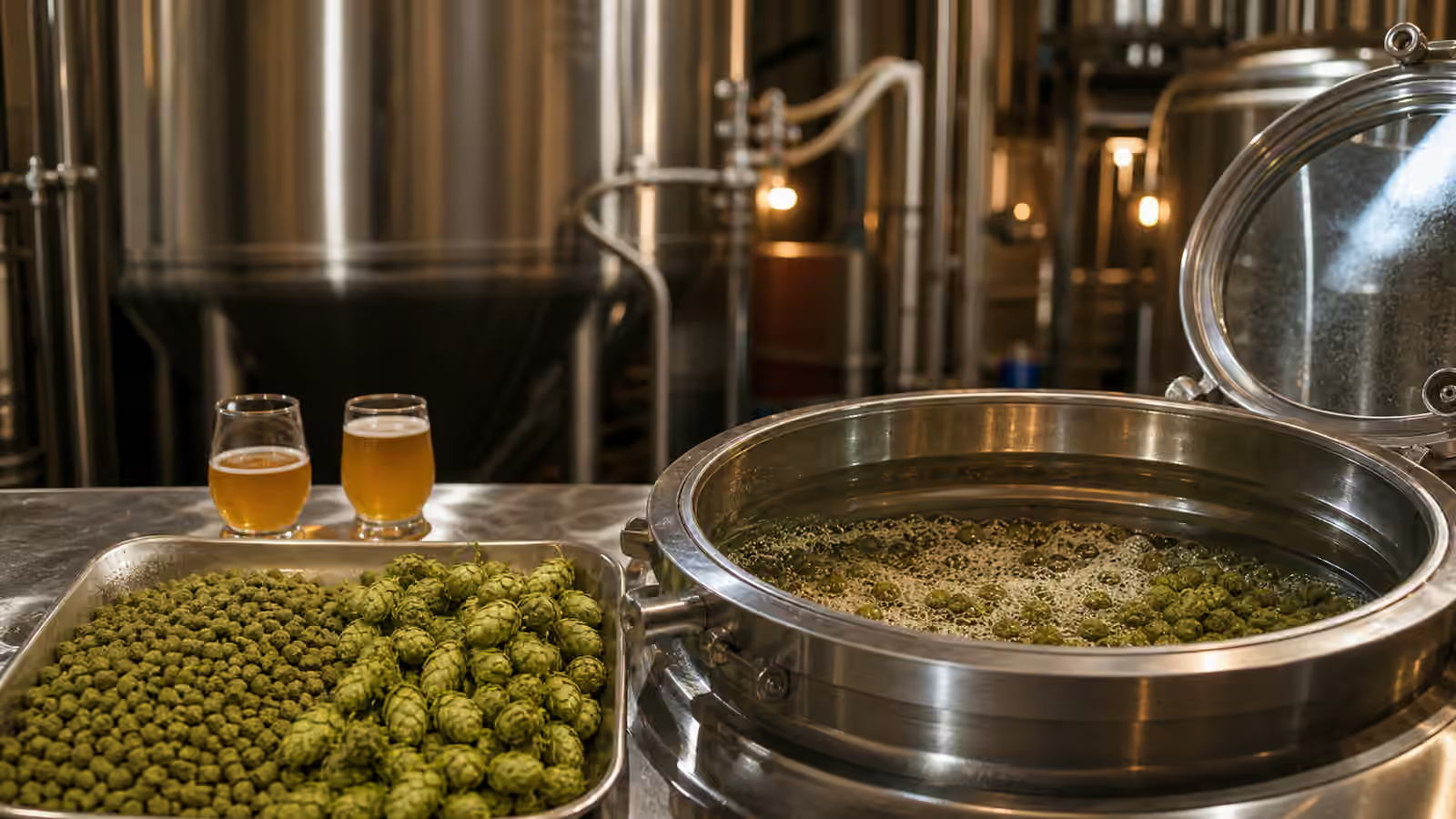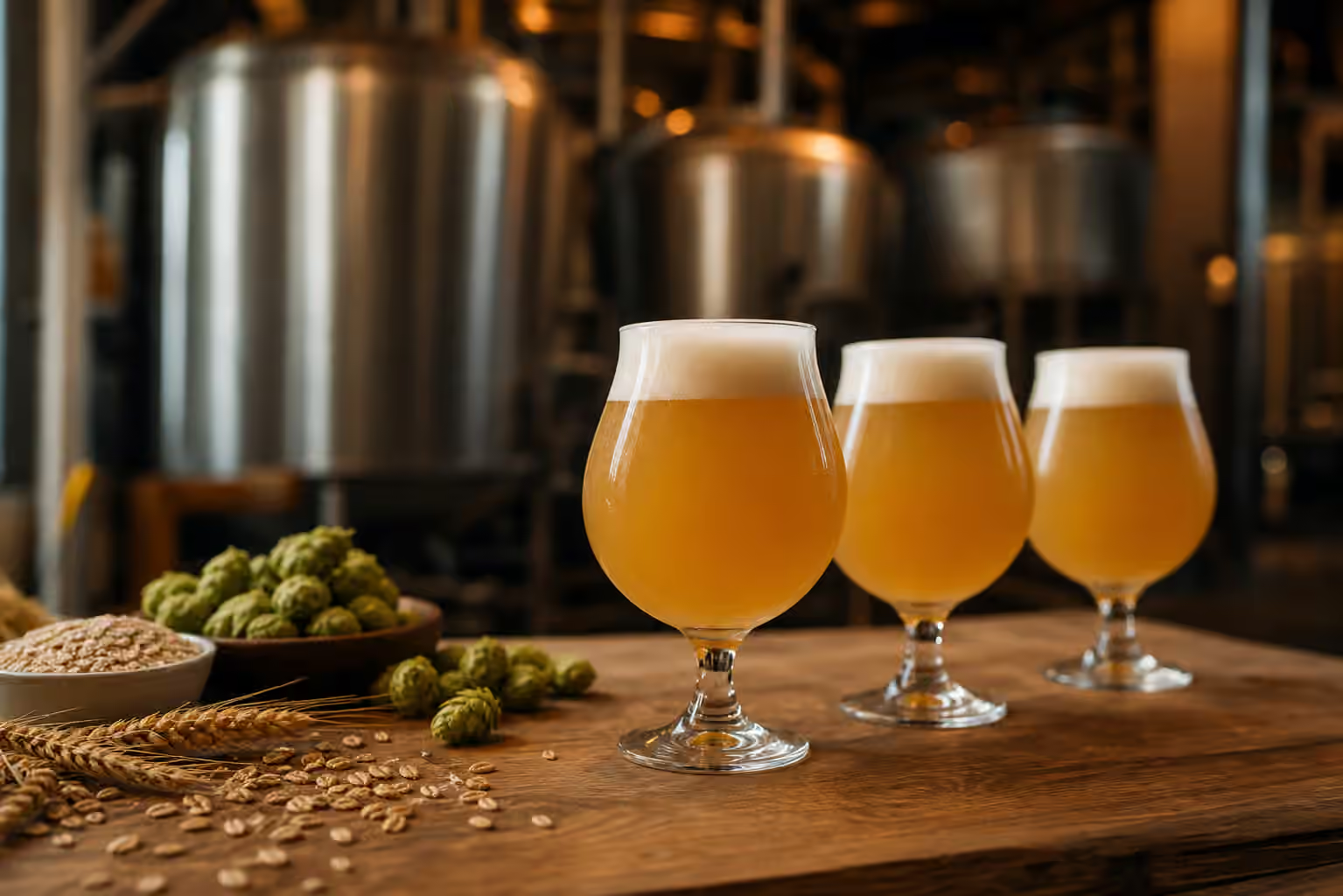
Hazy IPA and New England IPA changed the way many drinkers think about hoppy beer. Older IPA expectations often centered on a clear glass, firm bitterness, and a dry finish. Hazy IPA keeps hops at the center, but it shifts the emphasis toward saturated aroma, softer bitterness, a fuller body, and an opaque appearance that can look closer to orange juice than to a classic pale ale. That shift can be inviting, but it can also create confusion. Haze alone does not make a good beer, and fruit-like aroma does not remove the need for structure.
The broader IPA Styles Guide gives hazy IPA a place inside the larger hop-forward family. This guide narrows the view. It asks what haze is doing, why oats and wheat matter, how dry hopping changes aroma and texture, and why freshness can make the difference between a vivid beer and a muddy one. A good hazy IPA should feel lush without becoming heavy, aromatic without tasting raw, and soft without losing its finish.
Haze Should Serve The Beer
Haze in this style usually comes from several sources working together: proteins from wheat or oats, hop polyphenols from heavy late hopping and dry hopping, yeast behavior, and process choices that keep those materials in suspension. The result is a beer that scatters light instead of pouring brilliantly clear. That visual signal prepares the drinker for softness, hop saturation, and a less angular form of bitterness.
The mistake is treating opacity as proof of quality. A hazy IPA can be cloudy because it was designed carefully, but it can also be cloudy because it is unstable, yeasty, over-hopped, or rushed. Good haze looks and tastes integrated. The beer may be orange-gold, pale yellow, or deeper amber, but the appearance should match the aroma and body. If the glass looks thick and the beer tastes chalky, green, or gummy, the haze has become a problem rather than a feature.
Beer Color and Clarity is helpful here because it separates appearance from judgment. Clarity is not automatically good, and haze is not automatically modern craftsmanship. The right question is whether the beer’s look belongs to its flavor. In a good hazy IPA, the appearance, foam, hop aroma, body, and finish all point in the same direction.
Softness Comes From More Than Haze
The soft texture associated with New England IPA usually begins with the grain bill. Brewers often use wheat, oats, or both alongside barley malt. Wheat can help foam and body. Oats can add silkiness and a rounder mouthfeel. Those grains do not make the beer sweet by themselves, but they can make hop bitterness feel less sharp and fruit aroma feel more plush.
Water chemistry also matters. A softer, chloride-leaning profile can make the beer seem rounder, while a sulfate-heavy profile can sharpen bitterness and dryness. The Understanding Brewing Water guide explains the larger pattern. In hazy IPA, the practical result is easy to taste. One beer feels pillowy and smooth. Another has the same hop varieties but finishes rough and raspy. Ingredients alone do not explain that difference. Process, minerals, fermentation, carbonation, and freshness all join the texture.
Softness should not mean flabbiness. The beer still needs enough attenuation, carbonation, and hop structure to keep moving. When hazy IPA becomes too sweet or too thick, the fruit aroma starts to feel like syrup. When it is too dry and bitter for its body, the hops can scrape. The best examples find a middle path where the first sip is generous and the last sip still feels fresh.
Hop Aroma Leads The Style
Hazy IPA usually depends on late hopping, whirlpool additions, and dry hopping rather than heavy early-boil bitterness. The goal is vivid aroma and flavor: citrus, mango, peach, pineapple, passion fruit, berry, melon, lime, resin, flowers, or sometimes a gentle herbal edge. These impressions often come from hop oils and fermentation interactions, not from actual fruit. A beer can smell like mango without containing mango.
Dry hopping is central because it adds hop aroma after the boil, preserving volatile compounds that heat would drive away. It can also change texture, perceived bitterness, and haze. Done well, dry hopping makes the beer smell alive. Done poorly, it can bring grassy, vegetal, onion-like, garlicky, or harshly tannic notes. The Understanding Hops guide covers hop timing broadly, but hazy IPA makes the stakes obvious because the hop load is so visible.
Bitterness still matters. Hazy IPA is often less bitter than West Coast IPA, but it should not taste like sweet hop juice. Some bitterness gives the beer a spine. It keeps the finish from becoming heavy and makes the aroma feel more like beer than smoothie. The Beer Bitterness and IBU guide is useful because measured bitterness may be modest while perceived bitterness comes from dry-hop matter, carbonation, and dryness.
Yeast Adds A Quiet Layer
New England IPA often uses expressive ale yeast strains that leave fruit-like esters, support haze, and create a rounder fermentation profile. That does not mean the beer should taste yeasty in a raw or unfinished way. Yeast character should support the hop aroma, not fight it. A little stone fruit, soft citrus, or rounded fermentation character can make hop aroma feel deeper. A heavy yeast bite can make the beer taste like it was packaged too soon.
Understanding Yeast explains why fermentation affects more than alcohol. With hazy IPA, yeast influences aroma, attenuation, body, haze stability, and how cleanly the beer finishes. If a beer smells like fresh hops but tastes doughy, chalky, or overly yeasty, fermentation and conditioning may be part of the issue. The style can look unfinished to the eye while still needing to taste finished on the palate.
This is also why pouring matters. Some haze belongs in the glass, but heavy sediment at the bottom of a can or bottle may not improve the beer. If the package has a visible layer, pour gently at first and decide whether the final swirl adds pleasant texture or muddy roughness. Bottle-Conditioned Beer gives a broader way to think about sediment, though most hazy IPA is not meant to be treated like a Belgian bottle-conditioned ale.
Freshness Is Part Of The Flavor
Hazy IPA is fragile. Hop aroma fades, oxygen dulls color and flavor, and warm storage can turn bright fruit into stale sweetness. Some examples darken from pale gold to brownish orange when oxygen exposure is severe. The aroma may shift from citrus and tropical fruit toward cardboard, honeyed staleness, onion, or a flat vegetal note. A beer that was vivid at packaging can feel tired after poor handling.
This does not mean every hazy IPA expires overnight. It means the style depends on aroma that is easy to lose. Buy from cold storage when possible, look for recent packaging dates when they are provided, and avoid dusty warm shelves for beers built around hops. How to Buy Beer and Beer Packaging and Freshness both apply directly here.
At home, keep hazy IPA cold and drink it while the hop character is still the reason you bought it. Cellaring rarely helps. The beers that age gracefully tend to have strong malt, alcohol, acidity, bottle conditioning, or barrel structure. Hazy IPA usually has none of those as its main protection. Its best life is short, cold, aromatic, and shared before the edges fade.
How To Taste It Clearly
Start with aroma. Notice whether the hops smell bright, soft, ripe, green, resinous, floral, or dull. Then taste for body before judging sweetness. A hazy IPA can feel full without being sugary. The finish tells the truth. Does the beer clean up after the swallow, or does it sit on the tongue? Does bitterness feel smooth, or does dry-hop roughness scrape? Does the fruit impression remain fresh, or does it become heavy and indistinct?
Carbonation and foam deserve attention. Too little carbonation makes the beer feel thick and sweet. Too much can turn softness into prickliness. A healthy head carries hop aroma and gives the first sip lift. Beer Carbonation and Foam explains why bubbles change flavor, and hazy IPA is a useful classroom because texture is so central.
Food can help the style make sense. Hazy IPA often works with spicy chicken, fish tacos, Thai salads, creamy cheeses, fruit salsas, and salty fried food when the beer is not too sweet. The soft body cushions heat, while hop aroma can echo citrus, herbs, and fruit. If the beer is very sweet, pairings become harder because the food has to carry that sweetness too. Food and Beer Pairing gives the wider method.
Hazy IPA is not a shortcut around balance. It is a different balance. The beer asks for big aroma, soft texture, restrained but present bitterness, clean fermentation, and careful freshness. When those parts align, the style can feel generous without being heavy and expressive without losing drinkability. When they do not, the haze only makes the flaws harder to ignore.