Growlers and crowlers are appealing because they make draft beer feel portable. A beer you tasted at the taproom can come home for dinner, a quiet evening, or a small gathering. That convenience is real, but it comes with a tradeoff. Take-home draft is more fragile than beer packaged on a brewery’s canning or bottling line. It has already left one controlled system and entered another container, often while oxygen, temperature, fill technique, and time are trying to change it.
The broader Draft Beer guide explains what happens at the tap. This guide begins after you decide to take that beer away from the bar. The main lesson is simple: growlers and crowlers are best when the occasion is close. They are not emergency cellars, collector trophies, or replacements for packaged beer built for distribution.
Draft Beer Changes When It Leaves The Tap
A keg is a protected environment when it is cold, pressurized, and connected to a clean draft system. The beer is shielded from light, held at serving pressure, and poured in a way that can be repeated glass after glass. A growler or crowler fill interrupts that stability. The beer moves through air, into a container, and then into your refrigerator, car, backpack, or table. Every step matters.
Oxygen is the biggest concern. A little air trapped in the container can dull hop aroma, flatten malt freshness, and push beer toward papery, stale, honeyed, or cardboard-like flavors. Oxygen damage is especially obvious in pale hoppy beer, where bright aroma fades quickly. Beer Packaging and Freshness covers this more broadly, but take-home draft gives the lesson in a compressed timeline.
Carbonation is the second concern. Draft beer is balanced for a glass, not for days of travel. A loose cap, poor seal, warm ride, or half-full growler can leave the beer dull. Too much agitation can foam out carbonation when opened. The beer may still be drinkable, but it will not be the same beer you tasted at the tap.
Growlers Are Romantic But Demanding
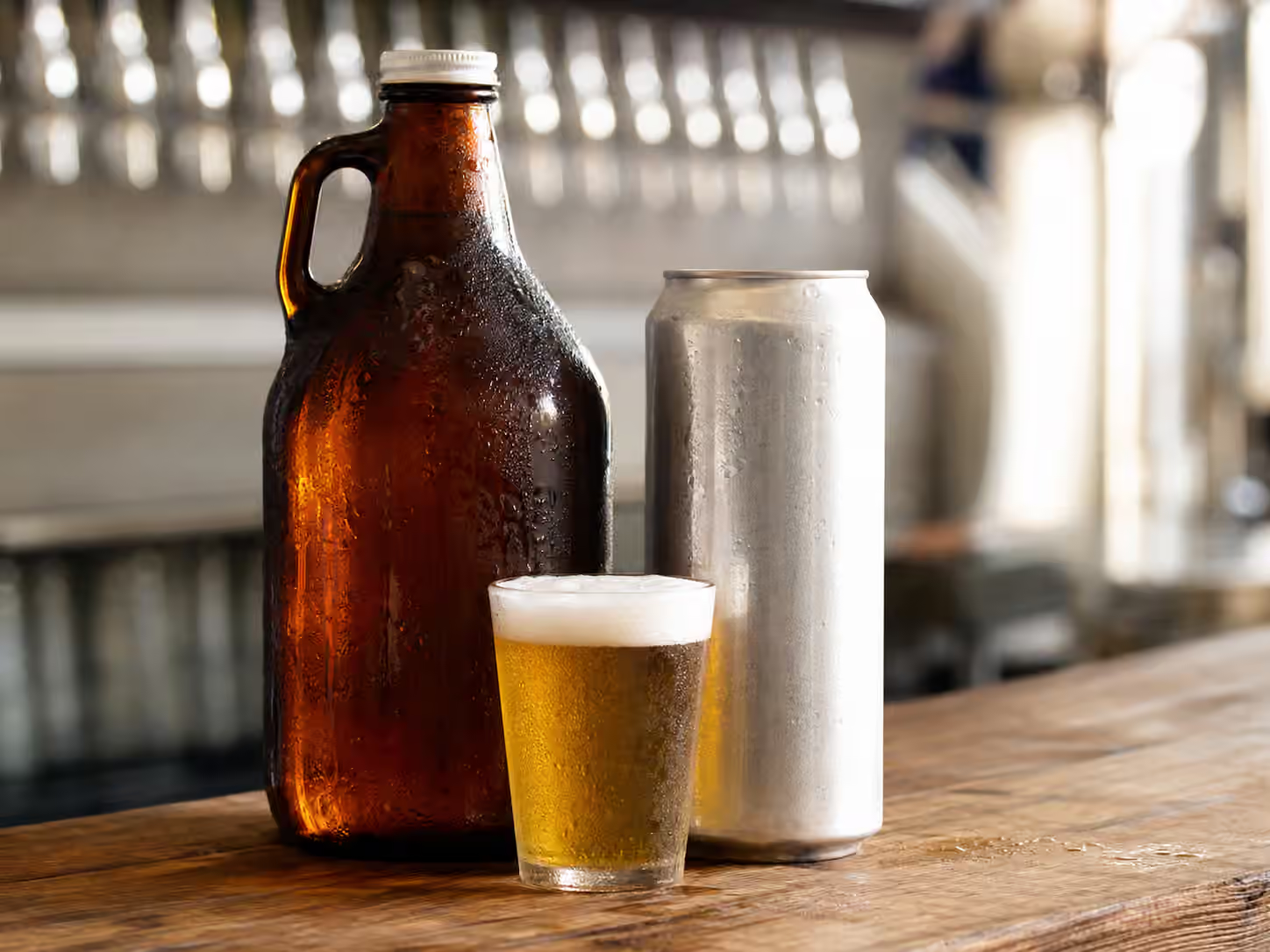
A growler is usually a refillable jug, often glass, though stainless versions exist. It looks permanent, but the beer inside is temporary. Once filled, a growler should be kept cold and opened soon. After opening, it behaves more like a large bottle that has been disturbed than like a fresh keg. Oxygen enters, carbonation leaves, and the clock speeds up.
The best growler fills are careful. The container should be clean, odor-free, and suited for pressure. The fill should limit foam waste and oxygen pickup. Some places use a tube that fills from the bottom. Some purge the container with carbon dioxide before filling. Some cap on foam so the container has less headspace. Not every bar or brewery has the same equipment, but the pattern is easy to understand: less oxygen, cold beer, full container, tight seal.
Glass growlers also bring light risk. Brown glass protects better than clear glass, but neither is as protective as an opaque can. Keep the growler out of sunlight and away from warm windows. Treat it like fresh food. The beer may look sturdy in a jug, but it is still beer, and beer is fragile when it is warm, exposed, or half-open.
Crowlers Solve Some Problems And Create Others
A crowler is a large can filled and seamed at the taproom. Because it is sealed like a can, it can protect beer from light and usually travels better than an old-fashioned screw-cap growler. A good crowler fill can be an excellent way to bring fresh draft beer home, especially when the beer will be shared soon.
The seam matters. If the machine is adjusted well and the operator knows the process, the seal can be strong. If the seam is poor, the beer may lose carbonation or leak. You do not need to inspect the seam like a packaging technician, but you can notice whether the can looks cleanly closed, whether it hisses normally when opened, and whether the beer pours with the life you expected.
Crowlers are still not magic. The beer still had to enter the can from a draft line. Oxygen can still be picked up during filling. Warm storage can still damage the beer. Hop aroma can still fade. A crowler protects against light and gives you a sealed package, but it does not erase the handling that came before the lid was sealed.
Choose Styles That Fit The Container
Some beers handle take-home draft better than others. Fresh hoppy beer can be wonderful in a growler or crowler when you drink it promptly, but it is also the first to show stale aroma if you wait too long. A delicate pilsner or helles can be beautiful when the fill is clean and cold, but it also has nowhere to hide if oxygen or dirty lines are involved. A mild, amber lager, brown ale, porter, stout, or saison may tolerate the trip a little more gracefully, though none of them becomes immune to time.
Strong stouts, barleywines, and mixed-fermentation beers can seem like candidates for longer keeping, but the take-home format still matters. A packaged bottle-conditioned beer or brewery-sealed can may be designed to age. A fresh draft fill is usually designed to be drunk. If the beer is expensive, rare, or high in strength, ask whether the brewery has a packaged version meant for storage before assuming a growler is the right vessel.
The job of the beer matters too. A growler for dinner tonight makes sense. A crowler for a picnic tomorrow can make sense if it stays cold. A growler forgotten in a warm car or opened three days later will probably disappoint. How To Buy Beer uses the same idea: match the package to the moment instead of buying only by name or excitement.
Handling At Home
Bring take-home draft home cold and keep it cold. Avoid leaving it in a hot trunk, sunny kitchen, or warm entryway. If you need to transport it for more than a short trip, use an insulated bag or cooler. The goal is not perfection. It is to avoid the obvious abuse that makes fresh beer taste older than it is.
Store growlers upright. Keep caps tight. Open them over a sink if the beer may be lively, especially for highly carbonated styles or fills that traveled roughly. Once opened, pour what you plan to drink and close the growler if anything remains, but do not expect the second day to match the first pour. Each opening gives oxygen and carbonation another chance to trade places.
Crowlers should also stay cold and upright. Do not treat them as shelf-stable decorations. When serving, pour into clean glasses rather than drinking from the large can if you want to taste clearly. The pour lets you check foam, aroma, color, and condition. It also lets a shared crowler feel intentional instead of awkward.
When The Beer Tastes Wrong
Take-home draft can fail in several ways. Oxidized beer may taste papery, dull, sweetly stale, or muted. Flat beer may feel heavy and lifeless. Overly foamy beer may have been overcarbonated, warmed, shaken, or poorly filled. Sourness, butter, metal, or muddy flavors can point to draft system problems, though they can also come from the beer itself. Beer Off-Flavors helps separate those signals.
Be fair with the timeline. If you kept a hop-forward growler for a week, the brewery may not be the problem. If you opened a crowler warm after it rolled around in a bag, the pour may not represent the beer. If you drank it promptly, kept it cold, and it still tastes clearly wrong, the fill, draft system, package seal, or beer condition deserves suspicion.
The best taprooms are honest about this. They tell you when to drink the beer, which styles they recommend for fills, and whether a crowler or growler is a better choice. They refuse fills into dirty or unsafe containers. They keep draft lines clean and move beer quickly. That discipline matters because a take-home fill carries the taproom’s standards beyond the door.
Growlers and crowlers are at their best when they keep the taproom close to the moment you want to share. Use them for immediacy: dinner tonight, a fresh lager after work, a hoppy beer while its aroma is still bright, a stout for a small table that will finish it. Respect the container, drink soon, and the beer has a fair chance to arrive at home with the same shape it had at the bar.