Gose and Berliner Weisse are sour beers, but they are not sour beer at its heaviest or strangest. They are usually pale, low to moderate in strength, wheat-based, brisk, and refreshing. Their acidity is meant to brighten rather than punish. Their light body can make them feel almost spritzy. When fruit appears, it should still leave room for the beer underneath. When salt appears in gose, it should sharpen the edges, not turn the glass into seawater.
The broader Sour Beer guide covers acidity, funk, fruit, and mixed fermentation across a wider range. This guide stays with the lighter wheat-beer side, where the question is not how wild or intense a beer can become. The question is how tartness, grain, carbonation, and small flavor accents can make a beer lively without making it tiring.
Tart Is Not The Same As Funky
Many drinkers hear sour beer and imagine barnyard aromas, oak, aged lambic, vinegar edges, or heavy fruit puree. Gose and Berliner Weisse do not have to live there. They can be cleanly tart, with lemony acidity and a soft grain base. Some examples are kettle soured, meaning acidity is developed before the main boil and fermentation, often producing a cleaner lactic sourness. Others may be fermented in more traditional or mixed ways. The practical difference for the drinker is whether the beer tastes bright and clean, earthy and complex, or simply harsh.
Acidity should have shape. A good light sour beer wakes up the mouth, then lets the next sip make sense. If the beer only tastes like citric acid or candy powder, it may be technically tart but not balanced. If it smells like vinegar in a way that overwhelms the glass, it may be outside the clean profile many people expect from these styles. Some drinkers enjoy sharper examples, but the style’s charm often comes from restraint.
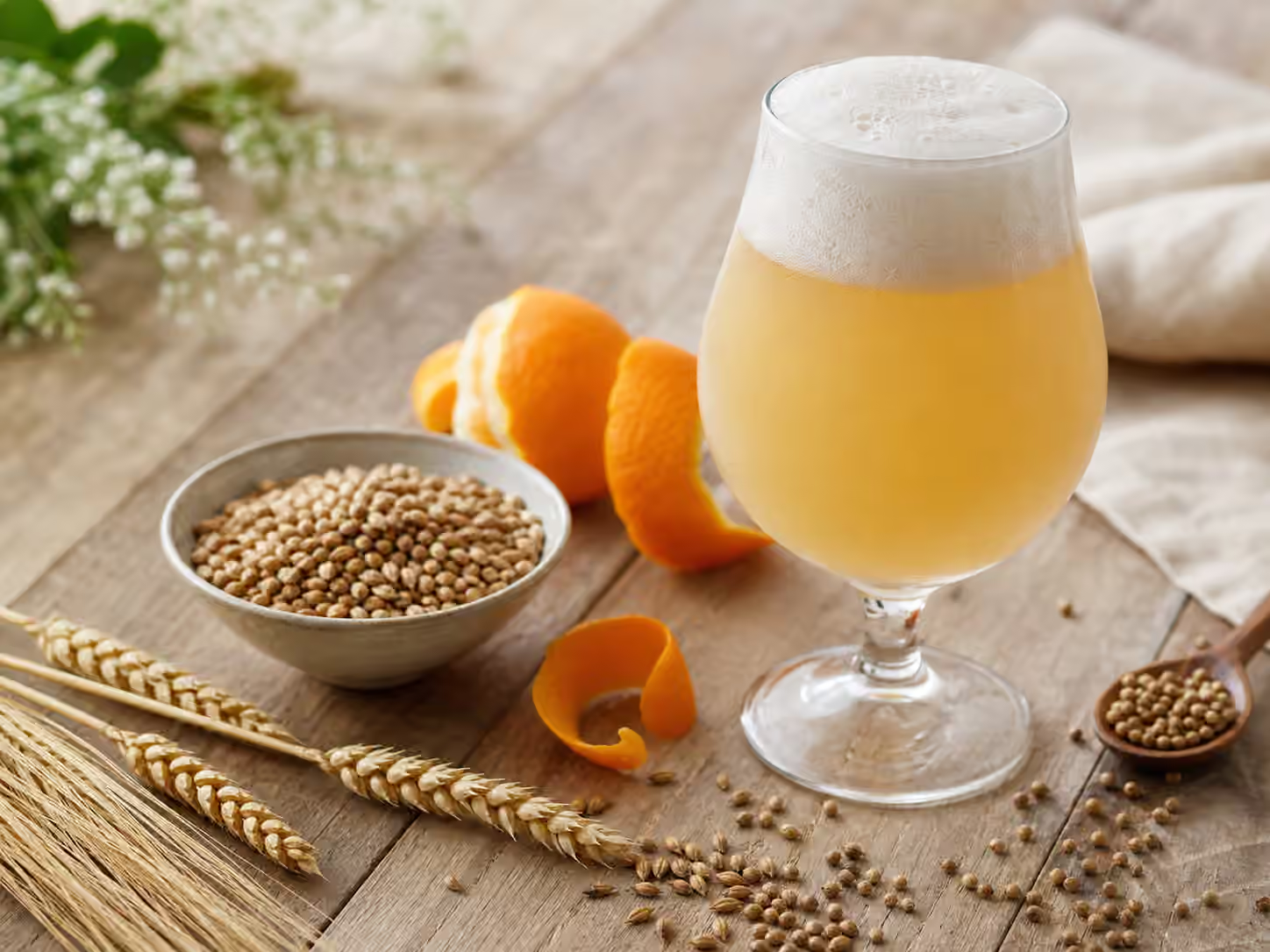
Wheat matters because it softens the beer. It can add haze, pale bread flavor, and a rounder texture beneath the acidity. Wheat Beer explains how wheat changes foam and body in other styles. In gose and Berliner Weisse, wheat gives the acid something to rest on, so the beer does not feel like flavored sparkling water.
Berliner Weisse Is Lightness With Edges
Berliner Weisse is often pale, low in alcohol, highly carbonated, and sharply refreshing. The best examples feel delicate but not empty. They may suggest lemon, yogurt-like lactic tang, fresh dough, green apple, or light grain. The finish should be dry and quick. This is beer built for refreshment, but the refreshment comes from acid and carbonation rather than bitterness.
Because the beer is so light, balance is fragile. Too much acidity can erase the malt. Too little body can make the beer watery. Too much fruit can make it taste like a soft drink with beer credentials. The cleanest examples are often more satisfying than the loudest because they leave room for the wheat and fermentation to be noticed.
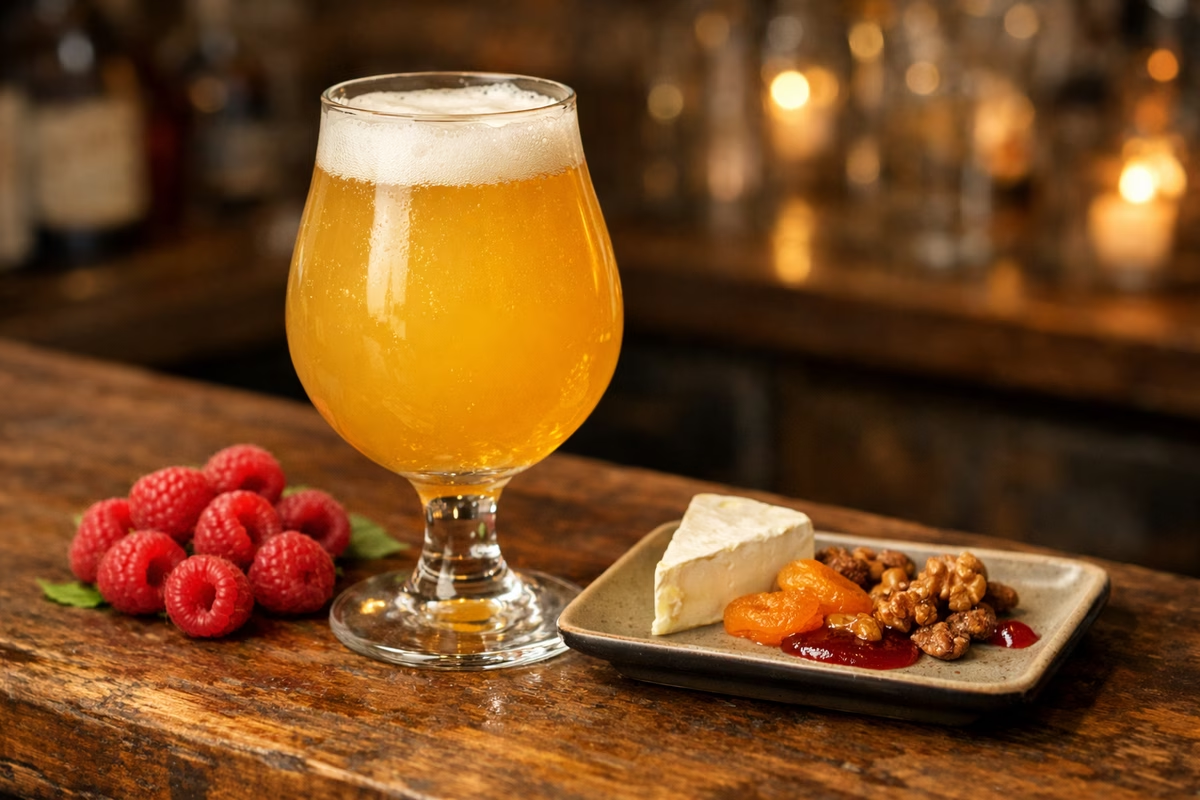
Fruit can work beautifully, especially when it behaves like a seasoning. Raspberry, cherry, peach, apricot, black currant, and citrus can all make sense, but the fruit should not turn the beer into jam unless that is clearly the goal. A fruit Berliner Weisse can be vivid and still finish dry. If it finishes syrupy, the beer has moved into a different kind of drink.
Gose Adds Salt And Coriander
Gose brings two famous accents: salt and coriander. Neither should dominate. Salt in gose is most useful when it increases perception of flavor, rounds the acidity, and makes the finish feel snappy. You may notice it as a gentle mineral edge more than as obvious salinity. Coriander can bring citrus, floral spice, and a faint herbal lift. Together, they can make a small pale beer feel more dimensional.
The risk is imbalance. Too much salt becomes distracting. Too much coriander tastes perfumed or soapy. Too much acidity turns the beer into a dare. A good gose remains drinkable. It should make food sound better, not make your palate ask for a break.
Gose also handles fruit well because salt and acid both flatter fruit flavor. Watermelon, lime, cherry, berry, guava, and passionfruit versions can be enjoyable when the base beer still shows. The best fruit examples keep a beer-like finish. The worst ones taste like sweetened juice with a tart label. Fruit and Spiced Beer is useful here because the same question applies across many styles: does the added flavor support the beer, or does it replace it?
How To Serve And Taste Them
Serve these beers cool and lively. A narrow glass, tulip, or small tumbler can all work as long as the glass is clean and the pour allows foam. Very cold service emphasizes refreshment and can tame acidity, but it also hides grain and subtle spice. Letting the beer warm slightly can reveal wheat, coriander, fruit skin, or fermentation notes. Letting it get too warm can make acidity feel flat and sharp at the same time.
Carbonation is part of the structure. If the beer is dull or flat, acidity can become heavy. Fine bubbles help lift aroma and keep the finish quick. Beer Carbonation and Foam explains why this matters beyond appearance. With gose and Berliner Weisse, carbonation can be the difference between crisp tartness and limp sourness.
Taste in small pours if you are comparing several. Acid can fatigue the palate. A few ounces tell you more than a full pint when you are learning. Notice the first aroma, the first touch of acid, the middle of the beer, and the finish. The middle is where balance usually reveals itself. If the beer has only first impact and no middle, it may feel exciting for two sips and tiring by the end.
Food Makes The Style Easier
These beers are natural food partners because acidity cuts fat and wakes up salt, herbs, and fried textures. Gose can work with fish tacos, grilled shrimp, salads with citrus, goat cheese, fried chicken, olives, fresh tomatoes, and salty snacks. Berliner Weisse can work with picnic food, soft cheeses, fruit salads, simple seafood, and lightly spicy dishes. The point is not to force a perfect pairing. It is to use the beer where a squeeze of lemon or a bright vinaigrette would make sense.
They are also useful when you want a beer that feels flavorful but not heavy. A pale lager refreshes with crispness. IPA refreshes some drinkers through hop aroma and bitterness. Gose and Berliner Weisse refresh through tartness, bubbles, and pale grain. That makes them especially good for warm weather, shared tastings, and meals where a sweeter or heavier beer would feel clumsy.
The best way to approach them is without the expectation that sour beer must be extreme. These styles can be precise, light, and generous. When the salt is gentle, the acid is clean, the wheat is present, and the finish is dry, gose and Berliner Weisse show how much flavor can fit into a small bright frame.