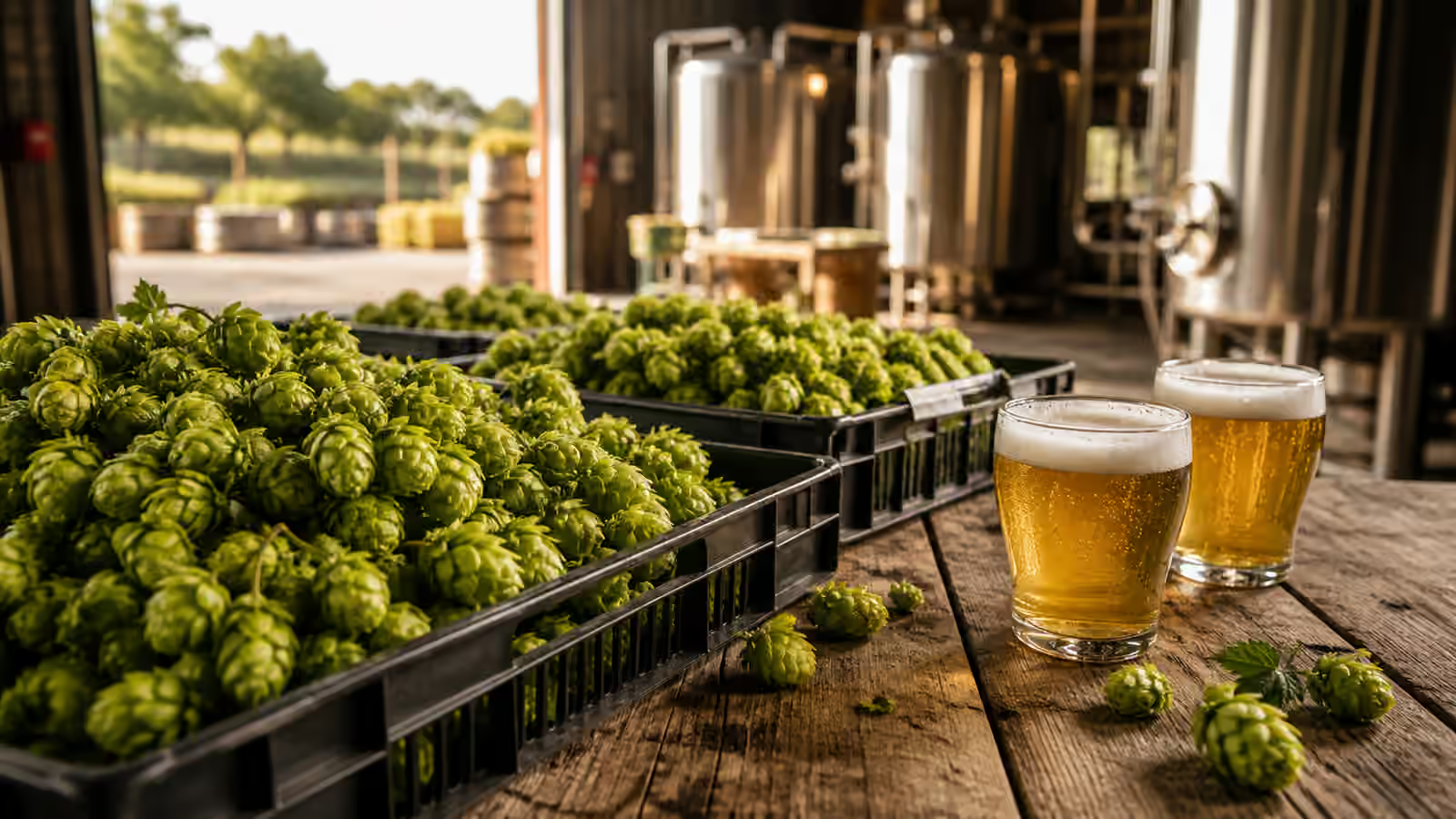
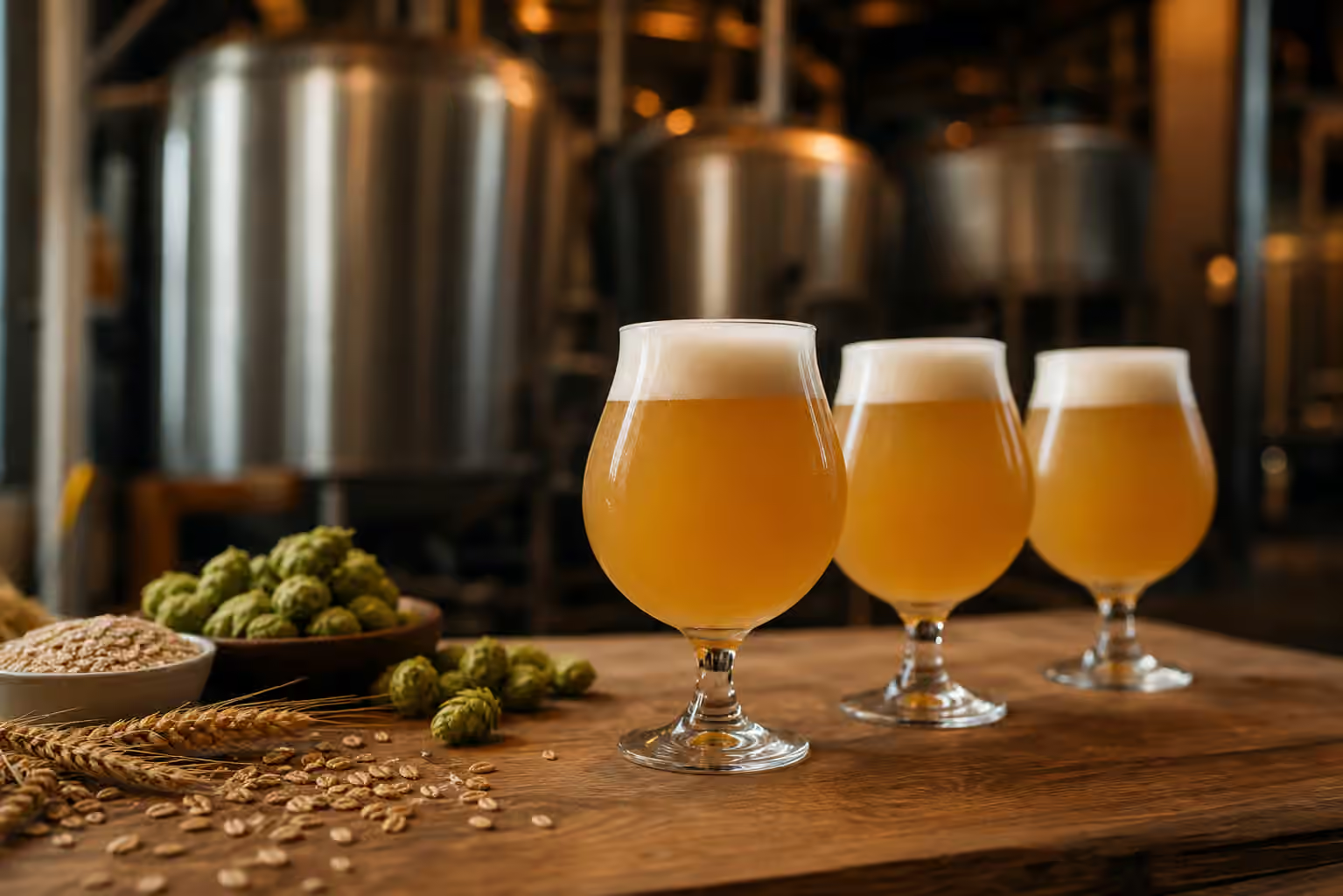
Fruit and spices can make beer vivid, memorable, and generous. They can also make it taste confused. The difference is usually not whether the added flavor is interesting by itself. It is whether the beer still behaves like beer after the addition. A raspberry sour should still have structure. A witbier with coriander and orange peel should still have wheat, yeast, foam, and finish. A winter ale with spice should not taste like sweet potpourri.
The broader guide to Beer Adjuncts and Specialty Ingredients explains how ingredients beyond the classic four can change flavor and texture. This guide focuses on tasting fruit and spiced beer in the glass: how to read the base style, how sweetness and acidity change the impression, and how to tell the difference between a beer with a clear addition and a drink that has lost its center.
The Base Beer Still Matters
Every fruit or spiced beer begins with a base. The base may be wheat beer, pale ale, saison, sour beer, stout, porter, lager, brown ale, or something else entirely. That base decides how much room the addition has and what kind of balance is possible. Lemon peel in a crisp wheat beer behaves differently from lemon peel in a strong dark ale. Raspberry in a dry sour beer feels different from raspberry in a sweet stout. Cinnamon in a brown ale is not the same as cinnamon in a pale lager.
Before judging the added flavor, ask what the beer underneath is doing. Is the malt bready, roasty, caramel-like, or pale and crisp? Is the fermentation clean, fruity, peppery, or funky? Is the beer dry or sweet? Is the carbonation bright or soft? Those questions keep you from treating fruit and spice as decoration. They are ingredients that interact with the rest of the beer.
This is why Beer Styles Guide still matters when the label mentions fruit. Style gives you the frame. A fruited Berliner-style wheat beer may be light, tart, and spritzy. A cherry stout may be dark, roasty, and richer. A spiced saison may be dry, peppery, and highly carbonated. If you know the frame, you can tell whether the addition supports it.
Fruit Changes Sweetness, Acidity, And Aroma
Fruit is not just sweetness. Many fruits bring acid, tannin, aroma, color, skins, seeds, and fermentation challenges. Raspberry can smell vivid and tart. Cherry can feel deep, almond-like, bright, or medicinal depending on the beer. Citrus peel can add aromatic oils and bitterness without much juice sweetness. Peach and apricot can seem delicate, fading quickly if the beer is old or the base is too loud. Dark berries can add color and tannic grip.
Fermentation changes fruit. If fruit sugars ferment out, the beer may smell fruity but taste dry. This surprises drinkers who expect fruit beer to be sweet. A dry cherry sour can smell like fruit and finish tart, earthy, and crisp. A sweet fruit beer may retain sugar or receive fruit in a way that preserves sweetness. Neither approach is automatically better, but the beer should make its choice clear.
Acidity is a major part of fruit perception. A beer with bright acidity can make fruit taste fresh and lively, especially in sour beer. Too much acid can become sharp, thin, or enamel-scraping. Too little acid in a sweet fruit beer can taste jammy and heavy. The guide to Sour Beer helps because many fruit beers use tartness as a frame. The fruit should not be an excuse for imbalance; it should give acidity somewhere to go.
Spice Works Best In Proportion
Spices are powerful because they often announce themselves before the beer has a chance to speak. Coriander, orange peel, cinnamon, clove, ginger, pepper, vanilla, nutmeg, allspice, chile, and herbs can all work in beer, but they work at different volumes. A little coriander can make a witbier seem brighter and more citrus-like. Too much can taste dusty or soapy. A little cinnamon can warm a winter ale. Too much can dry the palate and dominate the finish.
Some spice character comes from yeast rather than added spice. Hefeweizen can suggest clove and banana through fermentation. Saison can suggest pepper. Belgian-style ales can show phenolic spice without a spice jar involved. Understanding Yeast is useful because it keeps you from assuming every spicy note was added directly. Sometimes the brewer chose yeast and fermentation conditions rather than an ingredient addition.
When spices are added, the base beer needs enough body and structure to carry them. Brown ale, porter, stout, saison, witbier, and some strong ales can be good carriers because they offer malt, yeast, roast, acidity, or alcohol warmth for the spice to connect with. Pale, clean beer can carry spice too, but it leaves less room for mistakes. If the spice seems to float above the beer, the addition may be too loud or the base too thin.
Seasonal Beer Needs More Than A Calendar
Seasonal fruit and spiced beers can be charming when the flavor fits the beer rather than the marketing season. A summer fruit wheat beer can be refreshing if the fruit stays bright, the body stays light, and the finish stays clean. A fall amber ale with gentle spice can work if malt remains visible. A winter strong ale with warming spice can feel appropriate if alcohol, sweetness, and spice do not pile up into heaviness.
The Beer for Every Season guide gives the broader seasonal logic. The important point is that seasonal cues should not replace beer balance. Pumpkin spice does not fix a thin amber ale. Fruit puree does not rescue stale wheat beer. Vanilla does not make an oxidized stout fresh. Additions can amplify a good base, but they rarely save a weak one.
Freshness can be especially important for fruit aroma. Bright berry, peach, citrus, and tropical notes can fade or turn dull with time. Some mixed-fermentation fruit beers may evolve in interesting ways, but many modern fruit beers are best when the fruit still smells alive. Beer Packaging helps with practical buying: cold storage, protected packaging, dates, and signs of careful handling matter.
Sweetness Is The Hardest Question
Sweetness divides fruit and spiced beer drinkers. Some people want fruit beer to taste like fruit in a dessert sense. Others want fruit aroma over a dry beer. Some spiced stouts are intentionally rich and sweet. Some are drier and more roasty. The problem is not sweetness by itself. The problem is sweetness without balance.
A sweet fruit beer needs acid, carbonation, bitterness, roast, or dryness somewhere in the structure, or it can become syrupy. A sweet spiced beer needs enough base beer character to keep the spice from seeming like flavoring in sugar. A dry fruit beer needs enough aroma and body that it does not taste thin or severe. A dry spiced beer needs restraint because spice can make dryness feel even sharper.
Beer Strength, Body, and Balance applies because additions can change perceived body. Fruit can make beer seem lighter through acidity, or heavier through sugar and pulp. Vanilla can make beer seem sweeter even when sugar has not changed much. Cinnamon can make the finish feel drying. Chile can add heat that feels like alcohol warmth. Balance is not only a recipe number; it is how the beer lands in the mouth.
Serving Fruit And Spiced Beer
Serve these beers in a way that lets aroma show without exaggerating flaws. A clean tulip, small stemmed glass, wheat beer glass, or simple tasting glass can work depending on the style. Straight from the can or bottle, fruit and spice may seem blunt because aroma has less room. A glass also lets you judge color, foam, haze, sediment, and carbonation.
Temperature depends on the base. A light fruited wheat beer or tart beer can stay fairly cool. A strong spiced stout may need a little warmth to show malt and aroma. Too cold, and fruit can taste like vague sweetness. Too warm, and acidity, spice, alcohol, or sugar can become pushy. Serving and Storage gives the general rule: temperature should reveal the beer, not flatten it or make it sloppy.
Pour carefully if the beer has sediment or fruit matter, especially in bottle-conditioned or heavily fruited examples. Sediment is not automatically bad, as Bottle-Conditioned Beer explains, but it can change texture and appearance. Some beers are meant to be gently rolled or roused; others are better poured clear. When in doubt, pour most of the bottle and taste before deciding whether to add the last cloudy ounce.
Food Pairing And Fair Expectations
Fruit and spiced beers can be excellent with food because they bring obvious bridges. Raspberry or cherry can meet chocolate, duck, pork, soft cheese, or salads with fruit. Citrus peel can brighten seafood, chicken, goat cheese, or wheat-based dishes. Coriander and orange in witbier can handle herbs, salads, and mild spice. Ginger or pepper can work with roasted vegetables or dishes that already carry warmth. The Beer and Food Pairing guide helps you decide whether to echo a flavor or contrast it.
The risk is matching intensity poorly. A delicate fruit wheat beer can disappear beside heavy barbecue. A sweet spiced stout can overwhelm a light salad. A tart fruit sour can make a creamy dessert taste flat if the acidity is too sharp. Good pairing starts by asking how strong the beer is, how sweet it is, how acidic it is, and whether the added flavor is subtle or loud.
Fair expectations make these beers more enjoyable. A fruit beer does not have to taste like fresh juice to be successful. A spiced beer does not have to smell like a holiday candle to prove the spice is present. The best examples let the addition change the beer while leaving the beer intact. You should still be able to taste malt, fermentation, carbonation, body, and finish. If all you can taste is berry, cinnamon, vanilla, or orange peel, the beer may be pleasant, but it has become less interesting than it could be.
Fruit and spice are not shortcuts to flavor. They are pressure tests for balance. When they work, they make beer more specific: a dry saison with pepper and citrus peel, a tart cherry beer with enough structure to finish cleanly, a stout where vanilla rounds roast without burying it. Taste the base, then the addition, then the finish. The beer is successful when those three things feel like one thought.