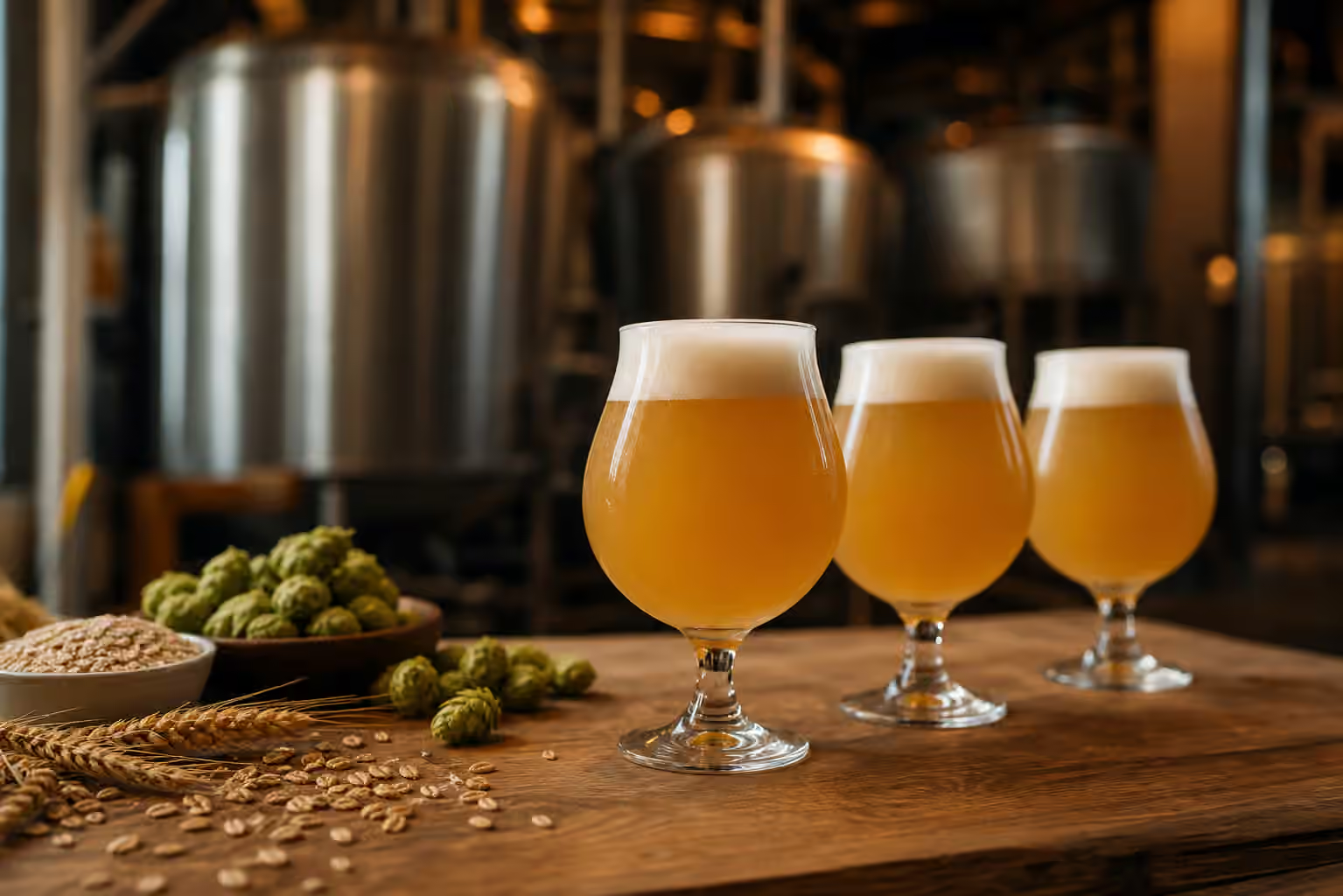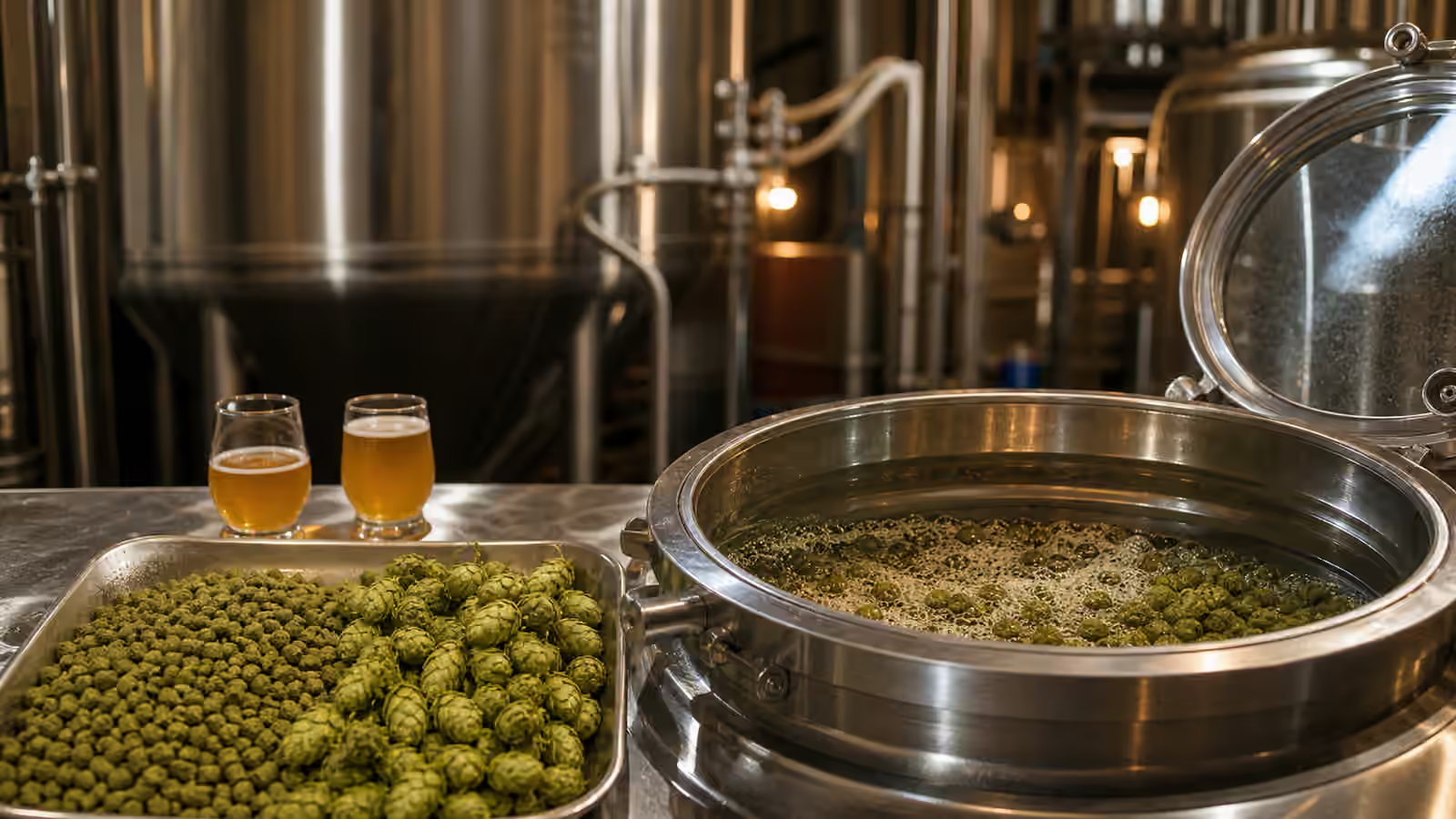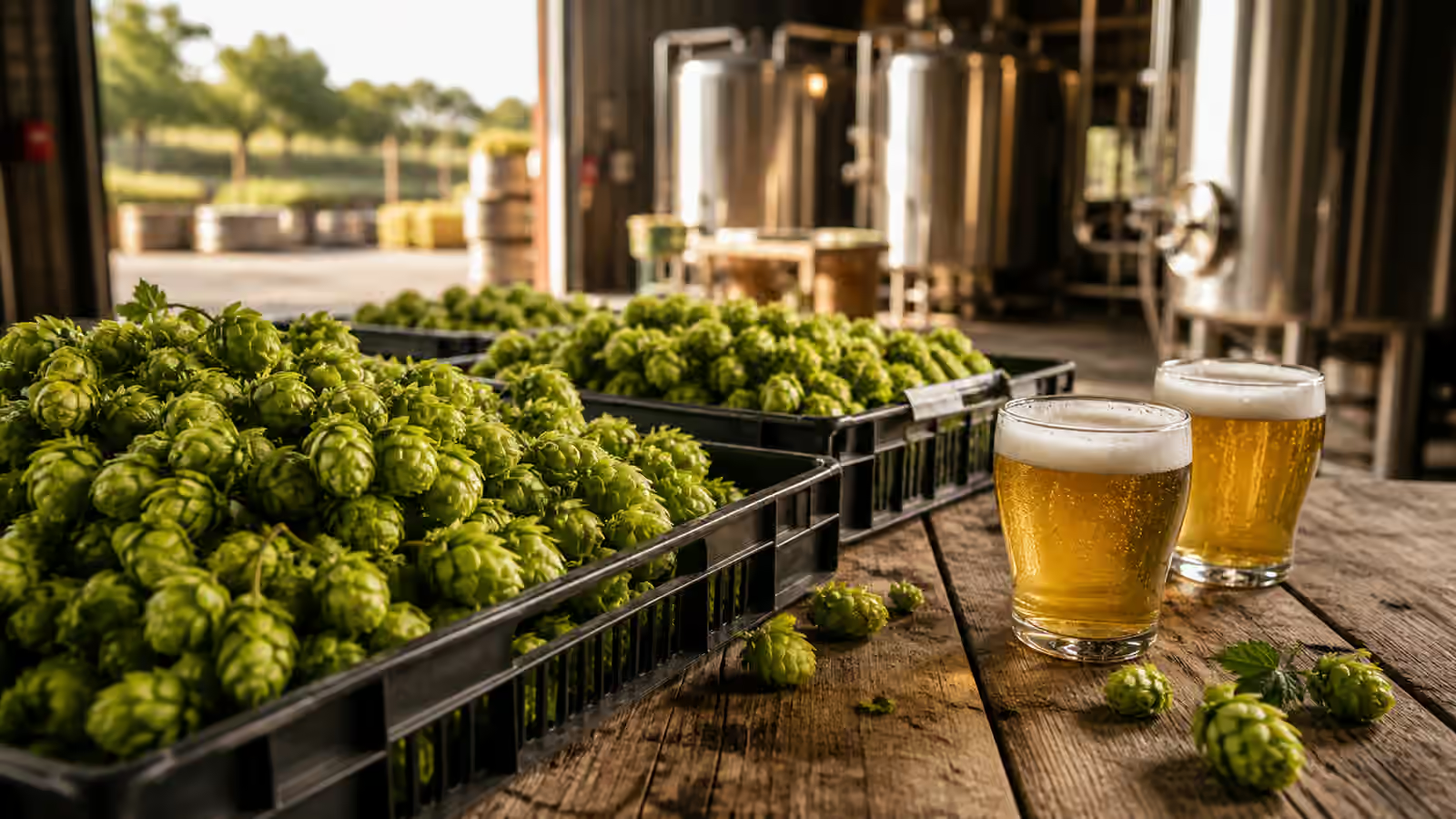
Fresh-hop beer is one of the few beer styles tied tightly to a harvest clock. Most beer is brewed with hops that have been dried, processed, packaged, and stored cold so brewers can use them throughout the year. Fresh-hop beer uses hops soon after they are picked, before drying changes their moisture, weight, and aroma. That simple change creates a beer that can feel unusually green, vivid, delicate, and fleeting.
The appeal is not just novelty. Fresh hops can add aromas that seem closer to the field than to the pellet bag: crushed leaves, fresh flowers, citrus zest, damp herbs, resin, melon rind, grass, or a soft chlorophyll-like brightness. They can also taste dull, vegetal, or unfocused when the beer is poorly timed or the base cannot carry them. Like every seasonal beer, the romance only matters if the glass works. The broader Seasonal Beer Guide gives the calendar context; this guide follows the hop from harvest to pour.
Fresh Hops Are Wet Hops
Fresh hops and wet hops are often used as overlapping terms. The key point is that the hops have not been dried in the usual way before brewing. Freshly picked hop cones contain a great deal of water, which changes how they behave. A brewer needs much more wet hop weight than dried hop weight to reach a similar amount of hop material. The cones are also fragile. They can heat up, degrade, or develop unpleasant aromas if they sit too long after harvest.
Dried hops are not inferior. In most brewing, drying is what makes hops usable and reliable. It stabilizes the crop, concentrates the material, and allows brewers to ship, store, blend, and dose hops with precision. Pellets, whole dried cones, and concentrated hop products all have real advantages. Understanding Hops explains those forms in more detail. Fresh-hop beer is special not because dried hops are bad, but because wet hops preserve a different moment.
That moment is short. The phrase harvest ale can cover several traditions, but in modern hop-forward brewing it often means a beer made to showcase hops close to picking. The best examples taste like a particular season passing through the brewhouse. They should not taste like a year-round IPA with a seasonal sticker attached.
Timing Shapes The Style
Fresh-hop brewing rewards proximity. Breweries near hop-growing regions can receive cones quickly and use them while they still smell vibrant. Breweries farther away can still make fresh-hop beer if logistics are handled carefully, but the clock is less forgiving. Heat, compression, and time can turn fresh plant matter from aromatic to tired. The beer depends on handling before the boil or whirlpool ever begins.
Brewers may use fresh hops in the mash, kettle, whirlpool, hopback, or fermentation side depending on the beer they want. Hot-side use can extract flavor and some bitterness, though the water content and plant matter make recipe calculations less exact than with pellets. Late additions preserve more aroma. Some brewers combine fresh hops with dried hops to give the beer a stable bitter backbone while letting wet hops provide the seasonal top note.
The base beer matters. Pale ale and IPA are common because a hop-centered frame makes sense. Lager, saison, wheat beer, amber ale, and even darker beers can work when the hop character has room. A fresh-hop pilsner may be delicate and herbal. A fresh-hop pale ale may be citrusy and green. A fresh-hop amber may let toast and fresh resin meet. The Beer Styles Guide helps because fresh-hop beer is more a treatment than a single style.
What Fresh Hops Taste Like
Fresh-hop aroma is often described as green, but green can mean several things. It can mean freshly cut herbs, crushed leaves, young pine, citrus zest, white flowers, melon skin, or a vivid snap that feels alive. It can also mean grassy, raw, vegetal, or stemmy. The difference is partly hop variety and partly process. Fresh does not automatically mean elegant.
Some fresh-hop beers taste softer than expected. Because wet hops are full of water and often used late, they may bring aroma without the same hard bitterness a drinker expects from IPA. Others taste more rustic and tannic because the recipe uses a huge mass of plant material. The flavor can seem broader and less sharply defined than pellet-hop aroma. That breadth is part of the charm when the beer is balanced.
Compare fresh-hop beer with a standard Dry Hopping focused IPA and the difference becomes clearer. Dry hopping with pellets can produce very intense, polished aroma. Fresh hops may feel less concentrated but more leafy, floral, or field-like. Neither is inherently better. They capture different versions of hop character.
Freshness Still Matters After Packaging
Fresh-hop beer is not meant for long storage. Its central appeal is volatile aroma, and that aroma fades. Oxygen, heat, and time can flatten the beer quickly. A fresh-hop beer that smelled vibrant at release may taste like a vague pale ale if it sits warm or too long. The seasonal label does not protect it from ordinary staling.
Buy it cold when possible, and pay attention to turnover. If a brewery or shop treats fresh-hop beer as a time-sensitive release, that is a good sign. If a package is sitting warm long after harvest season, it may no longer show what made it special. Beer Packaging and Freshness gives the general rules, and fresh-hop beer follows the strict version of them.
Draft can be excellent if the keg moves quickly and the lines are clean. It can also be disappointing if the beer was tapped too late or the venue does not sell enough of it. Draft Beer and Taproom Service is useful here because fresh-hop beer shows service quality clearly. A beer built around aroma cannot afford dull lines, flat carbonation, or stale handling.
How To Taste A Harvest Beer
Start by smelling for freshness rather than intensity. A good fresh-hop beer may not shout. It may smell like herbs, flowers, resin, citrus peel, crushed leaves, or a freshly opened hop bag. Let the beer warm slightly from fridge cold so the aroma can emerge. Too warm, and the green notes may become heavy. Too cold, and the seasonal character may hide.
On the palate, separate fresh green aroma from bitterness. Does the beer have enough malt to support the hops? Does the finish feel clean, or does the plant matter drag? Does the hop character taste vivid, or merely grassy? A little roughness may belong to the harvest impression, but the beer should still be drinkable. Beer Tasting 101 gives the basic sequence: look, smell, taste, and pay attention to what remains.
Food can make fresh-hop beer easier to read. Herbal and citrusy examples work with grilled chicken, tacos, fresh cheeses, salads with herbs, fried fish, and vegetable dishes that welcome bitterness. Resinous examples can handle richer food. If the beer is delicate, avoid very sweet or heavily spiced dishes that bury the aroma. Food and Beer Pairing gives the wider pattern, but fresh-hop beer asks for one added question: will the food leave room for the seasonal hop note?
Fresh-hop beer is brief by design. It is not the most practical way to brew, and it is not automatically the most intense way to taste hops. Its value is immediacy. When it works, the beer carries a sense of harvest without becoming raw plant tea. The hops feel alive, the base beer gives them shape, and the glass reminds you that beer ingredients have seasons even when most beer shelves look permanent.