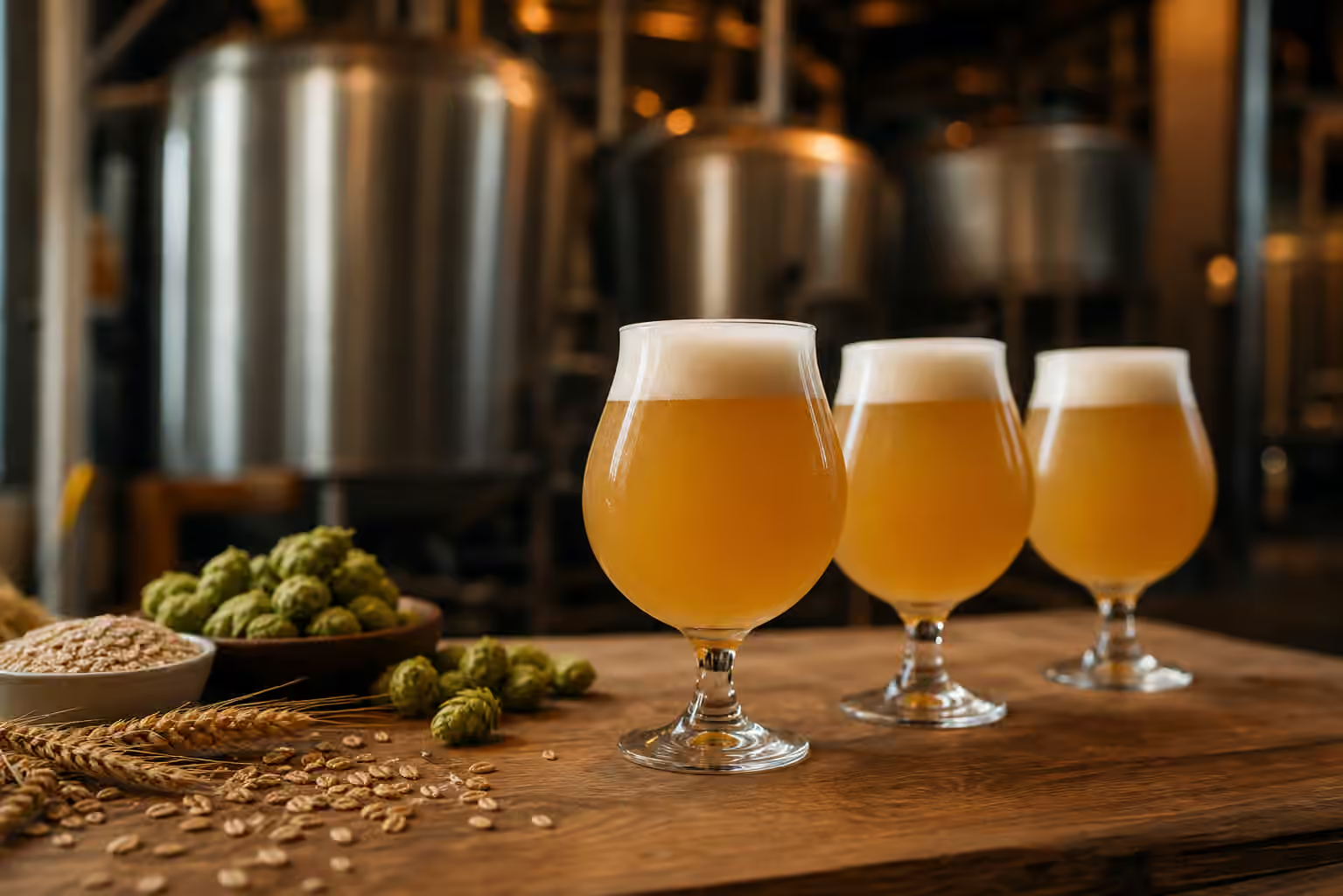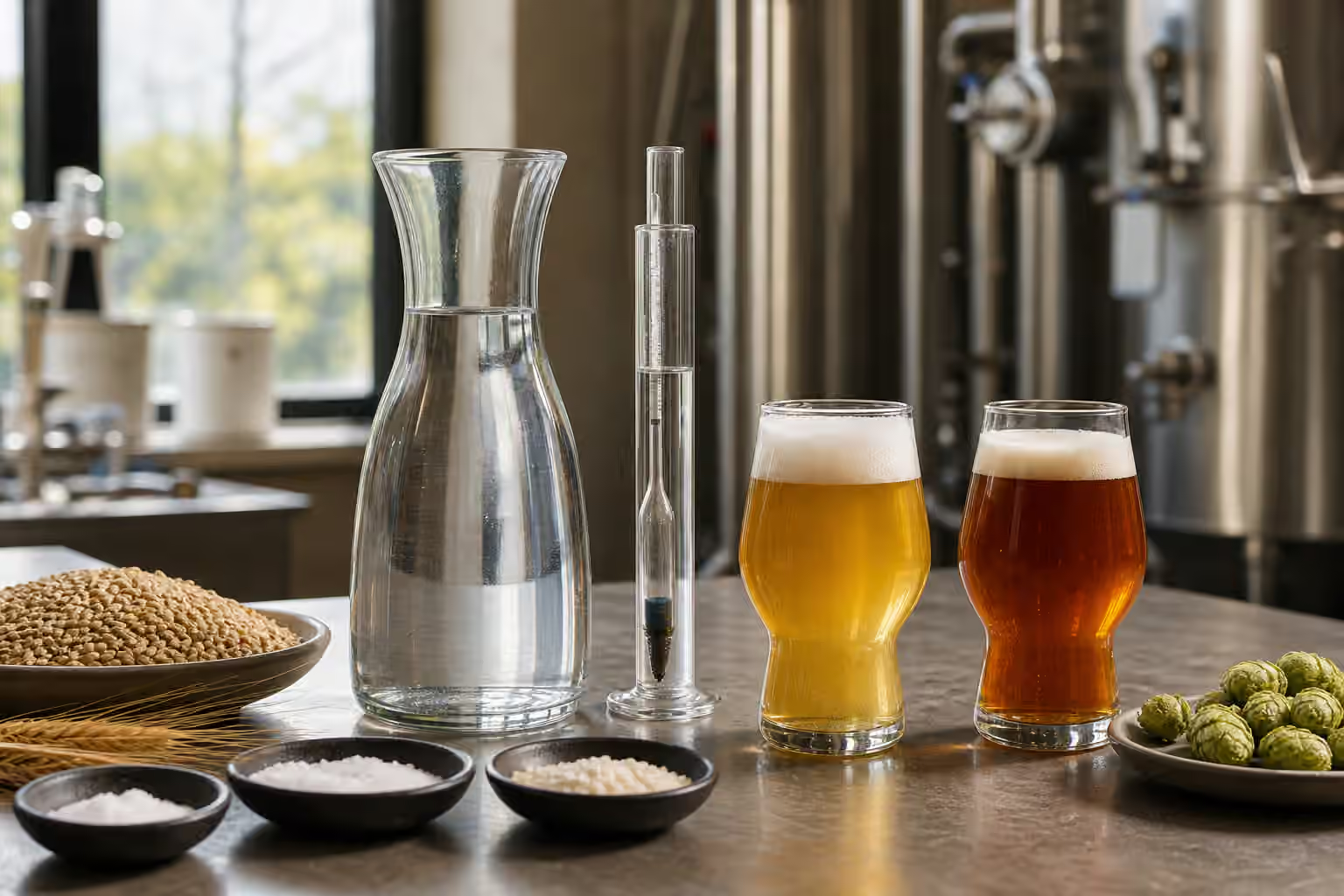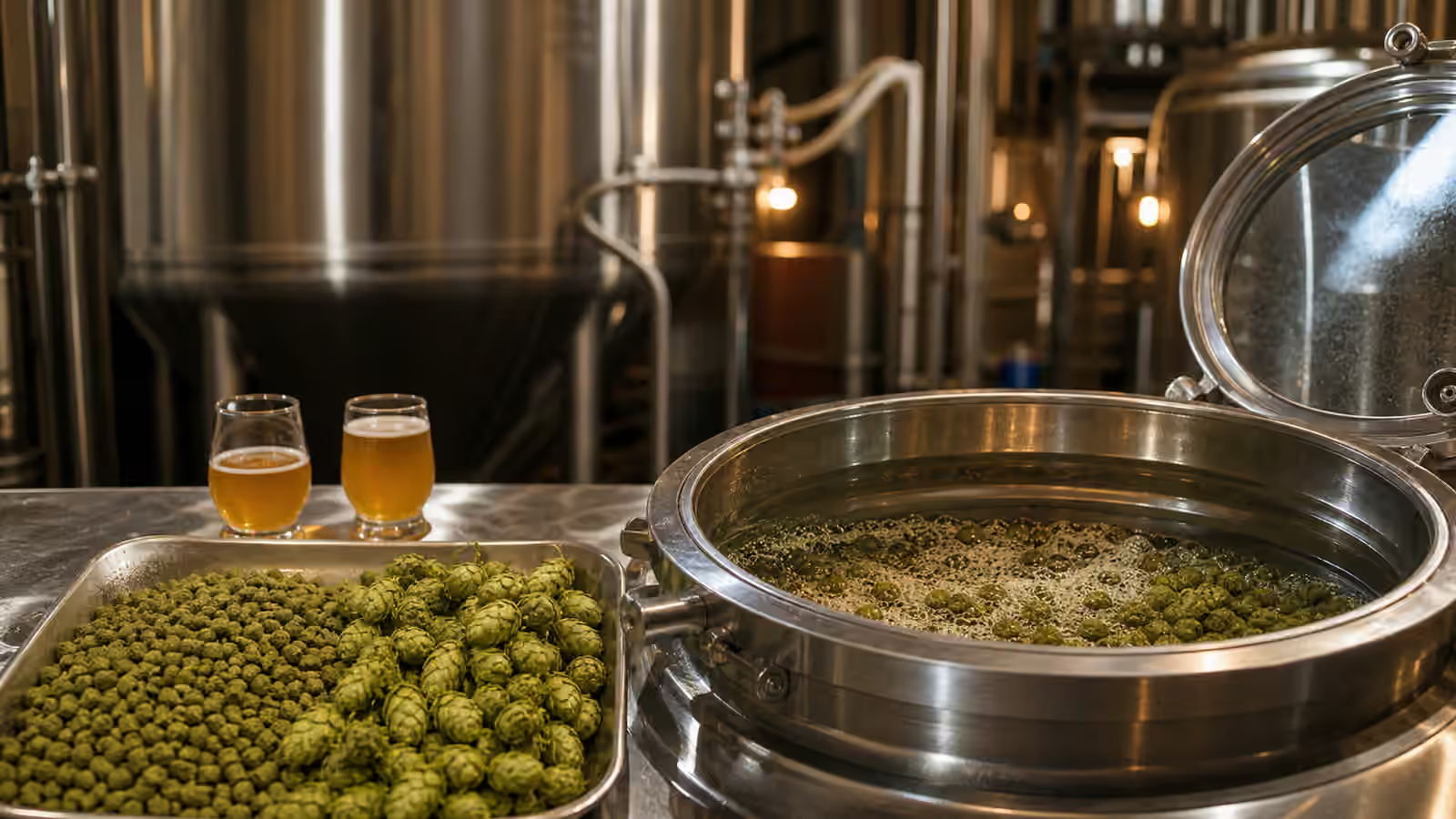
Dry hopping is one of the main reasons modern beer can smell so vividly like citrus peel, pine, mango, flowers, melon, herbs, or fresh cut grass before the first sip. The phrase sounds simple: hops are added to beer after the hot side of brewing, usually during or after fermentation. The sensory result is anything but simple. Without boiling, hops contribute far more aroma than traditional boiled bitterness, and they can also change texture, haze, perceived dryness, and the way bitterness lingers.
The broad ingredient story lives in Understanding Hops . This guide focuses on the cold side, where hop oils meet finished or nearly finished beer. Dry hopping is not only a brewer’s trick for IPA. It appears in pale ale, saison, lager, stout, sour beer, and many hybrids when the brewer wants aroma without a long boil. The question is never simply how much hop character a beer has. The question is whether that character has a job.
Dry Hopping Is Aroma First
When hops are boiled, their alpha acids transform into bitter compounds. That is the classic route to measured bitterness. Dry hopping happens at much lower temperatures, so it contributes little traditional boiled-hop bitterness. Instead, it preserves volatile oils that smell expressive and fragile. Those oils can suggest grapefruit, orange, lime, peach, passion fruit, pine, resin, flowers, tea, mint, herbs, and many other impressions depending on the hop variety and the beer around it.
This is why a beer can smell intensely hoppy without tasting brutally bitter. A hazy IPA may have a huge tropical aroma and a soft finish. A dry-hopped lager may smell floral and lemony while remaining crisp. A saison may pick up peppery citrus and herbal lift without becoming an IPA. Beer Bitterness and IBU helps separate measured bitterness from perception, and dry hopping is where that separation becomes practical.
Still, dry hopping can make a beer seem more bitter. Hop plant material brings polyphenols, tannins, and green matter that can dry the tongue. Heavy dry hopping can add a tea-like grip or rough edge sometimes called hop burn. That sensation is not the same as clean boil bitterness, but drinkers often experience both as bite. A good brewer manages that edge so the aroma feels fresh rather than raw.
Timing Changes The Result
Dry hops may be added during active fermentation, near the end of fermentation, or after fermentation is complete. Each timing choice changes the beer. During fermentation, yeast may interact with hop compounds and transform some aromas. Brewers often discuss this as biotransformation, though the real chemistry is complex and varies by yeast, hop, temperature, and timing. In the glass, the result may feel more integrated, with hop aroma blending into fermentation fruit rather than sitting on top.
Late dry hopping after fermentation can preserve a more direct hop aroma. The beer may smell brighter, greener, or more clearly varietal. That can be excellent when the base beer is clean and the brewer controls oxygen. It can also become harsh if the hops sit too long, the dose is excessive, or the beer is packaged before rough hop matter settles into balance.
There is no universal best moment. A West Coast IPA may want a clean, vivid, resinous dry hop over a dry malt base. A Hazy IPA may use fermentation and dry hopping together to create softness, fruit impression, and haze. A dry-hopped pilsner may need restraint because pale lager has fewer loud flavors to absorb roughness. The beer’s structure decides what the hop addition can carry.
More Hops Are Not Always More Aroma
Dry hopping has limits. At small or moderate levels, extra hops can add clarity, freshness, and definition. At very high levels, the beer can become saturated in a way that stops reading as more aromatic and starts reading as dense, grassy, chalky, or vegetal. The glass may smell loud, but the sip can feel tiring. The finish may drag, and the beer may lose the clean shape that makes hop aroma enjoyable.
This matters because modern labels sometimes treat dry-hop intensity as a badge. Double dry hopped, triple dry hopped, and similar phrases can be useful clues, but they are not guarantees. Multiple additions may build layers, or they may simply add mass. If the base beer lacks malt support, fermentation cleanliness, carbonation, or freshness, extra hops will not solve the problem. They may make it more obvious.
The best dry-hopped beers still have proportion. Malt gives a stage. Yeast decides how clean or fruity that stage feels. Water chemistry shapes dryness and roundness. Carbonation lifts aroma and trims sweetness. Beer Strength, Body, and Balance is relevant because hop aroma becomes more satisfying when the rest of the beer can hold it.
Hop Burn And Green Edges
Hop burn is a loose drinker term, but it names a real experience: a prickly, rough, sometimes astringent bite that seems to come from heavy dry hopping rather than from clean bitterness alone. It may feel like green tea steeped too long, raw herbs, hop dust, or a drying scrape along the finish. Some fresh, heavily hopped beers soften after a short period of cold conditioning. Others stay rough because the recipe or process pushed too hard.
Not every green note is a flaw. A little fresh hop edge can be pleasant, especially in beers meant to smell recently harvested or intensely aromatic. The problem is balance. If the beer smells vivid but the finish scrapes, the dry hop may be overwhelming the structure. If it tastes oniony, garlicky, or sweaty in a way that distracts from the rest of the beer, the hop variety, crop, handling, or recipe may be part of the story.
Beer Off-Flavors helps because hop-derived roughness can be mistaken for infection or poor fermentation. Context matters. A hoppy beer can be green because of hops, buttery because of diacetyl, papery because of oxidation, or sour because of contamination. Naming the sensation keeps judgment fair.
Oxygen Is The Enemy
Dry-hopped beer can be unusually vulnerable to oxygen. Hop aroma is fragile, and heavily hopped beer often shows oxidation quickly. Bright citrus can flatten. Tropical fruit can turn dull and sweet. Color can darken, especially in hazy IPA. The aroma may shift toward cardboard, old fruit, honey, or stale herbs. A beer that seemed explosive at the brewery can taste tired if packaging or storage lets oxygen and heat do their work.
Cold storage helps. Good packaging helps. Fast turnover helps. At home, keep hop-forward beer refrigerated and drink it while hop aroma is still the main attraction. The advice in Beer Packaging and Freshness applies strongly here. Cans protect from light, but they cannot rescue a beer that picked up oxygen before packaging or sat warm for weeks.
Freshness is not only a date. It is the condition of the beer. A month-old beer handled cold may taste brighter than a younger beer abused warm. A clear IPA with a drier base may hold its shape differently from a soft hazy IPA. A dry-hopped lager may show staleness quickly because the base is delicate. Use dates when you have them, but trust the glass.
How To Taste Dry Hopping
Smell before drinking. Try to name the hop aroma without deciding whether you like it yet. Is it citrus peel, tropical fruit, pine, resin, flowers, grass, tea, herbs, melon, berry, or something more savory? Then taste for where the hop character appears. Some beers are aromatic at first and gentle on the palate. Others have modest aroma but a long bitter finish. Some smell bright and then turn rough at the swallow.
Separate hop aroma from sweetness. A beer that smells like fruit may not be sweet. A beer that tastes sweet may be relying on residual sugar or body to soften hops. The finish reveals whether the dry hopping is integrated. If the aroma fades into a clean, shaped bitterness, the beer has structure. If it leaves a powdery, green, or burning edge, the dry hop may be too raw or too heavy for the base.
Glassware matters more than many drinkers expect. A clean glass with enough foam releases aroma, while drinking from the package hides part of the point. Beer-Clean Glassware and Beer Carbonation and Foam both help here. Dry hopping is an aroma technique, so the beer deserves a setup that lets aroma reach your nose.
Dry hopping is powerful because it lets beer smell alive. It can make a pale ale bloom, give IPA its signature lift, add citrus to lager, or brighten a dry saison. It can also become heavy-handed. The best dry-hopped beers do not merely prove that hops were used generously. They show that aroma, texture, bitterness, freshness, and finish were considered together.