Draft beer can feel simpler than packaged beer because someone else has done the choosing, chilling, storing, and pouring. You stand at the bar, look up at the handles, and ask for a pint. When draft is handled well, that ease is part of the pleasure. The beer moves quickly, stays cold, pours with life, and reaches you close to the condition the brewer intended. A good draft pour can make a familiar pilsner seem brighter, an IPA more aromatic, and a stout smoother than the can you opened at home.
But draft beer also adds a layer between the brewery and the glass. A can is a sealed package. A draft beer travels through a keg, a coupler, gas pressure, beer lines, a faucet, a glass, and the habits of the bar. Each step can protect the beer or damage it. That does not mean draft is risky or mysterious. It means the glass carries service clues along with malt, hops, yeast, and carbonation. If you already use Beer Tasting 101 to slow down and read what is in front of you, draft beer gives you one more practical setting for that skill.
Start With The Tap List
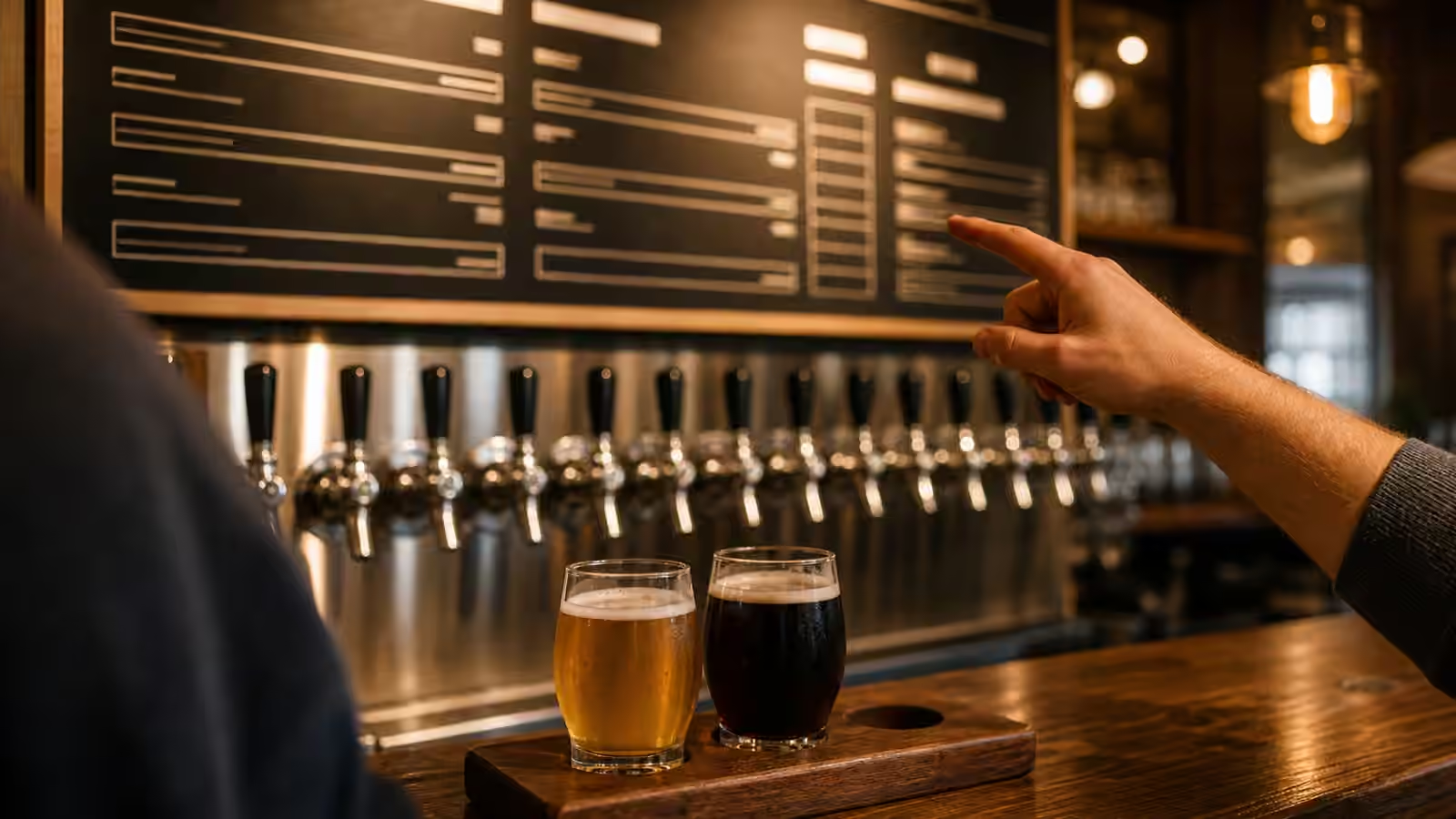
A tap list is not just a menu. It is a snapshot of what a bar or taproom thinks its drinkers want right now. Some lists are narrow and focused, with a lager, a pale ale, an IPA, a dark beer, and one seasonal. Others are built for variety, with hazy IPAs, sours, strong stouts, wheat beers, and rotating guest taps. The useful move is to read the list for range before reading it for novelty.
Style names give the fastest orientation. A helles, pilsner, or kolsch points toward crispness and restraint. Pale ale and IPA tell you to expect hop character, though bitterness, haze, and fruitiness can vary widely. Porter, stout, brown ale, dunkel, and bock suggest more malt. Saison, witbier, hefeweizen, Belgian blond, and tripel suggest yeast character. Gose, Berliner-style wheat beer, lambic-inspired ale, and many modern fruit sours tell you acidity will matter. If the style terms still feel like a foreign language, the Beer Styles Guide is the better map, but the tap list is where the map becomes useful.
ABV matters more on draft than people admit, because a pint can make every beer look like the same amount of drinking. A four percent lager, a six and a half percent IPA, and a ten percent stout may arrive in similar glassware if the bar is careless, but they are not the same kind of serving. Better bars usually scale pour size to strength and intensity. Strong beer does not need to fill the same role as a pale lager. It may be better as a half pour, a taster, or a shared glass. The guide to Beer Strength, Body, and Balance explains why the number on the board is only the beginning, but it is still a number worth reading before you order.
Freshness clues also live on the list. A beer marked as newly tapped, recently kegged, or brewed on site is not automatically better, but hoppy and delicate styles benefit from speed. If a taproom has its own pale ale on draft and cans of the same beer in the cooler, the draft version may show the beer at its most immediate, especially if the keg is moving. Strong stouts, barrel-aged beers, saisons, and some sour beers do not rely on the same fragile hop aroma, so freshness means something different for them. The point is not to chase dates like a detective. It is to ask whether the style depends on brightness, and then choose the place and pour that are most likely to preserve it.
A Good Bar Treats Draft As A System
The best draft programs do not look dramatic from the customer side. They look calm. Glassware is clean. Kegs are kept cold. Lines are maintained. Staff know what changed on the board and can describe a beer without reciting advertising copy. The beer arrives in a glass that fits the style or at least does not fight it. Foam looks intentional rather than accidental. The first sip tastes like beer, not the machinery that delivered it.
Draft beer depends on balance between temperature and pressure. Cold beer holds carbon dioxide more easily. Warmer beer releases it faster. If the system is too warm, the beer may pour foamy and taste rough or flat after the foam collapses. If the gas pressure is wrong, the beer can become overcarbonated, undercarbonated, or difficult to pour. Long beer lines need different balance from short lines. Different styles may need different carbonation. You do not need to know the engineering to drink well, but you can notice the result.
Foam is one of the first clues. A healthy draft pour usually carries a head that suits the style: tight and persistent on a pilsner, large and lively on a wheat beer, softer on a cask-style ale, creamy on a nitro stout. Foam that explodes out of every faucet may point to temperature or pressure trouble. Beer that arrives flat and glassy may have lost carbonation or been poured without enough release. Foam that collapses instantly can come from the beer, the glass, the alcohol level, or the service. Beer Carbonation and Foam goes deeper into the mechanics, but draft gives you a simple habit: watch the pour before judging the beer.
Glass cleanliness is just as visible. A beer-clean glass lets foam cling and leaves lacing as you drink. A glass with grease, soap residue, dust, or lipstick can kill head retention and make the beer look tired. Random streams of bubbles stuck to the sides may mean residue or damage in the glass rather than elegant carbonation. The Glassware Guide covers shape and care, but in a bar the useful question is immediate: does the glass help the beer, or is the beer fighting it?
When Draft Tastes Wrong
Draft problems often show as a general dullness before they show as a named flaw. A beer may taste muddy, sour in the wrong way, buttery, metallic, papery, or stale. It may smell like wet cardboard, vinegar, movie-theater butter, old lemon, or nothing at all. Sometimes the issue belongs to the brewery. Sometimes it belongs to handling. Sometimes the beer is sound but the style is simply not what you enjoy.
Dirty draft lines are a common worry because they can make good beer taste bad. Beer lines that are not cleaned on a sensible schedule can hold residue, yeast, bacteria, and mineral buildup. The result may be sourness, slickness, harshness, or a flavor that seems detached from the beer’s style. A delicate lager is especially revealing because it has fewer loud flavors to hide behind. A heavily hopped or fruited beer can conceal trouble for longer, but even there the finish may seem muddy or stale.
Oxidation and age can show up on draft too. Kegs protect beer well when kept cold and handled properly, but no beer is improved by sitting warm or lingering on a slow tap long after its best character has faded. Hop-forward beer loses aroma first. Pale beer may taste papery or sweetly stale. Dark beer may move toward tired caramel, old coffee, or sherry-like notes depending on style and strength. Those flavors are not always faults in strong aged beer, but they are not what you want from a fresh pale ale or pilsner.
This is where the Beer Off-Flavors guide helps. The point is not to become the person who sends back every unfamiliar beer. It is to describe problems with care. There is a difference between saying, “I do not like this sour beer,” and saying, “This pale lager tastes buttery and slick.” There is a difference between finding an IPA too bitter and finding it oxidized, flat, and lifeless. Specific language keeps the conversation useful for the bartender and fair to the brewery.
How To Order Without Guessing
The best draft order begins with a job. If you want something crisp with food, say that. If you want hops but not heavy bitterness, say that. If you want dark beer but not sweetness, say that. A good bartender can translate those preferences into the list in front of them. Vague requests like “something good” force the staff to guess your palate. Concrete requests give them a target.
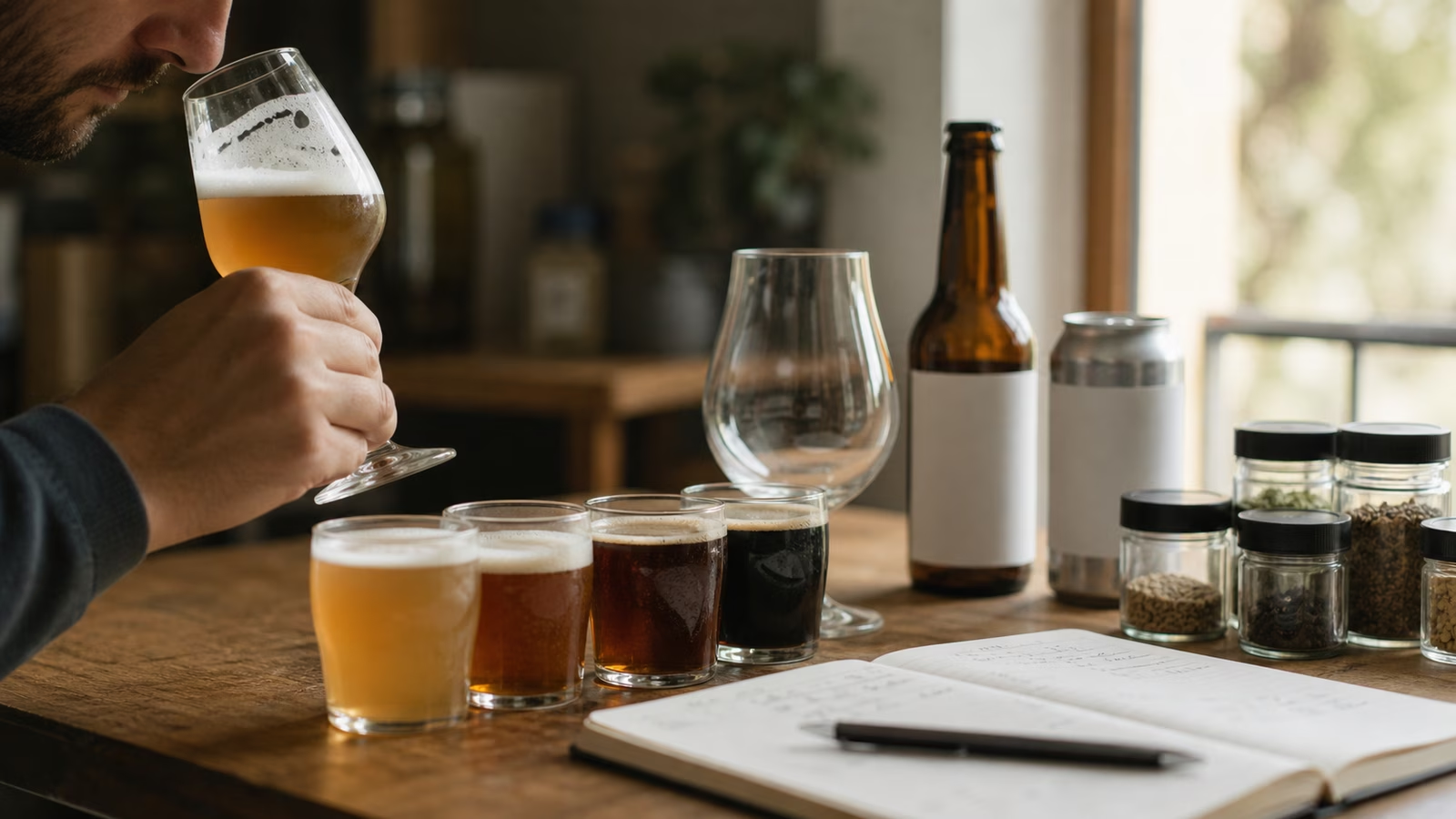
Flights are useful when they are treated as comparison, not as miniature trophy collecting. Four small pours can teach more than one full pint if the lineup has contrast. A lager, a pale ale, a sour, and a stout will show broad differences. Two IPAs from the same brewery can teach hop character and body. A pale lager beside an amber lager can make malt more visible. A hefeweizen beside a saison can show yeast in two different accents. If you order a flight of only the strongest, loudest beers, the last glass often tastes less clear than the first because your palate has been pushed too hard.
Order from lighter and more delicate toward darker, stronger, more sour, or more bitter when you can. This is not an iron law, and bars do not always make it easy, but it helps. A pilsner after a barrel-aged stout will seem thin. A subtle wheat beer after a sharp fruit sour may lose its softness. If the bartender sets a flight in a sensible order, follow it. If not, make your own path by aroma and intensity.
Temperature changes as the glass sits, so give draft beer a little time before making a final judgment. Many bars serve beer cold because cold beer is refreshing, stable, and easy to pour. Some styles benefit from warming a few degrees in the glass. A stout may reveal roast and chocolate. A saison may show pepper, fruit, and dry grain. An IPA may open its aroma, though if it warms too much the bitterness can feel heavier. Serving and Storage explains the broader temperature picture, but draft teaches it quickly because the beer is right there changing in front of you.
Brewery Taprooms Are Different From Beer Bars
A brewery taproom usually offers beer close to its source. That can mean fresher kegs, staff who know the recipes, and a direct view into what the brewery cares about. It can also mean a list with several variations on one house style because that is what the brewery loves making. A taproom is often the best place to taste a brewery’s core lager, pale ale, saison, or stout because you can compare it with seasonal experiments and special releases in the same room.
A beer bar has a different job. It curates many breweries and styles. The best beer bars earn trust by moving beer quickly, keeping lines clean, balancing the list, and refusing to keep weak or tired kegs on just because the name sells. A good beer bar can introduce you to styles your local brewery does not make. It can also help you compare interpretations from different regions and brewers. The tradeoff is that the bar is farther from the source, so turnover and handling matter even more.
Neither setting is automatically better. A great taproom can pour mediocre beer if the brewery is still learning. A great beer bar can pour exceptional beer from far away if its cellar, draft system, and staff are disciplined. The smart habit is to judge by the glass and by patterns. If several beers from different breweries taste tired on the same draft system, service deserves suspicion. If one beer tastes off while the rest are clean, the issue may be limited to that keg, that beer, or that style.
Taking Draft Beer Home
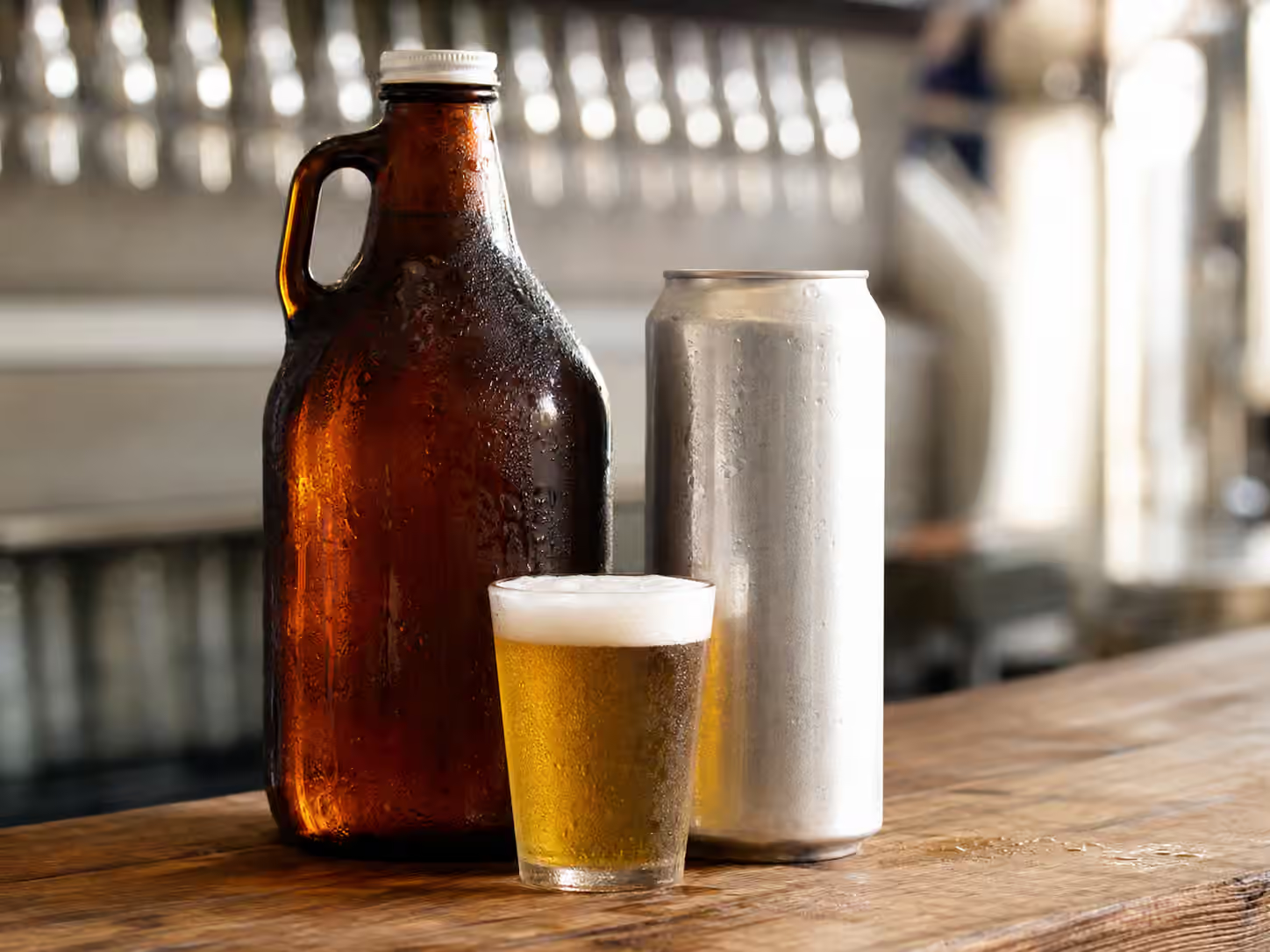
Growlers and crowlers are extensions of draft service, not magic containers. They are best for beer you plan to drink soon. Once draft beer leaves the controlled system and enters a take-home package, oxygen pickup, temperature, fill quality, and time all become important. A carefully filled sealed can from a proper crowler machine usually protects beer better than a loosely filled jug, but neither should be treated like a shelf-stable packaged release from a brewery’s canning line.
The practical rule is simple: take home draft beer when freshness and occasion line up. If a brewery has a lager you love and you are serving dinner that night, a fresh fill can be excellent. If you want to keep beer for weeks, packaged cans or bottles are usually a better choice. If the beer is hop-forward, drink it promptly. If it is a strong stout or sour, it may tolerate time better, but a take-home draft fill still has more handling variables than a sealed package designed for distribution.
This connects back to How to Buy Beer . The question is not only what beer you want. It is what job the beer has and how the package supports that job. A pint across the bar, a tasting flight, a four-pack, and a growler all serve different moments. Draft is best when the moment is close: beer made, kegged, kept well, poured cleanly, and drunk while it still has its shape.
Draft beer rewards attention without demanding fussiness. Read the tap list for style, strength, and freshness. Watch the pour. Notice foam, glass, temperature, aroma, and finish. Ask specific questions when you need help. Trust bars and taprooms that treat draft as a living system rather than a row of handles. When everything is working, draft beer has a directness that packaged beer cannot quite copy: the bar, the keg, the glass, and the first sip all arrive as one event.