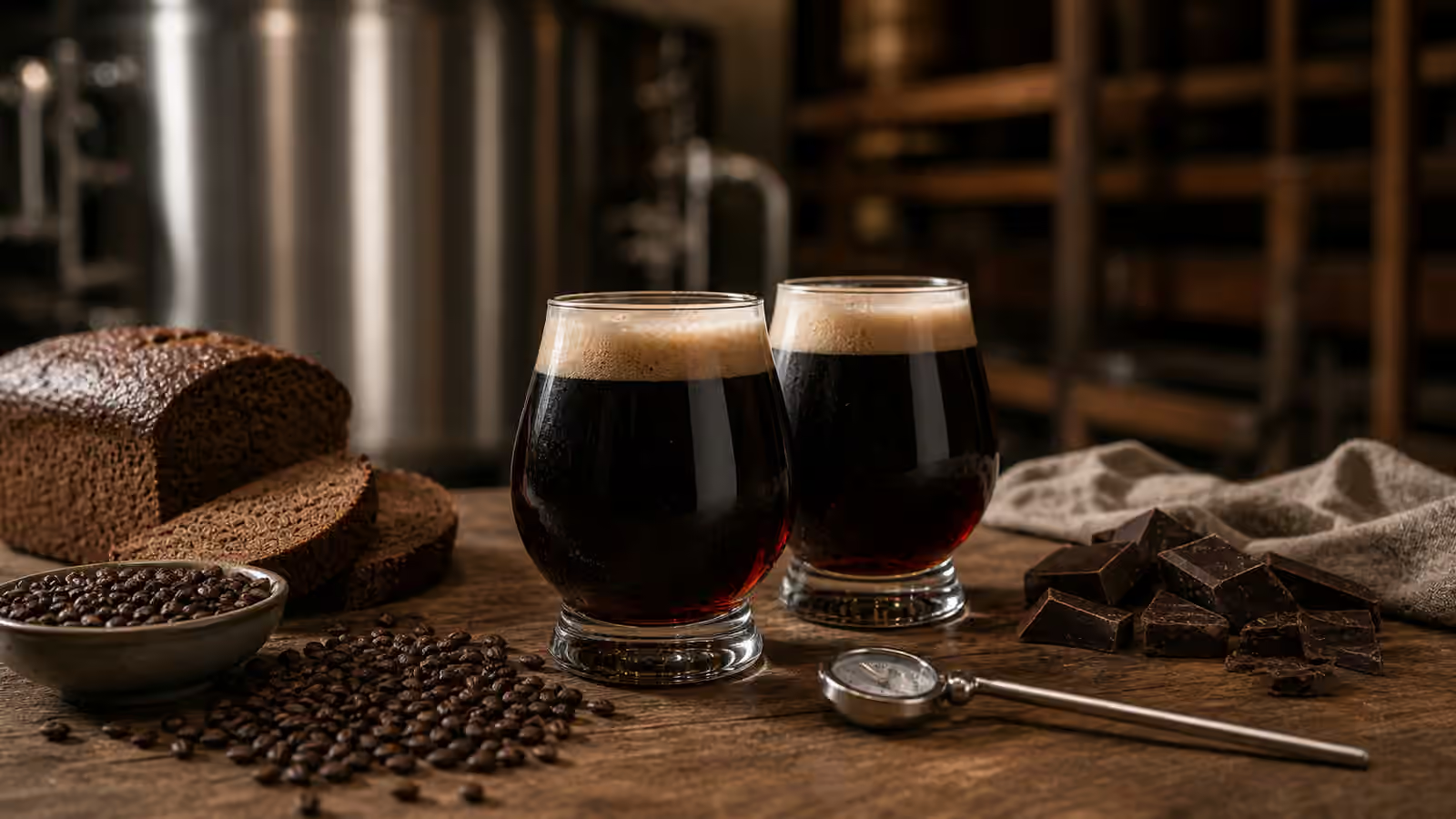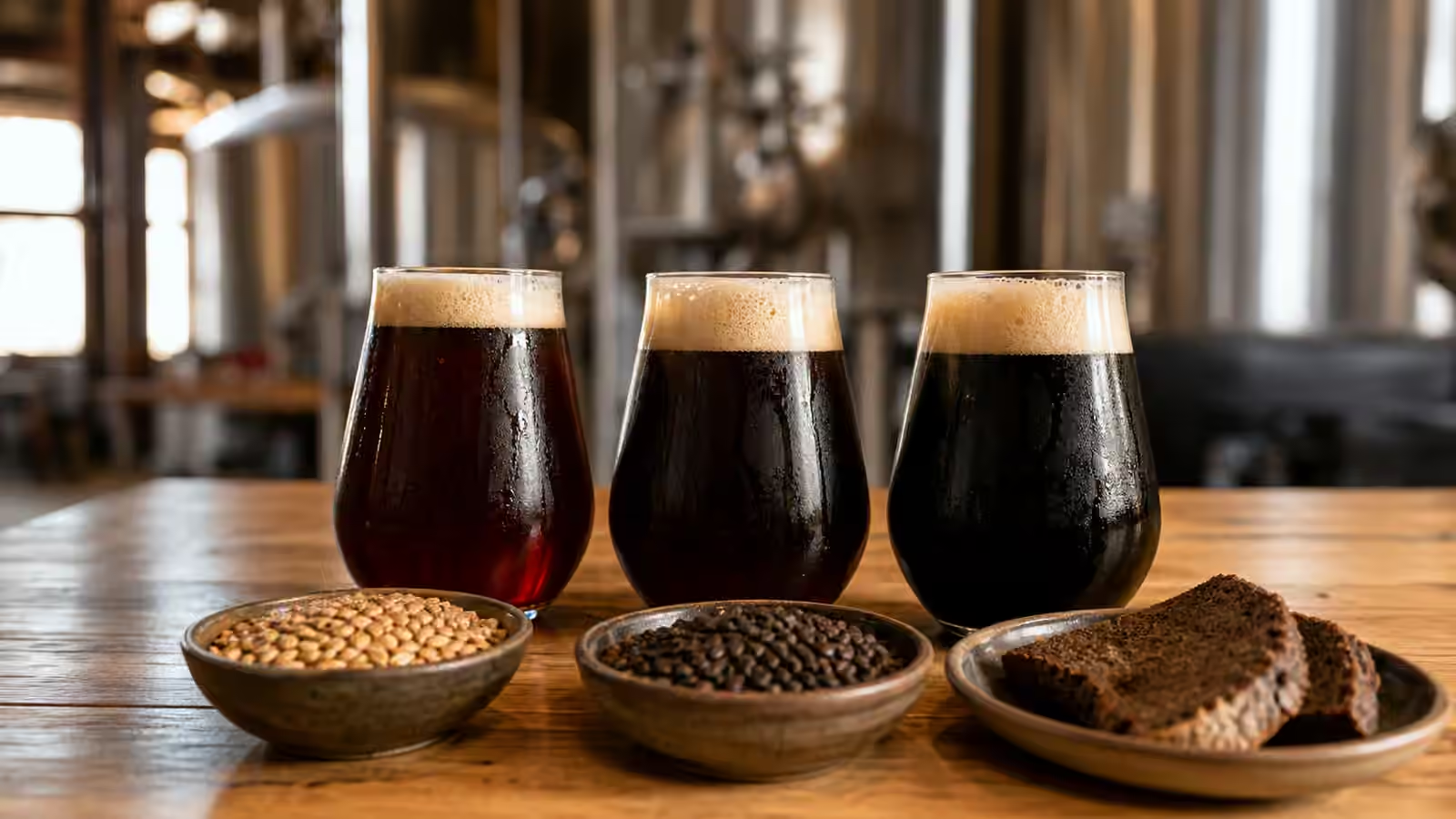
Dark lager is one of the easiest beer families to misread. The glass looks brown, garnet, or black, so many drinkers expect stout weight, porter roast, or heavy sweetness. Then the beer lands cleaner than expected. The malt may suggest toasted bread, cocoa, nuts, or coffee crust, but the finish can still be smooth, dry enough, and quietly refreshing. A good dark lager wears deep color without becoming dense.
The broader Lager Styles guide explains why cold fermentation gives lager its calm center. This guide narrows the view to the dark side of that family: Munich dunkel, schwarzbier, Czech-style tmavy, and the neighboring dark lagers that use roasted grain with restraint. The useful habit is to taste them as lagers first and dark beers second.
Color Is Not A Weight Class
Beer color comes from malt, but malt can darken a beer in more than one way. Some roasted grains bring sharp bitterness, burnt toast, espresso, or char. Other darker malts bring bread crust, cocoa, light caramel, and nutty toast without harsh edges. Dark lager depends on that second kind of control. It should not taste as if a stout recipe has been fermented with lager yeast. It should taste like a clean lager whose malt bill has been given deeper color and a warmer voice.
That distinction matters because many people decide they do not like dark beer after meeting only very roasty examples. A dry Irish-style stout, a sweet pastry stout, a porter, and a dark lager can all share a neighborhood of color while drinking completely differently. Porter and Stout is the better map for heavier roast. Dark lager belongs beside Understanding Malt , because the lesson is how malt shade changes aroma, body, and finish without automatically changing strength.
A dunkel may look like dark bread and taste like it too, but it usually avoids burnt intensity. A schwarzbier can look nearly black while feeling surprisingly light. A tmavy can carry dark malt, smooth foam, and a rounder body while still keeping the clean shape of lager. Once you stop judging by color alone, the family becomes easier to enjoy.
Dunkel Is Toast Before Roast
Munich dunkel is often the friendliest entry point. It usually leans into Munich malt character: bread crust, toasted grain, soft nuttiness, and a gentle sweetness that should not become syrupy. The bitterness is usually present enough to keep the finish tidy, but it is not the main performance. Yeast character stays quiet, and carbonation lifts the malt so the beer does not sit heavily.
The best examples feel integrated. You should not taste a separate dark-malt edge pasted on top of a pale lager base. The bread, toast, and light cocoa should seem as if they were there from the beginning. If the beer tastes flabby, sticky, or heavily caramelized, it has lost the drinkability that makes dunkel so appealing. If it tastes acrid or ashy, the roast has taken over.
Food helps show the style clearly. Dunkel works with roast chicken, sausages, mushrooms, grilled onions, brown bread, pretzels, and mild cheeses because it echoes browned flavors without adding much bitterness. It can also be a useful bridge for someone who wants a darker beer with dinner but does not want the intensity of stout.
Schwarzbier Is Dark But Nimble
Schwarzbier means black beer, but the name can be misleading if you expect mass and sweetness. A good schwarzbier is clean, crisp, and dark at the same time. The roast can suggest coffee, cocoa, or toasted crust, yet the body is usually moderate and the finish cleaner than the color implies. It is one of the best reminders that Beer Color and Clarity are only visual clues.
Schwarzbier often works best when the roast is polished. It should not scrape the palate, and it should not bury the lager frame. The hops may be subtle, but they matter. Herbal or floral bitterness gives the dark malt a boundary, which keeps the beer from tasting sweet and vague. Carbonation also matters. When the bubbles are lively and the foam is healthy, the beer feels more refreshing than its appearance predicts.
Taste schwarzbier next to porter if you want a clear lesson. Porter may show ale fruit, fuller body, and a broader roasted profile. Schwarzbier should feel narrower, cleaner, and more sharply finished. Neither approach is superior. They simply answer different questions.
Tmavy Adds Czech Roundness
Czech-style tmavy, often called tmave pivo in broad terms, can be the roundest member of this small group. It may show dark bread, cocoa, caramel, toasted malt, and a creamy foam texture, with bitterness shaped by Czech hop character rather than heavy roast. Some examples are modest and pub-friendly, while others feel a little fuller. The common thread is balance. The beer should be dark, malty, and drinkable at once.
Because Czech lager tradition gives so much attention to foam, pour and glass condition matter. A dense head softens the aroma and changes the texture of each sip. Beer Carbonation and Foam explains the broader mechanics, but with tmavy the lesson is immediate. The foam is part of the flavor, not a decoration.
Tmavy is also a good beer for people who find pilsner too sharp and stout too heavy. It gives malt depth without demanding a slow sipping pace. At the table, it handles roasted pork, mushrooms, stews, potato dishes, and nutty cheeses with quiet confidence.
How To Judge Dark Lager Fairly
Serve dark lager cool, not freezing. If it is too cold, the malt becomes mute and the beer may seem plain. If it is too warm, sweetness and roast can feel heavier than intended. A few minutes out of the fridge is often enough to let bread crust, cocoa, and nutty aroma appear. The older Serving and Storage guide gives broad temperature context, but dark lager is a good practical test because small temperature changes are easy to notice.
Use a clean glass and pour with enough foam. Dark lager usually does not need a snifter or ceremonial glass, but it does need a glass that lets you see color at the edges. Hold it to light and look for ruby, brown, or mahogany highlights. Then smell before drinking. If the aroma is mostly wet cardboard, stale bread, butter, or sour line character, the problem may be age or service rather than the style itself. Beer Off-Flavors is useful here because dark malt can hide some flaws while exaggerating others.
Freshness matters, though not in the same urgent way it does for a hop-saturated IPA. Dark lager can tolerate a little time better than very delicate pale lager, but heat and oxygen still flatten it. Buy from cold storage when possible, avoid dusty warm shelves for subtle examples, and be careful with draft lines in places that do not move much lager.
The main thing is to let dark lager be itself. Do not ask it to be stout, porter, or dessert beer. Let it be clean, malty, restrained, and quietly dark. When it works, it gives you the comfort of toasted grain with the finish of lager, which is a rare and useful combination.