Cooking with beer works best when you treat beer as an ingredient, not as a novelty. Beer brings water, alcohol, malt flavor, hop bitterness, acidity in some styles, carbonation, and yeast-derived aroma. Heat changes all of those. A beer that tastes bright and balanced in the glass can become harsh when reduced. A beer that seems plain can become useful in bread, batter, or stew because its malt and bubbles do quiet work. The right choice depends on the dish, the cooking method, and how much beer remains in the final flavor.
This guide connects naturally to Food and Beer Pairing , but pairing and cooking are different skills. Pairing keeps the beer in the glass, where aroma, carbonation, and temperature remain intact. Cooking exposes beer to heat, fat, salt, starch, and time. The same style can behave very differently once it meets a pan.
Cook With Structure, Not Just Flavor
When choosing a beer for cooking, think about structure first. Is the beer bitter, sweet, dry, sour, roasty, smoky, fruity, or strong? Will the dish concentrate the liquid, dilute it, trap it in dough, or use it briefly? These questions matter more than the label art or the brewery name.
Hop bitterness is the biggest risk. Bitterness that tastes pleasant in a cold IPA can become coarse in a long reduction. Heat and evaporation remove water while leaving bitter compounds behind, so a sauce made by aggressively reducing a very hoppy beer can turn sharp and unpleasant. This does not mean hops never belong in food. A small amount of pale ale can work in batter, cheese sauce, or a quick pan sauce. It means bitter beer needs restraint when heat is involved. Beer Bitterness and IBU is useful background because perceived bitterness depends on malt, sweetness, carbonation, and finish.
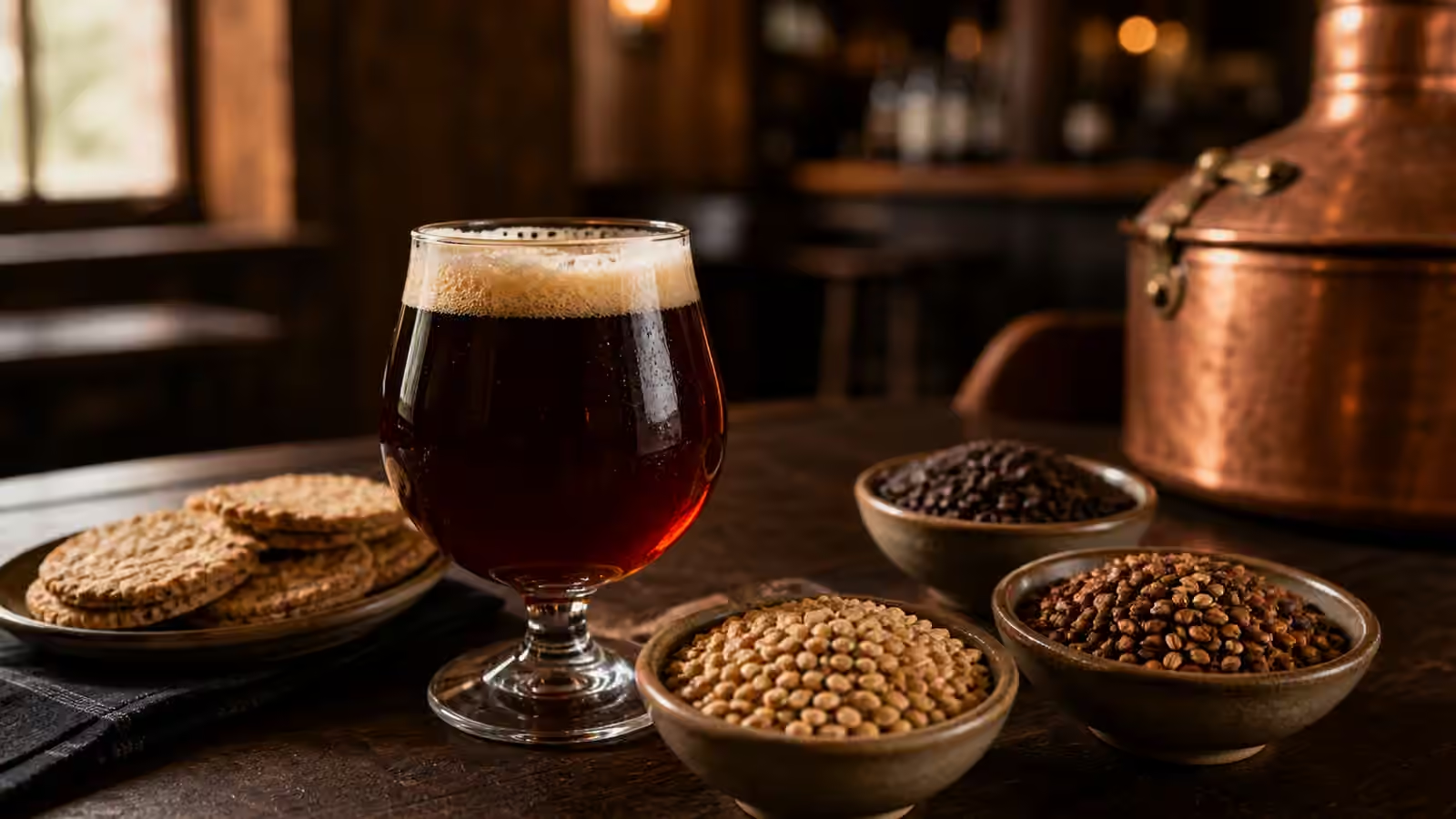
Malt is usually more forgiving. Pale lager, amber lager, brown ale, dunkel, porter, stout, bock, and Scotch ale can bring bread, toast, caramel, nuts, roast, or cocoa. Those flavors often echo cooked food because cooking creates its own browned flavors. The trick is to match intensity. A light lager can disappear in a rich beef stew. A heavy imperial stout can bully a delicate soup. A moderate amber or brown beer often gives the best middle ground.
Braises And Stews Want Balance
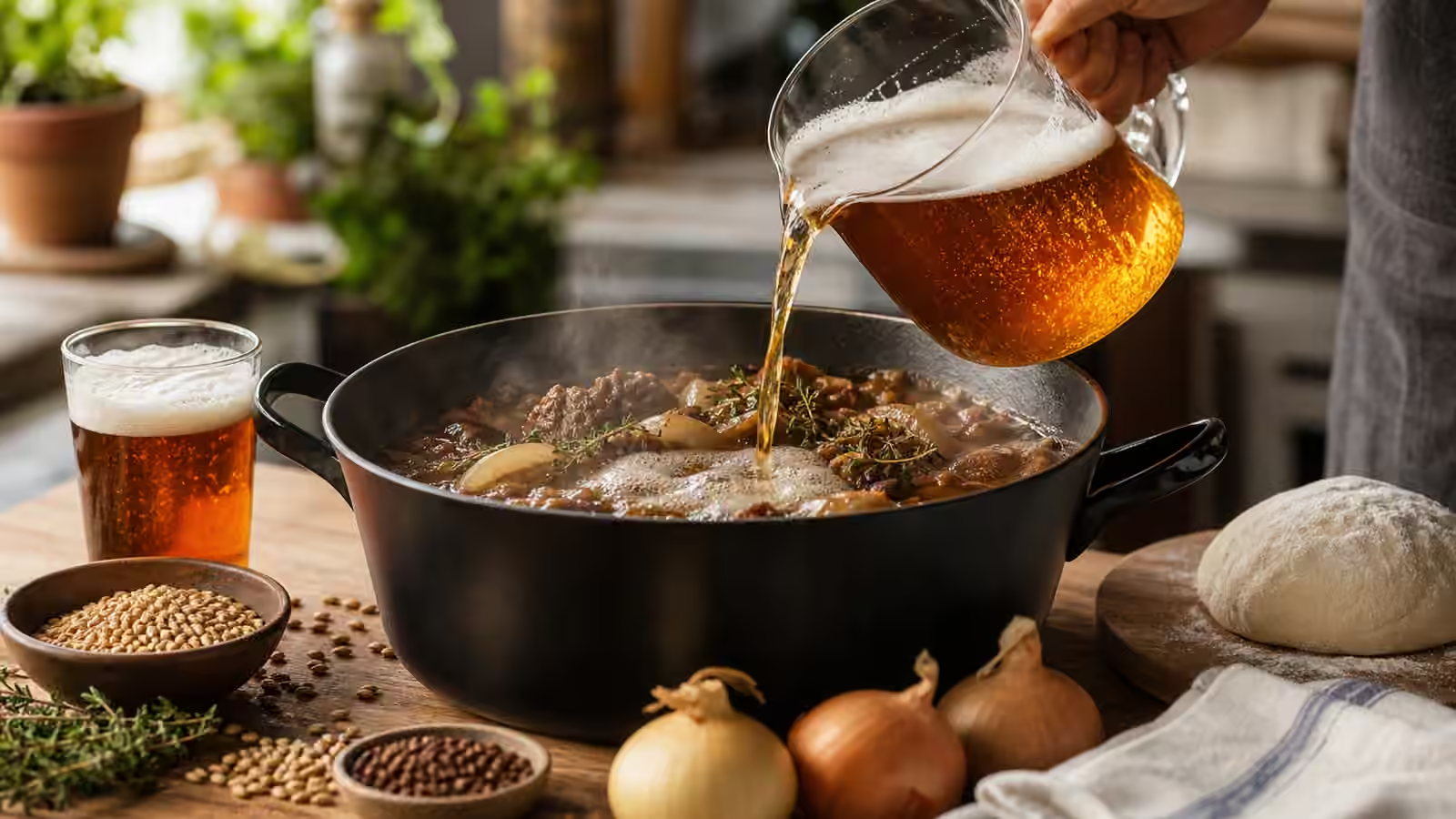
Beer is at home in braises and stews because it contributes liquid, malt flavor, and gentle bitterness while the dish cooks slowly. The safest choices are malt-forward but not too sweet: amber lager, brown ale, dunkel, porter, dry stout, bock, or a moderate Scotch ale. These beers can support beef, pork, mushrooms, onions, root vegetables, and beans without turning the pot bitter.
Avoid reducing a very bitter IPA for hours unless you already know you want that edge. Fresh hop aroma will mostly vanish, while bitterness remains. Also be careful with very sweet pastry-style stouts or heavily flavored beers. They may smell fun in the bottle and taste awkward in a savory dish. Vanilla, coconut, coffee, maple, or dessert flavors can work in specific recipes, but they should be chosen deliberately, not because the beer was nearby.
Add beer with the same attention you would give stock or wine. Brown the food first when the recipe calls for it, then use beer to lift browned bits from the pan. Let harsh alcohol steam off, then add other liquid if needed. Taste as the dish cooks. Salt can make malt seem fuller, while acid from tomatoes, vinegar, or mustard can keep the final dish from feeling heavy.
Batters, Breads, And Doughs Use Beer Differently
Beer batter is less about deep beer flavor and more about carbonation, lightness, and a little malt. Pale lager, pilsner, wheat beer, or a mild pale ale often works well because these styles do not bring too much color or bitterness. The bubbles help create a lighter texture, and the beer’s flavor sits behind the fried food rather than competing with it. Dark beer can work, but it will change color and flavor more strongly.
Beer bread and quick breads use beer as liquid and flavor. Malty beers can add toast, honey, caramel, or roast. Wheat beer can add softness and a faint grainy sweetness. Stout can deepen dark bread, especially when the recipe includes whole grains, molasses, or cocoa. Because baking drives off many volatile aromas, subtle hop or yeast notes may not survive clearly. Choose beer for the flavor that remains after heat: malt, roast, acidity, or bitterness.
Yeast from packaged beer usually does not replace baking yeast unless a recipe is designed around active yeast and enough time. Most beer bread recipes rely on baking powder, baking soda, or added yeast rather than expecting the beer to leaven the dough by itself. Carbonation helps texture, but it is not the same as a controlled rise.
Marinades And Sauces Need Restraint
Beer can be useful in marinades, but it should not be treated as magic tenderizer. Its main contributions are flavor, liquid, mild acidity in some styles, and the ability to carry salt, spices, and aromatics. Long soaking in a strongly flavored beer can make the outside of food taste muddy, especially with delicate meats or vegetables. A shorter marinade with salt, herbs, garlic, mustard, citrus, or vinegar often gives cleaner results.
Sauces are where beer can go wrong quickly. Reducing beer intensifies everything. A malty brown ale can become rich and pleasant. A roasty stout can become deep and slightly bitter in a good way. A high-IBU IPA can become harsh. A sour beer can become too sharp if reduced without sweetness or fat to balance it. Taste early and often, and stop reducing before the beer turns from structure into noise.
Cheese sauces can handle beer well because fat and salt soften bitterness. Pilsner, pale ale, amber lager, and brown ale are common choices. Keep the beer moderate, then let mustard, cheese, and seasoning do the rest. If the beer is too bitter, the cheese may amplify the problem rather than hide it.
Match Beer To The Dish’s Brownness
A simple way to choose is to match beer color and malt intensity to the amount of browning in the dish. Pale beer works with fish batter, chicken, light soups, steamed mussels, and bread where you want lift more than depth. Amber beer works with onions, sausages, pork, roasted vegetables, cheese, and chili. Dark beer works with beef, mushrooms, dark bread, chocolate, and roasted flavors. This is not a rule, but it is a reliable starting point.
Then adjust for sweetness, bitterness, and acidity. A dry stout may work better in savory stew than a sweet stout. A dunkel may work better than a very roasty porter when you want dark color without coffee bitterness. A gose may brighten a quick seafood preparation, while a long-cooked sour beer sauce may need honey, butter, or stock to stay balanced. Dark Lagers and Porter and Stout are good reference points because they separate dark malt from heavy roast.
The final test is simple: would you want the beer’s remaining flavors in the dish after heat changes them? Do not cook with spoiled beer, stale beer, or a style you actively dislike and expect the kitchen to fix it. But you also do not need rare or expensive beer. Cooking often rewards clean, moderate, well-balanced beer more than showy bottles.
Beer can make food taste more grounded, more browned, more lively, or more aromatic. It can also make food bitter, muddy, or sweet if chosen carelessly. Treat it like any other ingredient with strengths and limits, and the beer in the pot will make sense before it ever reaches the table.