Cask ale and nitro beer are often confused because both can seem softer than ordinary draft beer. They arrive with less bite, more texture, and a different kind of foam. The resemblance is real enough to start a conversation, but the two systems are not the same. Cask ale is traditionally conditioned and served with gentle natural carbonation, often through a hand pump or direct tap. Nitro beer is pushed with a gas blend that contains nitrogen, creating tiny bubbles and a dense, creamy head. One is about living beer handled quietly. The other is about gas, pressure, and foam texture.
Learning the difference helps you judge both more fairly. A cask bitter should not be expected to snap like a cold pilsner. A nitro stout should not be judged as flat because it lacks prickly carbon dioxide. These beers ask you to read texture, temperature, aroma, and finish with more patience. If the broader Draft Beer guide explains the taproom system, this guide slows down on two service traditions where the system changes the beer’s voice.
The first habit is to stop treating carbonation as a single scale from flat to fizzy. Carbonation has texture, not just quantity. Large, aggressive bubbles can make beer feel sharp and lifting. Fine bubbles can make it feel creamy. Low carbonation can make malt seem rounder, but it can also make flaws more visible. High carbonation can refresh the palate, but it can also push acidity or bitterness forward. Beer Carbonation and Foam covers the mechanics across beer, and cask and nitro make those mechanics easy to feel.
What Cask Ale Is Trying To Do
Cask ale is beer served from a vessel where conditioning continues after primary fermentation. The beer is usually unfiltered or lightly filtered, naturally carbonated, and handled at cellar temperature rather than ice-cold. In many settings it is drawn through a beer engine, which pulls the beer from the cask and may send it through a sparkler that encourages a tight foam. In other settings it may be poured by gravity straight from the cask.
The point is not nostalgia. The point is a different expression of beer. Cask service can make malt feel rounded, yeast character more immediate, bitterness more integrated, and lower-strength beer more satisfying. A modest bitter, mild, pale ale, or porter can taste complete because the service is not trying to make it loud. The beer does not arrive cold enough to hide aroma. It does not carry enough carbonation to scrape the tongue. It invites small attention.
That softness is also why cask ale is unforgiving. Warm storage, slow turnover, poor cellar care, dirty lines, tired beer, and careless venting can ruin it quickly. Cask ale has a shorter open life than many keg beers because oxygen exposure and living beer do not wait politely. A good cask pint tastes fresh, integrated, and alive in a quiet way. A bad one can taste sour, stale, buttery, flat, or muddy. When people dismiss cask ale as warm and flat, they may be remembering poor service rather than the tradition itself.
Cellar temperature matters. Cask ale is usually served warmer than standard draft lager, but not warm in the sense of room-temperature neglect. Too cold and the malt closes down. Too warm and the beer can seem flabby or sour. The ideal range depends on the beer, the pub, and the local tradition, but the tasting goal is clear: aroma should be open, carbonation should feel soft, and the finish should remain clean. The broader Serving and Storage guide gives the general temperature logic, but cask ale makes the lesson tactile.
The Role Of The Sparkler
In some cask traditions, beer is served through a sparkler attached to the beer engine. The sparkler agitates the beer as it enters the glass, creating a tighter head and a smoother texture. It can make a bitter or mild look creamy and settled, with foam that leaves beautiful lacing. It can also reduce some aroma by knocking gas and volatile compounds out of solution. This is why drinkers argue about it.
The argument is less useful than the glass in front of you. A sparkler can be wonderful when the beer is built and conditioned for it. Malt can seem softer, bitterness rounder, and foam more lasting. Without a sparkler, the same beer may smell more open and taste a little sharper. Neither result is automatically correct in every setting. The right question is whether the pour supports the beer’s balance.
This is where Beer Tasting 101 helps. Smell first and then taste through the foam. If the beer seems muted at first, wait a minute. If the foam is dense but the beer underneath is dull, the pour has not saved it. If the aroma, malt, bitterness, and finish seem to unfold together, the service is doing its job.
What Nitro Changes
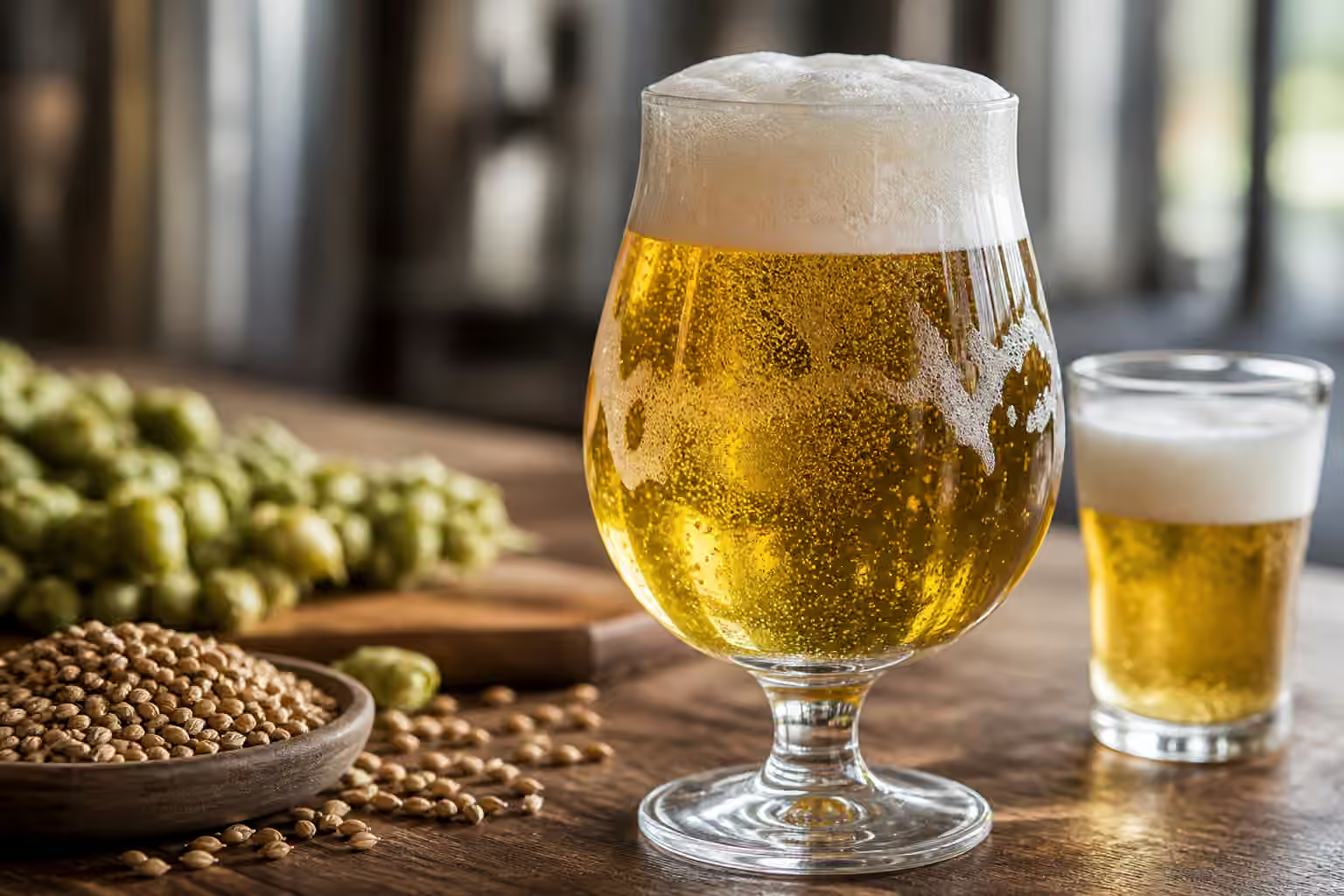
Nitro beer is built around nitrogen’s behavior in beer. Nitrogen is much less soluble than carbon dioxide, so when a beer is served with a nitrogen-rich gas blend through a restrictor plate or similar faucet, it creates a cascade of tiny bubbles and a dense head. The visual effect is famous in stout, but the texture is the real point. The beer feels creamy because the bubbles are fine and the foam is stable.
Nitro can flatter certain beers. Dry stout is the classic example because roast, dryness, and modest strength benefit from a smooth pour. The creamy head softens the roast without making the beer sweet. The lower carbon dioxide bite lets dark malt sit on the tongue. A good nitro stout is not heavy by default. It can be surprisingly drinkable, especially if the base beer is dry and balanced. Porter and Stout is useful here because color, roast, body, and strength are often misread.
Nitro can also make some beers seem muted. Hop-forward beer may lose some sparkle if the service softens aroma and bitterness too much. Sweet beers can become dessert-like if the creamy texture amplifies sugar. Strong beers can feel deceptively smooth, which may hide alcohol warmth for a few sips before it catches up. Nitro is not a universal upgrade. It is a service choice that has to match the recipe.
The cascade is not proof of quality. It is proof of gas behavior. A beautiful nitro pour can still carry stale beer, dirty lines, oxidation, or poor recipe balance. Judge the beer after the theater settles. The foam should be creamy, but the beer underneath should still have flavor, finish, and freshness.
Temperature And Aroma
Cask and nitro both punish careless assumptions about cold beer. Standard draft beer is often served cold because cold stabilizes foam, refreshes the palate, and hides rough edges. Cask ale and nitro beer often show better when they are cool rather than icy. Aroma needs room. Malt needs room. Roast needs room. Yeast character needs room. Too much cold compresses the beer into texture alone.
But warmer is not always better. Nitro stout served too warm can taste sweet, heavy, or stale. Cask ale served too warm can become dull and unsafe-feeling even when the alcohol is modest. A cask pale ale that should be fresh and bright may become flabby. A dark mild may lose its gentle snap. Good service is not casual. It is controlled.
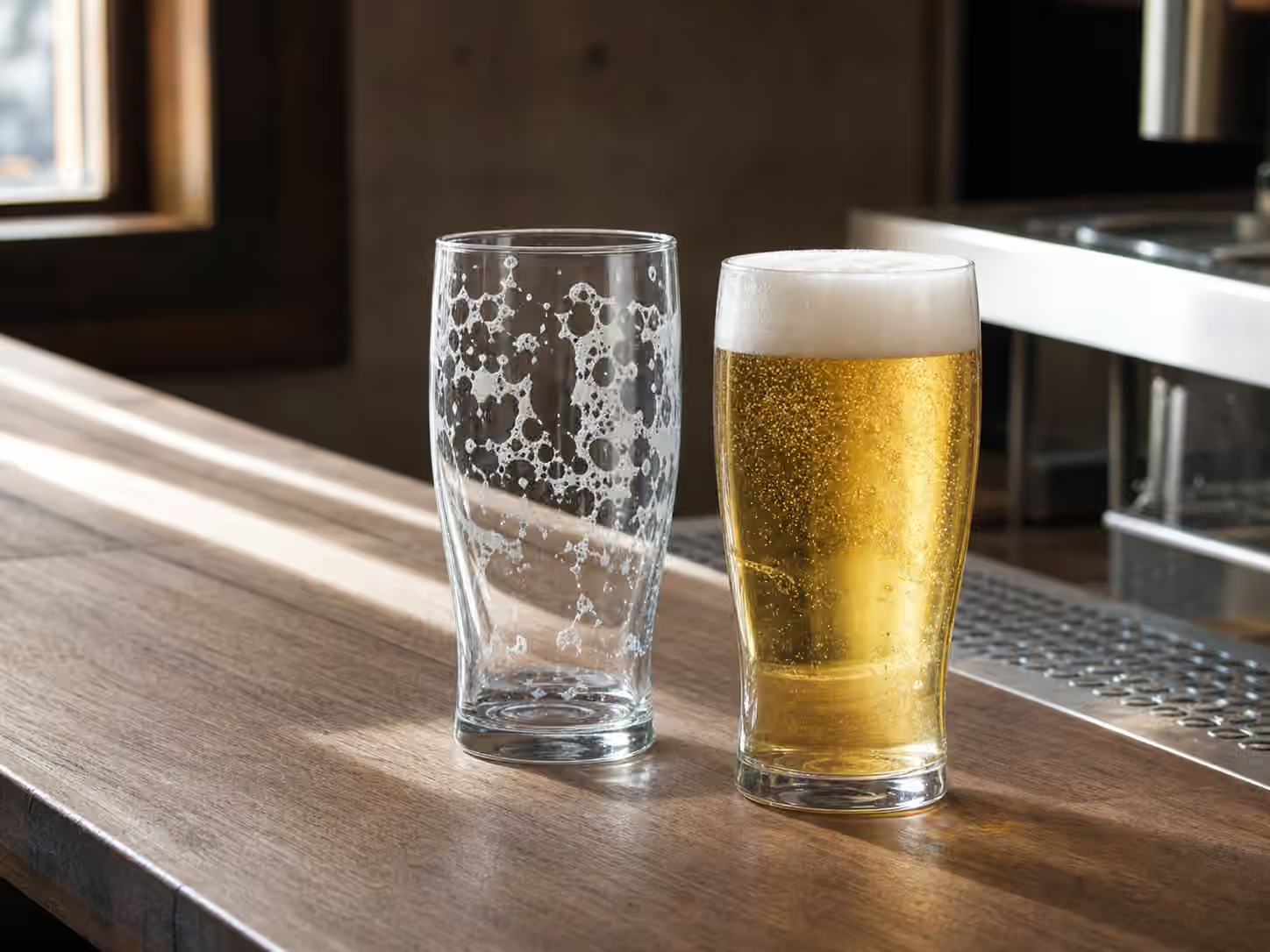
Glassware matters too. A clean nonic pint, tulip, or simple pub glass can show these beers well. The most important requirement is cleanliness. Grease or soap residue destroys foam and makes a carefully served beer look tired. A cask ale without proper foam may still be sound, but a dirty glass makes judgment harder. Nitro depends heavily on head formation, so a poor glass can flatten the whole experience. The Glassware Guide explains shape and care, but the service rule is plain: the glass has to help the beer.
How To Taste Them Fairly
With cask ale, begin with aroma and temperature. Does the beer smell like malt, hops, yeast, roast, fruit, or the style promised on the pump clip? Or does it smell like vinegar, butter, cardboard, wet basement, or nothing at all? Take a small sip and notice carbonation. It should be gentle, not absent. The finish should still have life. If bitterness is present, it should settle into the malt rather than rasp. If the beer is a mild or bitter, do not punish it for being modest. Modesty is often the point.
With nitro beer, wait for the pour to settle before making a final call. The first seconds belong to texture and appearance. Once the head forms, smell through it. Sip and ask whether the creamy surface leads to a beer with structure. In stout, roast should remain clear. In a nitro amber or pale ale, malt and hops should still speak. If the beer tastes like foam first and nothing second, the service has become a mask.
Off-flavors need context. A trace of yeast fruitiness in cask bitter may be welcome. A buttery slickness that dominates the glass is not. A faint roast sharpness in dry stout may belong. A sour line in a clean nitro stout probably does not. Beer Off-Flavors gives the vocabulary, but cask and nitro require judgment because their softer textures can make flaws appear in different ways.
Food can help these beers make sense. Cask bitter works beautifully with roast chicken, sausages, fish and chips, cheddar, savory pies, and pub snacks because it refreshes without shouting. Dark mild and porter can sit beside roasted mushrooms, stews, grilled onions, or nutty cheese. Nitro stout can meet oysters, burgers, chocolate desserts, or simply a quiet seat at the bar. The broader Beer and Food Pairing guide gives the principles, but cask and nitro often succeed through texture as much as flavor.
Choosing A Place To Drink Them
The venue matters more than the label. Cask ale depends on turnover and cellar discipline. A place that sells one cask slowly may struggle, even if the beer was excellent when tapped. A pub that treats cask as a living product, changes it often, and knows when to pull a tired beer will usually pour better pints. Ask what is fresh. Watch whether staff seem comfortable with the beer engine. Notice whether other glasses look lively.
Nitro is more stable in ordinary draft service, but it still depends on clean lines, correct gas, correct faucet, and proper pour. A rushed bartender can pour a nitro beer poorly by not letting it settle or by topping it carelessly. A slow account can leave even nitro stout tasting stale. The same draft-care habits from Draft Beer apply.
Cask ale and nitro beer reward the drinker who can enjoy restraint. They are not designed to overwhelm the room with bitterness, fruit, alcohol, or fizz. They ask for attention to foam, softness, cellar temperature, malt, roast, and finish. When served well, they show that beer can be expressive at a lower volume. The pleasure is not dramatic. It is a pint that tastes alive all the way down.