California Common is a useful beer style because it refuses to sit neatly in the usual ale-versus-lager shortcut. It often uses lager yeast fermented warmer than standard lager practice, producing an amber beer with clean but slightly rustic fermentation, firm hop bitterness, toasted malt, lively carbonation, and a dry enough finish to stay drinkable. The historic phrase steam beer points toward an older West Coast brewing tradition, but in practical tasting the style is easiest to understand as a hybrid with purpose.
The broad fermentation split is covered in Ale vs. Lager , and Kolsch and Altbier shows another way beer can live between categories. California Common belongs in that same conversation. It is not a pale lager, not an amber ale, and not merely an old-fashioned curiosity. When made well, it is one of the clearest examples of how yeast, malt, hops, and local brewing history can create a distinct middle ground.
A Hybrid With A Clear Job
Lager yeast usually works cool and clean. Ale yeast usually works warmer and often leaves more visible fruit or spice. California Common complicates that lesson by using lager yeast in warmer conditions than many lagers would tolerate. The result should be cleaner than a typical fruity ale but not as polished or neutral as a long-conditioned pale lager. It may show a faint fruitiness or rustic edge, but it should still taste orderly.
That hybrid character should not be an excuse for rough fermentation. Warm lager yeast can produce interesting texture and aroma, but it can also create problems if handled carelessly. The beer should not taste buttery, solvent-like, sour, or muddy. Beer Off-Flavors is useful because the style asks for character without defect. A little fermentation personality belongs. Obvious flaws do not.
Think of the style as practical rather than dramatic. It was shaped by brewing conditions, available equipment, and the need for a beer that could be made and served fresh. Modern examples can be more controlled, but the best ones still keep that directness. They taste like amber malt, firm hops, active carbonation, and clean fermentation with a slight working-brewery edge.
Amber Malt Is The Foundation
California Common usually sits in an amber range, with malt flavors that suggest toast, bread crust, light caramel, crackers, or a faint nuttiness. It should not be as sweet as a heavy amber ale, and it should not taste like dark lager. The malt gives color and support, but the finish needs to stay dry enough that the beer remains refreshing.
Understanding Malt helps explain why amber beer can taste different depending on the grain. Crystal or caramel malt can add sweetness and color, but too much can make the beer sticky. Toastier malt can give structure without weighing the beer down. A good California Common often feels like toasted bread with a bitter edge rather than caramel candy.
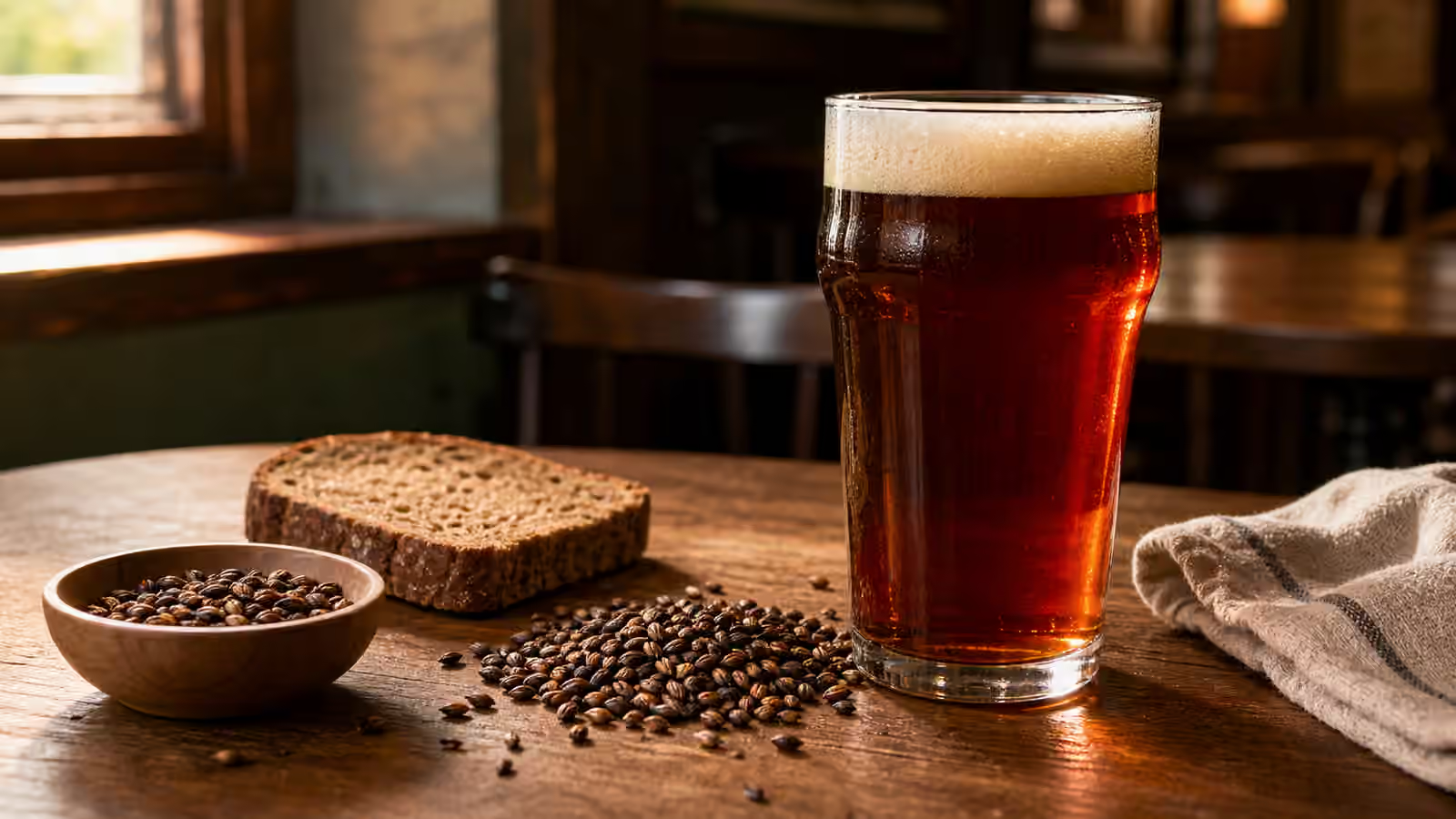
Color gives a clue but not a verdict. The beer may pour copper, amber, or reddish brown, often with a sturdy off-white head. Beer Color and Clarity makes the larger point that appearance is only the first page. In this style, the glass should prepare you for malt depth, but the flavor should still be clean and lively.
Hops Give The Beer Its Line
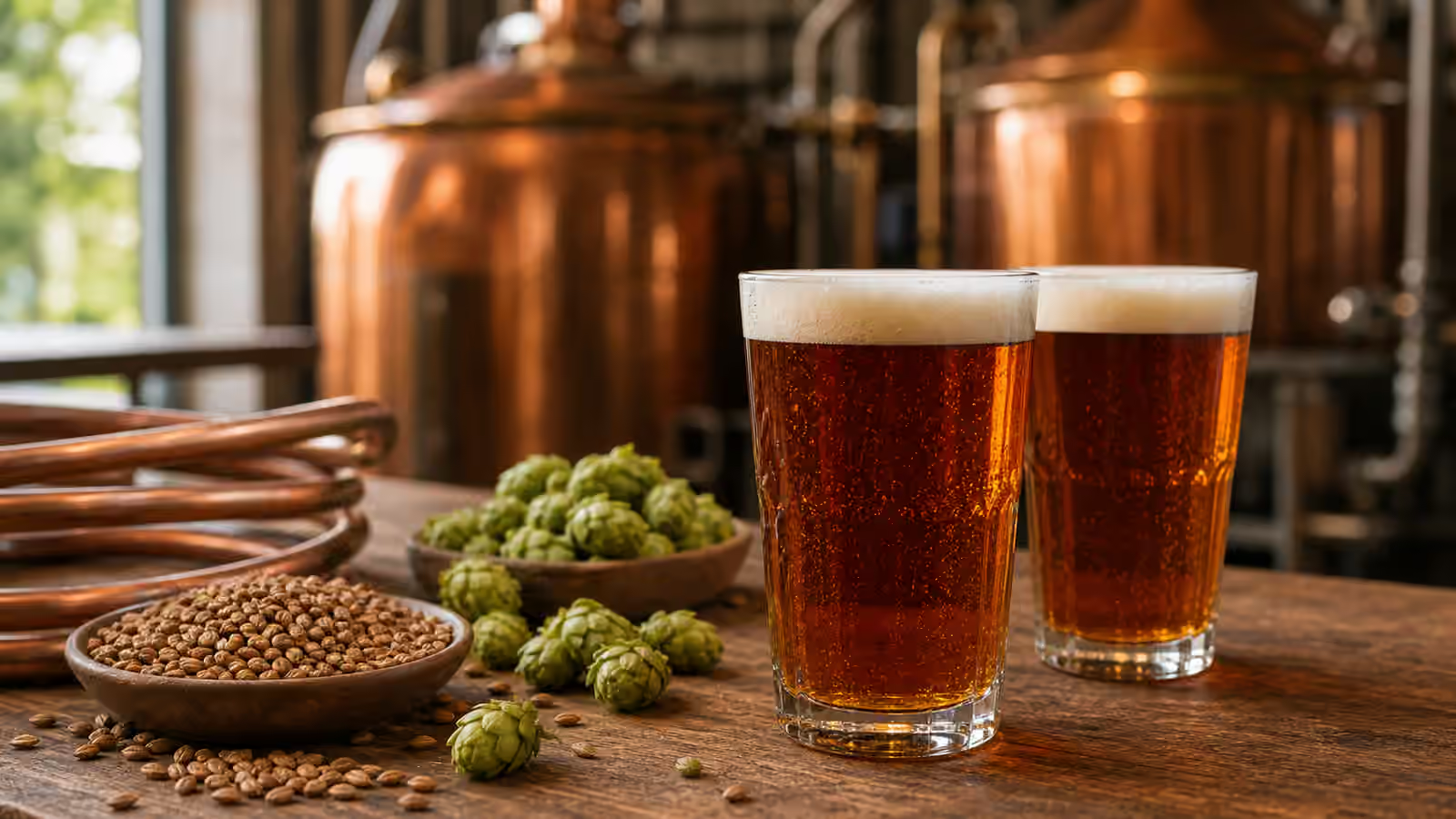
California Common needs hops. The bitterness is usually firmer than many amber beers, and the hop character may lean woody, minty, herbal, earthy, or lightly resinous depending on the variety. It is not normally a modern tropical hop showcase. The hops are there to draw a line through the malt and make the finish snap into place.
That line matters because amber malt can become heavy without contrast. Firm bitterness keeps the beer from tasting sweet. Hop aroma adds lift. Carbonation sharpens the finish. The Beer Bitterness and IBU guide is useful because the bitterness here is structural rather than extreme. It should be noticeable, but it should not erase the malt.
Compared with IPA, the hop role is narrower and more integrated. IPA Styles often asks hops to lead the whole performance. California Common asks hops to share the stage with amber malt and hybrid fermentation. If the beer tastes like an amber IPA, the balance may have drifted away from the style’s center.
Carbonation And Freshness Matter
The style often benefits from lively carbonation. Bubbles lift the malt, carry hop aroma, and keep the finish brisk. A flat California Common can taste heavy and stale, while an over-carbonated one can feel sharp and thin. Beer Carbonation and Foam explains the mechanics, but the glass makes the point quickly. The head should help the beer smell fresh and drink with energy.
Freshness matters because the style depends on a clean, direct balance. It is not usually a beer for long cellaring. Hop character fades, amber malt can turn dull, and oxidation can make caramel notes taste stale or papery. Beer Packaging and Freshness applies here, especially for packaged examples sitting warm. Buy from places with turnover and treat the beer as a fresh amber hybrid rather than an age-worthy strong ale.
Draft service can be excellent when the beer is poured through clean lines with enough carbonation and foam. It can also expose problems. A tired keg may taste flat and sweet. A dirty line may add sourness or butter-like character that does not belong. Draft Beer and Taproom Service is worth reading if you want to separate the style from the way it was served.
How To Taste The Style
Begin with the aroma. Look for toasted malt, light caramel, bread crust, herbal or woody hops, and a clean fermentation base with perhaps a faint fruit note. Then taste the middle. The malt should be present but not sticky. The hops should be firm but not harsh. The finish should dry out enough that the next sip makes sense.
Compare it with neighboring styles to see the shape. Beside an amber ale, California Common may taste cleaner, drier, and more firmly bitter. Beside a Vienna lager, it may feel more rustic and hop-forward. Beside an altbier, it may show a different malt-hop balance and yeast signature. These comparisons are more useful than trying to memorize a definition. The style lives in relationships.
Food pairing is easy because the beer has malt, bitterness, and carbonation in useful proportions. It works with burgers, grilled sausages, roast chicken, pizza, tacos, mushrooms, cheddar, pretzels, and fried food. The malt echoes browning, the hops cut richness, and the carbonation resets the palate. Food and Beer Pairing gives the broader pattern, but California Common is one of those beers that makes the method feel practical rather than ceremonial.
California Common is not loud, and that is part of its value. It teaches that hybrid beer does not have to be confused beer. Warm-fermented lager yeast, amber malt, firm hops, and lively service can create a beer that is both distinctive and easy to use. When it is fresh and balanced, it tastes like a working answer to a specific brewing problem: how to make a clean, flavorful amber beer without losing snap.