I did not go to the brewery looking for a lesson. I went because my friend Jamie said it was a good place to sit on a Saturday, and I needed somewhere to sit.
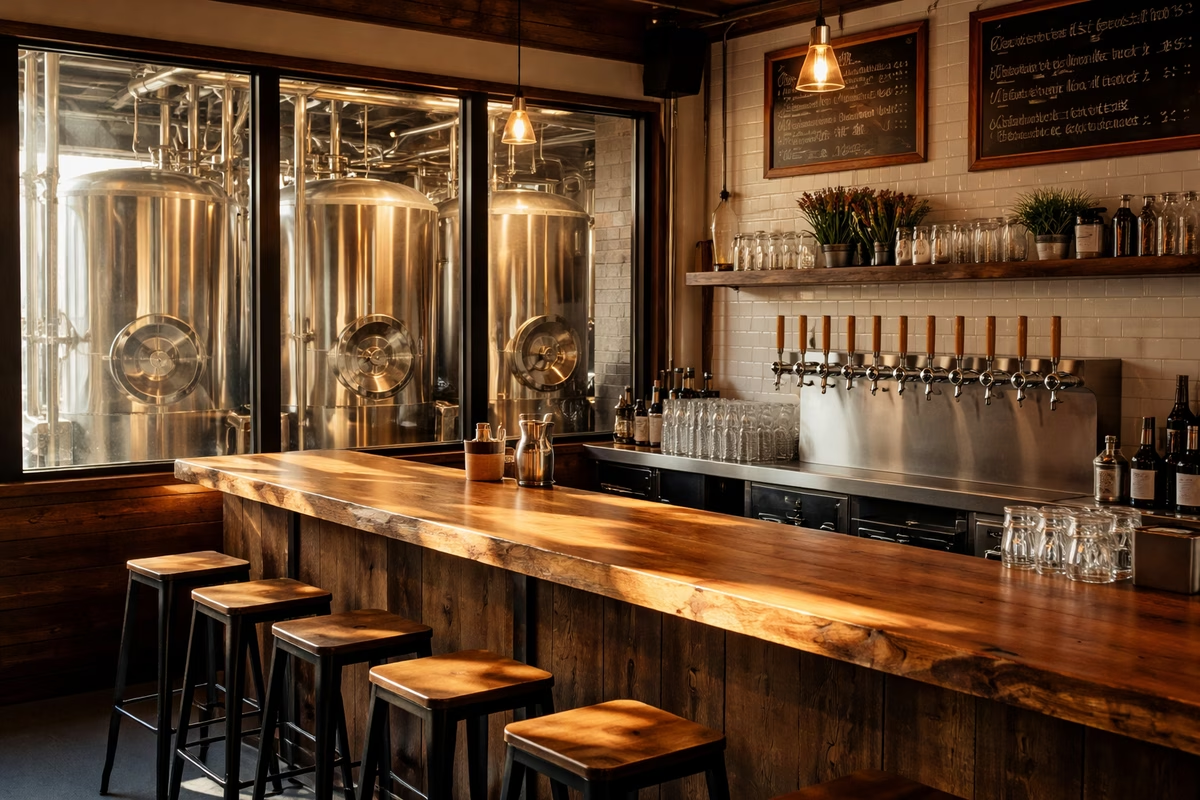
The brewery was small, a converted warehouse at the edge of a neighborhood that was still figuring itself out. A taproom in front, a brewhouse behind glass, and a patio with a dog sleeping in the sun.
Jamie ordered a flight. I ordered whatever the bartender recommended for someone who usually drinks whatever is cold.
He poured me a Kölsch and said, “Start here. If you want to learn something today, try the flight after.”
That was the beginning. Not of becoming a beer expert, I am still not one. It was the beginning of becoming a curious beer drinker.
This is what one afternoon at a small brewery taught me.
Why small breweries are the best classrooms
A large brewery is a factory. A small brewery is a kitchen.
In a small brewery, the person who brewed your beer might be behind the bar. The ingredients are often visible, sacks of malt, hops in a cold room, yeast packets on a shelf. The process is happening in real time at a scale you can understand.
Beer is easier to understand when you can see it being made. The vocabulary stops being abstract. “Malt” goes from a word on a label to a grain you can hold. “Dry-hopping” goes from jargon to a step you can see.
The flight: your built-in tasting course
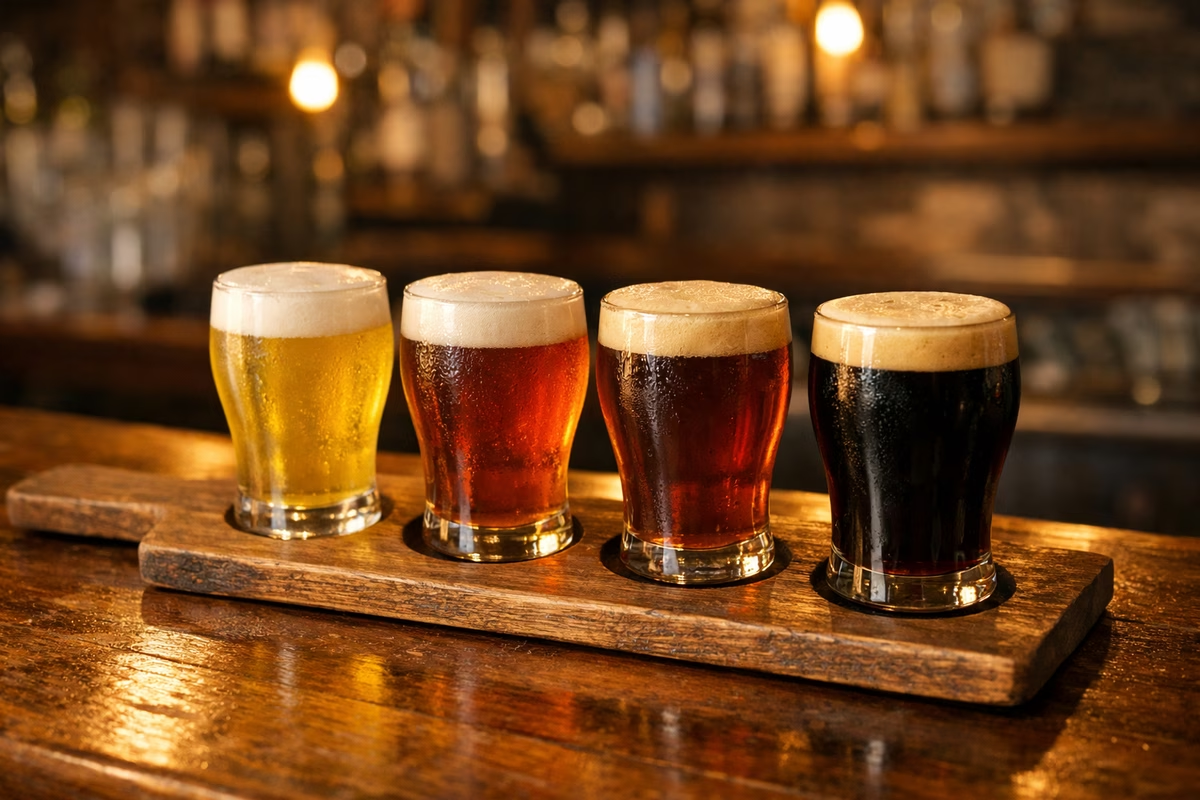
The bartender set a flight in front of me: four small glasses on a wooden paddle, arranged light to dark.
- The Kölsch (pale gold, almost no foam). Delicate, bready, slightly fruity.
- A pale ale (golden, with a small hop aroma). More assertive, with citrus and pine and a pleasant bitterness.
- An amber ale (copper-colored). Caramel sweetness, toasted bread, and a nutty note.
- A stout (black, with a tan head). Coffee, dark chocolate, a hint of smoke. Full-bodied and smooth.
“Four beers, one principle,” the bartender said. “Malt color and roast level change everything. The grain gets darker, the beer gets darker, the flavor moves from bread to caramel to coffee. Same ingredient, different treatment.”
That one sentence taught me more about beer than six months of reading.
How to order a flight
Most taprooms offer flights of 4–6 small pours (3–5 oz each). Here’s how to get the most out of one:
Ask for a range. “Can I get a flight from your lightest to your darkest?” is a great starting request. It gives you a gradient to compare.
Go light to dark. Always taste in order of intensity. Your palate can detect more when it isn’t already overwhelmed.
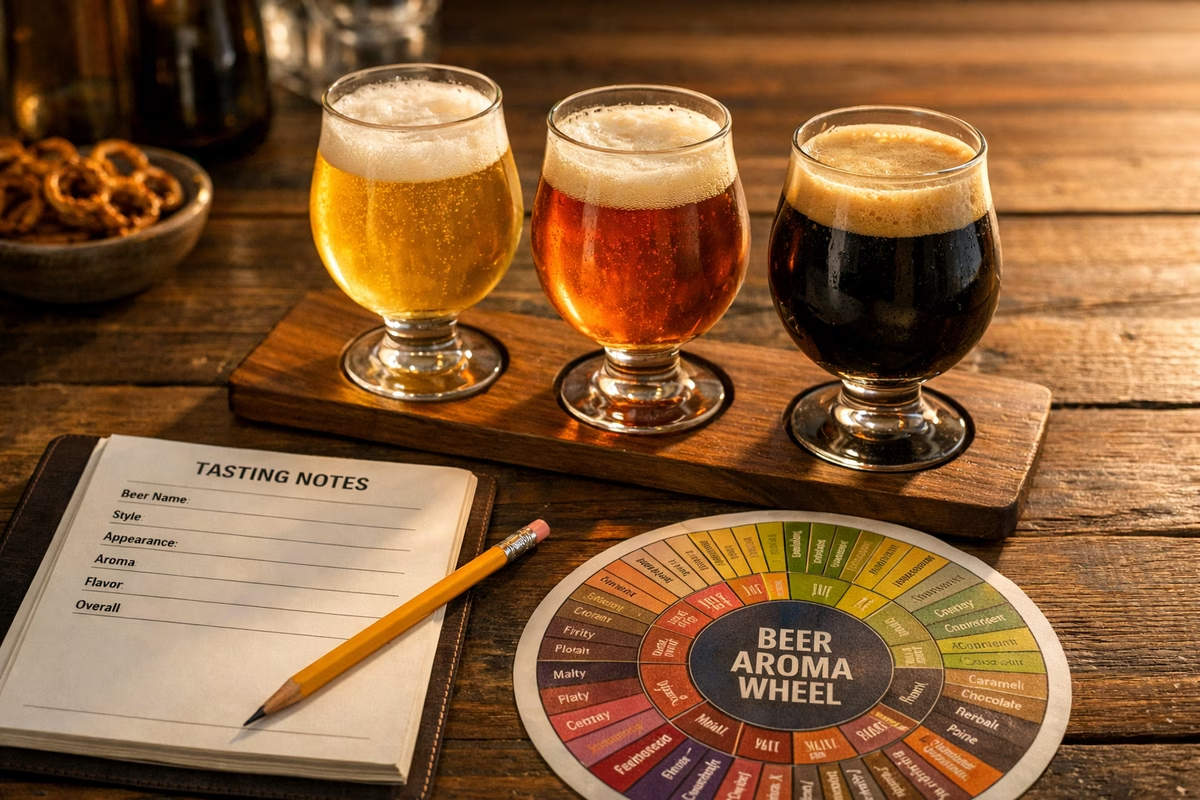
Sip slowly. A flight is not a race. Spend a minute with each glass. Smell it first. Take a small sip and notice the finish after you swallow.
Take a note. Even one word per glass: “bready,” “citrus,” “caramel,” “coffee.” You’ll be surprised how much you remember later.
What to ask (and what the answers mean)
The best part of a small brewery is access. Here are the questions that get the most useful answers:
“What’s your house style?”
Every small brewery has a personality. Some lean hoppy and bitter. Some lean malty and balanced. Some specialize in Belgian-inspired yeast-driven beers. Knowing the house style tells you what the brewer cares about.
“What’s freshest right now?”
Freshness matters in beer, especially for hop-forward styles like IPAs. A two-week-old IPA tastes different from a two-month-old one. Ask what was kegged most recently.
“What do you drink when you’re not working?”
This is the best question. When the brewer or bartender tells you what they actually drink, you get an honest answer. It is usually something simple.
“Can I see the brewhouse?”
Many small breweries are happy to show you around, especially if it is quiet. Even a quick walk-through makes the beer feel more real. You understand why it tastes the way it does when you can see where it was made.
The people at the bar
The other thing that happened that afternoon was conversation.
Small brewery taprooms attract people who like flavor and are willing to try things. The person sitting next to you has probably tried the beer you are curious about and will tell you what they think without much ceremony.
Jamie, who had been sitting quietly through my flight education, finally said: “This is why I come here. Not for the beer. For the conversation that beer makes possible.”
She was right. The beer was the reason we sat down. The conversation was the reason we stayed.
What to bring home
Most small breweries sell cans or growlers to go. Here’s the practical guide:
Cans are better for freshness. They block all light and seal perfectly. If you liked something on draft, buy a four-pack to drink at home within a few weeks.
Growlers (refillable glass jugs) are romantic but finicky. Once opened, the beer goes flat within a day or two. Only fill a growler if you’re going to drink it that evening.
Merchandise. A brewery T-shirt or glass is a better souvenir than you’d think. Six months later, you’ll wear the shirt and remember the afternoon, and that memory is worth more than the $25.
Beyond the first visit
If one brewery visit makes you curious, here’s how to keep learning:
Visit three breweries in a month. The differences between house styles will become obvious when you have comparison points.
Try one style you think you do not like. If you think you do not like dark beer, try a milk stout or a schwarzbier. They are lighter, smoother, and easier to approach.
Go to a release day. Many breweries release special batches on specific days. The energy is different. It feels more communal.
Take a brewery tour. A full guided tour with tasting is the best $15–$25 you can spend on beer education. You’ll learn more in 90 minutes than in a year of reading labels.
The ending: the patio at five o’clock
By late afternoon, the sun had moved across the patio and the dog had moved to a new patch of shade. Jamie was on her second beer. I was finishing my flight slowly, the way the bartender had suggested.
The stout was my favorite. Not because it was the strongest or the most complex, but because it was the most surprising. I had walked in assuming I didn’t like dark beer, and I was wrong. The brewery didn’t argue with me about it. It just poured me a glass and let the beer do the talking.
That is what small breweries do. They do not lecture. They pour. If you pay attention, even a little, you walk out knowing something new.
I went back the next Saturday. And the one after that.
The Kölsch is still my go-to. But now I know why.
Next steps
- Read the Beer Styles Guide for the full breakdown of styles you’ll encounter at any brewery
- Explore Beer Tasting 101 to sharpen the palate you started building at the taproom
- See Glassware for why the flight glasses were shaped the way they were
- Try Food Pairing for matching brewery takeaway with dinner
- Read The Seasonal Beer Guide to know what to order based on the time of year