Bottle-conditioned beer carries a small piece of fermentation into the package. Instead of being carbonated only before packaging, it is given enough yeast and fermentable material to create carbonation in the bottle or can. The result can be lively, aromatic, age-worthy, and deeply expressive. It can also confuse drinkers who see sediment at the bottom and wonder whether something has gone wrong. In many bottle-conditioned beers, that sediment is not a defect. It is part of how the beer became itself.
The brewing side begins with yeast, so Understanding Yeast is the natural companion. The serving side connects to Beer Carbonation and Foam and Serving and Storage . This guide stays with the drinker’s problem: how to read sediment, pour carefully, understand carbonation, and decide when age is helping the beer rather than making it stale.
What Bottle Conditioning Does
Bottle conditioning is a controlled second fermentation in the package. The brewer packages beer with living yeast and a measured source of fermentable sugar, or with enough remaining fermentable material for yeast to keep working. As the yeast ferments, it produces carbon dioxide. Because the package is sealed, that carbon dioxide dissolves into the beer and creates natural carbonation.
This process can give beer a fine, persistent sparkle. It can also add subtle fermentation character and help certain beers develop over time. Belgian ales, saisons, some wheat beers, lambic-inspired beers, strong ales, and many traditional or farmhouse-style beers often use bottle conditioning because their identity includes yeast character, carbonation, and evolution in the package.
Bottle conditioning is not automatically better than force carbonation. Many excellent beers are carbonated in tanks or bright beer vessels before packaging. The question is fit. A very fresh hazy IPA may be best protected from extra oxygen and yeast activity. A delicate lager may want polished stability. A saison or strong Belgian ale may gain texture and aroma from conditioning in the package. Process should serve the beer rather than serve romance.
Sediment Is A Sign, Not A Verdict
Sediment in bottle-conditioned beer is usually yeast and protein that settled after carbonation developed. It may form a fine dusting, a compact layer, or a more visible deposit depending on the beer, yeast strain, age, storage, and package movement. Seeing it does not mean the beer is dirty. It means the beer was not filtered or clarified to complete brightness after package fermentation.
The decision is how much sediment to pour. In some styles, including hefeweizen and certain rustic ales, including yeast is part of the expected experience. It can add haze, bread-like aroma, texture, and a little bitterness. In other beers, especially strong Belgian ales or delicate mixed-fermentation bottles, you may prefer to leave most sediment behind so the beer stays cleaner and more elegant.
A careful pour gives you control. Chill the beer to an appropriate temperature, stand it upright long enough for sediment to settle, open it gently, and pour in one smooth motion until the final cloudy bit approaches the neck. Then pause. Taste the clear pour first. If the beer seems better with more yeast, swirl the remaining ounce and add a little. If the beer already tastes complete, leave the sediment in the bottle. This is not waste. It is serving judgment.
Carbonation Is Part Of The Style
Bottle-conditioned beer often has lively carbonation, but the exact level varies widely. A saison may pour with a tall white head and a peppery, dry finish that depends on bubbles for lift. A Belgian tripel may seem deceptively light because carbonation keeps alcohol and malt from feeling heavy. A gueuze may feel almost champagne-like, with acidity, dryness, and bubbles moving together. A strong dark ale may carry softer carbonation that opens slowly as the beer warms.
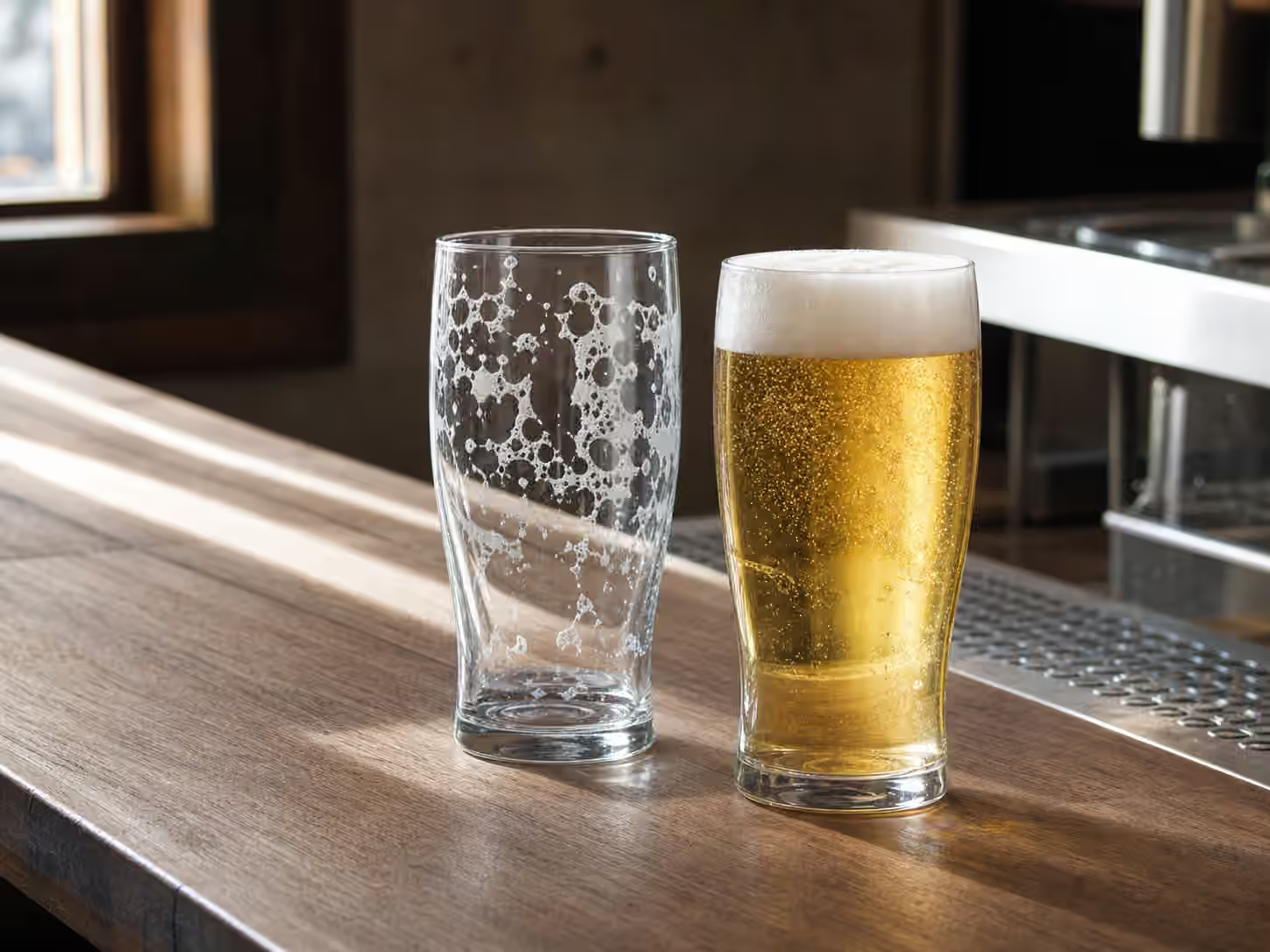
Carbonation changes aroma and flavor. Bubbles lift volatile compounds toward the nose. They sharpen acidity, scrub sweetness, and make the finish feel more active. Too much carbonation can make a beer gush, foam excessively, or taste prickly. Too little can make a beer seem dull or heavy. The same beer can feel very different depending on how much carbon dioxide is in solution and how cleanly the glass releases it.
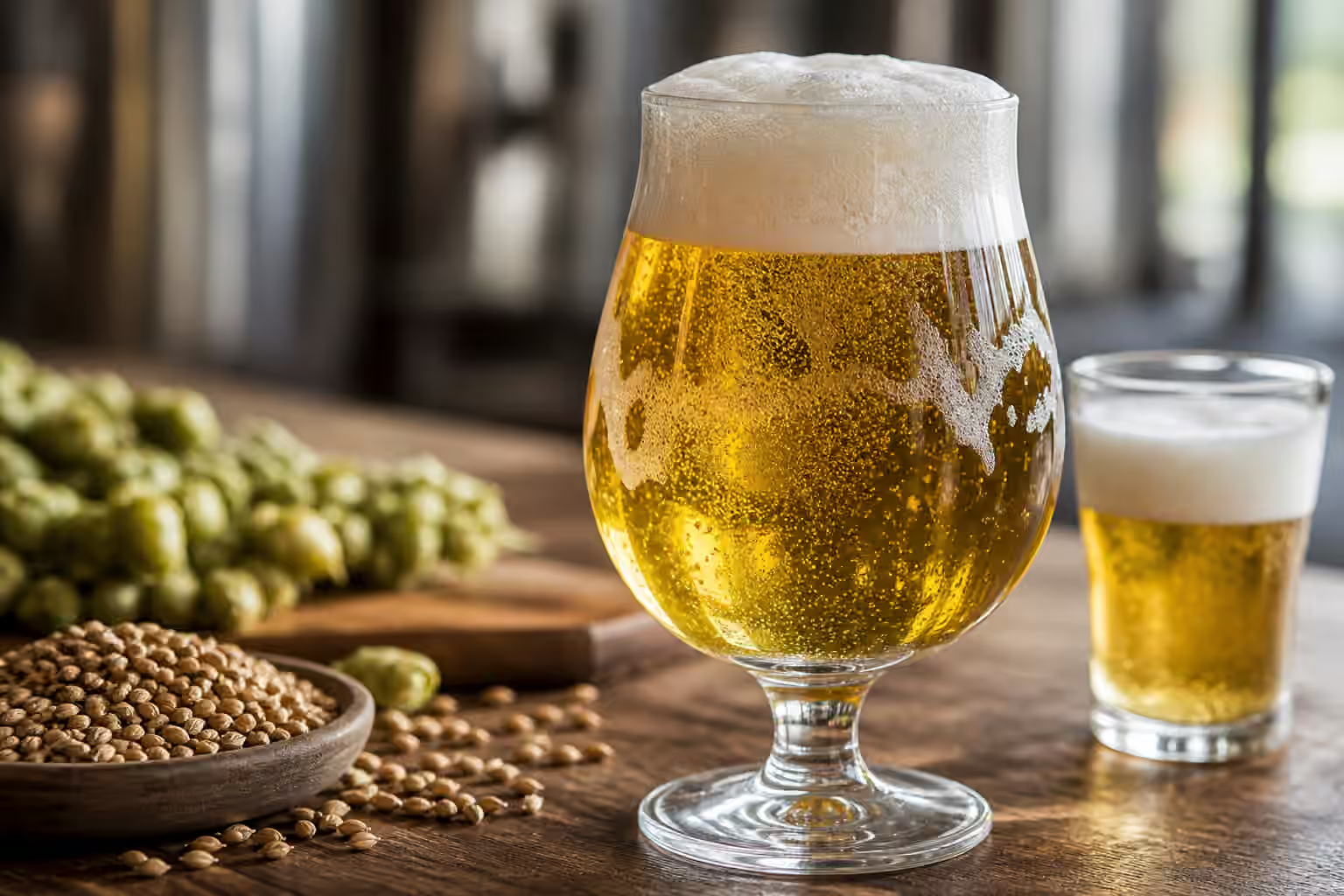
Glass choice matters because foam needs space. A tulip, goblet, wine glass, or weizen glass may handle a lively bottle-conditioned beer better than a small straight-sided tumbler. Pouring straight down the center may release too much foam at once. Pouring gently at first, then more directly near the end, can build a better head. The Glassware Guide is useful here because bottle-conditioned beers often show why shape and volume matter.
Age Can Help, But It Is Not Magic
Bottle-conditioned beer is often associated with aging, and some styles can develop beautifully. Strong Belgian ales, dark strong ales, barleywines, imperial stouts, mixed-fermentation beers, and certain sour beers may become rounder, drier, more integrated, or more complex with time. Yeast can continue to shape the beer, oxygen can slowly change malt and fruit notes, and carbonation can become more settled.
Age can also damage beer. Hop aroma fades. Pale malt can turn papery. Fruit can dull. Oxidation can make beer taste like cardboard, old honey, stale nuts, or sherry in places where those notes do not belong. A beer designed for bright freshness may not become profound just because it spent a year in a closet. Beer Off-Flavors helps separate pleasant maturity from stale handling.
Storage decides much of the outcome. Keep bottle-conditioned beer away from heat and light. Store most bottles upright if you want sediment to settle cleanly and reduce the beer’s contact with the deposit. Corked bottles and special formats may have their own traditions, but for everyday drinkers the practical goal is simple: stable temperature, darkness, and enough patience to let sediment settle before pouring.
Styles Where Bottle Conditioning Makes Sense
Belgian-inspired beers are some of the clearest examples. Saison, tripel, dubbel, strong golden ale, and dark strong ale often use lively carbonation and yeast character as part of their structure. Their dryness, spice, fruit, and foam can make high strength feel lighter than expected. This connects directly to Beer Strength, Body, and Balance , because carbonation and fermentation can make a strong beer feel graceful.
Wheat beers also show the role of yeast in the glass. Hefeweizen may be cloudy by design, with yeast contributing banana, clove, dough, and texture. The separate guide to Wheat Beer goes deeper on that family, but bottle conditioning explains why the last inch of the bottle can change the pour.
Sour and mixed-fermentation beers can use bottle conditioning for carbonation, development, and aroma. In gueuze-like blends, bottle conditioning is central to the lively texture and dry finish. In fruit refermentations, yeast may help integrate fruit character rather than leaving it as surface sweetness. The guide to Sour Beer is helpful because acidity, funk, fruit, and carbonation all change how sediment and age are perceived.
When To Be Suspicious
Bottle-conditioned beer asks for tolerance of sediment, haze, and lively carbonation, but it does not excuse every problem. A beer that gushes violently may be overcarbonated, infected, too warm, shaken, or packaged with more fermentable material than intended. A beer that smells like vinegar, solvent, rotten fruit, burnt rubber, or heavy cardboard deserves closer attention. A beer with rope-like strands, strange slickness, or pressure far beyond the style may be flawed rather than charming.
Context matters. A funky sour beer can smell earthy, leathery, citrusy, or barnyard-like in ways that belong to the style. A clean pale ale with the same aromas may be in trouble. A hefeweizen should be hazy. A pilsner with unexpected sediment asks a different question. The more you know the style, the easier it is to tell intention from accident.
If you are unsure, pour a small amount and use the tasting sequence from Beer Tasting 101 . Look at the beer, smell it, taste gently, and notice the finish. Do not force yourself through a bottle that seems genuinely wrong. At the same time, do not reject a beer simply because it contains yeast. Bottle-conditioned beer often looks less polished because it is carrying a living process into the glass.
The Pour Is Part Of The Beer
Bottle-conditioned beer rewards a slower hand. Let the bottle settle. Choose a glass with room for foam. Pour with attention. Decide whether the sediment belongs in this serving rather than treating it as an accident. Let strong or complex beers warm slightly so yeast character, malt, spice, acidity, and carbonation can come into focus.
Once you understand the process, bottle conditioning stops feeling mysterious. The sediment is readable. The carbonation has purpose. The beer may change with time, but time is only helpful when the style and storage support it. A good bottle-conditioned beer feels alive not because it is unpredictable, but because fermentation, package, pour, and glass still have a conversation left to finish.