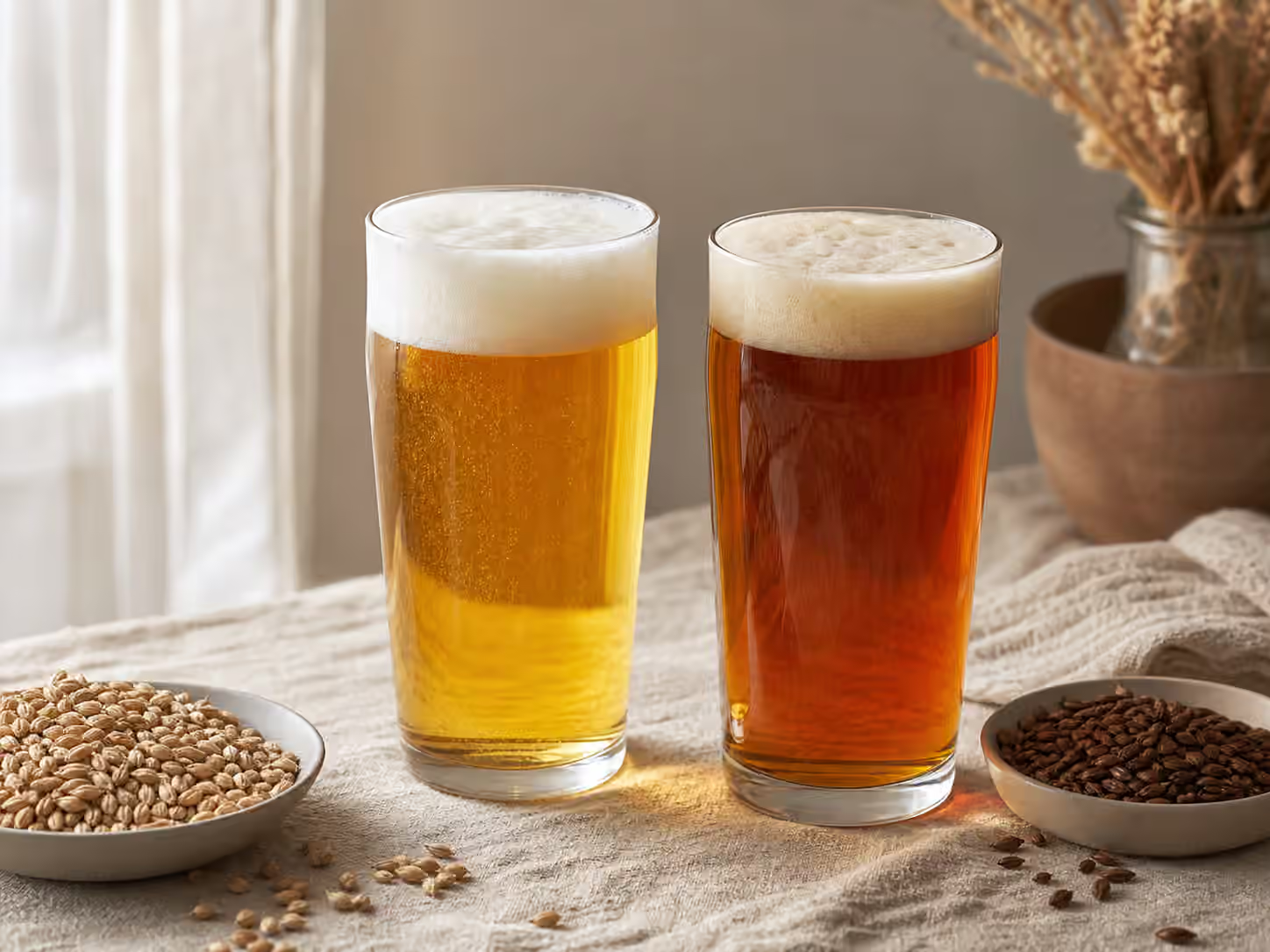
Bock is the part of lager that surprises drinkers who still think lager means pale, light, and simple. A good bock is cleanly fermented, but it is not small. It can taste like toasted bread, dark crust, caramelized grain, honeyed malt, dried fruit, or fresh brown bread pulled from the oven. Doppelbock goes deeper, with more strength and a slower rhythm, yet the best examples remain controlled rather than syrupy. They are strong lagers, not malt liqueurs.
The broader Lager Styles guide gives bock a place on the lager map, and Beer Strength, Body, and Balance explains why alcohol never tells the whole story by itself. This guide stays close to the bock family because it teaches a useful beer lesson: strength can be built from malt depth and fermentation control instead of from hop volume, roast intensity, fruit additions, or barrel drama.
Strong Lager Is Still Lager
The first mistake with bock is tasting it as if it should behave like a strong ale. Bock can share warmth, richness, and slow sipping with barleywine, old ale, or Belgian dark strong ale, but the fermentation frame is different. Lager yeast usually keeps fruitiness quieter and lets malt carry the center. That clean frame is why a bock can be strong and still feel composed. You may notice bread crust, toast, dark honey, raisin, or caramel, but you should not have to fight through hot solvent, heavy esters, or rough fermentation.
Clean does not mean neutral. In bock, clean fermentation is what lets malt detail become readable. If the beer smells like fresh bread, toasted grain, or dark sugar, those notes have room to stand apart. If the finish dries enough to invite another sip, the lager structure is doing real work. A poorly made strong lager can taste sweet, sticky, hot, or dull because nothing is hiding the problem. A well-made one has weight without losing its line.
That is why bock can be a good bridge for drinkers who like strong beer but want less roast or hop bitterness. It does not rely on the black coffee edge of stout, the resin of IPA, or the peppery dryness of saison. Its argument is malt. The beer asks whether grain can be deep enough, layered enough, and clean enough to hold attention on its own.
Malt Does The Heavy Lifting
Bock is one of the clearest places to taste malt as more than sweetness. Sweetness may be present, but it should not be the whole story. Munich malt can suggest bread crust, toast, and deep grain. Vienna malt can add a smoother amber glow. Pilsner malt may lighten the frame in paler versions. Darker specialty malt can add color, dried fruit impressions, or a cocoa-like edge without turning the beer roasty in the way porter or stout can be roasty.
The guide to Understanding Malt explains the ingredient side, but bock makes the sensory lesson immediate. Malt can create flavor, color, body, aroma, and finish. It can also create problems when it is not balanced. Too much residual sweetness makes a strong lager tiring. Too much dark malt can pull it toward roast bitterness that does not fit the style. Too little fermentation control leaves a beer that tastes like warm sugar instead of structured malt.
Bitterness is usually present as support. Bock is not built around hop aroma, and most examples do not want a loud hop finish. Still, bitterness matters because it keeps the beer from collapsing under its own richness. The best bocks have enough hop structure to shape the finish while leaving malt in front. You may not name the hops, but you would miss them if they were gone.
The Bock Family Has Several Moods
Traditional bock often sits in the amber to dark brown range, with smooth malt, moderate warmth, and a clean finish. It can taste stronger than an everyday lager, but it should not feel clumsy. The pleasure is in the way bread, toast, caramel, and mild dark fruit impressions move together without losing lager polish.
Maibock, also called helles bock in many contexts, is paler and often a little brighter. It keeps bock strength but shifts the color and aroma toward pale malt, honey, fresh bread, and sometimes a firmer hop line. It can feel springlike because it has strength without the darker, heavier mood many people associate with winter beer. If a pale bock tastes sharp, thin, or hot, the strength has not been integrated. If it tastes bready, clean, and gently warming, it is doing its job.
Doppelbock is the deeper branch. The name points toward a stronger version of bock, but the better clue is intensity. Doppelbock can carry dark bread, caramel, dried fig, raisin, toasted crust, and a smooth warming center. Many classic examples use names ending in “ator”, a tradition that grew from one famous historical example, but the suffix is less important than the glass. A doppelbock should taste generous without becoming sticky. It should have enough dryness, carbonation, and fermentation precision to make the richness feel deliberate.
Eisbock is more concentrated still, traditionally made by freezing beer and removing some of the ice to concentrate flavor and alcohol. That process can create dense malt, dark fruit, and serious warmth. It also leaves less room for careless drinking. Eisbock is usually a small-pour beer, closer to a slow winter sip than a casual pint.
How To Taste Bock Clearly
Start with appearance, but do not let color decide the whole story. A maibock can be pale and strong. A dark bock can be smooth rather than roasty. A doppelbock can look heavy and still finish cleaner than expected. Color points toward malt choices, then aroma and finish have to confirm what is actually in the glass. Beer Color and Clarity is useful here because bock often corrects simple assumptions about strength and darkness.
Smell for malt before you search for alcohol. Bread, toast, crust, honey, caramel, nuts, and dried fruit are more useful words than sweet. Sweet is a taste. Bock’s aroma should have shape. If all you smell is heat, the beer may be too warm, too young, poorly made, or simply out of balance. A little alcohol warmth belongs in stronger examples, but it should lift the aroma rather than burn through it.
On the palate, watch the sequence. A good bock often starts round, opens into bread or caramel, then finishes cleaner than its first impression suggests. Doppelbock may linger longer, but it should not leave a sugary film that makes the next sip feel like work. Carbonation matters because it carries aroma and keeps the malt from becoming heavy. Beer Carbonation and Foam explains the mechanics, and bock shows why bubbles are not only for pale, crisp beer.
Temperature changes the beer. Refrigerator-cold bock can seem muted and sweet because malt aroma is held down. Too warm, and alcohol can become pushy. A few minutes in a clean glass often helps, especially for doppelbock and eisbock. The aim is not room temperature. It is enough warmth for malt detail to emerge while the lager structure still feels alive.
Serving, Food, And Buying
Bock usually wants a smaller, cleaner pour than its malt depth might suggest. A tulip, goblet, small stemmed glass, or clean half-liter mug can all work depending on the strength and setting. The glass should let you smell the beer and should not force a strong beer into a full pint when a smaller serving would be better. Beer Glassware gives the broader shape logic, but bock is forgiving as long as the glass is clean and the serving size respects the beer.
Food pairings should meet malt with substance. Roast pork, sausages, mushrooms, onions, aged cheeses, pretzels, rich bread, and caramelized vegetables all make sense because they echo toast, salt, fat, and browned flavors. Doppelbock can handle braised meats and nutty cheeses. Maibock can work with roast chicken, ham, spring vegetables, or firm cheese because it is strong but brighter. The broader Beer and Food Pairing guide is helpful, but the short version is simple: let malt meet browning, salt, and fat.
When buying bock, do not assume stronger means older is better. Some examples are released for seasonal drinking and should be enjoyed while they still taste clean. Stronger doppelbocks may tolerate time better than delicate pilsners, but heat and oxygen still flatten malt. Stale bock can taste papery, dull, syrupy, or like old caramel. Beer Packaging and Serving and Storage both apply, especially if the bottle has been sitting warm under bright lights.
When Rich Becomes Too Heavy
Bock fails when richness loses discipline. A beer that tastes like caramel syrup, raw alcohol, or flat malt sweetness may be strong, but strength is not the same as balance. A beer with burnt roast where dark bread should be may be borrowing from the wrong family. A beer with no bitterness, no carbonation, and no clean finish may impress for one sip and then stall.
The best bock is quieter than that. It shows how lager can be deep, strong, warming, and malt-saturated while still tasting controlled. Drink it slowly enough to notice the bread, the toast, the alcohol, the finish, and the way the glass changes as it warms. If lager has seemed only crisp and pale, bock expands the idea without abandoning the lager promise. It is still about precision. The difference is that the precision has been asked to carry more weight.