Belgian witbier is one of the clearest examples of beer built from softness rather than force. It is pale, cloudy, lively, and usually modest in strength. It often smells of citrus peel, coriander, pale wheat, light bread dough, flowers, pepper, and a faint creamy grain note. Its charm comes from restraint. The beer should refresh without tasting empty, carry spice without turning perfumed, and finish dry enough that the next sip feels easy.
The broader Wheat Beer guide covers several wheat-based traditions, including Bavarian hefeweizen and other hazy styles. Witbier has its own voice. It is not simply a wheat beer with orange. It is a Belgian-style pale beer where wheat, yeast, spice, citrus, carbonation, and haze work together in a small frame.
Wheat Makes The Beer Soft
Witbier usually uses a significant portion of wheat, often unmalted wheat, alongside barley malt. Wheat changes the beer before any spice is added. It supports haze, foam, pale bread flavor, and a soft texture that makes the beer feel round without becoming heavy. That softness is important because witbier is often low to moderate in alcohol and does not have a large malt body to lean on.
The grain flavor can suggest fresh dough, cracker, pale bread, cereal, or a gentle creaminess. It should not taste sugary or thick. A good witbier has enough grain presence to hold the spice and acidity, but it remains light on its feet. If the beer feels watery, the wheat has not given enough support. If it feels pasty or sweet, the balance has moved away from refreshment.
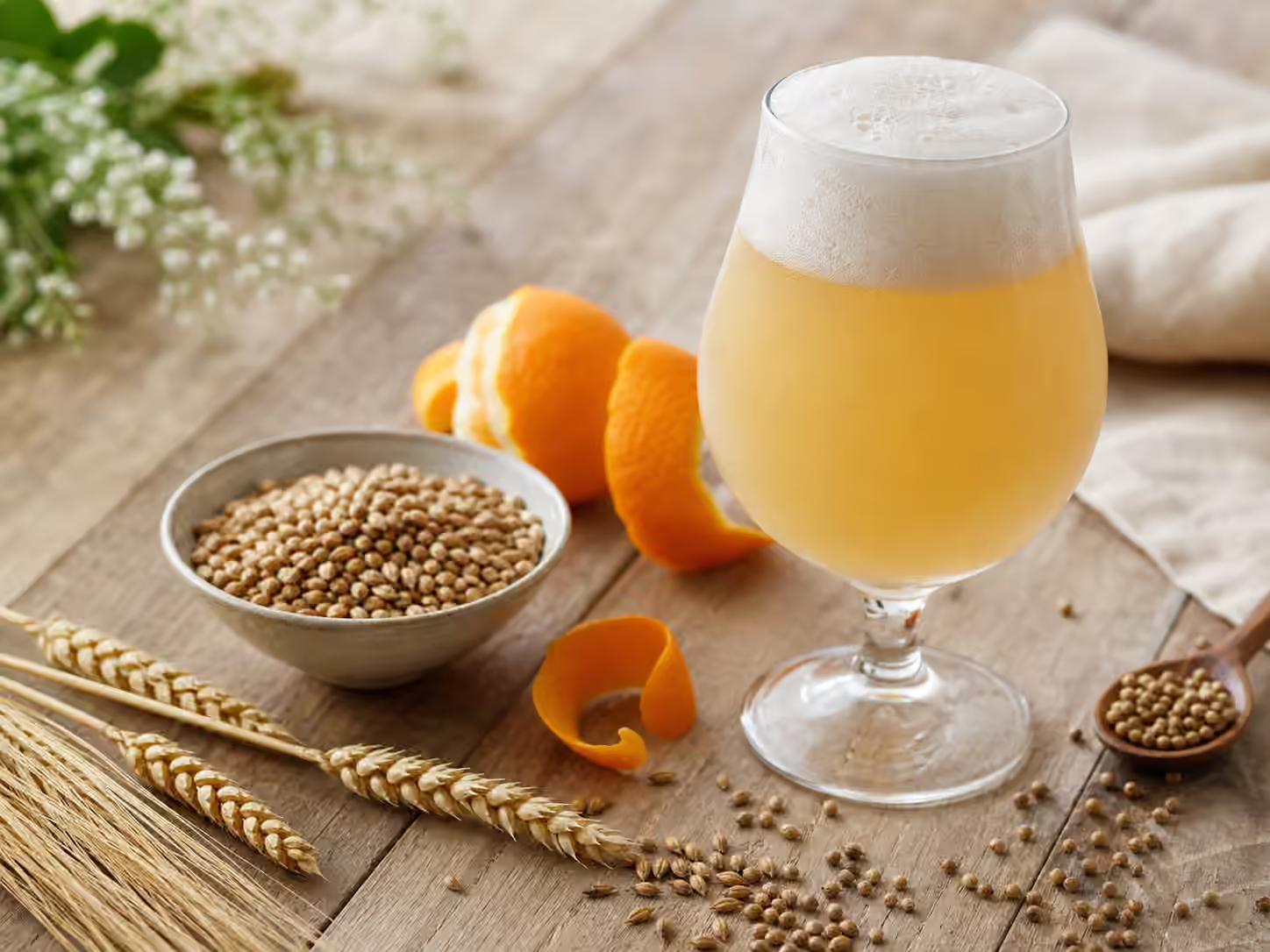
Haze is part of the expectation. In many beer styles, clarity is a virtue. In witbier, cloudiness is normal because of wheat proteins, yeast, and the way the beer is built. The haze should look alive rather than muddy. A pale cloudy glass with a white head and fine bubbles fits the style. The goal is not opacity for drama. It is a soft, bright beer that looks like what it is.
Spice Should Behave Like Seasoning
Coriander is the classic spice note in witbier. Used well, it can smell citrusy, floral, peppery, and slightly herbal. Used badly, it can taste soapy, dusty, sharp, or medicinal. The difference often comes down to freshness, amount, grind, and how the spice fits the beer’s yeast and citrus character. Coriander should not sit on top of the glass like perfume. It should feel woven into the aroma.
Citrus peel, especially bitter or sweet orange peel, often appears beside coriander. It can make the beer smell brighter and help the finish feel crisp. But citrus peel is not fruit juice. The best examples suggest peel, pith, zest, and freshness rather than orange soda. Too much citrus can make the beer taste like flavored sparkling water. Too little can leave the beer pale and anonymous.
This is where Fruit and Spiced Beer becomes useful. Added flavors work best when they echo something already present. Witbier’s wheat softness, yeast character, and lively carbonation make citrus and coriander feel natural. The additions should extend the beer, not replace the fermentation and grain.
Yeast Gives Witbier Its Accent
Belgian yeast character often provides the quiet glue. Witbier yeast may create light fruit, pepper, floral notes, or a faint tart impression. It is usually gentler than the expressive pepper and dryness found in many saisons, and less banana-and-clove focused than Bavarian hefeweizen. The yeast should make the beer feel fresh and aromatic without becoming loud.
Fermentation balance matters because the style is delicate. Too much phenolic spice can push the beer toward harsh clove or medicine. Too much fruitiness can make it seem sweet. Too little yeast character can leave only wheat and spice, which may feel flat. The best examples have a living aroma that changes as the beer warms slightly: citrus first, then grain, then coriander, pepper, flowers, and a clean dry finish.
If you want to isolate the yeast lesson, taste witbier near hefeweizen and saison. Hefeweizen often leans banana, clove, and wheat softness. Saison often leans pepper, dryness, and high carbonation. Witbier sits between refreshment and seasoning. Understanding Yeast helps explain why those differences can come from fermentation rather than added flavors.
Carbonation Keeps It Bright
Witbier needs carbonation. The bubbles lift citrus and spice, build foam, and keep the wheat from feeling dull. A flat witbier can taste chalky, sweet, or limp because the beer depends on movement. A lively pour makes the same ingredients feel crisp and generous. The foam should be white and persistent enough to carry aroma, though it does not need to tower like some German wheat beers.
Pouring matters. Use a clean glass with room for foam, such as a tulip, weizen glass, stemmed glass, or simple tumbler. A narrow can or bottle opening hides too much aroma if you are trying to learn the style. If the beer is unfiltered or has settled, a gentle roll of the package before pouring can distribute haze, but avoid shaking it into a fountain. Sediment can add texture, but it should not make the beer gritty.
Temperature matters too. Too cold and the beer becomes mostly carbonic bite and pale grain. Too warm and the spice can grow blunt or the wheat can seem flabby. Cool but not icy is usually right. The guide to Serving and Storage gives the broader habit: let delicate beer stay refreshing while still giving aroma a chance to appear.
Freshness And Buying Clues
Witbier is usually best fresh. It is not a beer to forget in the back of a warm cabinet. Wheat softness, citrus peel, spice, and gentle yeast character can fade or flatten with time. Oxidation may make the beer taste papery, stale, honeyed, or dull. Light exposure can hurt hop character and overall freshness, especially in vulnerable bottles. A cold, recently packaged can or brown bottle is often a safer bet than an old dusty package.
Look for a label that tells you enough. Witbier, Belgian-style white, white ale, or spiced wheat ale may all point in the right direction. Ingredients like coriander, orange peel, wheat, oats, or other citrus can be helpful clues. High strength is not typical for the everyday form, though brewers can make stronger interpretations. A very sweet fruit version may be enjoyable, but it may not teach the classic balance as clearly.
When tasting, do not expect IPA-level hop aroma or stout-like depth. Witbier is a small architecture. It succeeds through proportion. The glass should offer pale grain, soft body, citrus lift, coriander spice, lively foam, and a dry finish. If only one element dominates, the beer becomes less useful as witbier, even if it remains pleasant.
Food Makes The Style Obvious
Witbier belongs easily at the table. Its carbonation refreshes, its citrus echoes lemon and herbs, its spice meets salads and seafood, and its soft wheat body keeps it from feeling sharp. It can work with mussels, grilled shrimp, roast chicken, goat cheese, fresh tomatoes, fries, herbed vegetables, brunch dishes, and lightly spicy food. The pairing does not need drama. Use it where a squeeze of citrus and a pale bread note would be welcome.
It is also a good bridge beer. Someone who dislikes heavy bitterness may find witbier friendly. Someone who thinks pale beer is boring may notice the spice and yeast. Someone who enjoys sour beer may appreciate its brightness without needing strong acidity. It can introduce the Belgian side of beer without demanding a strong tripel or a funky saison.
The style’s quietness is the lesson. Witbier shows how a beer can be flavorful without being loud, hazy without being thick, spiced without tasting artificial, and refreshing without becoming empty. When the wheat is soft, the citrus is bright, the coriander is measured, and the finish is clean, the beer feels simple in the best way: easy to drink because the details have been handled carefully.