Dubbel, tripel, and quadrupel are often introduced through strength, but strength alone does not explain why these beers can feel so graceful. They may be warming, aromatic, and complex, yet the best examples are not syrupy. Their secret is fermentation. Belgian-style yeast, simple sugar, lively carbonation, and patient conditioning can make a strong beer seem lifted rather than heavy. The glass carries fruit, spice, malt, dryness, and foam in a way that refuses the easy rule that more alcohol must mean more weight.
The broader Belgian Beer guide explains why yeast character matters across Belgian-inspired styles. Beer Strength, Body, and Balance helps separate alcohol from heaviness, while Bottle-Conditioned Beer explains why many examples pour with sediment and lively foam. Dubbel, tripel, and quadrupel sit where those ideas meet.
Dubbel: Dark Fruit Without Stout Weight
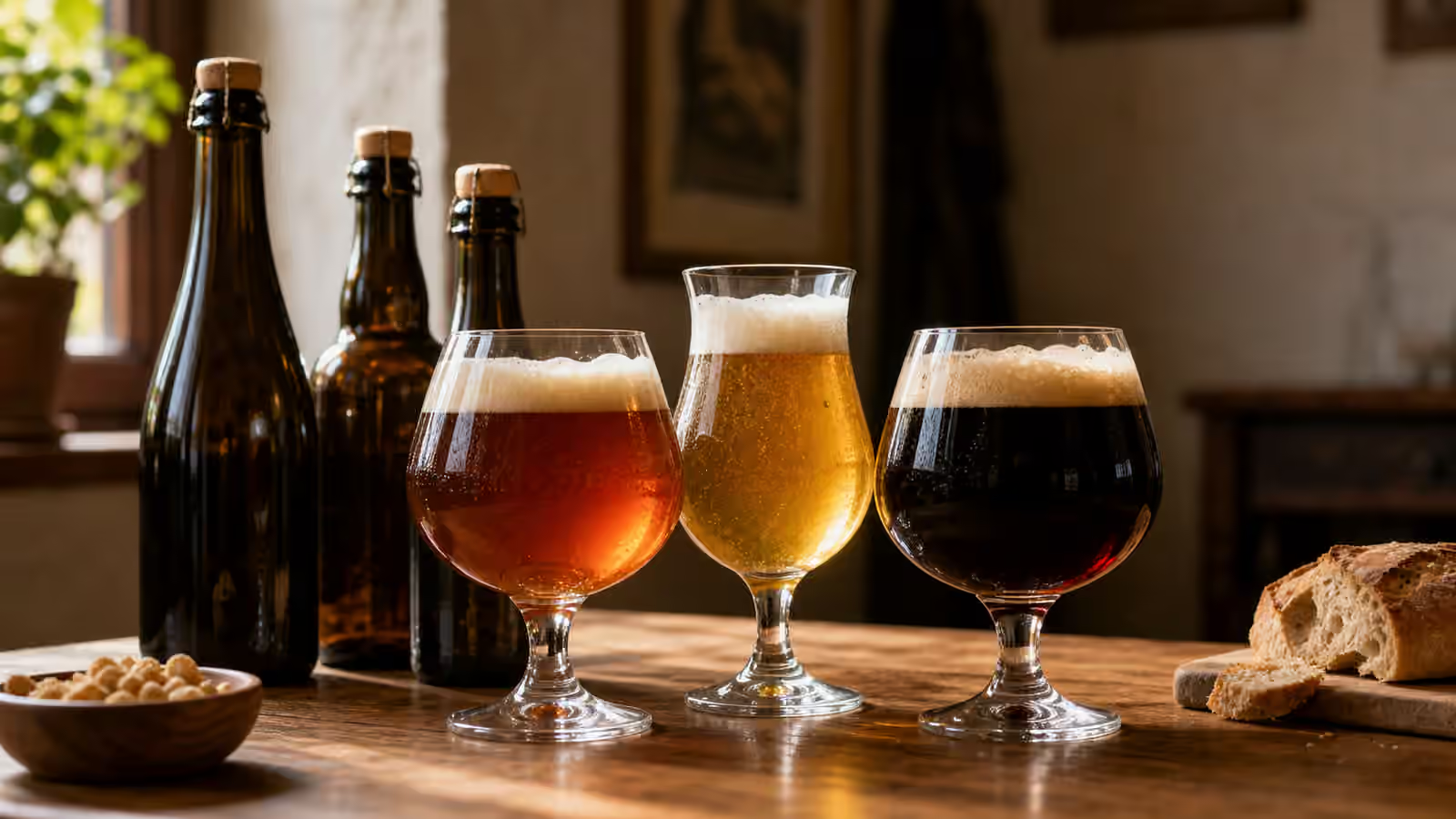
Dubbel is usually amber to deep brown, with malt and yeast combining into raisin, plum, fig, caramel, toast, brown bread, clove, pepper, and sometimes a faint rum-like warmth. It looks like it might be heavy, but a good dubbel should not drink like a sweet porter. The finish often carries enough dryness and carbonation to keep the malt from sticking. Its darkness comes from specialty malt or dark sugar, not from the roasted grains that define stout.
That difference matters in tasting. A stout may give coffee, cocoa, roast bitterness, and cream. A dubbel usually gives darker fruit, bread crust, spice, and a rounded malt sweetness that clears. If it tastes like syrup, the balance is off. If it tastes thin and hot, the fermentation may have failed to support the strength. The pleasure is in the middle: enough malt depth to feel autumnal, enough yeast lift to keep the beer alive.
Dubbel works well with roasted pork, stews, mushrooms, nutty cheeses, braised greens, and food with gentle sweetness. It can echo caramelized edges without becoming dessert. It also handles spice better than many dark beers because yeast spice and carbonation keep the palate moving.
Tripel: Golden Beer With Hidden Strength
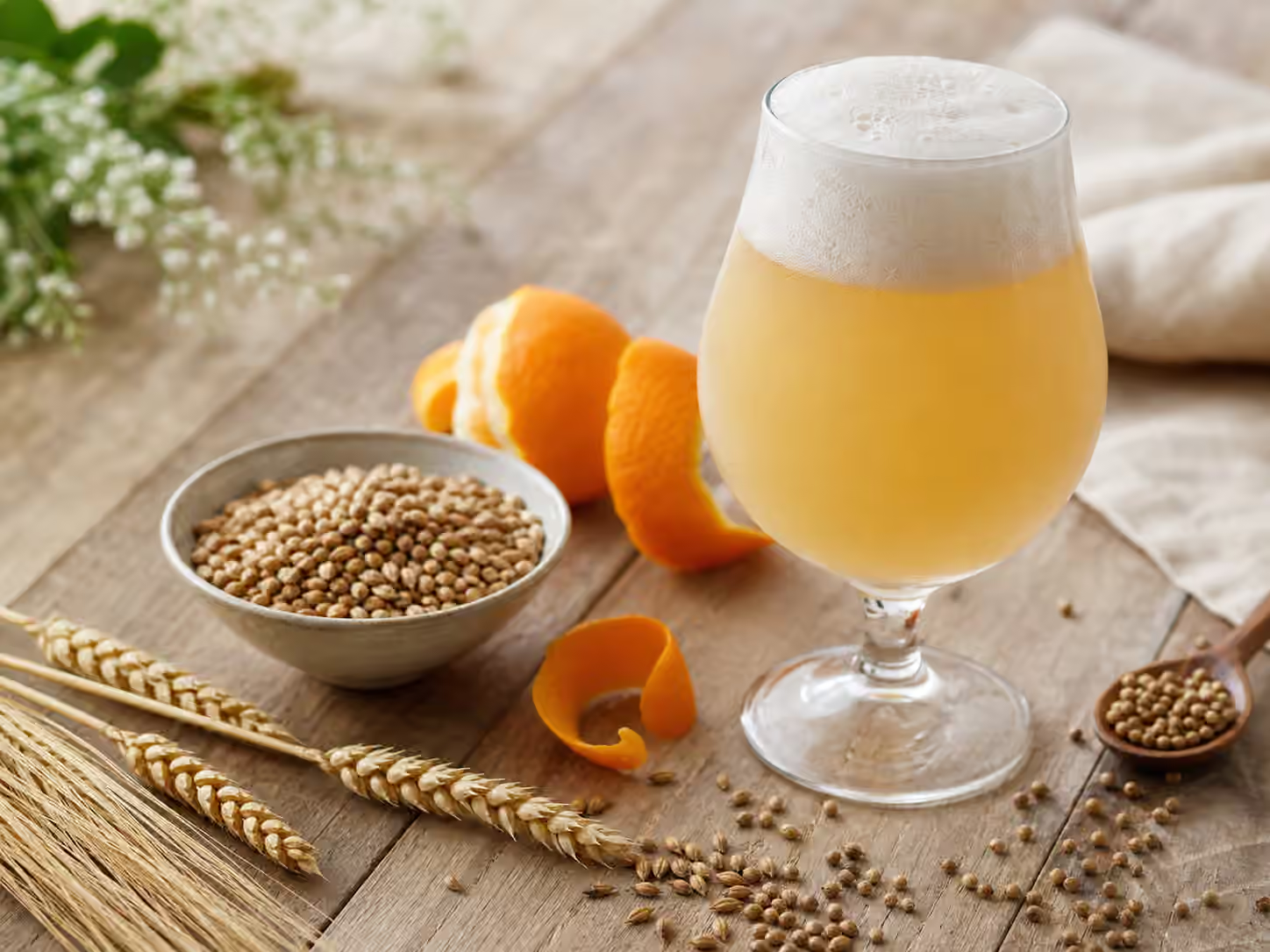
Tripel is one of beer’s great lessons in appearance. It is often golden, bright, and crowned with a tall white head, yet it can be stronger than many dark ales. Pale color does not mean low alcohol. The beer may smell like pear, apple, banana, pepper, clove, honey, flowers, bread dough, and light alcohol. The body should be firm but not sticky. The finish should be dry enough that the strength feels almost concealed.
Simple sugar is central to that shape. Sugar can raise alcohol while lightening body because it ferments thoroughly. That sounds backwards if you think sugar always means sweetness, but in fermentation it often means the opposite. Yeast turns much of that sugar into alcohol and carbon dioxide, leaving the beer drier than an all-malt beer of the same strength might be. In tripel, the result can be dangerous elegance: a beer that drinks with sparkle while carrying real power.
Carbonation is not decoration here. It lifts aroma, sharpens the finish, and gives the beer its champagne-like movement. A flat tripel can taste sweet, heavy, and hot. A well-conditioned one feels vertical, with foam, spice, fruit, alcohol, and bitterness rising together. Serve it too cold and the aroma shuts down. Serve it too warm and the alcohol may sprawl. A tulip, goblet, or wine glass gives the beer room to open without forcing a large pour.
Quadrupel: Depth Without Collapse
Quadrupel is not a perfectly fixed historical category, but drinkers use it for strong dark Belgian-style ales with deep malt, dark fruit, high strength, and a slow-sipping pace. It may overlap with Belgian dark strong ale. Names are less important than the balance in the glass. A good quadrupel can suggest raisin, date, fig, caramel, molasses, bread crust, clove, pepper, vanilla-like warmth, and soft alcohol. It should feel full, but it should still have structure.
The risk is excess. Too much residual sweetness makes the beer exhausting. Too much alcohol heat makes it rough. Too little carbonation makes it sag. Too much spice can turn perfumed. When quadrupel works, it feels integrated. Malt gives depth, sugar keeps the body from becoming gluey, yeast adds fruit and spice, and carbonation makes a strong beer feel composed.
This is a beer for smaller pours. A full pint misses the point. Share a bottle, use stemmed glasses, and let the beer warm gradually. Notice how the first cold sip emphasizes carbonation and sweetness, while later sips may reveal dried fruit, bread, spice, and warmth. That slow change is part of the style’s value.
Yeast Is The Signature
The family resemblance across dubbel, tripel, and quadrupel comes from expressive yeast. Esters can suggest fruit. Phenols can suggest pepper, clove, or spice. Fermentation temperature, yeast strain, wort composition, oxygen, and conditioning all shape the final aroma. This is why Belgian-style beer can taste spiced even when no spice was added. The flavor may come from yeast metabolism rather than a recipe addition.
The distinction helps when reading labels. A tripel with coriander or orange peel may be delicious, but spice is not required. A dubbel with dark sugar may taste like dried fruit without any fruit. A quadrupel may carry vanilla-like notes without vanilla. Before assuming an ingredient was added, ask whether malt, sugar, yeast, alcohol, and age could explain the flavor.
Bottle conditioning adds another layer. Yeast in the package can create fine carbonation, subtle development, and sediment. Pouring carefully lets you decide how much sediment enters the glass. Some drinkers like the final cloudy ounce because it adds texture and yeast aroma. Others prefer to leave it behind. There is no single rule that fits every bottle, but there is a useful habit: pour most of the beer clear, taste it, then decide whether the sediment belongs in this serving.
Buying And Serving With Care
These beers reward patience, but patience is not the same as indefinite aging. Some strong Belgian-style ales develop beautifully over time, especially when bottle conditioned and stored cool, dark, and steady. Others lose freshness, become papery, or turn overly sweet as balance shifts. If you want to age a bottle, buy more than one when possible. Drink one fresh enough to learn the brewer’s intent, then save another only if the style, package, and storage make sense.
Food can make these beers clearer. Tripel works with mussels, roast chicken, washed-rind cheese, fries, and dishes with herbs because carbonation and dryness cut through richness. Dubbel likes pork, mushrooms, lentils, and nutty cheese. Quadrupel can sit with blue cheese, slow-cooked meat, dried fruit desserts, or a quiet end to a meal. Beer and Food Pairing covers the larger pattern, but the practical idea is simple: match intensity, then use carbonation and dryness to keep the pairing from becoming heavy.
Dubbel, tripel, and quadrupel are not just stronger steps on a ladder. They are different answers to the same problem: how to carry depth, alcohol, yeast character, and drinkability in one glass. Dubbel leans dark and rounded. Tripel is golden and deceptively dry. Quadrupel is deep, slow, and warming. The names help you order, but the balance tells you whether the beer is doing the work.