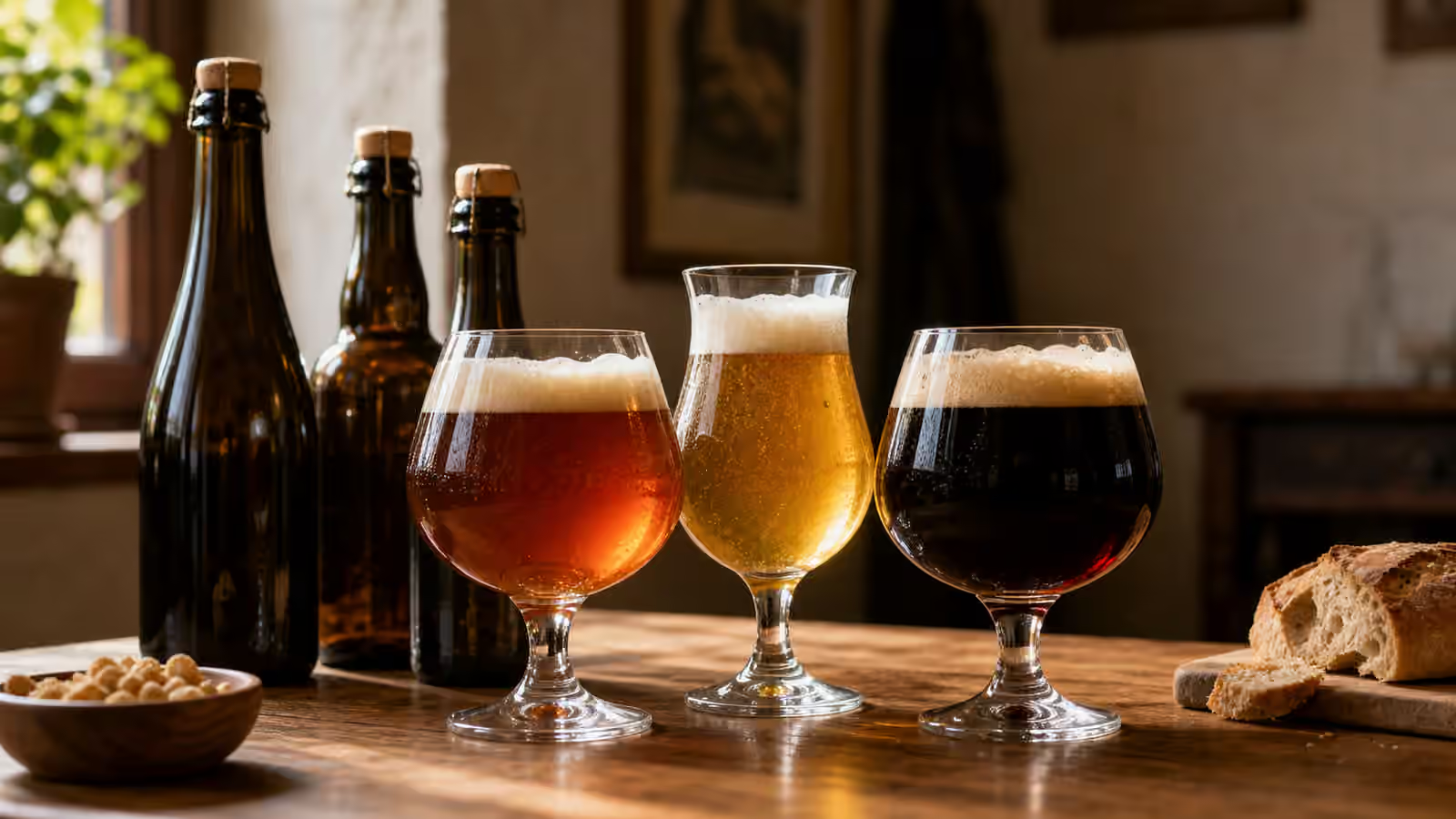
Belgian beer is not one flavor. It is a broad family of brewing habits, yeast traditions, glassware, strength, dryness, spice, fruit, foam, and patience. A Belgian-style beer might be pale and peppery, dark and raisiny, tart and rustic, cloudy with wheat, or golden and deceptively strong. The thread that ties many of these beers together is not color or bitterness. It is fermentation character, and especially the way yeast can make beer taste alive without needing a pile of added ingredients.
This is why Belgian beer can confuse drinkers who learned beer through pale lager, IPA, stout, or wheat beer alone. The familiar markers do not always lead. Bitterness may be present but not dominant. Malt may support rather than weigh down the beer. Alcohol may be high but hidden by carbonation and dryness. A beer can smell like pear, pepper, clove, honey, orange peel, hay, plum, bread crust, or light funk, and much of that character may come from yeast and fermentation rather than fruit bowls or spice jars.
The broader Beer Styles Guide gives the map. This guide slows down in one corner of it, because Belgian beer rewards a different kind of attention.
Yeast Is The Accent
In many clean lagers, yeast is successful because it stays quiet. In many Belgian ales, yeast speaks clearly. During fermentation, Belgian ale strains can create fruity esters and spicy phenols that become central to the beer’s identity. Those words sound technical, but the glass makes them practical. Esters can read as pear, apple, banana, citrus, stone fruit, or dried fruit. Phenols can read as pepper, clove, allspice, or a lightly medicinal edge when they are pushed too far.
The guide to Understanding Yeast explains the mechanics, but the tasting habit is simple. Smell the beer before deciding what it is. If a golden beer smells peppery and fruity, do not assume something has been added. If a dark beer carries raisin, plum, and spice, the yeast may be working with dark malt and fermentation temperature to build that impression.
Carbonation matters too. Many Belgian-style beers are lively, with a tall head and a prickly lift on the tongue. That carbonation makes strong beer feel lighter, pushes aroma upward, and helps a dry finish feel refreshing instead of thin. A flat Belgian-style ale can taste heavy and sweet because one of its main structural beams is missing.
Witbier And Saison Show The Lighter Side
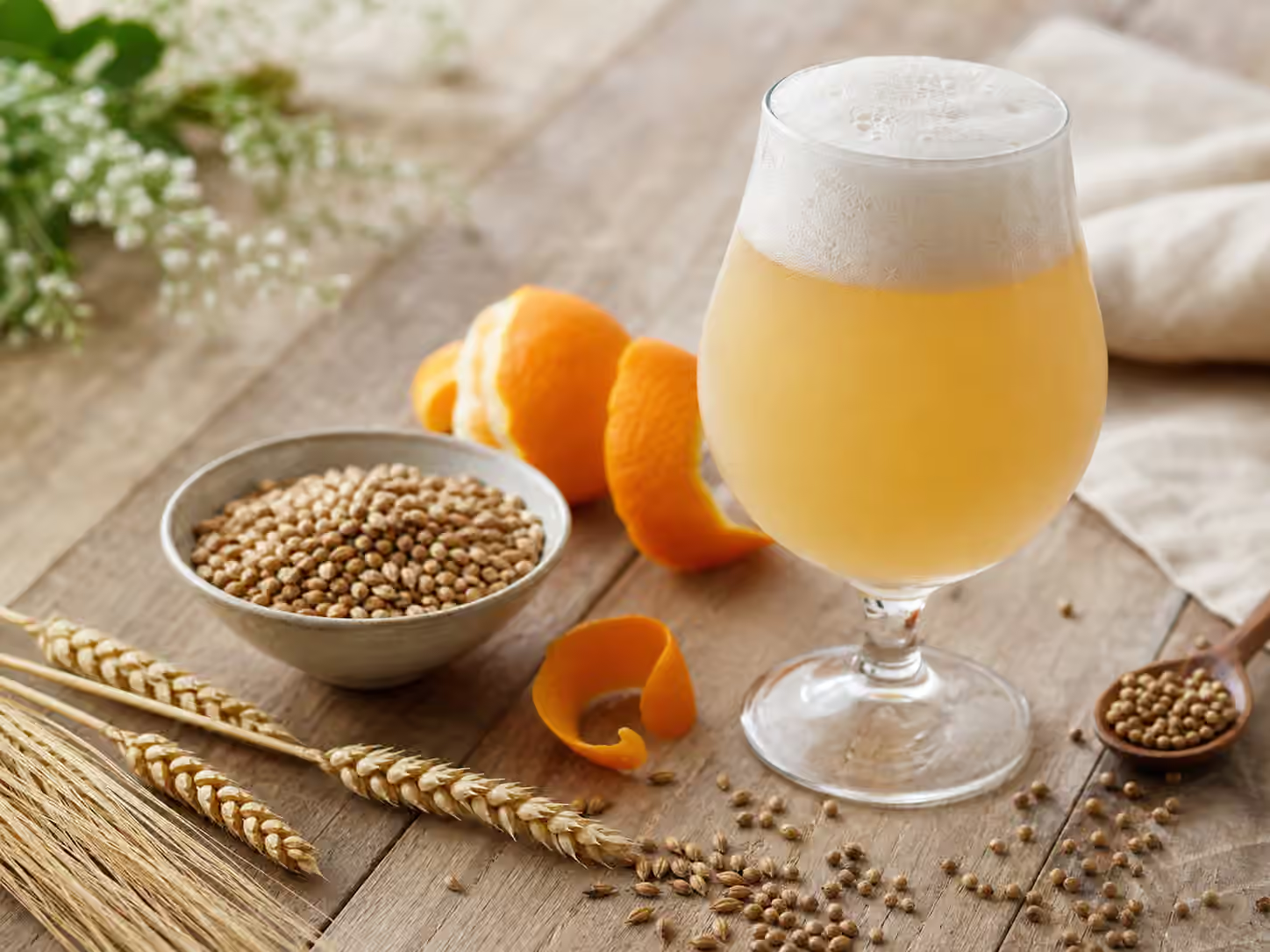
Witbier is a cloudy wheat beer with a soft body, pale color, bright carbonation, and a gentle citrus-spice impression. Traditional examples often include coriander and orange peel, but the best versions do not feel like spiced lemonade. They feel like wheat, yeast, citrus, and foam working together. If you already know the banana-and-clove profile of hefeweizen from the guide to Wheat Beer , witbier shows a different wheat path: lighter, zippier, and more herbal.
Saison can be harder to pin down because it stretches from delicate farmhouse-inspired beer to stronger, drier, more rustic expressions. The common pleasure is dryness. A good saison often smells peppery, fruity, grassy, earthy, or lightly tart, then finishes cleaner and leaner than the aroma suggests. It can be one of the most food-friendly beers because it has enough flavor to meet roast chicken, salads, seafood, soft cheeses, and herbs, but enough dryness to reset the palate.
Some saisons and farmhouse ales carry a little funk or acidity, especially when mixed fermentation is involved. That does not make every saison a sour beer. It means the family has room for rustic edges. If acidity becomes the main subject, the guide to Sour Beer is the better next stop.
Abbey-Style Ales Are Built On Depth
Abbey-style language can be messy because it blends brewing tradition, monastic association, commercial naming, and modern interpretation. For the drinker, the most useful terms are dubbel, tripel, and strong dark ale. They do not describe a neat ladder of color or strength in the way the names seem to imply, but they do point toward reliable expectations.
Dubbel is usually amber to dark brown, moderately strong, malty, fruity, and dry enough to avoid becoming syrupy. The flavors often suggest bread crust, caramel, raisin, fig, plum, light chocolate, and baking spice. A good dubbel is not a dessert beer. It has sweetness, but it also has fermentation character and carbonation that keep it moving.
Tripel is usually pale gold, strong, highly carbonated, fruity, spicy, and surprisingly dry. The first surprise for many drinkers is that a beer this strong can look so light. The second is that the alcohol can be hidden behind peppery yeast, honey-like malt, floral notes, and a clean finish. This is where the guide to Beer Strength, Body, and Balance becomes useful. Strong does not always mean thick, dark, or sweet.
Strong dark ale and quadrupel-style beers move deeper, with dark fruit, caramelized sugar, warming alcohol, and a broad malt impression. The best versions are rich but not clumsy. They can taste like fig, date, toffee, cocoa, spice, and dark bread while still finishing with enough carbonation and attenuation to keep the next sip inviting.
Sugar Can Make Beer Drier
One surprise in Belgian-style brewing is the role of sugar. Drinkers often hear sugar and imagine sweetness, but fermentable brewing sugars can make a beer stronger while leaving it drier and lighter in body. Yeast consumes the sugar and turns it into alcohol and carbon dioxide. The result can be a strong beer that does not carry the same fullness it would have if all the gravity came from malt.
This is part of the reason tripels and strong golden ales can feel so bright despite their strength. The beer may have a pale malt base, expressive yeast, high carbonation, and a dry finish. The alcohol is real, but the body does not always announce it. That makes serving size and pace important. A strong Belgian-style ale deserves the same respect you would give any strong drink, even when the glass feels lively and elegant.
Bottle Conditioning Changes The Pour
Many Belgian-style beers are bottle conditioned, which means yeast is present in the package and helps create carbonation after packaging. This can add fine bubbles, long-lasting foam, and a living sense of aroma. It can also leave sediment at the bottom of the bottle.
Sediment is not automatically a flaw. It may be part of the beer’s condition. The choice is how much of it you want in the glass. Pouring gently can leave most sediment behind, keeping the beer clearer and sometimes cleaner in flavor. Swirling the final ounce can bring yeast into the last glass, adding texture and a more rustic note. Neither choice is morally correct. The beer, the setting, and your preference decide.
If bottle conditioning is new to you, read Bottle-Conditioned Beer before opening an expensive or delicate bottle. A careful pour can preserve what the brewer intended.
How To Taste Belgian Beer
Belgian-style beer benefits from a glass with room for aroma. A tulip, goblet, or wine glass works better than drinking straight from the bottle because the nose is half the story. Temperature matters as well. Ice-cold service can mute yeast spice, malt depth, and fruit character. Slightly cool is often better than refrigerator-cold, especially for stronger examples. Serving and Storage gives broader temperature guidance, but the Belgian habit is to let the beer open gradually.
Start with aroma, then look at foam, carbonation, color, and clarity. Take a sip large enough to feel the carbonation. Notice whether the sweetness fades or lingers. Notice whether spice feels peppery and dry, or clove-like and round. Notice whether the alcohol warms gently or dominates. In good examples, the moving parts do not blur into sweetness. They line up: yeast, malt, carbonation, dryness, strength, and finish.
Belgian beer teaches that beer can be expressive without being loud. It can be strong without feeling heavy, spiced without tasting like a spice cabinet, fruity without added fruit, and traditional without being frozen in time. The best way in is not to memorize every name. It is to taste for the yeast accent, the dry finish, the lively carbonation, and the way the beer changes as it warms in the glass.