The Ritual of Attention
There’s a moment, just after the pour, when the beer settles and the foam crowns the glass. Most people miss it entirely—already lifting, already drinking, already somewhere else. But for those who pause, who truly look, an entire world reveals itself.
Beer tasting isn’t pretension. It isn’t snobbery. It’s simply the practice of paying attention—transforming the mundane act of drinking into something richer, something memorable. The techniques you’ll learn here are the same ones used by professional judges, master brewers, and certified Cicerones. But they’re also accessible to anyone willing to slow down and engage their senses.
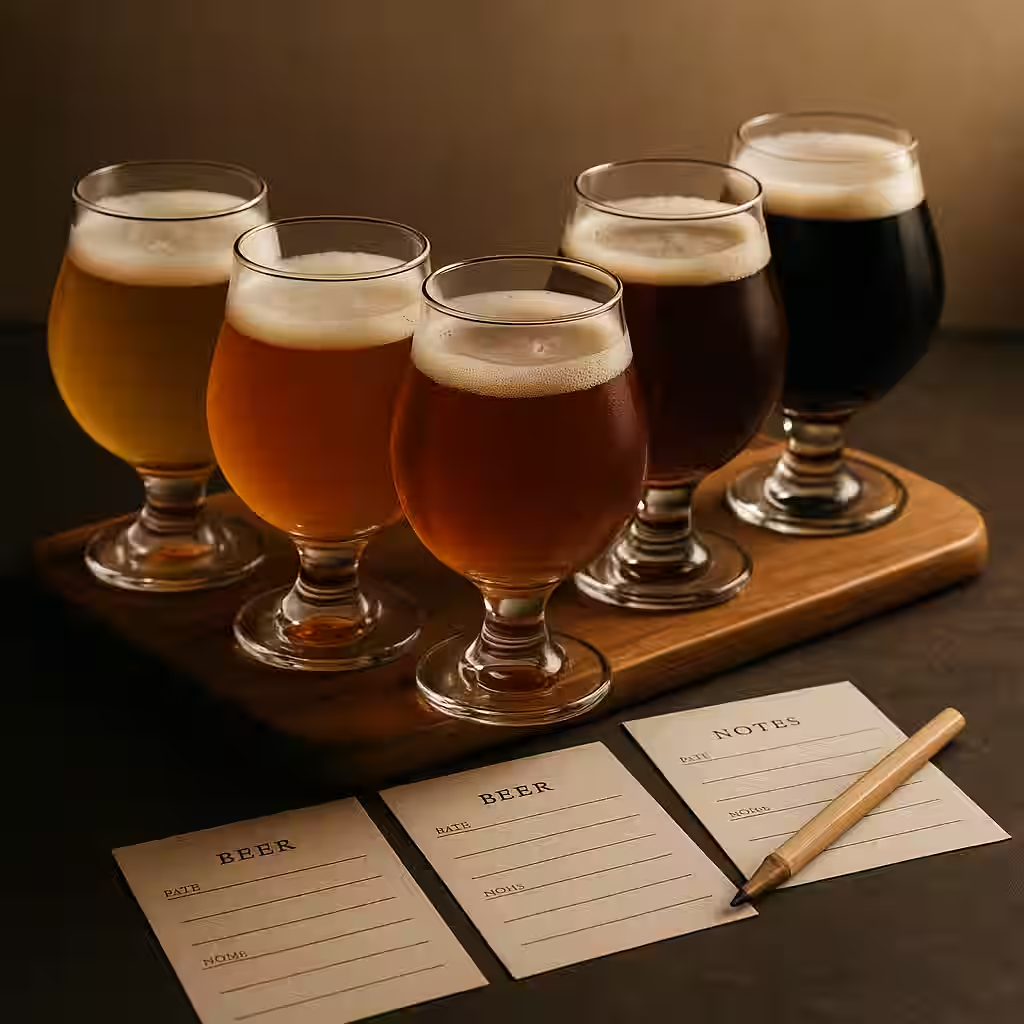
This guide follows the Four A’s of Beer Tasting: Appearance, Aroma, Taste, and Aftertaste. Master these, and you’ll never drink beer the same way again.
Appearance: Reading the Glass
Before the liquid touches your lips, it tells you a story. Hold the glass up to the light—natural light if possible—and observe.
The Spectrum of Color
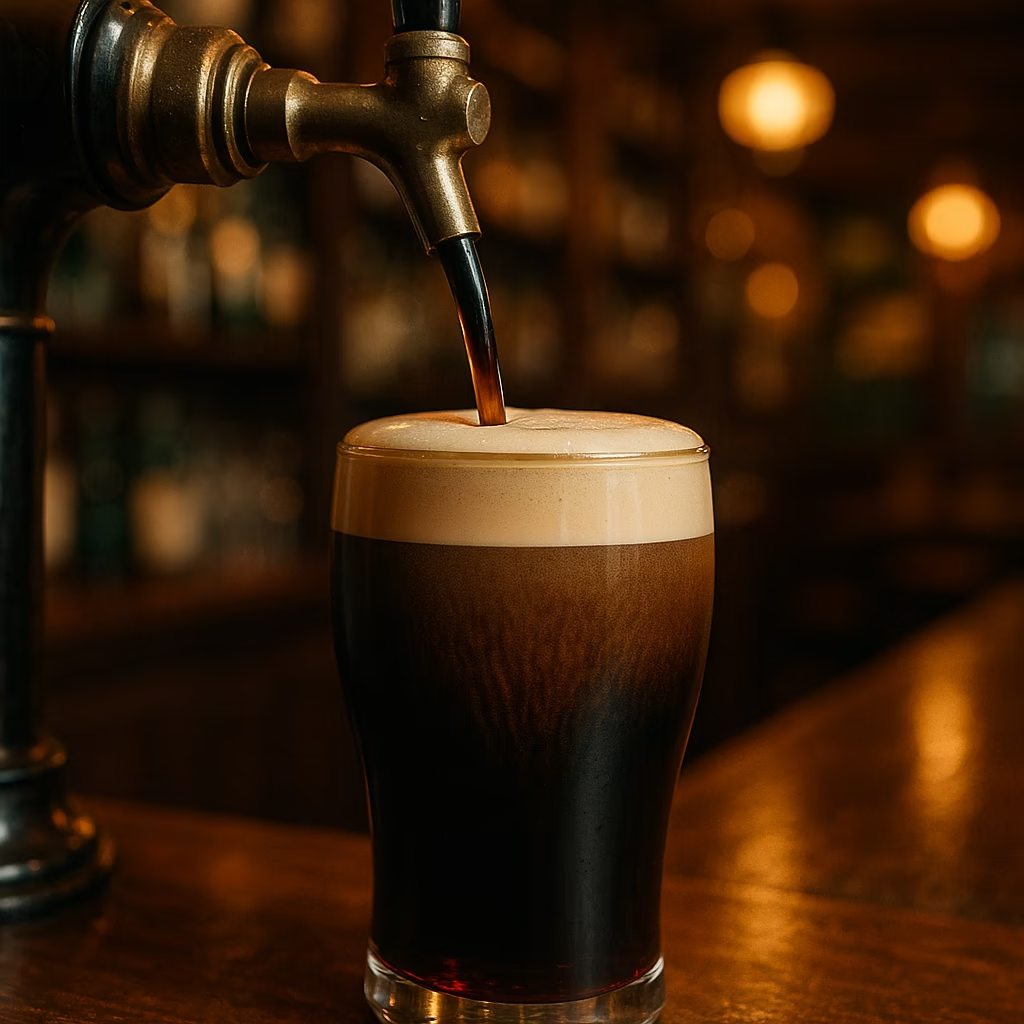
Beer spans from pale straw to impenetrable black, and every shade carries meaning. That honey-gold glow? Likely a pilsner or pale ale, lightly kilned malts preserving the barley’s natural color. Deep amber with ruby highlights? The caramel and crystal malts have been at work. Opaque darkness? Roasted malts, chocolate malts, black patent—the territory of stouts and porters.
But here’s what surprises people: darker doesn’t mean stronger. A towering imperial stout might reach 12% ABV, but so might a golden Belgian tripel. Color reflects the malt bill, not the alcohol.
The Question of Clarity
Some beers gleam like gemstones, light passing through without interruption—the pride of lager brewers who spend weeks cold-conditioning for crystal clarity. Others wear their cloudiness as a badge of honor: the suspended yeast of a Bavarian hefeweizen, the protein haze of a New England IPA, the intentional murkiness of a Belgian witbier.
Neither is better. But knowing what to expect for a given style helps you identify whether the beer in your hand is what the brewer intended.
The Crown: Head and Lacing
That foam cap isn’t just decorative. It tells you about carbonation, protein content, and freshness. A thick, persistent head—measure it in finger-widths—suggests a well-made beer with proper proteins and carbonation. The color should roughly match the beer itself: white to off-white for pale beers, tan to brown for darker ones.
Watch what happens as you drink. Does foam cling to the glass in rings, like tide marks on a beach? That’s lacing, and it’s a sign of quality proteins and proper glassware. If the head collapses instantly and leaves nothing behind, you might have a stale beer—or a dirty glass.
Aroma: The Nose Knows More Than You Think
Here’s a secret that professionals understand: aroma accounts for 70-80% of flavor perception. Everything we call “taste” is really a collaboration between tongue and nose, with the nose doing most of the heavy lifting.
This means the swirling and sniffing that might seem theatrical is actually the most important part of tasting.
The Art of Smelling
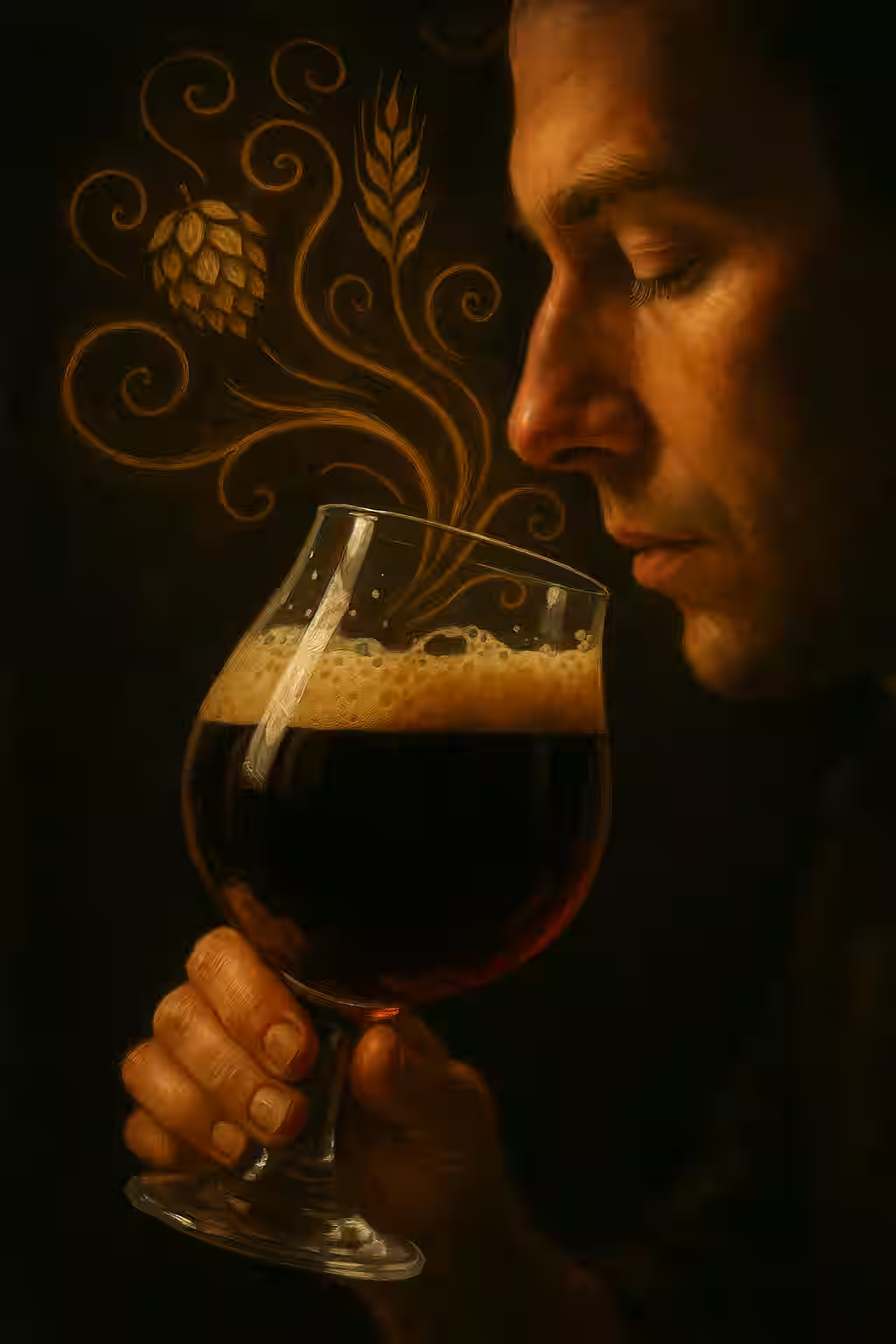
Start with a gentle inhale—don’t plunge your nose into the glass and sniff aggressively. The delicate volatiles you’re looking for dissipate quickly when overwhelmed. Take short, quick sniffs rather than one long breath.
Now give the glass a gentle swirl, agitating the liquid to release more aromatics. Sniff again. The aroma may have changed, opened up, revealed new layers.
Between beers, give your nose a break. Smell your own forearm (surprisingly effective at resetting the olfactory system), or keep a container of coffee beans nearby.
What You’re Smelling
Hop aromatics arrive in endless variation:
- Floral notes: rose, geranium, lavender, perfume
- Citrus: grapefruit, orange peel, lemon zest, lime
- Tropical: mango, passionfruit, pineapple, guava, lychee
- Piney: resinous, evergreen, forest floor
- Earthy: herbal, grassy, hay, tea-like
- Dank: the cannabis-adjacent character of certain American hops
Malt aromatics create the foundation:
- Grain: fresh bread, crackers, Grape-Nuts cereal
- Sweet: caramel, toffee, honey, molasses
- Toasted: bread crust, biscuit, toast
- Roasted: coffee, cocoa, dark chocolate, char
Yeast character adds complexity:
- Fruity esters: banana, apple, pear, stone fruit, tropical notes
- Spicy phenolics: clove, white pepper, smoke
- Clean: the intentional absence of yeast character in most lagers
Barrel aging and special processes bring additional layers: vanilla and coconut from oak, bourbon sweetness from whiskey barrels, the funky barnyard of Brettanomyces wild yeast.
Recognizing Problems
Certain aromas signal something’s gone wrong:
- Skunky: light-struck beer, usually from clear or green bottles exposed to sunlight
- Cooked corn or vegetables: DMS, often from poor boiling or contamination
- Vinegar: bacterial infection (unless it’s an intentional sour)
- Wet cardboard: oxidation, the enemy of fresh beer
Taste: The Symphony on Your Tongue
Now, finally, we arrive at the moment of drinking. But don’t rush it. Let the beer coat your entire mouth—tongue, cheeks, palate, gums. Breathe gently through your nose as you swallow, allowing retronasal olfaction to enhance the experience.
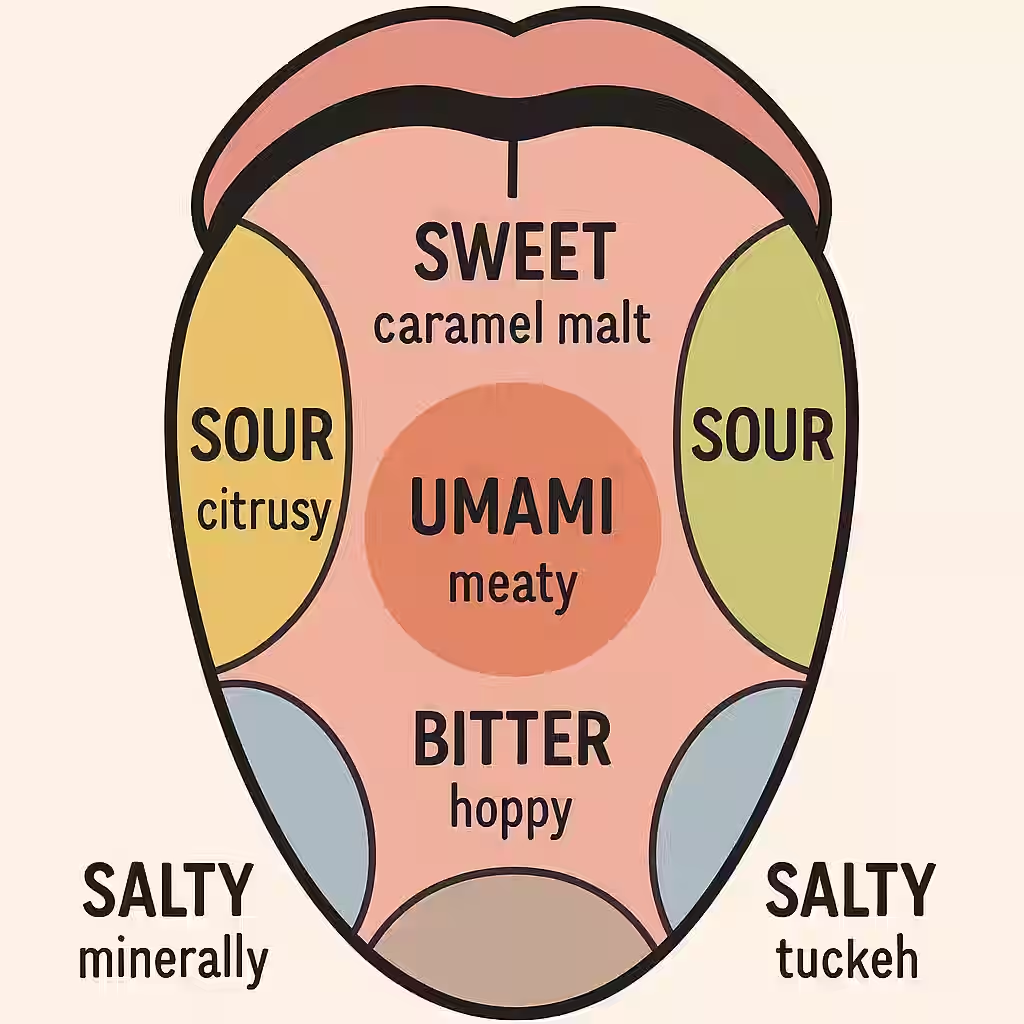
The Five Fundamental Tastes
Your tongue detects five basic tastes, and beer can express all of them:
Sweet arises from residual sugars—the malt sweetness that balance hops, the lactose in a milk stout, the unfermented sugars in a bigger beer. A dry beer ferments most sugars away; a sweet beer leaves more behind.
Bitter comes primarily from hops and occasionally from roasted malts. Some palates are more sensitive to bitterness than others, which partly explains why IPAs inspire both devotion and disgust.
Sour appears in the obvious places—Berliner weisse, gose, lambic—but also subtly in the acidity that makes certain beers refreshing rather than cloying.
Salty is rare but present, most notably in gose, an ancient German style that includes actual salt and coriander.
Umami, that savory, meaty, almost indescribable fifth taste, shows up in aged beers and wild fermentations, adding depth and complexity.
The Texture of Beer
Flavor isn’t just about taste and aroma—it’s about how the beer feels in your mouth.
Body describes the beer’s weight and fullness. A light-bodied beer feels almost watery, quenching and crisp—think session lagers and Berliner weisse. A full-bodied beer coats the palate, rich and chewy—the territory of imperial stouts and barleywines.
Carbonation provides texture through bubble size and intensity. High carbonation prickles and effervesces, champagne-like. Low carbonation feels smooth and soft, as in cask-conditioned ales or nitro stouts, where nitrogen creates that famous creamy cascade.
Special textures emerge from certain ingredients: the silky smoothness of oats, the creamy richness of lactose, the warming heat of elevated alcohol.
The Art of Balance
The greatest beers achieve equilibrium. Malt sweetness counterbalances hop bitterness. Alcohol warmth complements rather than overwhelms. Sourness meets residual sugar. Full body pairs with appropriate carbonation.
When tasting, ask yourself: does anything dominate inappropriately? Does the beer feel complete, or is something missing?
Aftertaste: The Lingering Goodbye
Swallow the beer. Now pay attention to what happens next.
How Long Does It Stay?
A short finish fades within five seconds—the beer says hello and goodbye almost immediately. This isn’t necessarily bad; many session beers are designed for quick refreshment without demanding contemplation.
A medium finish lingers pleasantly for ten to thirty seconds, evolving slightly as it fades. This is where most quality beers live.
A long finish continues for thirty seconds or more, developing and transforming, revealing new aspects of the beer’s character. Great barleywines and imperial stouts often finish this way, offering a meditative experience.
What Does It Leave Behind?
The character of the aftertaste matters as much as its length:
Clean finishes fade to neutral, leaving you ready for the next sip. Most lagers aim for this effect.
Dry finishes leave your mouth wanting moisture—the signature of highly attenuated beers and aggressive hop bitterness.
Bitter finishes persist with hop character, the calling card of West Coast IPAs.
Sweet finishes linger with malt or lactose character, as in dessert stouts or strong Belgian ales.
Warming finishes build alcohol heat, appropriate for strong beers but a flaw in session ones.
The Final Question
Would you take another sip? Would you drink another glass? The answer reveals whether a beer succeeds at its intended purpose.
Bringing It All Together
A Framework for Any Beer
When formally evaluating beer, consider this structure:
Appearance (10% of assessment): Color, clarity, head formation and retention, carbonation visible in the glass.
Aroma (30%): Hop character, malt character, yeast character, any additional aromatics, overall intensity.
Flavor (40%): Malt flavors, hop flavors, balance between elements, mouthfeel and body, flavor intensity.
Finish (20%): Length, quality, aftertaste character.
The Art of Comparison
Single beers can be evaluated, but comparison reveals nuances invisible in isolation.
Same style, different brewers: Taste three IPAs side by side and you’ll discover how much interpretation varies within a style. One brewer emphasizes tropical fruit; another goes pine and resin; a third balances malt more prominently.
Style progression: Taste a pale ale, then an IPA, then a double IPA. Notice how characteristics escalate in intensity while maintaining stylistic DNA.
Regional contrast: Compare an English IPA with an American one, or a German hefeweizen with an American wheat. Geography and brewing tradition shape beer as much as ingredients.
Creating the Right Conditions
Even the finest beer suffers from poor presentation. Give your beer every advantage.
Temperature: The Hidden Variable
Most people drink beer too cold. Refrigerator temperature—around 38°F—numbs the tongue and mutes aromatics. Only the lightest lagers benefit from this treatment.
| Beer Style | Ideal Temperature | Why |
|---|---|---|
| Light Lagers, Pilsners | 38-45°F | Crispness and refreshment |
| IPAs, Pale Ales | 45-50°F | Balance between hop expression and drinkability |
| Ambers, Browns | 50-55°F | Malt complexity emerges |
| Stouts, Porters | 50-55°F | Roasted flavors need warmth |
| Strong Belgians, Barleywines | 50-55°F | Complex esters and alcohol integration |
| Imperial Stouts | 55-60°F | Full richness revealed |
If your beer seems muted, cup the glass in your hands for a minute. The warmth will often unlock hidden dimensions.
The Glass: More Than Aesthetics
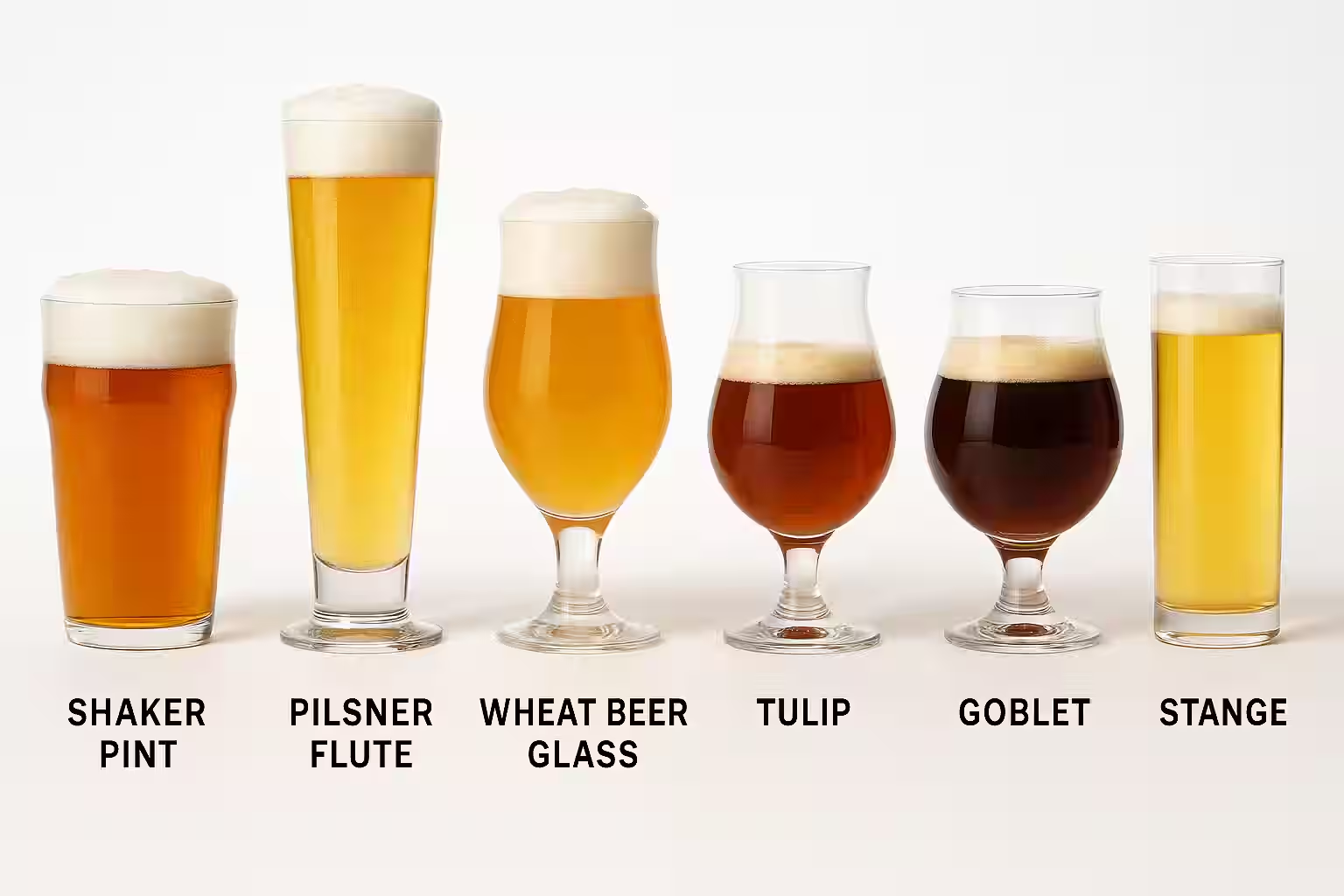
Different glasses serve different purposes:
Tulips and goblets capture and concentrate aromas, making them ideal for aromatic styles like IPAs and Belgian ales. The narrow opening funnels volatiles toward your nose.
Pilsner glasses—tall, tapered, elegant—showcase clarity and maintain carbonation while providing enough surface area for aroma release.
Snifters warm beer in the hand while concentrating intense aromatics. Perfect for barleywines and imperial stouts meant to be sipped slowly.
Shaker pints are everywhere because they’re cheap and durable, not because they’re optimal. They work fine for casual drinking but don’t enhance anything.
Whatever glass you use, ensure it’s scrupulously clean. Soap residue, lipstick marks, or kitchen grease will destroy head retention and mute flavors.
The Pour: A Small Ceremony
- Start with a cold-rinsed glass (optional but professional)
- Hold the glass at 45 degrees
- Pour down the side, gentle at first
- As the glass fills, gradually straighten it
- Finish by pouring into the center, creating one to two fingers of foam
That head isn’t waste—it’s concentrated aroma, texture, and flavor compounds. Don’t avoid it.
Training Your Palate
Like any skill, tasting improves with practice. But not all practice is equal.
The Discipline of Attention
Taste actively, not passively. Every beer is an opportunity to practice, but only if you engage with it consciously.
Take notes. Writing forces precision. Instead of “smells good,” describe what you smell. Your tasting vocabulary will expand remarkably fast.
Taste when sober and rested. Alcohol dulls perception, and a fatigued palate is an unreliable one.
Avoid strong flavors before tasting. Coffee, spicy food, mint toothpaste—all can interfere for hours.
Building Your Sensory Library
Visit a homebrew shop and ask to smell fresh hops. Taste different malts if a brewer will let you. Buy an aroma training kit. In everyday life, consciously identify the components of coffee, wine, food, flowers.
The more flavors you name and remember, the more you’ll recognize in beer.
The Value of Company
Tasting with others exposes you to different sensitivities and vocabularies. What you miss, someone else catches. Their descriptions help you articulate your own perceptions.
Beer, at its heart, is social. Share it. Discuss it.
Common Mistakes and How to Avoid Them
Tasting too cold: If the beer seems flat and flavorless, warm it up.
Dirty glassware: That collapsing head isn’t the beer’s fault—it’s the invisible residue in your glass.
Rushing: The ritual of tasting takes time. Build observation into your drinking.
Wrong order in a flight: Always taste light to dark, low ABV to high. Big beers overpower delicate ones.
Palate fatigue: After four or five beers, accuracy declines. Cleanse with water and plain crackers. Rest before continuing.
Overthinking: Sometimes beer is just delicious. Not every sip requires analysis.
Practice Makes Perfect
Your Assignment
Host your own tasting:
- Select three beers from different style families—perhaps a pilsner, an IPA, and a stout
- Serve at proper temperatures in appropriate (clean!) glassware
- Work through the Four A’s for each beer
- Take detailed notes
- Compare your impressions with online reviews or tasting notes
The more you taste with intention, the more you’ll discover in every glass. What was once “beer” becomes a spectrum of experiences, each worthy of attention.
Continue Your Journey
- Test your knowledge with our Beer Tasting Quiz
- Explore the Complete Beer Styles Guide
- Learn the art of Food & Beer Pairing
- Build your vocabulary with the Beer Glossary