Introduction
Understanding beer styles is the foundation of beer appreciation. Whether you’re staring at a tap list with thirty handles or browsing the shelves at a well-stocked bottle shop, knowing your styles transforms a bewildering wall of labels into a menu you can actually navigate. This comprehensive guide walks you through the major beer families and their defining characteristics, so you can order with confidence—and maybe even impress the bartender.
The Two Main Families
All beers fall into two primary categories based on yeast type, and once you understand this split, the rest of the beer world starts to make a lot more sense.
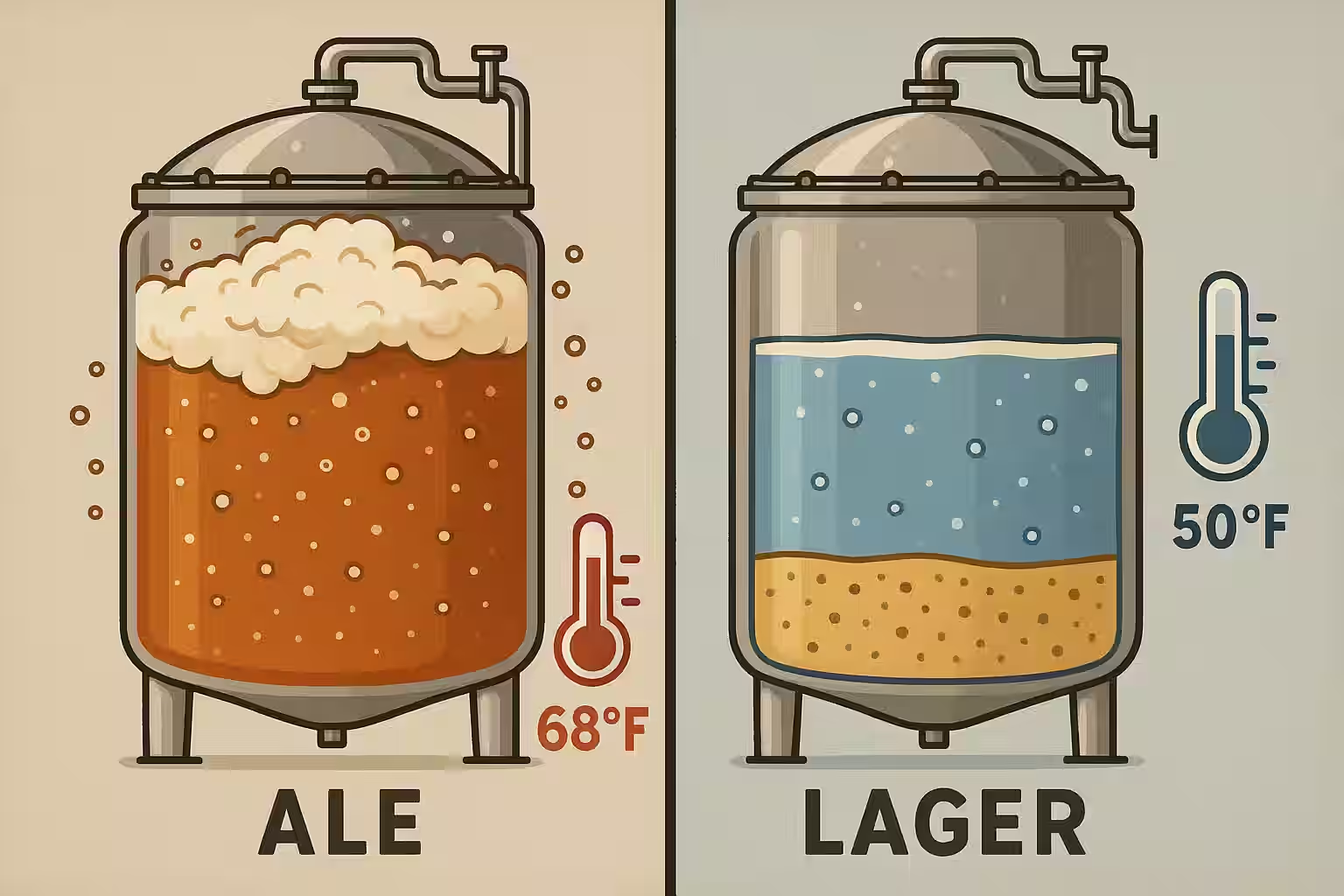
Ales are fermented with top-fermenting yeast at warmer temperatures, typically between 60 and 75°F. That warmth encourages the yeast to produce fruity esters and other flavor compounds, which is why ales tend to be more complex, fruity, and robust. Think of ales as the expressive, outgoing side of the beer family.
Lagers take the opposite approach. They rely on bottom-fermenting yeast working at cooler temperatures, usually 45 to 55°F. The cold, slow fermentation produces a cleaner, crisper beer with fewer yeast-driven flavors. If ales are the loud ones at the party, lagers are the cool, composed friend everyone appreciates once they get to know them.
Lager Styles
Pilsner
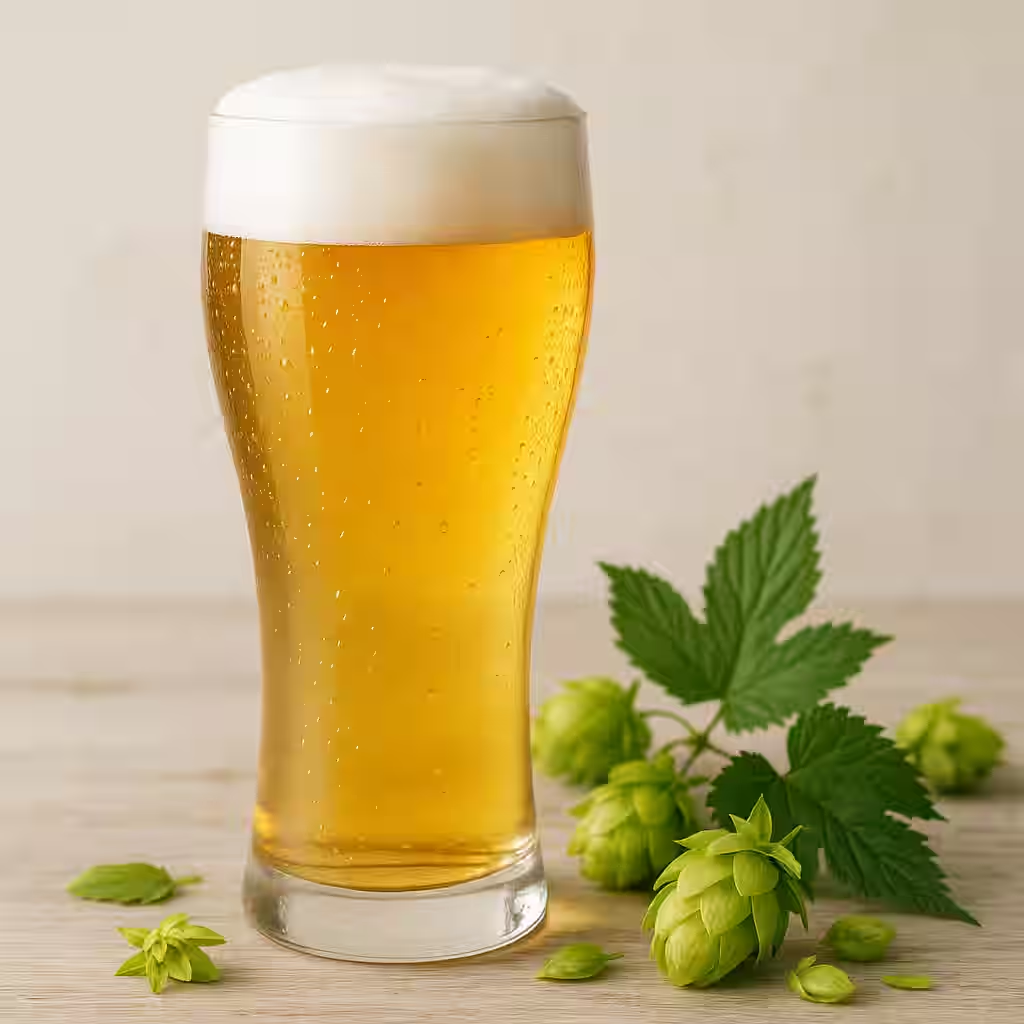
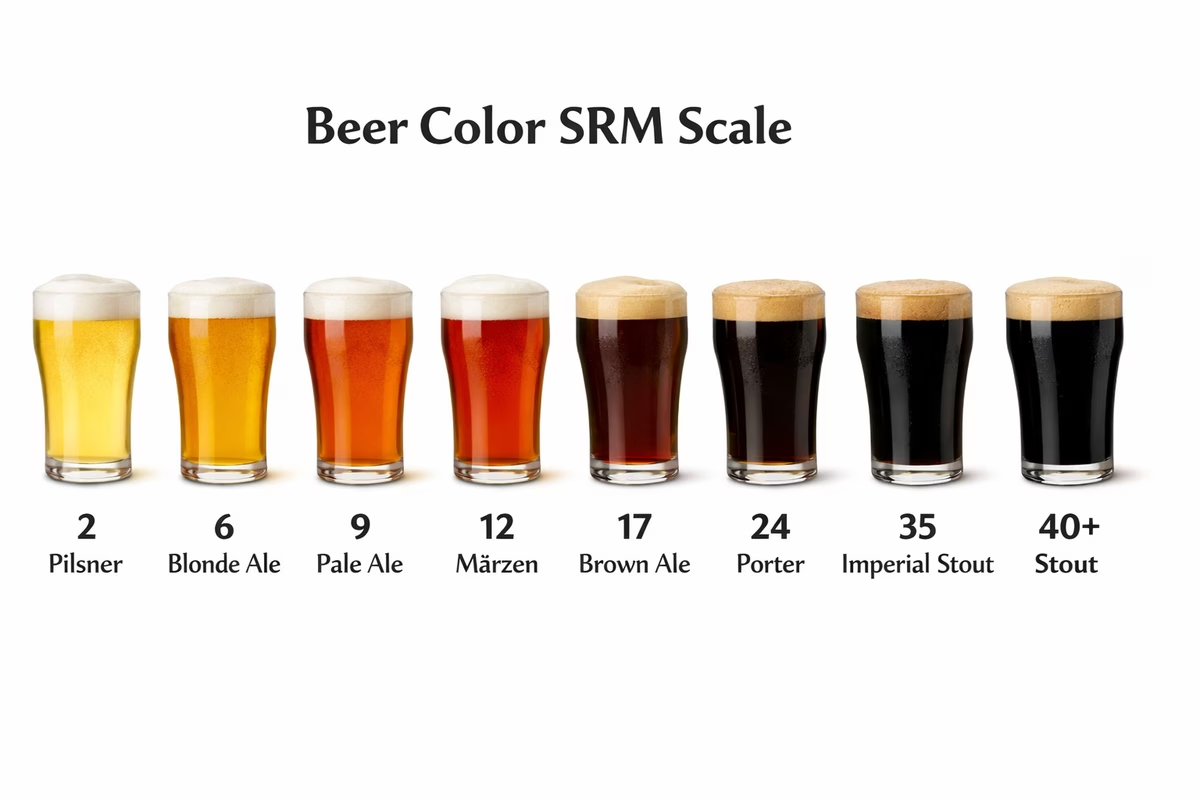
The world’s most popular beer style was born in Pilsen, Czech Republic in 1842, and it has been conquering taste buds ever since. A good Pilsner pours a pale gold with crystal clarity—if you can’t read a newspaper through it, something went wrong. The ABV typically sits between 4 and 5.5%, and the bitterness lands in the 25 to 45 IBU range. The flavor is crisp and clean with a moderate hop bitterness that keeps things interesting without overwhelming the palate. On the malt side, expect a light, slightly sweet, bready character. The hops tend toward floral and spicy notes, especially when traditional Saaz hops are used.
There are two main sub-styles worth knowing. Czech (or Bohemian) Pilsner leans a bit more malt-forward with a slightly sweet, golden character, while German Pilsner goes drier and more hop-forward with a lighter color. If you’ve ever wondered why the same word on two different bottles can taste so different, there’s your answer. Classic examples to seek out include Pilsner Urquell, Firestone Walker Pivo Pils, and Victory Prima Pils.
Helles
Think of Helles as Munich’s laid-back answer to Pilsner. Where Pilsner shows off its hop credentials, Helles takes a mellower, more malt-focused path. It pours pale to light gold and typically lands between 4.5 and 5.5% ABV with a gentle 16 to 22 IBU. The flavor is soft and malty with a bread-like sweetness that makes it dangerously drinkable. The finish is clean and slightly sweet—perfect for a long afternoon in a beer garden. Look for Weihenstephaner Original, Paulaner Munich Lager, or Schell’s Schmaltz’s Alt to get a proper introduction.
Märzen/Oktoberfest
Märzen is the traditional festival beer that anchors every proper Oktoberfest, and its rich malt character is built for celebration. It pours a gorgeous amber to deep copper and comes in at 5 to 6% ABV with a modest 18 to 25 IBU. The flavor profile is all about toasty malt, bread crust, and a touch of caramel. The body is medium to full, giving it a satisfying weight on the palate, yet the finish is surprisingly dry despite all that malty sweetness. It’s the kind of beer that makes you want a giant pretzel in the other hand. Ayinger Oktoberfest, Samuel Adams Octoberfest, and Paulaner Oktoberfest are all excellent benchmarks.
Dunkel
Munich’s dark lager is a masterclass in smooth, malt-forward brewing. Dunkel pours copper to dark brown and sits at 4.5 to 5.6% ABV with 18 to 28 IBU. The flavor profile reads like a bakery menu: chocolate, fresh bread, nuts, and light caramel. What’s notable is what you don’t find—there’s no harsh roasted bitterness here. Despite the dark color, the finish is smooth and clean, making this one of the most approachable dark beers you’ll encounter. Ayinger Altbairisch Dunkel, Hofbräu Dunkel, and Weltenburger Kloster Barock-Dunkel are classics worth tracking down.
Schwarzbier
Germany’s black lager pulls off one of beer’s best magic tricks: it’s dark in color but light in body. Schwarzbier pours a very dark brown to black, yet it drinks with a surprising lightness that catches first-timers off guard. The ABV runs from 4.4 to 5.4%, and the bitterness sits at 22 to 32 IBU. You’ll find flavors of coffee, chocolate, and bread, all delivered with a delicate touch and a dry finish. Köstritzer Schwarzbier and Shiner Bohemian Black Lager are great places to start.
Bock Family
The Bock family represents Germany’s strong lagers, and they take malt presence to another level entirely. Traditional Bock pours copper to dark brown with an ABV of 6.3 to 7.2% and 20 to 27 IBU. The flavor is rich with toasted bread, caramel, and deep malt character, while hop presence stays deliberately low—this is the malt’s show.
Doppelbock, or “Double Bock,” cranks everything up a notch. The ABV climbs to 7 to 10%, and the malt flavors become even richer and more intense. There’s a fun tradition here: Doppelbock names traditionally end in “-ator,” a nod to the original Salvator from Paulaner. Ayinger Celebrator and Paulaner Salvator are the standard-bearers.
Maibock (or Helles Bock) is the pale, golden version of the family. It’s slightly hoppier than its darker siblings and makes for a wonderful spring seasonal. Hofbräu Maibock and Rogue Dead Guy Ale are good representatives. At the extreme end sits Eisbock, which is made by partially freezing the beer and removing ice to concentrate the malt flavors and push the ABV up to 9 to 14%. Schneider Aventinus Eisbock is a must-try if you can find it.
Ale Styles
Pale Ale Family
English Pale Ale
The English Pale Ale is where it all started—the original pale ale, balanced and wonderfully sessionable. It pours golden to amber and comes in at 4.5 to 5.5% ABV with 20 to 40 IBU. The flavor leans on biscuity malt and earthy hops, with moderate bitterness and pleasant fruity esters from the yeast. It’s the kind of beer that rewards you for slowing down and paying attention. Fuller’s London Pride and Samuel Smith’s Pale Ale are classic examples.
American Pale Ale (APA)
American Pale Ale took the English template and cranked up the hops. The color ranges from pale gold to amber, and the ABV sits between 4.5 and 6.2% with 30 to 50 IBU. Where English versions offer earthy, herbal hops, the American version explodes with citrus, pine, and tropical fruit—a direct showcase for bold American hop varieties. The malt backbone stays clean and supportive, and the finish is crisp and refreshing. Sierra Nevada Pale Ale essentially defined this category, and Three Floyds Zombie Dust and Firestone Walker DBA continue to push it forward.
India Pale Ale (IPA)
The IPA is the craft beer revolution’s flagship style, and it has branched into so many sub-styles that it practically needs its own guidebook. But let’s break it down.
English IPA
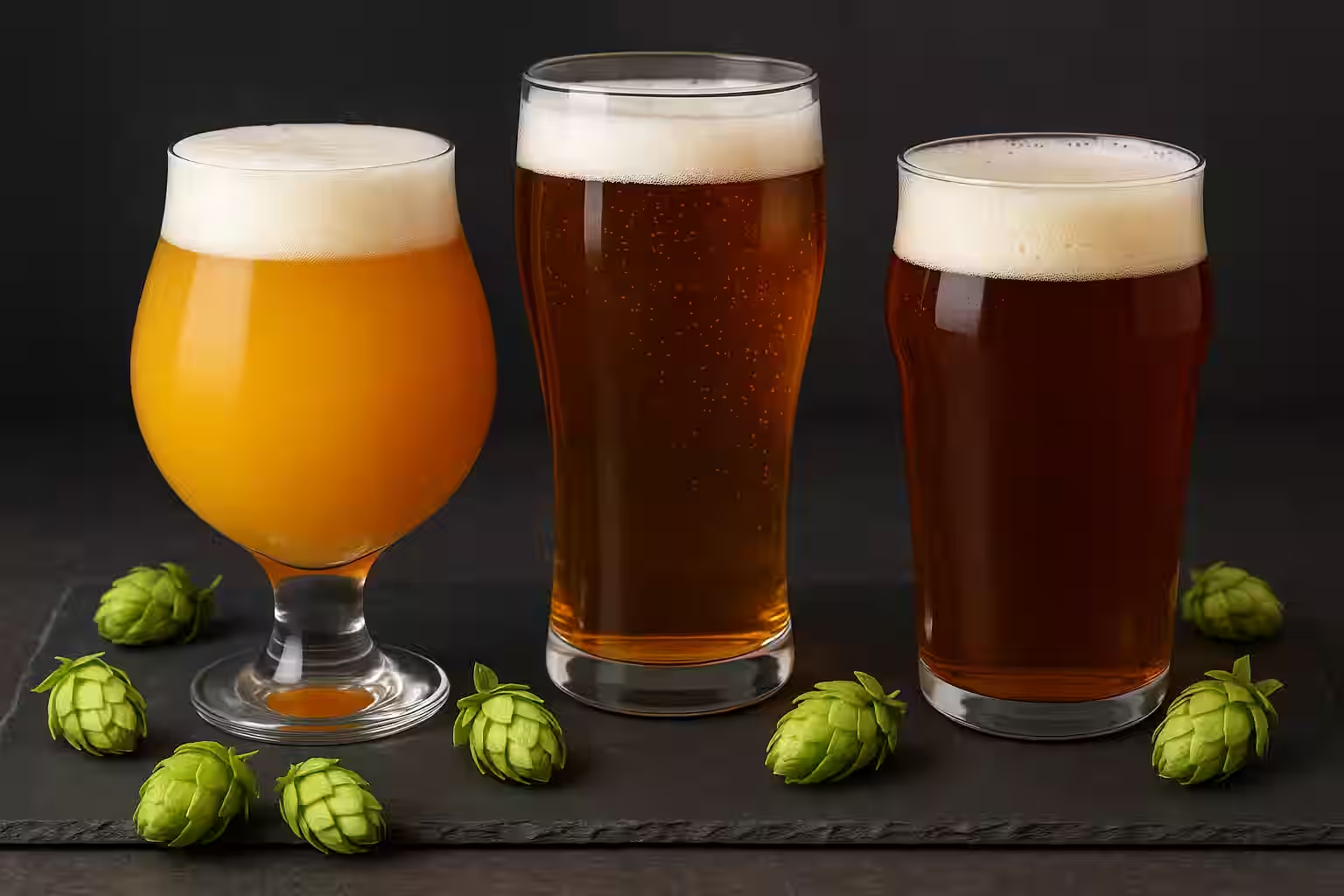
The traditional English IPA is more balanced and malt-forward than its American descendants. It typically ranges from 5 to 7.5% ABV with 40 to 60 IBU. The hops lean earthy, floral, and herbal rather than citrusy, and there’s a substantial malt presence that keeps the bitterness in check. It’s a beer that whispers where the American versions shout.
American IPA
American IPA is where things get bold and assertive. The ABV runs from 5.5 to 7.5%, and the IBU can hit 40 to 70. The star of the show is American hop varieties, bringing waves of citrus, pine, tropical fruit, and resin. The hop aroma is strong, the hop flavor is strong, and the finish is clean and dry. Bell’s Two Hearted, Russian River Blind Pig, and Stone IPA are essential benchmarks.
West Coast IPA
The West Coast IPA is a crystal-clear, aggressively bitter, dry-hopped showcase that wears its intentions on its sleeve. The appearance should be brilliantly clear—no haze allowed. Bitterness runs from 50 to 70 IBU, and the finish is dry and crisp with pine, grapefruit, and resin notes dominating the profile. Pliny the Elder, Alpine Duet, and Ballast Point Sculpin exemplify the style at its finest.
New England IPA (NEIPA/Hazy IPA)
If West Coast IPA is all about clarity and bitterness, the New England IPA flips the script completely. This modern sensation pours cloudy and opaque—looking almost like a glass of freshly squeezed orange juice. The ABV runs from 6 to 8%, and while the IBU can read 25 to 60, the perceived bitterness is much lower than those numbers suggest. The flavor explodes with tropical fruit, citrus, and juicy character, while the mouthfeel is soft and pillowy. It’s a hop lover’s beer that doesn’t punish your palate. The Alchemist Heady Topper, Tree House Julius, and Trillium Fort Point have become near-legendary examples.
Double/Imperial IPA
Double IPA takes the American IPA concept and supersizes it. The ABV starts at 7.5% and can push well past 10%, while the IBU ranges from 60 to 120. The hop character is intense—sometimes aggressively so—but a significant malt backbone provides crucial balance. These beers are often described as “dangerously drinkable” because the malt sweetness can mask just how much alcohol you’re taking in. Russian River Pliny the Elder and Dogfish Head 90 Minute IPA are iconic examples.
Session IPA
Session IPA answers a simple question: what if you could get full IPA flavor at a lower alcohol level? The ABV stays between 3 and 5%, and the beer is hop-forward but balanced, with a lighter body that keeps things highly sessionable. It’s the IPA you can drink all afternoon without regretting it.
Other IPA Variants
The IPA family keeps expanding in creative directions. Black IPA (sometimes called Cascadian Dark Ale) marries dark roasted malts with classic IPA hop character. Belgian IPA fuses fruity, spicy Belgian yeast with bold American hops. Milkshake IPA adds lactose and fruit for a creamy, dessert-like twist. And Brut IPA goes bone-dry with a champagne-like effervescence—proof that brewers will never stop experimenting.
Brown Ale
Brown ales are the cozy sweaters of the beer world—malty, nutty, and endlessly approachable.
English Brown Ale
English Brown Ale is the softer, more balanced version, with a color that runs from brown to dark brown and an ABV of 4 to 5.5%. The IBU stays low at 20 to 30, letting the malt character shine through with flavors of nuts, toffee, caramel, and biscuit. Hop presence is minimal, and there’s a mild sweetness that makes it incredibly easy to drink. Samuel Smith’s Nut Brown Ale and Newcastle Brown Ale are the classic references.
American Brown Ale
The American take on brown ale, as you might expect, brings a bit more hop assertiveness to the party. The ABV ranges from 4.3 to 6.2% with 20 to 40 IBU, and you’ll find more pronounced hop character alongside the traditional chocolate, caramel, and nut flavors. The balance can range from even to noticeably hop-forward. Bell’s Best Brown and Brooklyn Brown Ale are great examples.
Porter
Porter is a dark, rich, roasted ale with complex flavors that has been satisfying drinkers since 18th-century London. It pours dark brown to black with an ABV of 4 to 6.5% and 18 to 35 IBU. The flavor profile weaves together chocolate, coffee, caramel, and toast in a medium-bodied package that stays smooth and never harsh—that last distinction is important, because while porter uses dark malts, it shouldn’t taste like you’re chewing on charcoal.
Several sub-styles add variety. Robust Porter leans into the roasted character for a more assertive experience. Baltic Porter takes a surprising turn by actually being a lager rather than an ale, and it bumps the ABV up to 6.5 to 9.5% for something richer and more complex. Smoked Porter, meanwhile, incorporates smoked malt for a campfire-meets-coffeehouse vibe. Founders Porter, Deschutes Black Butte Porter, and Anchor Porter are all excellent starting points.
Stout
The stout family produces the darkest ales with the most intense roasted character, and it might be the most diverse family in all of beer.
Dry/Irish Stout
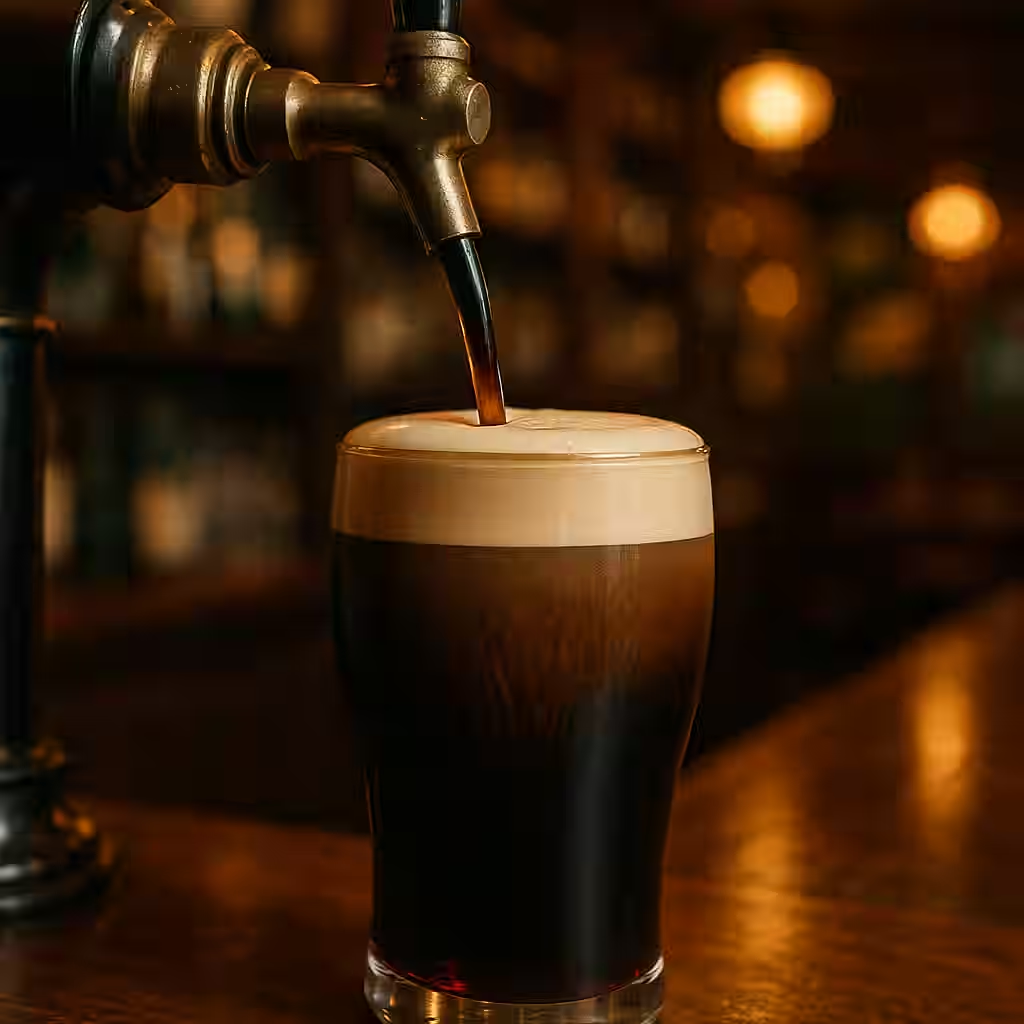
The Dry Irish Stout is what most people picture when they hear the word “stout”—it’s the Guinness style. It pours jet black and opaque with an ABV of just 4 to 5% and 25 to 45 IBU. The flavor centers on roasted coffee and bitter chocolate, and the finish is decidedly dry. The creamy head, often achieved through nitrogen carbonation, adds a velvety texture that becomes almost addictive. Guinness Draught, Murphy’s Irish Stout, and Beamish Stout are the holy trinity of the style.
Sweet/Milk Stout
Sweet Stout, also called Milk Stout, adds lactose (milk sugar) to the brew. Since yeast can’t ferment lactose, it stays in the finished beer and provides a smooth, creamy sweetness alongside flavors of coffee, chocolate, and caramel. The ABV runs from 4 to 6%, the body is full, and the bitterness is lower than other stouts. Left Hand Milk Stout and Lancaster Milk Stout are excellent examples.
Oatmeal Stout
Oatmeal Stout incorporates oats into the grain bill, and the result is a beer with a silky, velvety mouthfeel that’s unlike anything else in the stout family. The ABV runs from 4.2 to 5.9%, and the flavor combines roasted malt, coffee, and chocolate with a slight nutty, grainy character from the oats. Samuel Smith Oatmeal Stout and Firestone Walker Velvet Merlin are two benchmarks worth seeking out.
Imperial/Russian Imperial Stout
Imperial Stout is where the stout family goes big—really big. Originally brewed in England for export to the Russian Imperial Court (hence the name), these beers pack an ABV of 8 to 12% or more, with 50 to 90 IBU. The flavor is intensely layered: deep roast, dark fruit, chocolate, coffee, and molasses all competing for your attention. The body is full and warming, and many versions spend time aging in bourbon or other spirit barrels, which adds even more complexity. Founders KBS, Goose Island Bourbon County Brand Stout, and North Coast Old Rasputin are legendary representatives.
American Stout
American Stout sits between Irish Stout and Imperial Stout, bringing a hoppier character than the former without the intensity of the latter. The ABV ranges from 5 to 7%, and you’ll find bold roasted flavors alongside more pronounced American hop character. Sierra Nevada Stout and Rogue Shakespeare Stout deliver the style nicely.
Belgian Styles
Belgian brewing is a world unto itself, where unique yeast strains create distinctive spicy and fruity characters that set these beers apart from almost everything else.
Belgian Pale Ale
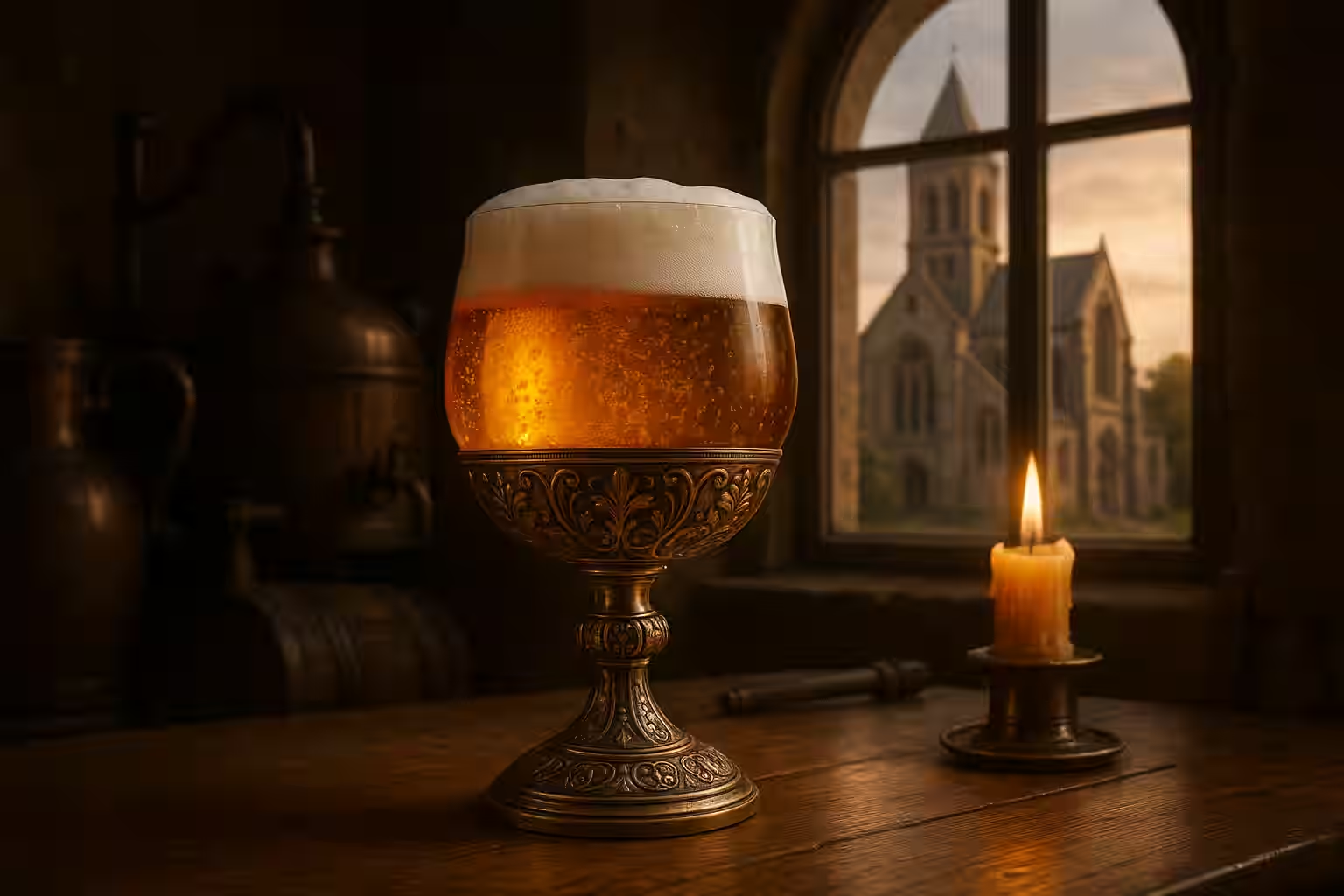
Belgian Pale Ale is a malty beer with fruity yeast esters that pours amber to copper. The ABV runs from 4.8 to 5.5% with 20 to 30 IBU. The flavor brings together toasted malt and fruity notes—think orange peel and ripe pear—along with spicy phenolics from the yeast and moderate bitterness. De Koninck and Palm Speciale are classic go-tos.
Belgian Dubbel
The Dubbel is a dark, malty, complex abbey-style ale that showcases Belgium’s monastic brewing traditions. It pours dark amber to brown and comes in at 6 to 7.6% ABV with 15 to 25 IBU. The flavor is a tapestry of dark fruit—raisin, plum, and fig—woven together with caramel and chocolate. The yeast contributes a spicy character of clove and pepper, and the finish is medium-dry. Westmalle Dubbel, Chimay Red, and La Trappe Dubbel are the benchmarks to know.
Belgian Tripel
The Tripel is one of beer’s great tricksters: strong, golden, and deceptively drinkable. It pours pale to deep gold and packs a serious 7.5 to 9.5% ABV, though you’d never guess it from the taste. The IBU sits at 20 to 40, and the flavor is a whirl of spice, fruit, and pepper. You’ll find banana, clove, and citrus notes dancing alongside high carbonation and a dry finish that keeps it refreshing despite the strength. Westmalle Tripel, La Fin du Monde, and Chimay White are essential examples.
Belgian Quadrupel (Quad)
The Quad is the strongest of the abbey-style ales, and it doesn’t hold anything back. The ABV reaches 10 to 13%, and the flavor profile is rich and complex, layering dark fruit, caramel, and toffee with spicy, warming alcohol and a full, generous body. These are sipping beers, meant to be savored slowly. Westvleteren 12 is often called the best beer in the world, and Rochefort 10 and St. Bernardus Abt 12 aren’t far behind.
Saison/Farmhouse Ale
Saisons are the rustic charmers of the Belgian world, originally brewed in farmhouses for seasonal workers. They pour pale to amber and come in at 5 to 7% ABV with 20 to 35 IBU. The flavor is a complex mix of fruit, spice, and earth, with peppery and herbal notes from the yeast. High carbonation and a dry, crisp finish make them incredibly refreshing despite their complexity. Saison Dupont is the gold standard, and Boulevard Tank 7 and Ommegang Hennepin are excellent American interpretations.
Belgian Witbier (White Beer)
Witbier is a spiced wheat beer that’s light, refreshing, and cloudy in appearance. It pours pale and hazy, sits at 4.5 to 5.5% ABV, and keeps the bitterness very low at 10 to 20 IBU. The signature flavors come from coriander and orange peel additions, with a gentle wheat tartness underneath. It’s crisp, refreshing, and one of the most approachable Belgian styles. Hoegaarden essentially revived the style in the 1960s, and Allagash White and Blue Moon Belgian White have brought it to a wider audience.
Wheat Beer
German Hefeweizen
Hefeweizen is Bavaria’s beloved cloudy wheat beer, and it has one of the most distinctive flavor profiles in all of beer. The word “hefe” means yeast, and the beer is served unfiltered, giving it a pale, cloudy appearance. The ABV runs from 4.9 to 5.5% with a gentle 8 to 15 IBU. The real magic comes from the yeast, which produces signature banana, clove, and sometimes bubble gum flavors that you either love or… well, most people love them. There’s a light wheat tartness and an overall refreshing quality that makes this a perfect summer beer. Weihenstephaner Hefeweissbier and Paulaner Hefe-Weizen are the benchmarks.
American Wheat Ale
American Wheat Ale takes the wheat beer concept but dials back the yeast character considerably. The ABV sits at 4 to 5.5%, and the yeast produces much subtler flavors, sometimes with American hop additions that give it a different twist. It’s clean, crisp, and refreshing without the strong banana and clove notes of its German cousin. Bell’s Oberon and Boulevard Unfiltered Wheat are well-known examples.
Dunkelweizen
Dunkelweizen is essentially a dark version of Hefeweizen, combining all those banana and clove flavors with the added depth of chocolate, caramel, and bread crust from darker malts. Despite the darker color, it remains refreshing and easy to drink. Weihenstephaner Hefeweissbier Dunkel and Ayinger Ur-Weisse are excellent representatives.
Weizenbock
Weizenbock is what happens when Hefeweizen meets Bock—a strong wheat beer with an ABV of 6.5 to 9%. The flavor blends banana and clove with dark fruit, rich malt, and a warming quality that makes it perfect for cooler weather. Schneider Aventinus and Weihenstephaner Vitus showcase the style beautifully.
Sour & Wild Ales
Sour and wild ales are the rebels of the beer world—intentionally tart and funky, thanks to bacteria and wild yeasts that most brewers spend their careers trying to keep out.
Berliner Weisse
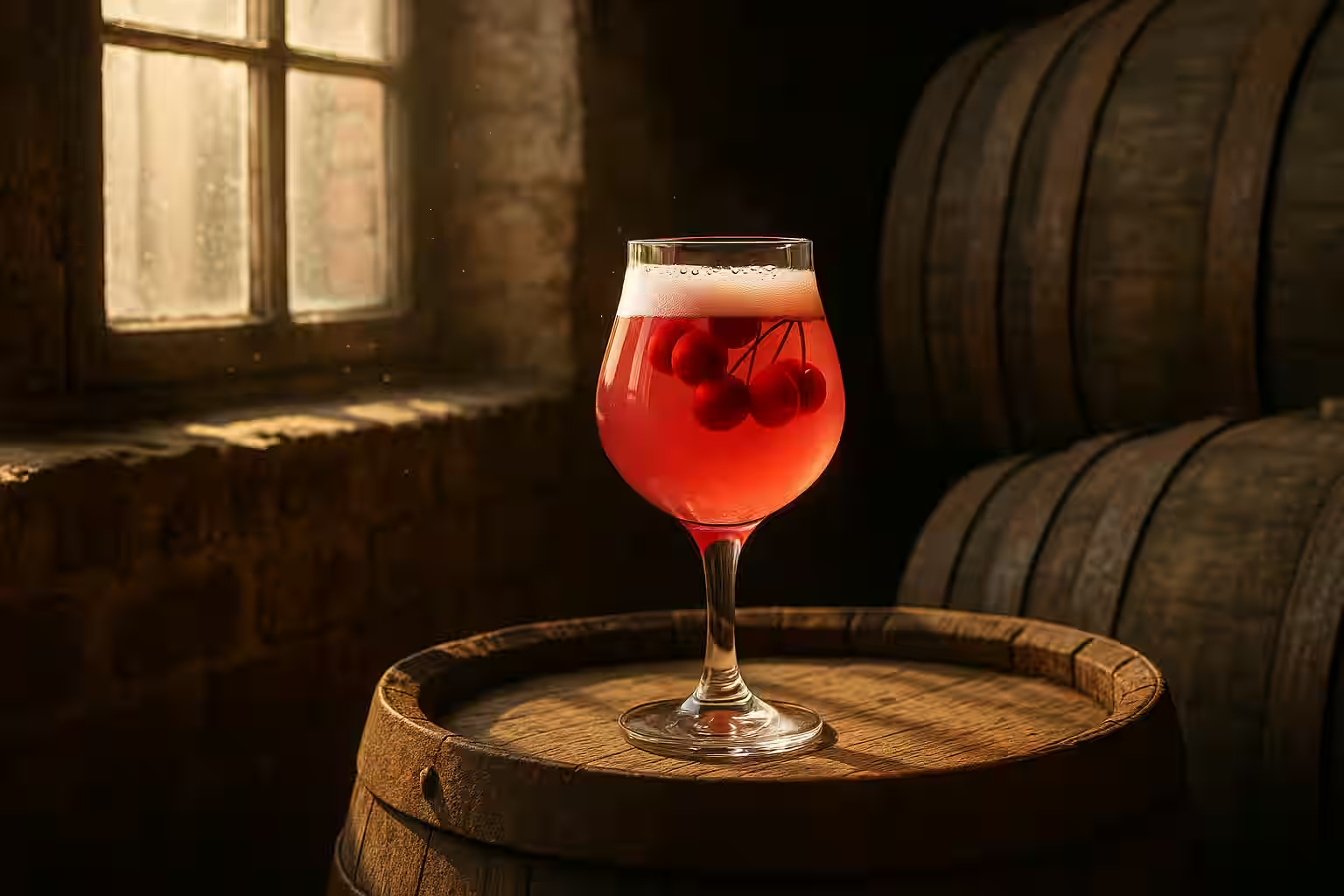
Berliner Weisse is a light, tart, refreshing German wheat beer that Napoleon’s troops reportedly called “the Champagne of the North.” It pours pale and hazy with a very low ABV of 2.8 to 3.8%. The tartness is lemony and bright, hop bitterness is minimal, and it’s traditionally served with a shot of woodruff or raspberry syrup to balance the sourness. Professor Fritz Briem 1809 and Dogfish Head Festina Peche are good examples to explore.
Gose
Gose is one of the more unusual German styles, combining sour, salty, and herbal elements in one beer. The ABV sits around 4.2 to 4.8%, and the flavor brings together a refreshing tartness with a distinct saltiness and coriander spice. The result is surprisingly complex and deeply refreshing. Westbrook Gose and Anderson Valley Blood Orange Gose have helped popularize the style in the craft beer world.
Lambic
Lambic is where beer meets the wild. These Belgian ales are spontaneously fermented—the wort is left exposed to open air, and whatever wild yeasts and bacteria drift in from the Senne Valley do the fermenting. The result is intensely tart, funky, and complex, with an ABV of 5 to 8%. Brett character (that’s Brettanomyces, a wild yeast) contributes flavors often described as barnyard, horse blanket, or hay—descriptions that sound strange until you taste it and realize they’re oddly appealing.
Lambic comes in several forms. Straight Lambic is unblended, rare, and very tart. Gueuze blends young and old lambics together for a champagne-like sparkle and layered complexity. Fruit Lambic involves macerating the beer with whole fruit—Kriek uses cherries and Framboise uses raspberries. Cantillon, 3 Fonteinen, and Boon are the legendary producers to seek out.
American Wild Ale
American brewers have taken the wild ale concept and run with it in every possible direction. American Wild Ales employ wild yeasts and bacteria in a wide variety of approaches, often involving barrel aging. The tartness can range from gently sour to face-puckering, and the funky complexity can rival anything from Belgium. Russian River Supplication, Cascade Brewing, and Jester King are leading the charge.
Amber & Red Ales
Irish Red Ale
Irish Red Ale is malty, slightly sweet, and easy-drinking—the kind of beer that just wants to be your friend. It pours amber to red with an ABV of 4 to 6% and 18 to 28 IBU. The flavor leans on caramel, toffee, and biscuit, with slight roasted notes and a balanced, smooth finish. Smithwick’s and Kilkenny Irish Cream Ale are the classics.
American Amber Ale
American Amber Ale brings a bit more hop presence to the red ale concept. The ABV runs from 4.5 to 6.2% with 25 to 40 IBU, and the caramel malt backbone gets paired with American hop character. The balance can range from even to noticeably hop-forward. Anderson Valley Boont Amber and North Coast Red Seal Ale are great examples.
Specialty & Hybrid Styles
Cream Ale
Cream Ale is a light, crisp American hybrid that often uses lager yeast or a blend of ale and lager techniques. The ABV sits at 4.2 to 5.6%, and the flavor is very light and subtle, sometimes with a gentle corn or adjunct sweetness. These beers are all about drinkability—straightforward, clean, and refreshing. Genesee Cream Ale and New Glarus Spotted Cow are well-loved examples.
California Common/Steam Beer
The California Common is a uniquely American style that uses lager yeast fermented at ale temperatures, creating a hybrid that doesn’t fit neatly into either family. It pours amber with an ABV of 4.5 to 5.5% and 30 to 45 IBU. The flavor brings together toasty malt with woody and minty hop character, plus a crisp quality with subtle fruity notes. Anchor Steam Beer essentially owns this category, having practically invented it.
Barleywine
Barleywine is the strongest ale style—rich, complex, and built to age in the cellar for years. English Barleywine is malt-forward and fruity, with an ABV of 8 to 12% and flavors of dark fruit, toffee, and caramel. American Barleywine takes a more hop-forward approach, incorporating citrus, pine, and resin with higher bitterness. In either version, these are sipping beers that reward patience—many barleywines develop remarkable complexity after a year or more in the bottle. Sierra Nevada Bigfoot and Old Foghorn are classic examples.
Quick Reference Table
| Style | Color | ABV | IBU | Key Flavors |
|---|---|---|---|---|
| Pilsner | Pale Gold | 4-5.5% | 25-45 | Crisp, hoppy, floral |
| Helles | Pale Gold | 4.5-5.5% | 16-22 | Malty, bread, sweet |
| IPA | Gold-Amber | 5.5-7.5% | 40-70 | Citrus, pine, bitter |
| Stout | Black | 4-12% | 25-90 | Coffee, chocolate, roast |
| Porter | Dark Brown | 4-6.5% | 18-35 | Chocolate, caramel, toast |
| Hefeweizen | Pale, Hazy | 4.9-5.5% | 8-15 | Banana, clove, wheat |
| Saison | Pale-Amber | 5-7% | 20-35 | Spicy, fruity, dry |
| Sour | Varies | 3-8% | Low | Tart, funky, complex |
Beer Styles FAQs
How do I pick a style if I like wine or coffee? Love red wine? Try malty amber ales or dubbels. Prefer crisp white wine? Start with pilsner or kölsch. Espresso lover? Reach for stout or porter.
Which beer is least bitter? Wheat beers (hefeweizen, witbier), helles lagers, and many Belgian golden ales are low on bitterness.
What’s the difference between porter and stout? Historically stout was a “strong porter.” Today, stouts lean roastier; porters tilt toward chocolate/toffee with softer roast.
Are all IPAs bitter? Not anymore. West Coast IPAs keep firm bitterness; hazy/New England IPAs showcase hop aroma with softer bitterness.
Which styles age well? Barleywines, imperial stouts, and strong Belgian ales develop complexity. Hoppy beers (IPAs, pale ales) should be enjoyed fresh.
What glasses fit most styles? Shaker or nonic pint for most ales; tulip for aromatic IPAs/Belgians; pilsner flute for crisp lagers; snifter for strong, dark beers.
Exploring Further
Ready to put your knowledge to the test?
- Play our Beer Styles Quiz
- Try the Style Matching Game
- Learn about Beer Tasting
- Explore Food Pairings for each style
Tasting Assignment
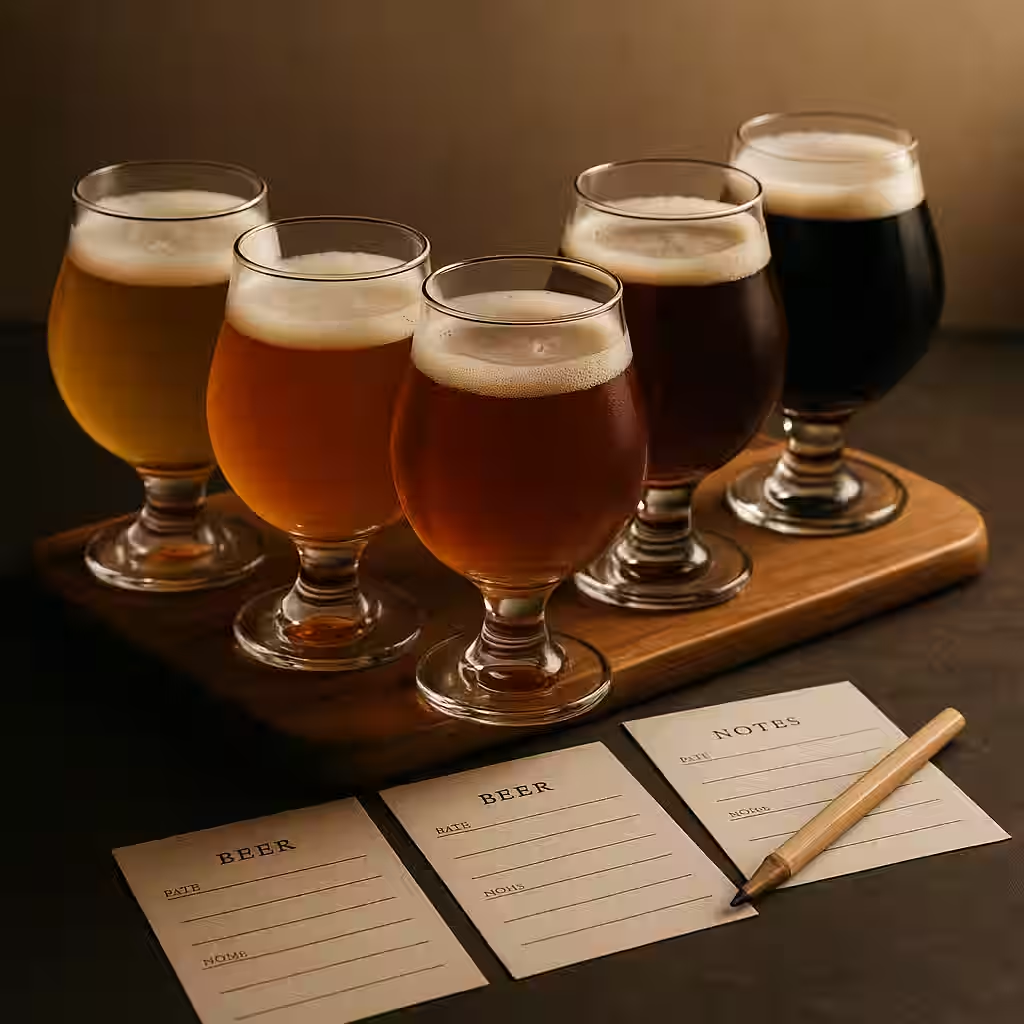
Pick three different beer families—say, a Pilsner, an IPA, and a Stout—and taste them side-by-side. Notice how yeast, hops, and malt create completely different experiences from the same basic ingredients. Take notes and start building your own flavor library. You’ll be surprised how quickly your palate develops once you start paying attention.