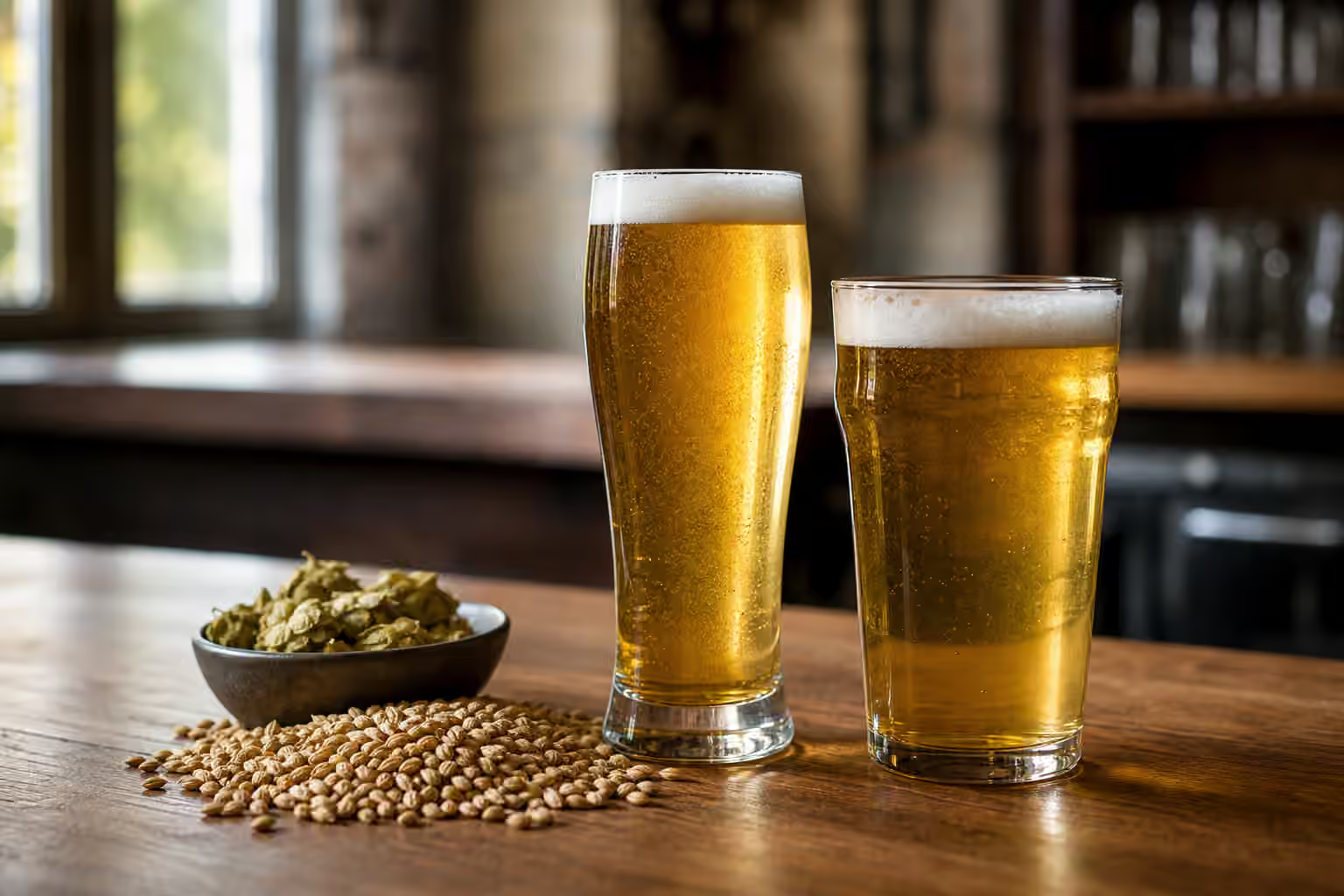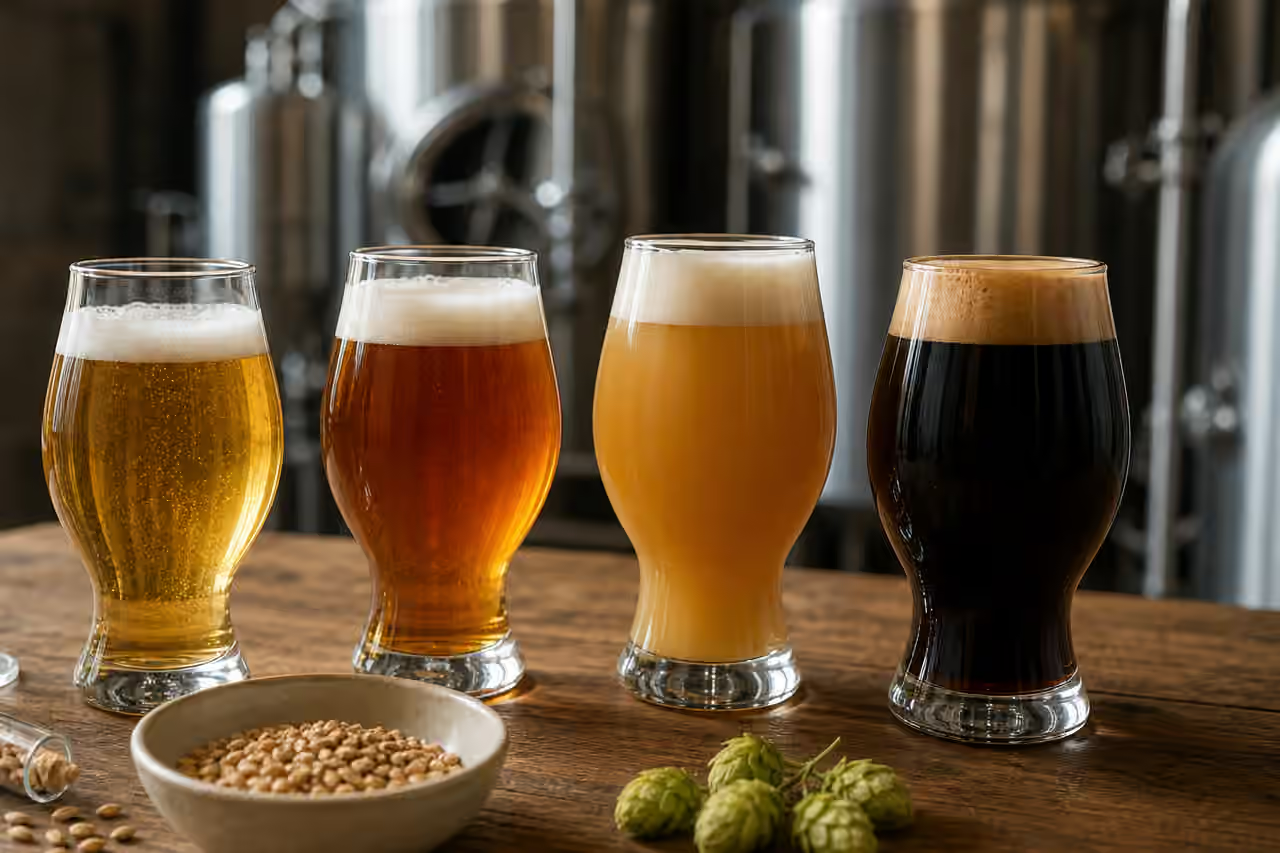
Alcohol is one of the easiest beer numbers to read and one of the easiest to misunderstand. The label may say 4.2 percent, 6.8 percent, or 10 percent ABV, but that number does not tell you how the beer will feel in the glass by itself. A dry, sparkling Belgian golden ale can hide serious strength. A dark stout can look heavy and still drink gently. A hazy IPA can feel soft even when it is stronger than the pale lager beside it. ABV matters, but it works with body, sweetness, carbonation, bitterness, temperature, and serving size.
This is why beer strength belongs beside the other tasting basics, not in a separate box on the label. Beer Tasting 101 teaches you to look, smell, sip, and notice the finish. Strength changes every part of that process. It can lift aroma, add warmth, lengthen the finish, thicken the body, or make a beer seem tiring after only a few sips. Once you learn to read it, ABV stops being a warning sign or bragging number. It becomes one more clue about what the beer is trying to do.
What ABV Actually Measures
ABV means alcohol by volume. It tells you what percentage of the liquid is alcohol. A beer at 5 percent ABV contains roughly five parts alcohol in every hundred parts of beer. That sounds simple because the math is simple. The drinking experience is not.
Beer begins as wort, a sweet liquid made from malt, water, and hops. Yeast consumes fermentable sugars in that wort and produces alcohol, carbon dioxide, heat, and flavor compounds. The more fermentable sugar the brewer creates, and the more completely the yeast ferments it, the more alcohol the finished beer can have. That process is covered more deeply in Understanding Yeast , but the tasting lesson is direct: alcohol is not added like a spirit poured into a glass. It is built into the beer by recipe design and fermentation.
Two beers can share the same ABV and feel very different. One may finish dry because the yeast consumed most of the available sugar. Another may finish sweet because more unfermented material remains. One may have enough bitterness to keep the finish clean. Another may let sweetness spread across the palate. One may have lively carbonation that makes the beer feel lighter. Another may have low carbonation and feel rounder. ABV gives the strength. The rest of the beer decides how that strength lands.
Body Is Not The Same As Strength
Body describes weight and fullness. A light-bodied beer moves quickly across the tongue and clears fast. A full-bodied beer feels broader, thicker, or more coating. Alcohol can contribute to body, but it is only one part of the structure. Malt proteins, dextrins, residual sugars, oats, wheat, lactose, carbonation, and finishing gravity all matter.
This is the reason color and strength mislead so many drinkers. Dark beer is not automatically strong, and strong beer is not automatically dark. A dry Irish-style stout can be black, roasty, creamy, and modest in alcohol. A Belgian tripel can be pale gold and much stronger than it looks. The Beer Styles Guide becomes easier to use when you separate appearance from strength and strength from body. Color tells you about malt choices. ABV tells you about alcohol. Body tells you how the beer feels.
Malt is often the source of the confusion because malt can supply both fermentable sugar and unfermented body. A brewer making a strong beer needs enough fermentable material for yeast to create alcohol. But if too much sweetness remains, the beer can taste syrupy. If the beer ferments very dry without enough malt structure, it can taste thin and hot. The best strong beers usually find the middle ground: enough malt depth to support alcohol, enough fermentation control to avoid heaviness, and enough bitterness, acidity, roast, or carbonation to keep the finish alive. The Understanding Malt guide helps explain why bread, toast, caramel, roast, and body are related but not identical.
Warmth Can Be Pleasant Or Harsh
Alcohol has a physical presence. In moderate amounts, it can add gentle warmth to the chest and a rounded sweetness to aroma. In strong ales, barleywines, imperial stouts, and Belgian dark ales, that warmth can be part of the pleasure. It makes the beer feel slower and more contemplative. It can carry dried fruit, caramel, chocolate, spice, oak, or dark sugar flavors into a longer finish.
Harsh alcohol is different. It can smell solvent-like, hot, sharp, or perfumey. It can scrape instead of warm. Sometimes that comes from a beer that is simply too strong for its structure. Sometimes it comes from fermentation that ran too warm or stressed the yeast into producing rough fusel alcohols. Sometimes a young strong beer needs time for its flavors to settle, though age does not rescue every flawed beer. If the alcohol seems detached from the rest of the glass, it is worth comparing that impression with the flaws described in Beer Off-Flavors .
Serving temperature changes this dramatically. Very cold beer can hide alcohol along with everything else. As a strong beer warms, aroma opens and alcohol becomes more visible. That can be good if the beer has enough structure. It can be unpleasant if the alcohol is rough. This is one reason Serving and Storage treats strong beers differently from crisp lagers. A pilsner may be refreshing cold. A barleywine usually needs a little more warmth before it tastes complete, but not so much warmth that alcohol takes over.
Drinkability Is A Balance, Not A Virtue Signal
People often use drinkability to mean light, easy, or low alcohol, but the better meaning is fit for purpose. A helles should invite another sip because it is clean, gentle, and refreshing. A saison can be dry, lively, and aromatic enough to keep returning to the glass. A double IPA can be drinkable if its bitterness, sweetness, alcohol, and carbonation move together instead of fighting. A rich imperial stout can be drinkable in a small pour even though no one should expect it to behave like a lawnmower lager.
The useful question is not whether a beer is strong or weak. It is whether the strength matches the job. A 4 percent pale lager makes sense at a picnic, with salty food, or during a long afternoon. A 6 percent amber ale may fit dinner because it has more malt presence without becoming a slow sipper. A 9 percent Belgian ale can be excellent with a smaller pour and time to notice yeast spice, carbonation, and finish. A 12 percent barrel-aged stout may be best split between two or three glasses because its intensity is part of the point.
This is where buying beer becomes easier. How to Buy Beer suggests asking what the beer needs to do. ABV is central to that question. Strength affects pacing, serving size, food pairing, temperature, and how much attention the beer asks from you. A label that looks exciting on the shelf may be wrong for the evening if the beer is too strong, sweet, or intense for the moment.
Carbonation Can Make Strong Beer Feel Lighter
Carbonation changes how strength feels. Bubbles lift aroma, sharpen the finish, and keep sweetness from lying flat on the tongue. A strong Belgian golden ale often depends on lively carbonation because the beer might otherwise feel heavy. The same can be true of saison, tripel, and some strong bottle-conditioned beers. Their alcohol may be high, but the bubbles make the beer feel buoyant.
Lower carbonation pushes in the other direction. It can make cask ale, porter, strong stout, and aged beer feel softer and rounder. That can be beautiful when the beer is built for it. It can also make a strong or sweet beer seem heavy if the finish has no lift. The newer guide to Beer Carbonation and Foam is useful here because foam and bubbles are not decoration. They are part of how alcohol, malt, bitterness, and aroma reach you.
When you taste a strong beer, notice whether carbonation helps or hurts. If the beer feels lively despite its strength, bubbles may be doing important work. If it feels flat, sticky, or tiring, the problem may not be ABV alone. It may be the combination of residual sweetness, low carbonation, serving temperature, and insufficient bitterness or acidity.
How To Read Strength In The Glass
Start with the label, then let the beer confirm or complicate it. A beer below about 5 percent ABV is usually designed around refreshment, though it can still have plenty of flavor. A beer around 5 to 7 percent often lives in the broad middle where pale ales, many IPAs, amber ales, porters, and Belgian singles or saisons can feel expressive without becoming heavy. Above that, the beer usually asks for slower drinking, smaller pours, or more structure from malt, hops, yeast, roast, acidity, or carbonation.
Those ranges are not rules. They are orientation points. A 7 percent West Coast IPA may feel crisp because it finishes dry and bitter. A 7 percent sweet stout may feel much heavier. A 9 percent tripel may seem deceptively light because it is pale, dry, spicy, and highly carbonated. A 9 percent doppelbock may feel deep and warming because malt is the center. The same number means different things in different styles.
Pay attention to the finish. Strength often shows up there after the first wave of flavor fades. Does warmth bloom gently, or does it sting? Does sweetness linger pleasantly, or does it coat the mouth? Does bitterness clean up the malt, or does it turn harsh because the body is too lean? Does carbonation reset the palate, or does the beer feel still and heavy? These questions make ABV useful because they connect the printed number to lived texture.
Strength Is Part Of The Beer, Not The Point
Some beers are impressive because they are strong. Many more are impressive because their strength is integrated. A modest lager can be beautifully made because nothing hides. A low-alcohol bitter can show malt, yeast, and balance with quiet precision. A strong stout can be excellent when roast, sweetness, alcohol, and finish feel woven together. A high ABV number does not make a beer mature, complex, or well brewed by itself.
Good beer strength feels intentional. The beer knows what it is for. It refreshes, supports food, slows the evening down, warms without scraping, or carries intense flavors without collapsing into sweetness. Once you read ABV this way, you stop treating the number as a dare. You use it as a map. The glass still has the final word, but the number helps you know how to listen.