Beer packaging is easy to treat as scenery. The liquid matters, the style matters, the brewery matters, and the container seems like a small practical detail you deal with at the end. But beer is fragile after it leaves the tank. Light, oxygen, heat, time, rough handling, and poor filling can change the flavor before you ever pull a tab or lift a cap. The package is not separate from the beer. It is the last piece of brewing equipment the beer will touch.
The useful question is not whether cans are always better than bottles, or whether draft is always fresher than packaged beer. Beer does not reward those simple arguments for long. A well-filled brown bottle kept cold can taste better than an old can stored warm. A clean draft system can show a lager beautifully, while a neglected tap can make the same beer taste tired. A crowler filled carefully for dinner can be a pleasure, while a growler forgotten in the fridge can become flat and papery. Packaging gives you clues, not guarantees.
If you already use How to Buy Beer to read labels, dates, and style cues, packaging is the next layer. It tells you how the beer has been protected, how soon you should drink it, and what kind of risk you are accepting.
The Package Has One Job
The package has to keep beer close to the condition it was in when the brewer sent it out. That sounds simple until you remember what beer contains. It has dissolved carbon dioxide that wants to escape, aroma compounds that can fade, hop oils that can oxidize, malt flavors that can turn stale, yeast that may still be active in some bottles, and alcohol that can carry warmth or solvent notes if the rest of the beer loses balance.
Oxygen is the quiet enemy. Very small amounts can flatten hop aroma, make malt taste like cardboard or stale bread, and push some stronger beers toward sherry-like age. In certain cellar-friendly styles, a controlled amount of age can be part of the pleasure, as the guide to Barrel-Aged Beer explains. In most fresh pale ales, IPAs, pilsners, wheat beers, and delicate lagers, oxygen simply steals what you bought the beer for.
Light is more specific but just as real. Ultraviolet light can react with hop compounds and create the familiar skunky aroma of lightstruck beer. Heat accelerates nearly every kind of staling. Time gives those changes room to become obvious. A good package reduces these problems, but it cannot erase them forever.
Why Cans Became So Trusted
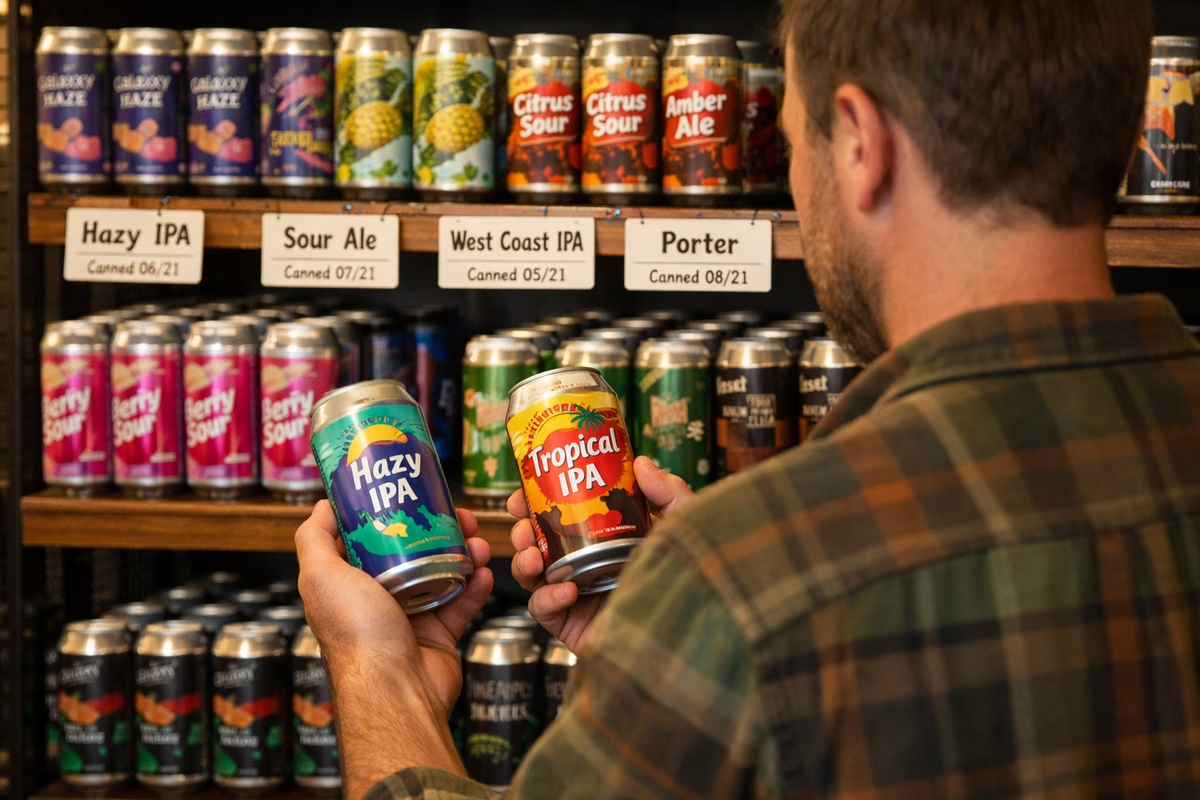
Cans protect beer from light completely. That one fact explains much of their modern reputation. A can also seals well when filled and seamed properly, chills quickly, travels without breaking, and fits easily into cold storage. For hop-forward beer, pale lager, fruit beer, and other styles that depend on bright aroma, those advantages matter.
The old fear that cans make beer taste metallic is usually misplaced. Modern beverage cans have an internal liner, so the beer is not meant to sit directly against raw aluminum. A metallic flavor can appear in beer for other reasons, including brewing water, oxidation, or service issues. The can itself is rarely the automatic culprit people imagine.
Cans are not magic. They can be filled poorly. They can be stored warm. They can sit too long. They can be damaged, dented at seams, or exposed to temperature abuse. A can with a fresh date from a cold shelf is usually a strong choice for delicate beer. A dusty can from a warm display is still a gamble.
Bottles Still Have Their Place
Brown glass is the most protective bottle color because it blocks more damaging light than green or clear glass. It does not block everything, and it does nothing about heat or time, but it gives beer a better chance. Green and clear bottles can be attractive on a shelf, yet they leave beer more exposed. If a beer in clear or green glass has spent time in bright light, the risk of skunky aroma rises.
Bottles remain important because some beers are designed for them. Bottle-conditioned beer may finish carbonation in the package and carry a layer of yeast sediment. Some strong Belgian-style ales, saisons, farmhouse ales, and mixed-fermentation beers can use that living package beautifully. The guide to Bottle-Conditioned Beer explains why sediment is not automatically a flaw and why pouring carefully can matter.
A crown cap is a good closure, but it is not a time machine. Cork-and-cage bottles can look ceremonial, but the romance of the package should not distract from the beer’s needs. A hoppy beer in a handsome bottle still wants cold storage and prompt drinking. A strong dark ale in a cellar bottle may tolerate time better, but only if the beer was built for age and stored well.
Draft Is A Package Too
Draft beer often feels like the opposite of packaging because it arrives in a glass from a faucet. In reality, the keg is a package, and the draft system is an extension of it. A keg protects beer well when it stays cold, sealed, and under proper gas pressure. Once it connects to a draft line, freshness depends on temperature, pressure, clean lines, clean faucets, clean glassware, and turnover.
This is why draft can be excellent and disappointing in the same week at different bars. A busy taproom with disciplined service can pour beer that tastes vivid and immediate. A slow account with warm storage or dirty lines can make the same beer taste dull, sour, buttery, metallic, or flat. Draft Beer goes deeper into service clues, but the packaging lesson is simple: draft is not fresher because it is draft. It is fresher when the whole system protects it.
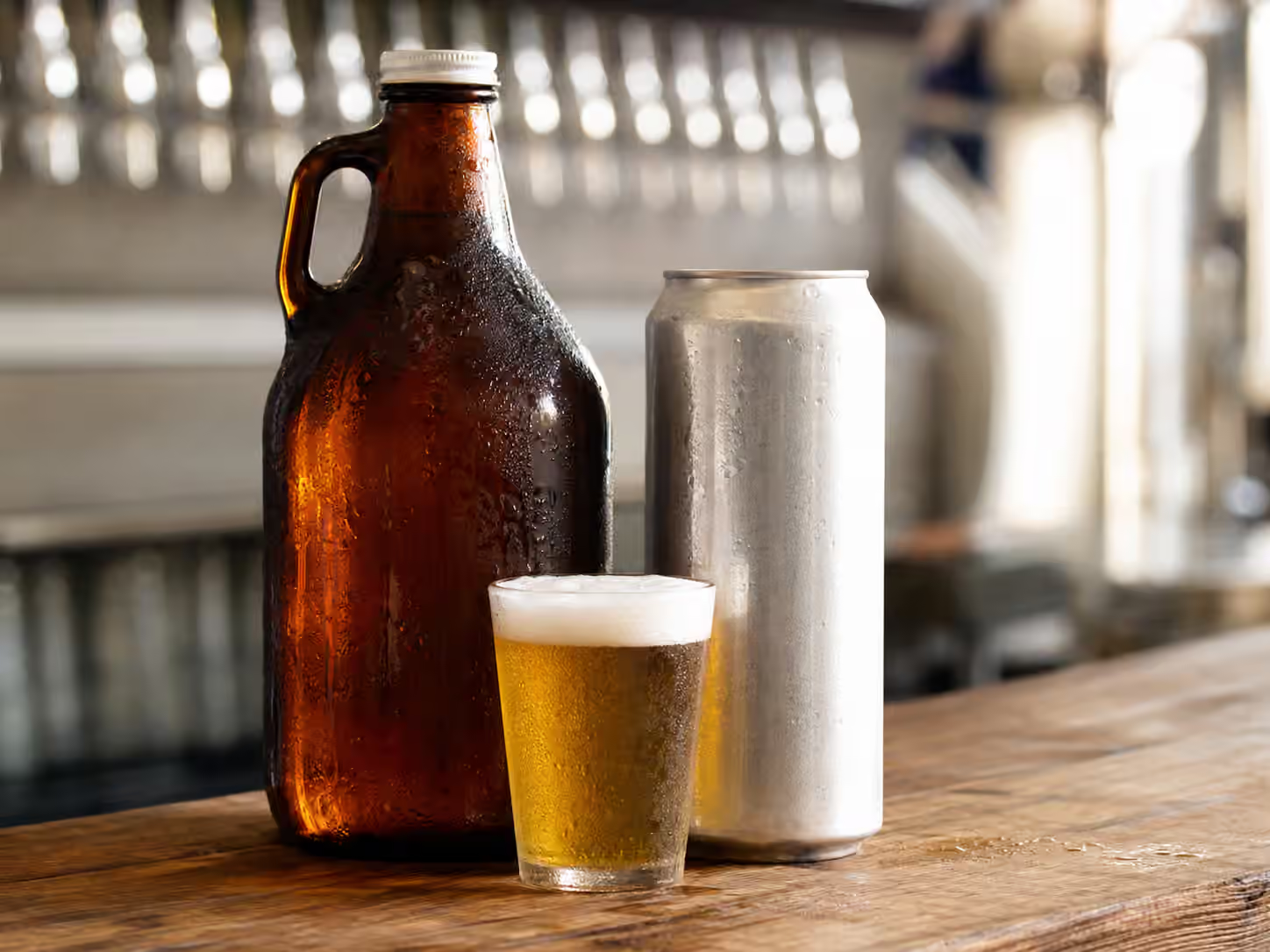
Growlers and crowlers sit between draft and packaged beer. They can be useful when you plan to drink the beer soon, especially from a brewery that fills them carefully. They are poor long-term storage vessels for most beer. Filling introduces handling risk, and once a growler is opened, carbonation and aroma fade quickly. Treat take-home draft as a short-term pleasure, not as cellar stock.
Reading Freshness From The Shelf
Packaging tells part of the story, but the shelf tells the rest. Cold beer usually has a better chance than warm beer, especially when the style depends on fresh hop aroma or delicate malt. A refrigerated can of pilsner with a recent package date is a different proposition from the same can sitting under warm lights. A bottle shop that keeps turnover high and stores sensitive beer cold is doing real preservation work.
Dates help when breweries print them clearly. Packaged-on dates are more useful than vague best-by dates because they let you judge the age yourself. Even then, age matters differently by style. Fresh IPA, pale ale, wheat beer, pilsner, and many modern fruited beers usually benefit from prompt drinking. Strong stout, barleywine, some Belgian-style ales, and certain sour beers may have a wider window. The guide to Beer Off-Flavors helps you recognize when age has added complexity and when it has only made the beer taste tired.
Look for physical clues too. Avoid leaking cans, bulging cans, damaged seams, rusty caps, sticky bottles, or packages that look as if they have been sitting in neglect. A little dust does not prove a beer is bad, but it tells you the beer may not be moving quickly. For styles built on freshness, slow movement matters.
Match The Package To The Moment
The best package is the one that suits the beer and the occasion. If you want bright hop aroma, a fresh cold can is often the safest bet. If you want a bottle-conditioned saison, a glass bottle with yeast sediment may be part of the beer’s design. If you want a lager at a taproom known for clean lines and fast turnover, draft may be ideal. If you are bringing beer to a picnic, cans travel well and block light. If you are serving a special strong ale at dinner, a larger bottle may fit the moment.
What packaging cannot do is rescue careless storage. Keep beer cold when you can, especially fresh and hoppy beer. Keep bottles out of light. Drink growlers soon. Do not assume every strong beer improves with time. Let the package inform your expectations before you judge the liquid.
Beer begins in the brewhouse, but it reaches you through metal, glass, gas, cardboard, coolers, shelves, trucks, taps, and hands. A good package keeps that journey quiet. When the beer tastes bright, clean, carbonated, and true to its style, the package has done something worth noticing precisely because you do not taste it.