Learning beer off-flavors is not about becoming difficult at bars or smug at bottle shares. It is about knowing when a beer is showing you what the brewer intended and when something went wrong on the way to your glass. A good beer can be bitter, sour, smoky, funky, dry, sweet, strong, delicate, cloudy, crystal clear, or strange on purpose. A flawed beer is different. It carries a signal that does not belong, or it has lost the thing that once made it alive.
The difficulty is that beer does not arrive with subtitles. A new drinker may taste a sour beer and think it is infected when the acidity is intentional. Someone may smell a lager and think it is plain when its quiet cleanliness is the point. Another person may find tropical hop aroma in an IPA and assume every hoppy beer should smell that way. Tasting skill begins when you slow down enough to ask whether a flavor fits the style, the age, the storage, and the setting.
Off-flavor awareness gives you a practical kind of confidence. It helps you buy fresher beer, store it better, notice when a draft line may be dirty, understand why a favorite beer tastes different months later, and describe a problem without sounding theatrical. It also protects enjoyment. Once you know the common faults, you stop blaming yourself for not liking a beer that has simply gone stale.
Faults Are Contextual
The first rule is that a flavor can be a fault in one beer and a feature in another. Tartness is wrong in many pale lagers but central to many sour styles. Clove-like spice is expected in some wheat beers and odd in a clean pilsner. Earthy funk may belong in certain wild or mixed-fermentation beers but not in a fresh hazy IPA. A touch of roast bitterness can be beautiful in a stout and distracting in a blonde ale.
This is why off-flavor learning should begin with context, not accusation. Before deciding a beer is flawed, ask what it is trying to be. Look at the style, the brewery’s description, the date, the package, the serving temperature, and the venue. If the beer is meant to be bright and hop-forward but smells dull and papery, freshness may be the issue. If it is meant to be a barrel-aged sour and smells acidic, fruity, woody, and wild, the same intensity may be intentional.
Context does not excuse everything. A beer can be deliberately unusual and still poorly made. But context keeps you from treating every unfamiliar flavor as a mistake.
Oxidation Makes Beer Taste Tired
Oxidation is one of the most common ways beer loses its edge. Oxygen exposure can happen during packaging, storage, or service, and time makes the damage more visible. In many beers, oxidation shows up as cardboard, paper, stale bread crust, honeyed sweetness, sherry-like notes, or a general flattening of aroma. Hoppy beers suffer especially because the bright hop compounds fade and change. A beer that should smell like citrus, pine, flowers, herbs, or tropical fruit can become muted and sweet, as if the color is still there but the light has gone out.
Not all aged flavors are bad. Strong stouts, barleywines, certain Belgian ales, and some sour beers can develop deeper dried fruit, caramel, leather, nutty, or vinous notes over time. The difference is whether age adds complexity or simply removes freshness. A beer designed for immediate hop aroma usually does not become wiser in the cellar. It becomes quieter.
The practical lesson is simple: treat fresh beer like food. Check dates when available. Buy cold when freshness matters. Keep beer away from heat. Drink hop-forward beers sooner rather than later. If a beer tastes papery, flat, and dulled compared with what the style promises, oxidation may be the reason.
Lightstruck Beer Has a Skunky Signature
Lightstruck beer is one of the easiest faults to recognize once you know it. Ultraviolet light reacts with hop compounds and creates a skunky aroma that can overwhelm the beer. Clear and green glass are especially vulnerable because they let in more light than brown glass. Cans protect beer best because no light reaches the liquid.
The smell can appear quickly under bright light. It is not the same as normal bitterness, and it is not a sign that the beer is extra hoppy in a good way. It is a chemical change caused by exposure. Some drinkers have become used to the flavor because certain imported beers are often served in clear or green bottles, sometimes with citrus to cover the effect. Familiarity does not make it a mark of freshness.
If you want to understand it, compare the same beer protected from light with one that has spent time in direct sun. You do not need much. The difference can be obvious. After that, the lesson follows you into shops and patios. Beer sitting in a sunny window is being damaged. A bottle left on an outdoor table in harsh light is changing while you talk.
Infection Is Not Always Dramatic
In beer talk, infection usually means unwanted microbes have changed the beer. The word sounds alarming, but the flavor effects vary. A contaminated beer may gush when opened. It may become unexpectedly sour, phenolic, ropey, overcarbonated, buttery, solvent-like, or oddly sharp. Sometimes the change is obvious. Sometimes it is subtle and only appears because the beer no longer tastes like itself.
This is different from intentionally mixed-fermentation beer, where brewers use yeast and bacteria deliberately to create acidity, funk, fruit complexity, and dryness. In those beers, the wild character is part of the design. In a clean beer, the same character can be a problem.
Homebrewers often learn this lesson early because sanitation shapes the batch. Commercial breweries fight the same battle with more controlled systems, lab testing, cleaning protocols, and packaging discipline. No system is perfect. A beer can leave the brewery sound and then suffer later through handling, warm storage, dirty draft lines, or damaged packaging.
If a beer tastes unexpectedly sour, medicinal, plastic-like, buttery, or fizzy in a way that does not match the style, slow down. One odd glass may be a service issue. Several packages from the same batch may suggest a broader problem. A polite, specific description helps more than a dramatic complaint.
Draft Beer Adds Another Layer
Draft beer can be wonderful because it moves quickly, stays cold, and arrives fresh when the system is maintained well. It can also expose beer to problems that packaged beer avoids. Dirty lines, warm storage, poor gas balance, old kegs, wrong pressure, or unclean faucets can change flavor and texture. A beer may taste buttery, sour, metallic, muddy, flat, foamy, or generally tired because the draft system is not doing its job.
A good bar treats draft as a food-handling system, not decoration. Lines are cleaned, temperatures are controlled, kegs move at a reasonable pace, and staff know when something tastes off. A poor system can make good beer taste bad and make customers blame the brewery.
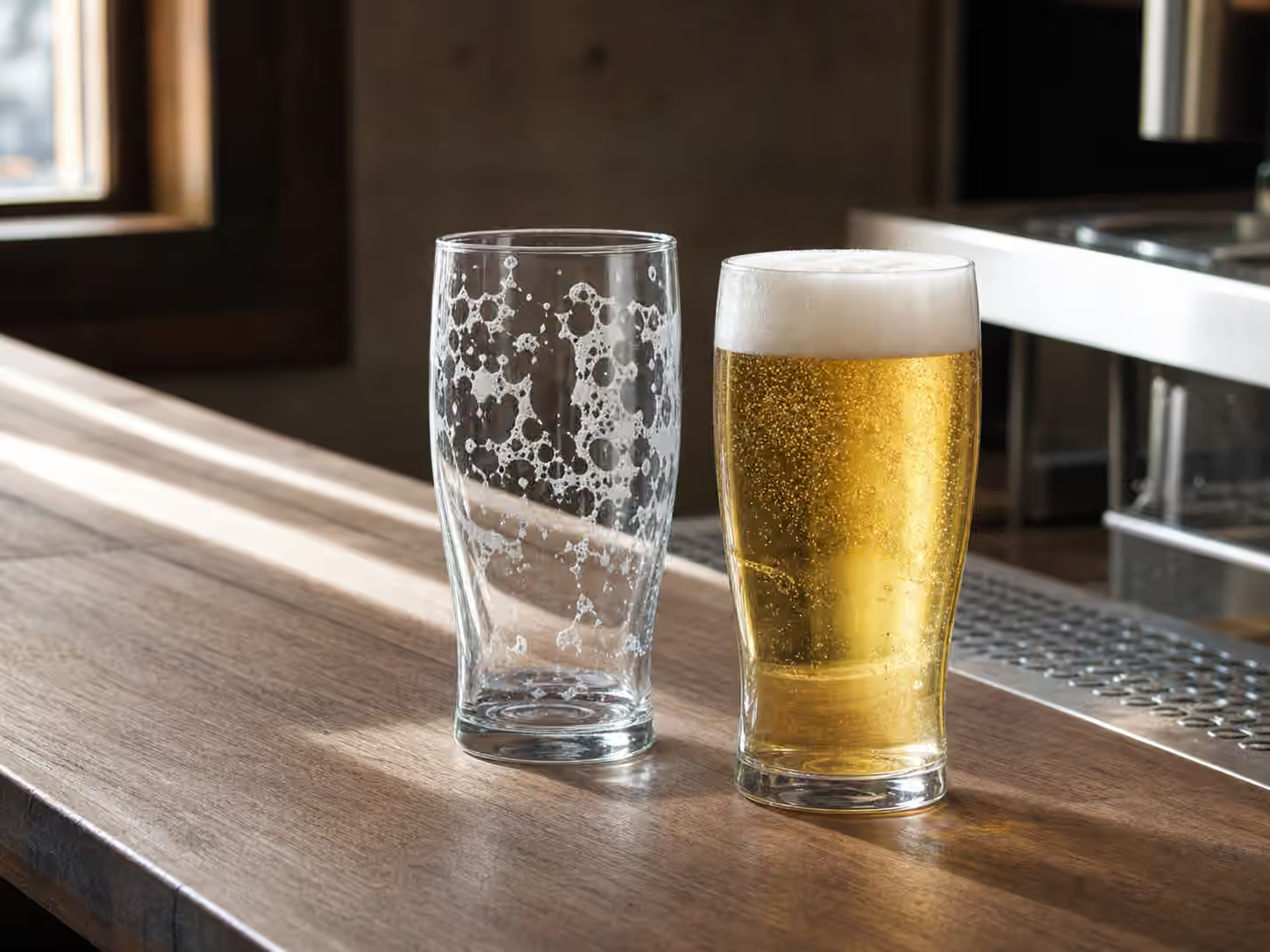
As a drinker, you do not need to interrogate the bartender. You can notice patterns. Does every beer in the place taste a little sour or muddy? Does one tap pour foam while others pour normally? Does a beer known for bright hop aroma taste dull and warm? Is the glass clean, or do bubbles cling strangely to the sides because of residue? These clues do not prove everything, but they help you decide whether the problem is the beer, the glass, or the system.
Some Flavors Are Personal, Not Faults
Off-flavor learning should make you fairer, not harsher. There are many flavors people simply dislike. Some drinkers hate smoke. Some dislike bitterness. Some find Belgian yeast character too spicy. Some do not enjoy sourness. Some are sensitive to certain hop aromas that read as onion, garlic, grass, or resin. Personal dislike is legitimate, but it is not the same as a flaw.
This distinction matters because beer culture can become noisy with certainty. It is better to say that a beer is not for you than to call it bad without evidence. It is also better to say that a beer seems oxidized, lightstruck, overcarbonated, or affected by draft problems when you can identify the signal. Specific language keeps tasting honest.
The best tasters are not the ones who find fault everywhere. They are the ones who can separate intention, freshness, service, and preference. They can dislike a good beer respectfully and recognize a flawed beer without turning the moment into a performance.
How to Build Your Palate Without Ruining the Fun
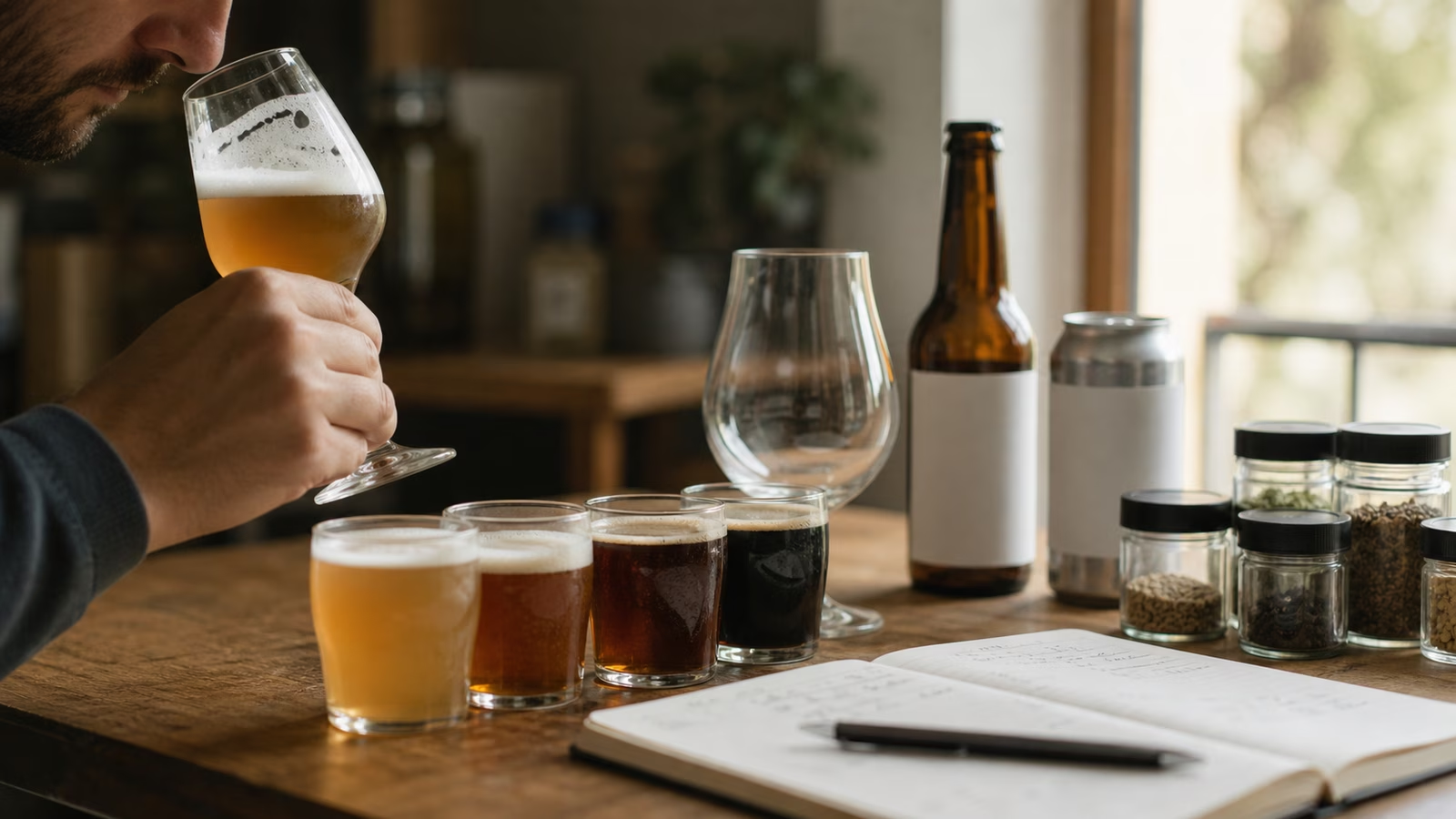
You build off-flavor awareness slowly. Taste beer fresh when you can. Smell before sipping. Notice the first impression, then notice what remains after a minute. Compare two beers of the same style from different breweries. Revisit the same beer from a can, bottle, and draft if you have the chance. Pay attention to package dates and storage conditions. Let a too-cold beer warm slightly and see which aromas appear. These habits teach more than memorizing fault names.
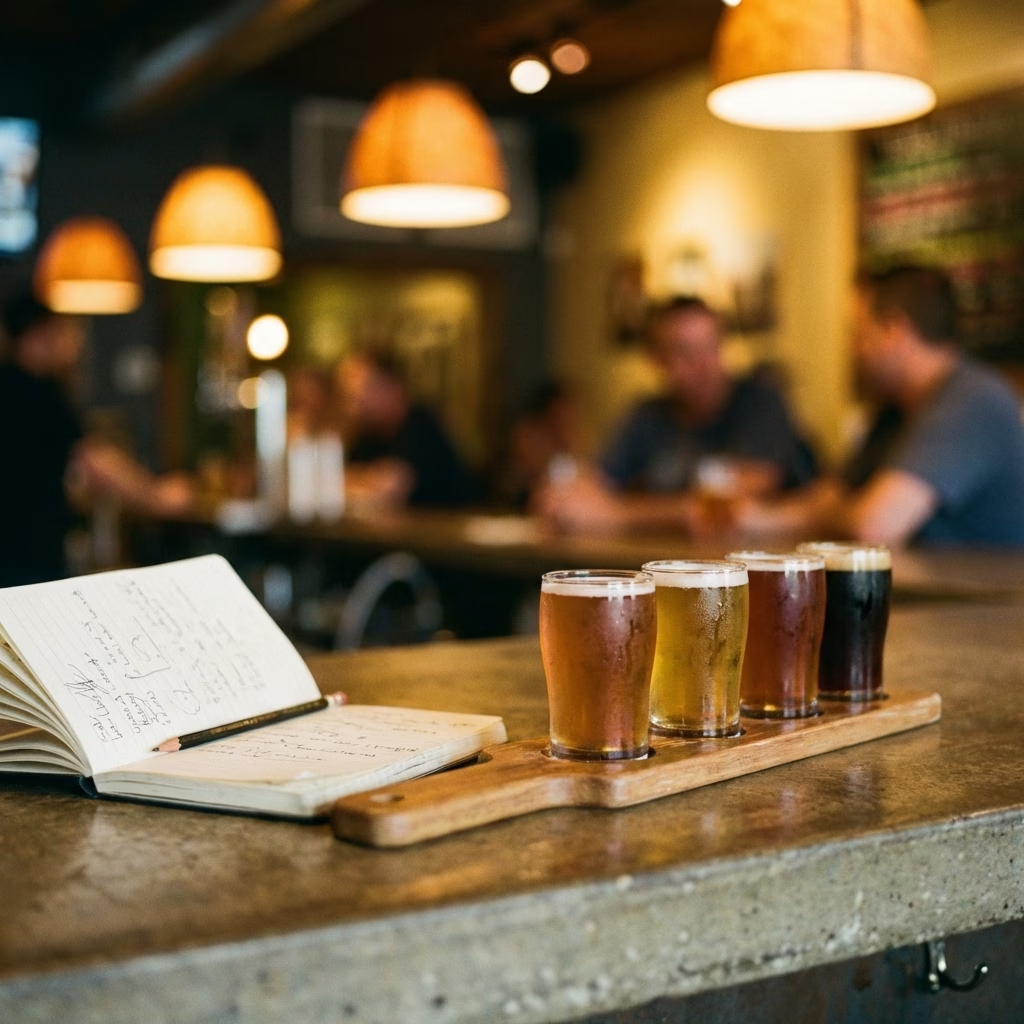
It also helps to keep notes in ordinary language. You do not need a grand tasting vocabulary. Write what the beer reminds you of: cardboard, wet paper, butter, green apple, skunk, vinegar, plastic, metal, bread, honey, grass, old citrus peel, or clean malt. The point is not to sound professional. The point is to create memory.
Over time, faults become easier to spot because you know what freshness tastes like. A bright pilsner tastes crisp and clean. A fresh IPA smells alive. A good stout has roast character without tasting stale. A well-kept sour has acidity with purpose. Once those baselines are in your head, tired beer stands out.
Beer is fragile. That fragility is part of its charm. It asks to be made carefully, moved carefully, stored carefully, poured carefully, and tasted with enough attention to know when the chain broke. Off-flavors are not there to make drinking fussy. They are there to tell the story of what happened after the beer was brewed.
When you can hear that story, you waste less money, enjoy better glasses, and give good beer the chance it deserves.