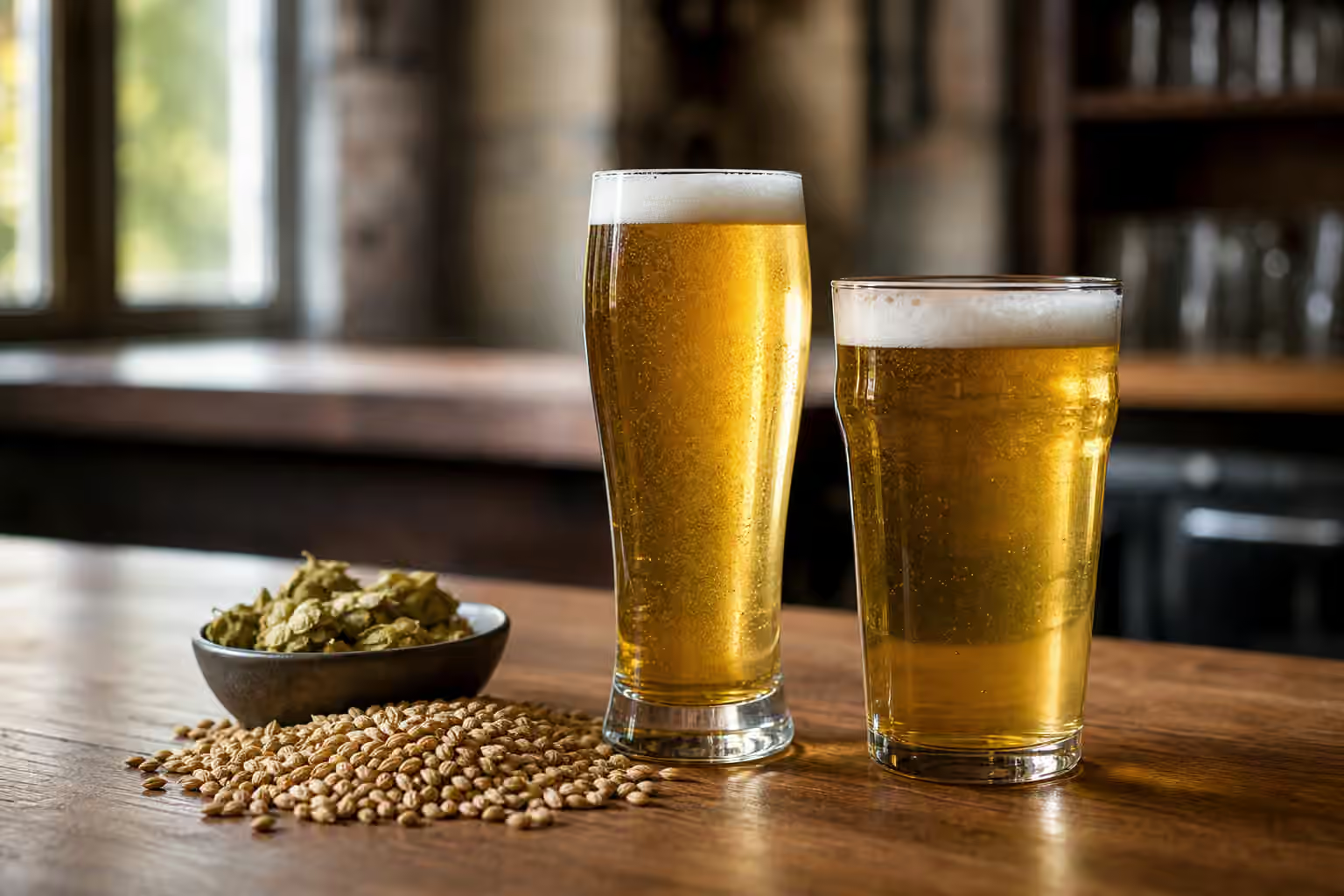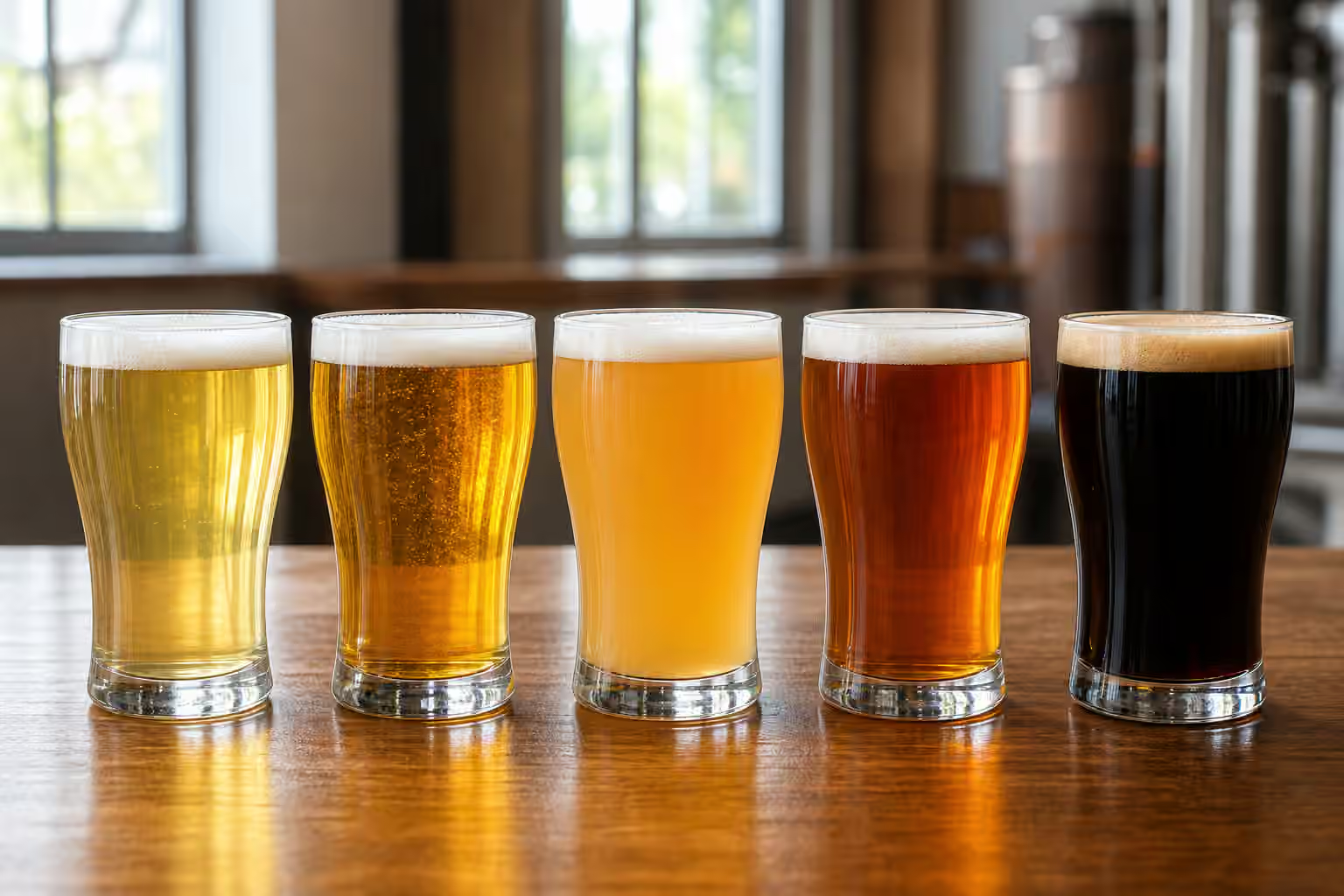
Beer starts speaking before it reaches your nose. The first clues are visual: the shade of gold or brown, the way light passes through the glass, the density of the foam, the brightness at the edge, the haze that either belongs there or does not. Appearance will not tell you whether a beer is good by itself, but it can tell you what questions to ask next. A clear pilsner, a cloudy hefeweizen, a ruby porter, and a black stout are not just different colors. They are different brewing choices made visible.
This guide sits beside Beer Tasting 101 , which gives the whole tasting sequence. Here the focus is narrower. Color and clarity deserve their own attention because they are easy to notice and easy to misread. Dark beer is not automatically strong. Hazy beer is not automatically careless. Clear beer is not automatically simple. Once you learn what appearance can and cannot prove, the glass becomes a useful first page instead of a verdict.
Color Is A Clue From Malt
Most beer color begins with malt. Pale malt gives straw, hay, bread dough, cracker, and gentle honey tones. More deeply kilned malt brings bread crust, biscuit, toast, caramel, nut, cocoa, coffee, and roast. The beer turns darker because the grain was heated more deeply, because small amounts of dark malt were used, or because the recipe includes darker specialty grains. The color is real evidence, but it is evidence about ingredients and process, not a simple measure of heaviness.
That distinction matters. A dry stout can be black and modest in alcohol. A Belgian tripel can be pale gold and much stronger than it looks. A Munich dunkel can look dark but drink smooth and gentle. A hazy IPA can be pale and still feel full because wheat, oats, yeast behavior, and hop compounds change texture. Understanding Malt explains the grain side in more detail, but the tasting lesson is simple: color points toward likely malt flavors, then aroma and flavor have to confirm or correct the guess.
Beer color is often measured with SRM, the Standard Reference Method. You do not need to memorize numbers to use the idea. Pale straw, gold, amber, copper, brown, deep brown, and black are already useful words. What matters is that color exists on a scale and that small changes can suggest different malt choices. A pale lager and a golden ale may look close at first glance, but one may lean crisp and grainy while the other carries a rounder ale character. An amber lager and a brown ale can share reddish highlights while tasting very different because yeast, hops, fermentation, and body all join the color story.
The glass changes how color appears. Beer looks darker in a deep pint than it does in a shallow tasting glass. It looks lighter at the rim than in the center. A stout that seems opaque from across the table may show ruby or garnet edges when held to light. An amber beer can look copper in a thin glass and brown in a heavy mug. Good tasters look at the beer from more than one angle before attaching meaning to what they see.
Clarity Is About Intention
Clarity describes how easily light passes through beer. Some beers are brilliantly clear, almost polished. Some are lightly hazed. Some are intentionally cloudy. None of those states is automatically good or bad. The right question is whether the appearance fits the style, the ingredients, and the way the beer was served.
Clear beer often comes from yeast that settles well, careful cold conditioning, filtration, fining, sound process, or enough time for suspended material to drop out. Many lagers are built around that polished look because clarity supports the impression of precision and refreshment. A pilsner with bright gold color and clean transparency makes you expect crisp malt, firm carbonation, and a tidy finish. If it tastes flabby, stale, or rough, the beautiful clarity did not save it. It only set the expectation.
Haze can come from yeast, proteins, polyphenols from hops, wheat, oats, bottle conditioning, dry hopping, or fruit additions. In hefeweizen, witbier, some saisons, and modern hazy pale ales, haze is often part of the intended character. It can suggest softness, yeast expression, hop saturation, or a beer that was designed to carry texture rather than crystal brilliance. Understanding Yeast is useful here because yeast does not only make alcohol. It affects sediment, flocculation, haze, aroma, dryness, and the way beer feels.
The same haze that belongs in one style can be suspicious in another. A lightly cloudy bottle-conditioned ale may be normal, especially if yeast was poured from the bottom. A murky pilsner, unless it is a deliberately unfiltered version, asks for a closer smell and taste. A bright IPA that has turned muddy with age may be showing hop and protein changes. A beer with flakes, rope-like strands, or strange floating clumps is different from normal haze and deserves caution. Appearance does not diagnose the problem alone, but it tells you to slow down.
Foam Color And The Surface Of The Beer
Foam has color too. Pale beers usually carry white foam. Amber beers often show off-white foam. Porters and stouts can form tan or brown heads because roasted malt colors the bubbles. The head gives a quick visual link between malt and texture. A dense tan cap on a stout prepares you for roast and creaminess. A rocky white head on a wheat beer suggests protein, lively carbonation, and yeast-driven character. A thin ring on a strong barleywine may be perfectly normal because alcohol can work against foam stability.
Foam should be read with carbonation and glass cleanliness in mind. A beer can have the right color and still pour badly if the glass is greasy, soapy, dusty, or warm. Large bubbles sticking randomly to the side of the glass can point toward residue rather than recipe design. A foam cap that vanishes instantly may mean a dirty glass, low carbonation, high alcohol, age, or a style that was never meant to wear much foam. Beer Carbonation and Foam covers the mechanics, but the visual habit is easy to practice. Watch how the head forms, how it settles, and whether it leaves lacing as you drink.
Sediment Is Not Always A Flaw
Sediment makes many drinkers nervous because it looks like something went wrong. Sometimes it did. More often, especially in bottle-conditioned beer, sediment is yeast and protein that settled during conditioning. It may be part of the beer’s design. Belgian ales, hefeweizens, some farmhouse ales, and naturally conditioned beers may carry a small layer at the bottom. You can pour carefully to leave it behind, or swirl it in when the style expects yeast in the glass.
The choice changes the beer. Leaving sediment behind can make the pour clearer and the flavor cleaner. Swirling it in can add haze, bread-like yeast character, gentle bitterness, and more texture. Hefeweizen is the familiar example, where the cloudy pour is part of the style’s identity. In a delicate strong ale, you may prefer to stop before the final cloudy ounce. In a rustic saison, you may want the last bit included. The point is not a universal rule. It is to understand that sediment is a serving decision as much as a visual feature.
Packaging also matters. A can may protect beer from light but hides sediment until the pour. A clear or green bottle may let you see the beer but gives less light protection than brown glass or a can. A bottle-conditioned beer may look perfectly clear until the last inch of liquid disturbs the yeast bed. Serving and Storage gives the broader handling picture, but appearance begins the moment you choose how to pour.
When Appearance Hints At Age Or Damage
Freshness problems are not always visible, but some leave visual clues. Oxidation can darken pale beer over time, especially when the original beer was meant to be bright and hoppy. A once-vivid IPA may look duller, browner, or muddier as hop aroma fades and malt sweetness turns stale. That visual change often travels with aromas of paper, honey, cardboard, or tired fruit. Beer Off-Flavors gives names to those faults, but the eye may notice the beer’s tired look before the nose confirms it.
Lightstruck beer is trickier because the glass may look normal. Skunky aroma can develop without an obvious change in color or clarity. Infection can sometimes create gushers, unexpected haze, or heavy sediment, but it can also hide until aroma and flavor reveal acidity, phenolic sharpness, or overcarbonation. A draft beer may look flat or foamy for reasons that belong to service rather than brewing. Appearance gives clues, not certainty.
This is why the best visual reading stays humble. A beautiful beer can still be stale. A cloudy beer can be exactly right. A dark beer can be refreshing. A pale beer can be intense. The glass offers evidence, then smell, taste, texture, and finish complete the case.
How To Practice Seeing Beer
The easiest practice is to pour two or three beers side by side in clean, clear glasses and look before smelling. Put a pilsner next to a wheat beer, or an amber lager next to a porter. Use a white napkin, a sheet of paper, or a pale wall as a background. Tilt each glass slightly and watch the edge. Notice whether haze is fine and even or chunky and uneven. Notice the foam color, bubble size, and lacing. Then smell and taste to see which visual guesses held up.
This works especially well with the Beer Styles Guide . Style descriptions become easier to remember when they are connected to actual glasses. A West Coast IPA’s clarity, a New England IPA’s opacity, a dunkel’s brown glow, and a dry stout’s black body are easier to understand in a lineup than on a label. If you use How to Buy Beer to choose bottles or cans for a tasting, pick beers that contrast in appearance as much as in flavor.
Over time, you will stop treating appearance as decoration. You will see malt, yeast, carbonation, serving choices, and age before the first sip. That does not make the beer predictable. It makes it legible. Color and clarity are the opening questions: what grain might be here, what process might have shaped this beer, does the appearance fit the style, and what should I check next? The answer still waits in aroma and flavor, but the glass has already begun the conversation.