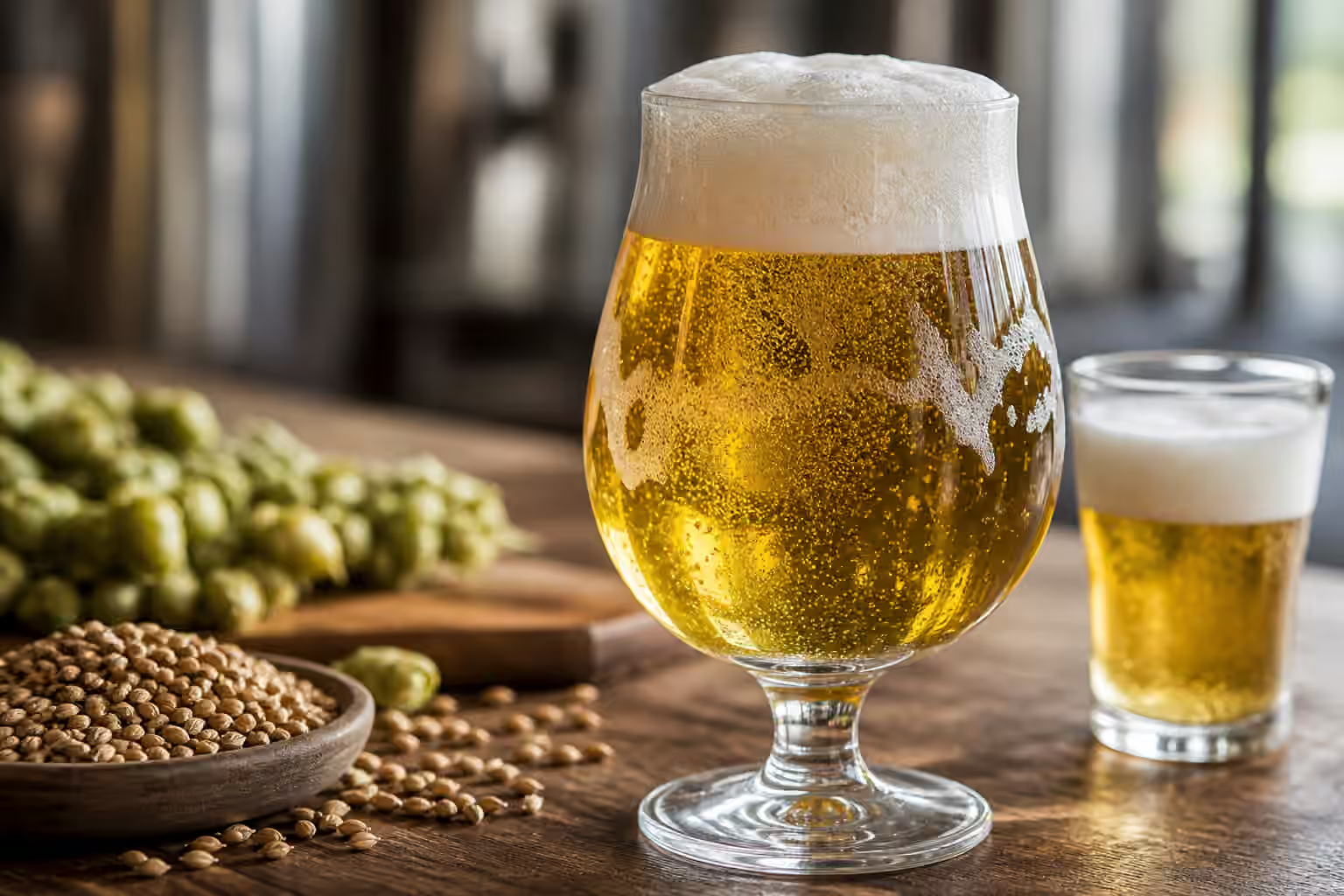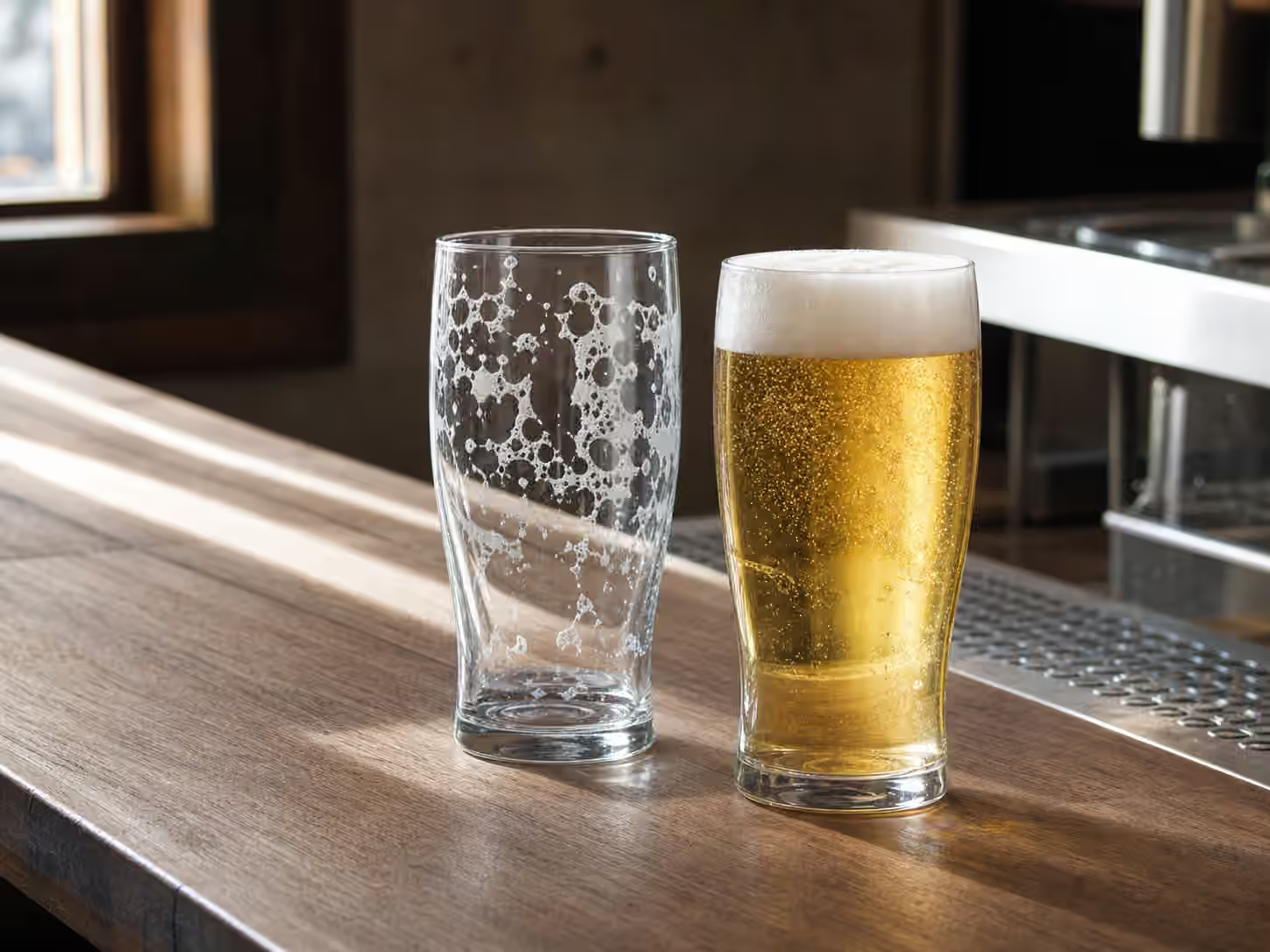
A clean beer glass is not a decorative nicety. It is part of the beer’s serving system. The same beer can look lively in one glass and tired in another because foam, bubbles, aroma, and texture all respond to the surface they meet. A glass with invisible grease, detergent film, dust, lipstick, sanitizer residue, or old beer oils can flatten foam and make a careful pour seem careless. A beer-clean glass does a quieter job. It lets the beer show what the brewer and server intended.
This guide sits beside the broader Beer Glassware guide, but it is less concerned with shapes and more concerned with condition. A tulip, nonic pint, pilsner glass, goblet, or simple tumbler can all serve beer well if they are clean enough. A beautiful glass that carries residue is worse than a plain glass that lets foam rise, aroma gather, and carbonation move naturally.
What Beer-Clean Means
Beer-clean means the glass is free of anything that interferes with the beer. It does not mean the glass looks shiny from across the room. Many dirty glasses look clear at a glance. The problem often lives as a thin film on the surface, left by skin oil, food grease, dishwasher rinse aid, soap, dust, cloth lint, old beer, or a shelf that has not been cleaned. Beer reveals those traces quickly because foam is sensitive.
Foam is built from proteins, hop compounds, carbonation, and surface tension. When the beer meets grease or detergent, those foam structures can collapse. A beer that should pour with a firm head may go flat at the rim. A stout that should hold a creamy cap may look thin. A pilsner that should leave fine rings of lacing may slide down the glass as if the surface has been polished with oil.
The point is not to worship foam for its own sake. Foam carries aroma, softens the first sip, protects the surface from losing carbonation too quickly, and gives visual clues about the beer’s condition. Beer Carbonation and Foam explains the mechanics more deeply. Glass cleanliness is the part you can control before the beer is poured.
The Clues In The Pour
The easiest clue is how the foam behaves. In a beer-clean glass, the head should form in a way that fits the beer. A wheat beer may build a tall cap, a bitter may hold a modest one, and a strong barrel-aged beer may have less foam because of alcohol and age. The important question is not whether every beer makes the same head. It is whether the foam seems plausible for the style and remains alive for more than a few seconds.
Lacing is another clue. As you drink, foam may cling to the inside of the glass in broken rings or fine webbing. That does not prove the beer is great, and some styles do not lace dramatically, but steady lacing usually means the glass is not actively destroying foam. When every sip leaves the glass bare and slick, residue may be part of the story.
Random streams of bubbles stuck to the side are worth noticing. Carbonation should rise through the beer, not cling furiously to dirt, scratches, or dust. If bubbles gather on isolated spots, those spots may be nucleation points created by residue or damage. Some glassware has intentional nucleation marks at the bottom, especially for lagers, but accidental bubbles on the walls often point to an unclean or worn glass.
Residue Has Many Sources
The most obvious source is food grease. A glass handled after eating fries, wings, cheese, or anything oily can lose foam quickly. Lip balm and lipstick can do the same thing. Even clean-looking fingerprints matter when they sit near the rim. Beer spends a lot of time against the rim as you drink, so residue there can keep damaging the head throughout the glass.
Detergent is the subtler source. Too much soap, poor rinsing, dishwasher film, scented cleaners, or rinse aid can leave a surface that looks clear but behaves badly. A glass can smell faintly chemical, floral, or dusty when it should smell neutral. If you lift an empty glass and notice anything before beer enters it, the glass is already part of the flavor.
Bars have another challenge: speed. Glasses cycle from table to bus tub to washer to shelf, sometimes while still warm. If the washer water is dirty, the sanitizer is off, the brushes are worn, or the drying shelf is dusty, the problem may touch every beer. This is why Draft Beer treats glass condition as part of service quality. A bar that cares about clean lines but ignores dirty glasses is still not finishing the job.
Rinsing And Drying Matter
A quick cold-water rinse just before pouring can help, but it is not a cure for a dirty glass. Rinsing cools the glass, removes dust, and wets the surface so beer does not hit a dry, warm wall. Many taprooms use a glass rinser for this reason. The rinse is a final preparation, not the main wash. If the glass already carries grease or detergent film, a few seconds on a rinser will not reliably fix it.
At home, the most useful habit is to wash beer glasses separately from greasy cookware when you can. Use unscented soap, rinse thoroughly, and let the glass air dry upside down in a place that actually gets airflow, or dry with a clean lint-free towel reserved for glassware. A towel that has been washed with fabric softener can leave its own film. A cabinet that stores glasses near cooking oil or dust can undo good washing.
Frosted mugs deserve suspicion. A frozen glass can look dramatic, but frost is often water, freezer odor, and ice crystals on the glass surface. It can numb aroma, dilute the first sip, and make some beers seem harsh or muted. A cold clean glass is useful for certain refreshing beers. A frozen mug is rarely the best way to taste a beer clearly.
Match Cleanliness To The Beer
Delicate beers expose glass problems fastest. A pale lager, pilsner, helles, blonde ale, mild, or light wheat beer has fewer loud flavors to hide residue. If the glass smells like soap, the beer may taste perfumed. If the rim is greasy, the foam may collapse. If the glass is warm and dusty, the first aroma may be stale before the beer has a fair chance.
Stronger or darker beers can hide more, but they still benefit from a clean glass. Stout foam depends on proteins, carbonation, sometimes nitrogen, and the way the glass receives the pour. A barrel-aged beer served in a dirty snifter may lose the aroma lift that makes a small pour feel complete. A hoppy beer in a soapy glass may seem oddly bitter and flat because the aroma has been muffled and the foam damaged.
Glass shape still matters, but cleanliness comes first. The Beer Tasting 101 routine works in a simple clean glass better than in a dirty specialty glass. A tulip can concentrate aroma, a pilsner glass can show clarity, and a weizen vase can hold wheat beer foam, but none of those shapes rescues residue.
Judging Without Becoming Difficult
When a beer looks wrong, be careful with the conclusion. A flat head does not always mean a dirty glass. Some beers are naturally lower in carbonation. High alcohol can reduce foam. Certain sour, barrel-aged, or aged beers may pour differently from fresh pale styles. A beer may also be undercarbonated, overaged, or badly poured. Glass cleanliness is one clue among several.
The useful habit is pattern recognition. If every beer in a bar dies instantly in the glass, service deserves attention. If one glass shows bubbles stuck to the sides while another clean glass of the same beer does not, the glass is likely involved. If a beer smells like soap or perfume before you taste it, the glass may be carrying something. If foam collapses only where your lip balm touched the rim, the culprit is closer to home.
At a bar, a calm request for a fresh glass is usually enough when something is clearly wrong. You do not need a lecture about beer-clean standards. At home, the fix is even simpler: wash, rinse, smell the empty glass, and pour again. If the second glass behaves better, you have learned something useful without blaming the beer.
Beer-clean glassware is humble because it disappears when it works. You notice the beer, not the glass. Foam holds its shape, aroma rises cleanly, bubbles move naturally, and the finish belongs to the beer rather than the sink, shelf, or towel. That is the goal of good service: not fussiness, but removing the things that get in the way.