Carbonation is one of the easiest parts of beer to notice and one of the easiest to overlook. You feel it before you name it. A pilsner snaps across the tongue because tiny bubbles lift bitterness and clean the finish. A cask ale feels soft because the gas is gentle and integrated. A nitro stout seems creamy because its bubbles are tiny, dense, and slow to rise. Even a strong Belgian ale can seem lighter than its alcohol suggests because high carbonation keeps the body from feeling heavy.
Foam belongs to the same story. The head on a beer is not decoration pasted on top of the liquid. It is a working part of the glass. Foam carries aroma, softens the first sip, protects the beer briefly from oxygen, and gives clues about malt, glass cleanliness, pouring technique, freshness, and carbonation level. If you already use Beer Tasting 101 to slow down and read the glass, carbonation and foam give you another layer of evidence.
Where Beer Gets Its Bubbles
Most beer carbonation begins with yeast. During fermentation, yeast consumes fermentable sugars and produces alcohol, heat, flavor compounds, and carbon dioxide. In an open fermenter, much of that gas escapes. In a sealed bottle, can, keg, or cask, some of it dissolves into the beer under pressure. That dissolved gas is what later breaks out as bubbles when the package opens and the pressure drops.
Brewers can create carbonation in several ways. Some beer is naturally conditioned, which means yeast creates the final carbonation inside the package. Bottle-conditioned beer gets a small amount of fermentable sugar before packaging, then yeast slowly turns that sugar into carbon dioxide. Cask ale is conditioned in the serving vessel and usually pours with low, soft carbonation. Many kegged and packaged beers are force carbonated, meaning carbon dioxide from a tank is dissolved into finished beer under controlled pressure and temperature. Both methods can make excellent beer. The result matters more than the romance of the method.
The Understanding Yeast guide explains the fermentation side of this process in more detail. For drinking, the key idea is simpler: carbonation is not just fizz added at the end. It is tied to fermentation, packaging, serving pressure, temperature, and time. When any one of those is wrong, the beer may taste flat, harsh, prickly, foamy, dull, or unfinished.
Carbonation Changes Flavor
Carbon dioxide has flavor and texture effects of its own. It creates carbonic acid when dissolved in beer, which adds a faint sharpness that can make a beer seem brighter. That acidity is subtle, but it matters. Without enough carbonation, a pale lager can seem sweet, slack, and lifeless. With too much, the same beer can seem hard, fizzy, and thin.
Carbonation also changes how aroma moves. Rising bubbles carry volatile compounds out of the beer and into the foam. That is one reason a proper pour often smells better than beer drunk straight from a bottle or can. The bubbles disturb the surface, lift hop oils, malt aromatics, fermentation esters, and roast notes, and push them toward your nose. A beer with no head may still have flavor, but it often gives up less aroma at first.
Texture is just as important. High carbonation can make a dry saison feel electric, a Belgian tripel feel buoyant, and a wheat beer feel refreshing despite its soft body. Lower carbonation can make a bitter, mild, porter, or cask ale feel rounder and more relaxed. Nitro carbonation changes the texture again, replacing the larger bite of carbon dioxide with a finer, creamier impression from nitrogen. The beer does not become creamy because it is sweet. It becomes creamy because bubble size and gas behavior change how the liquid feels.
This is why style context matters. The Beer Styles Guide becomes easier to use when you include carbonation in the style picture. A German wheat beer without a lively head feels wrong. A strong Belgian ale without lift can seem heavy. A cask bitter with sparkling soda-like fizz would lose its quiet balance. Carbonation is part of style grammar, not an afterthought.
What Makes Good Foam
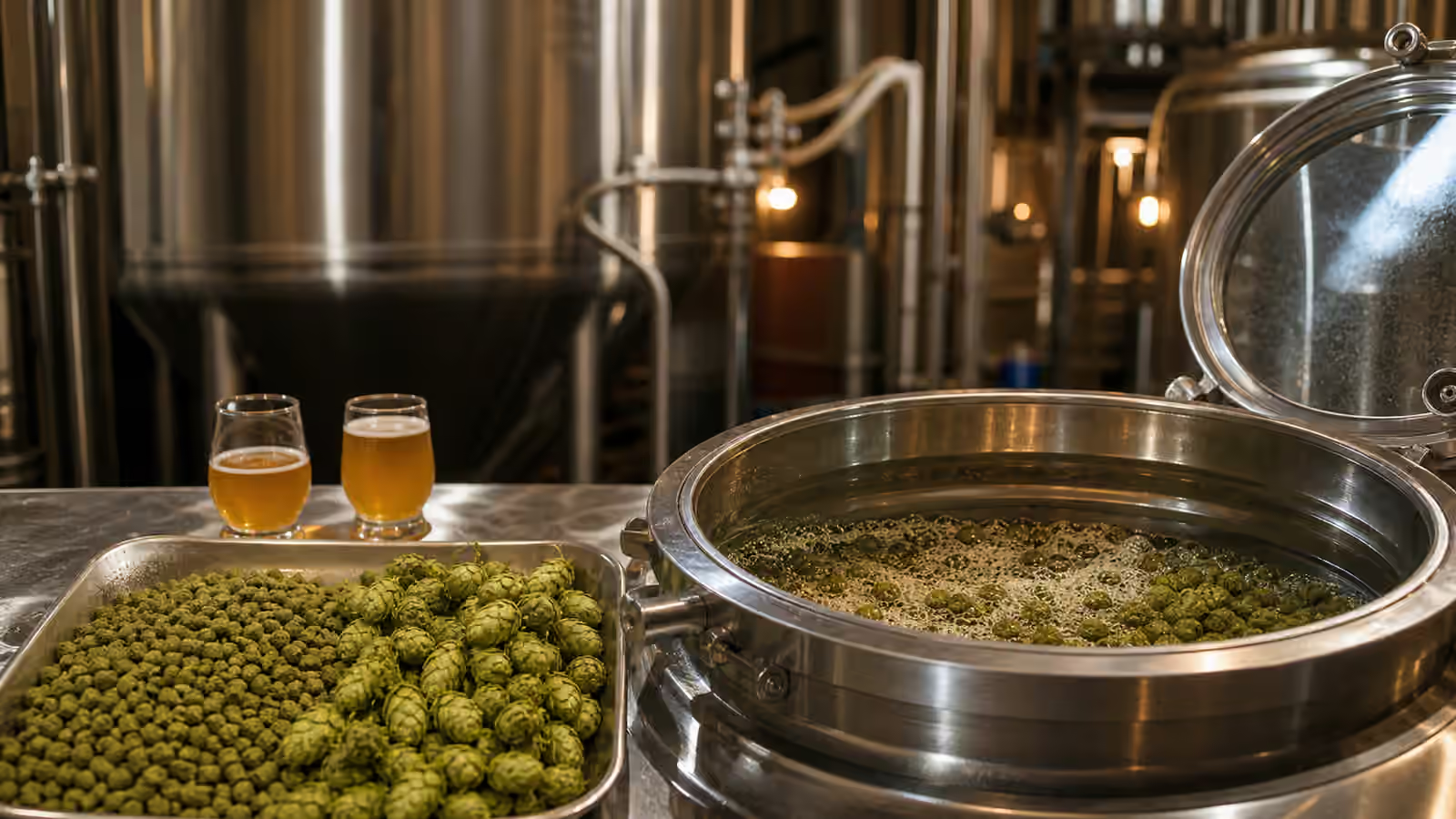
Good foam begins with ingredients, especially malt. Proteins and polypeptides from malt help build the structure that traps gas and forms a stable head. Wheat and oats can help foam and body because of their protein contribution, which is one reason many wheat beers pour with such dramatic heads. Hops can also support foam stability through bitter compounds that interact with malt proteins. Alcohol, fat, detergent, and poor glass care can work against it.
The Understanding Malt guide touches on malt as flavor and body, but foam is another place where grain becomes visible. A pale beer with a tight white head and steady lacing may be showing careful malt selection, good process, proper carbonation, and a clean glass. A dark stout with a tan head may tell a different malt story through roast color, protein structure, and serving gas.
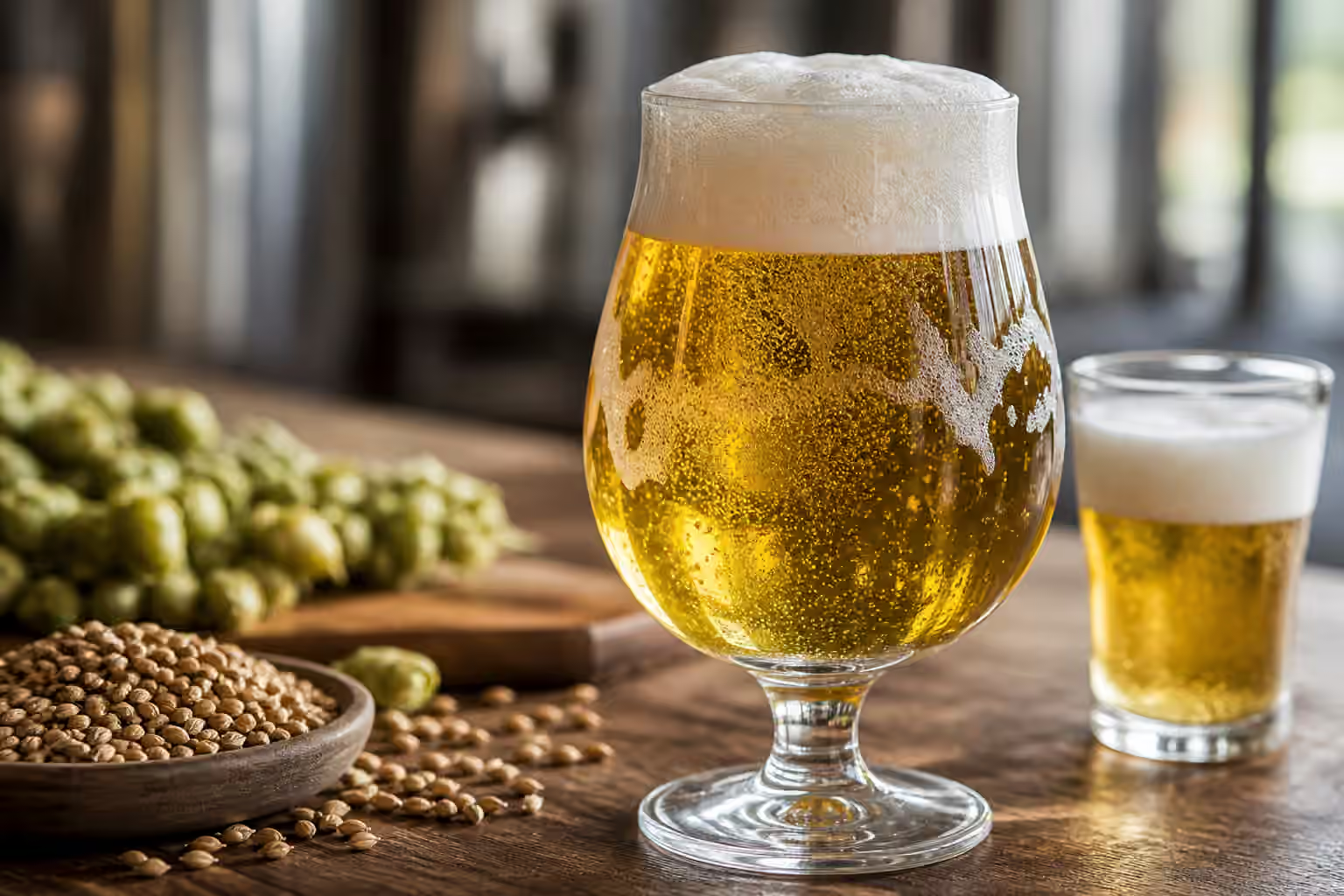
Foam quality has several parts. Head formation is how much foam appears when the beer is poured. Head retention is how long it lasts. Texture describes whether the foam looks tight and creamy, loose and soapy, rocky and uneven, or thin and quickly collapsing. Lacing is the pattern foam leaves behind as you drink. None of these signs proves quality by itself, but together they tell a useful story.
A beer can be excellent with modest foam if the style calls for it. A barleywine, strong stout, or aged sour may not wear a towering head, especially if the alcohol is high or the beer has been cellared. But a fresh pilsner, wheat beer, saison, or Belgian blond should usually show life in the glass. When a style that should foam well collapses instantly, something may be interfering.
The Glass Is Part Of The System
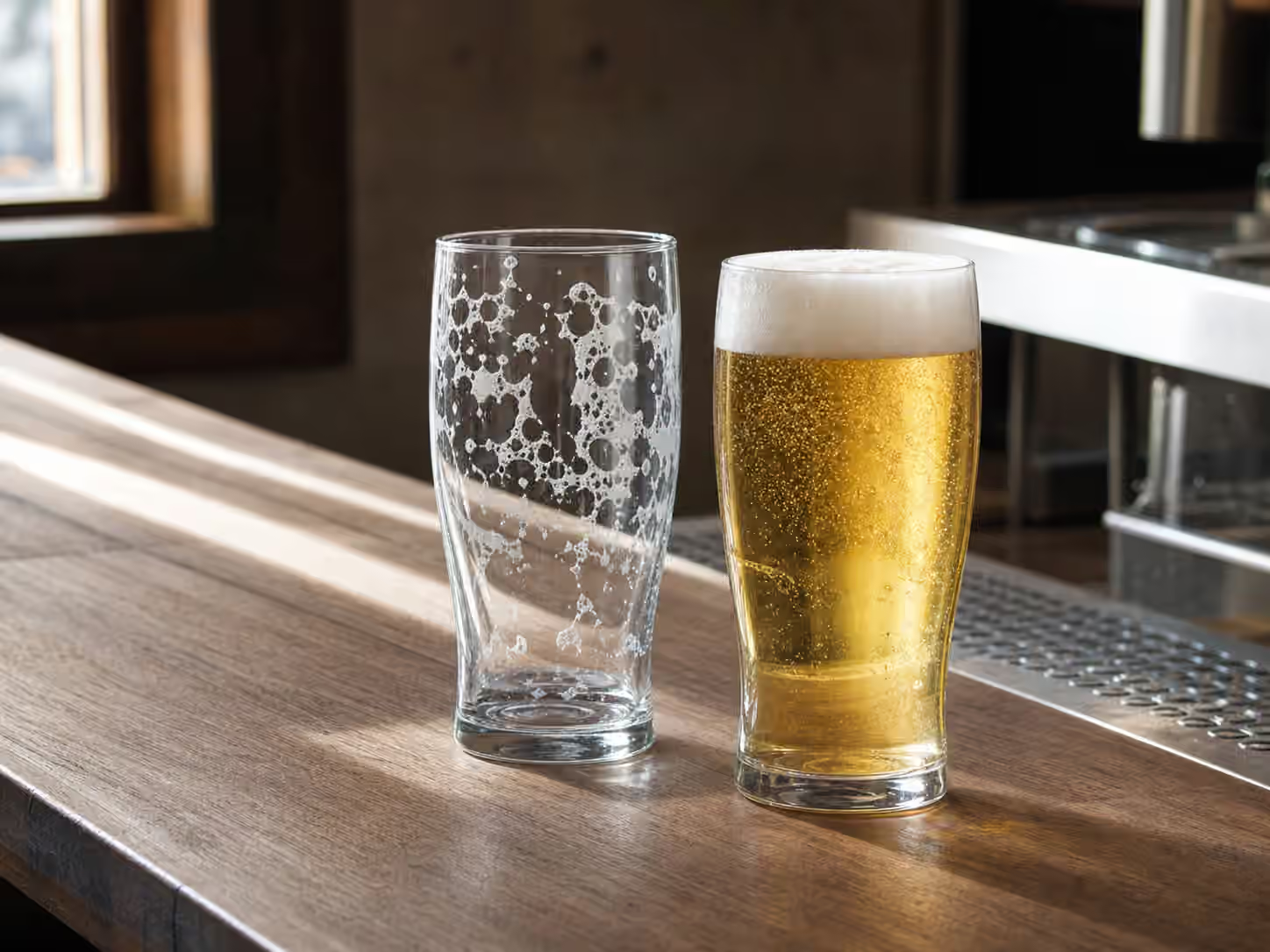
Foam often fails because of the glass, not the beer. Invisible grease, soap residue, lipstick, cooking oil, dairy residue, or dust can destroy head retention. A glass can look clean and still not be beer clean. If large bubbles cling randomly to the sides, if foam slides away without leaving any trace, or if the head vanishes before the first sip, the glass deserves suspicion.
The practical fix is ordinary discipline. Rinse beer glasses soon after use, wash them away from greasy dishes when possible, rinse them thoroughly, and let them air dry. Towel lint and scented soap can both cause problems. This is one reason the Glassware Guide and Serving and Storage matter together. The shape of the glass can concentrate aroma, but the cleanliness of the glass decides whether foam can do its work.
Glass shape also changes how carbonation behaves. A tall narrow pilsner glass shows streams of bubbles and helps maintain a bright head. A wheat beer glass leaves room for a large foam cap. A tulip captures aroma from the head and brings it toward the nose. A snifter may be better for a strong beer that wants slower sipping and less aggressive carbonation. The right glass does not rescue a bad beer, but it can let a good beer express itself more clearly.
Pouring Is Controlled Release
Pouring beer is not just moving liquid from package to glass. It is controlled release of dissolved gas. Pour too gently down the side for the entire glass and the beer may keep too much carbon dioxide trapped, tasting sharp and bloating while showing little aroma. Pour too aggressively and the glass may become mostly foam, leaving the beer depleted before it is served.
The familiar angled pour works because it starts gently and finishes with purpose. The early angle keeps foam under control. Straightening the glass near the end lets enough gas break out to build a head. That head releases aroma and improves texture. The goal is not a rigid measurement for every beer. It is a pour that fits the style, the package, and the glass.
Bottle-conditioned beer adds another decision. Yeast sediment at the bottom may be part of the beer’s character or something you prefer to leave behind. Pouring carefully can keep the beer clearer and cleaner. Swirling the final ounce can add yeast character, haze, and texture. Neither choice is universally correct. The beer, the style, and your preference decide.
When Carbonation Signals A Problem
Carbonation can also warn you that something went wrong. A beer that opens with a violent gush may have been overcarbonated, infected, packaged too early, warmed and shaken, or damaged in handling. A beer that should be lively but pours flat may have lost gas through a poor seal, been served too warm from draft, been packaged incorrectly, or simply aged past its best. A draft beer that pours only foam may point to pressure, temperature, line balance, or faucet problems rather than the beer itself.
This is where carbonation overlaps with Beer Off-Flavors . Infection can create excess carbon dioxide as unwanted microbes keep fermenting sugars that the intended yeast left behind. Oxidation can make a beer taste tired even if the carbonation remains. Dirty draft lines can add sourness or muddiness while also disrupting the pour. A glass that looks flat may be telling you about service, not recipe design.
Temperature complicates the picture. Cold beer holds carbon dioxide more easily. Warm beer releases it quickly. That is why a warm bottle can foam wildly when opened and why draft systems need careful temperature control. Serving beer too cold can mute aroma, but serving it too warm can make carbonation feel rough and unstable. The best serving temperature is a balance between flavor expression and gas behavior.
How To Taste Carbonation On Purpose
The easiest way to learn carbonation is to compare beers with different textures. Put a pilsner beside a cask-style ale if you can find one, or a lively saison beside a smooth stout. Notice how the bubbles change bitterness, aroma, body, and finish. The beer with higher carbonation may feel drier even if it is not actually less sweet. The beer with lower carbonation may feel fuller even if its alcohol is modest.
Pay attention to the first sip and the third sip. The first sip often shows the sharpest carbon dioxide bite. As foam settles and the beer warms slightly, the texture changes. Aroma may open. Bitterness may soften or become more direct. A beer that seemed too prickly at first may become balanced after a proper pour. A beer that seemed lively may collapse if the glass is dirty or the beer is old.
You can also learn by changing the pour. Pour one beer very gently and another with enough force to raise a proper head, then compare aroma, fullness, and burp-inducing sharpness. This is not a stunt for rare bottles. It is a simple way to feel how much presentation changes the drink. The Beer Tasting 101 habit of looking, smelling, tasting, and noticing the finish becomes more useful when carbonation is part of what you are watching.
For homebrewers, carbonation teaches patience and precision. Priming sugar should be measured carefully. Bottles need enough time at a suitable temperature for yeast to carbonate the beer. Kegs need pressure and temperature to work together. If you are using Homebrewing Basics as your starting point, carbonation is one of the first places where process becomes visible in the glass. Too little, and the beer tastes unfinished. Too much, and it may gush or feel harsh. Just right, and the beer seems more complete than the recipe alone can explain.
Carbonation and foam are small physical events happening constantly while you drink. Bubbles rise, burst, lift aroma, sharpen texture, soften sweetness, and build the head that frames the first sip. Foam forms, clings, fades, and leaves tracks down the glass. These details do not need to make drinking fussy. They make beer easier to understand. Once you notice them, a glass of beer stops being still liquid with flavor added. It becomes active, changing, and alive from the pour to the final sip.